
INVESTIGATIVE CASE DOSSIER: SUZANNE JOVIN MURDER: THE 1998 YALE CAMPUS COLD CASE, TOUCH DNA & THE COLD CASE TEAM DOSSIER
- Victim: Suzanne Jovin (21 years old; Senior at Yale University)
- Date of Homicide: December 4, 1998 (Approximately 9:55 PM)
- Crime Scene Location: Intersection of Edgehill Road & East Rock Road, New Haven, CT
- Cause of Death: Multiple Sharp Force Injuries (17 stab wounds to the neck and upper body)
- Investigating Agency: New Haven Police Department, Connecticut State Police, Jovin Task Force
- Forensic Evidence: Male touch DNA beneath fingernails, carbon knife blade tip, footprint impressions
- Current Status: Active cold case homicide with a $150,000 state reward and modern genomic re-testing
On the bitterly cold night of Friday, December 4, 1998, twenty-one-year-old Yale University senior Suzanne Jovin was found bleeding to death on a residential sidewalk at the corner of Edgehill and East Rock roads in the affluent East Rock neighborhood of New Haven, Connecticut. She had been brutally assaulted and stabbed seventeen times in the neck, head, and back. Less than thirty minutes earlier, she had been working on her senior thesis at her off-campus apartment and returning university keys. The Suzanne Jovin murder shocked the Ivy League academic community and triggered one of the most contentious homicide investigations in Connecticut history, marked by controversial early suspect profiling, the recovery of unknown male touch DNA beneath her fingernails, and a decades-long pursuit by an independent cold case team of retired federal detectives.
The Final 30 Minutes & The Edgehill Road 360 Crime Scene
At approximately 9:15 PM on December 4, 1998, Suzanne Jovin submitted a rough draft of her senior essay regarding international terrorist leader Osama bin Laden to her faculty advisor. At 9:25 PM, she walked down to Phelps Gate on the Yale Old Campus to return the keys to a university station wagon she had borrowed for a tutoring volunteer trip. Witnesses observed her in high spirits chatting with friends.
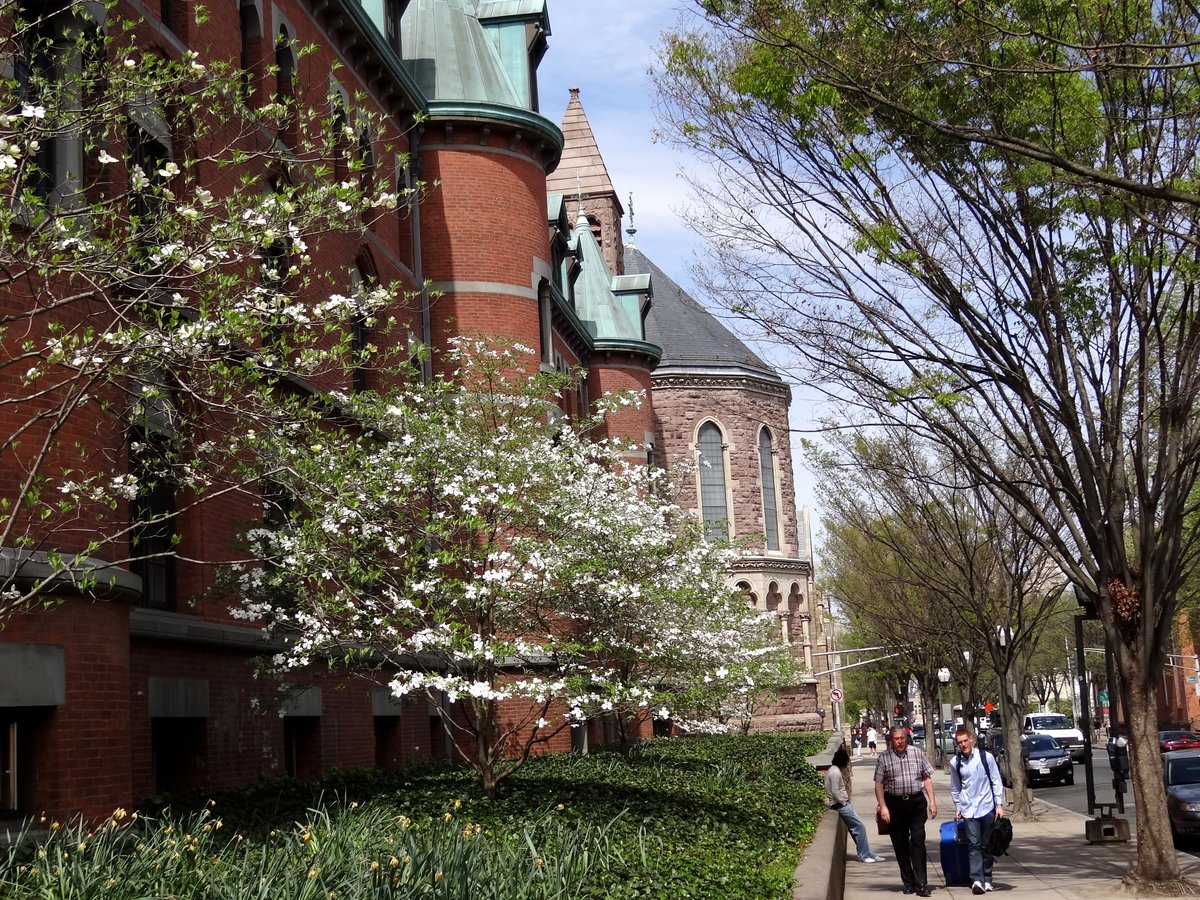
She was last seen alive walking toward her second-floor apartment at 258 Park Street. At 9:58 PM—scarcely thirty minutes later—a passing motorist spotted Jovin lying face down in the grass at the corner of Edgehill Road and East Rock Road, nearly two miles from the Yale central campus. She wore a soft brown fleece pullover and hiking boots, with her purse, money, and driver’s license still in her possession, ruling out financial robbery as a primary motive.
Forensic Pathology, Ballistics & The Broken Carbon Knife Blade
An autopsy performed by Connecticut Chief Medical Examiner Dr. H. Wayne Carver II revealed seventeen penetrating stab wounds to the victim’s neck, cervical spine, and upper back. Pathologists noted that the weapon was a non-serrated carbon steel blade approximately 4 to 5 inches in length. Crucially, a microscopic carbon steel blade tip was recovered lodged within Suzanne’s left parietal bone, providing a physical profile of the murder weapon.
Additionally, physical abrasions and contusions on Jovin’s forearms and hands demonstrated defensive maneuvers, indicating a violent close-quarters struggle against a physically dominant assailant within the confines of an enclosed space or vehicle before her body was deposited on the sidewalk.
Investigative Impasse & The Controversial Early Suspect Focus
In the initial weeks following the homicide, New Haven Police Department homicide detectives focused intense scrutiny on Jovin’s thesis advisor, Professor James Van de Velde. Although no physical evidence connected Van de Velde to the crime scene, public disclosure of his status as a ‘person of interest’ severely damaged his academic career and resulted in years of legal defamation proceedings.
In 2013, the State of Connecticut officially settled a federal civil rights lawsuit filed by Van de Velde, formally confirming that he was not a suspect in the homicide. The intense institutional fixation on a single individual during the critical early days of the investigation delayed the pursuit of alternative forensic leads and potential opportunistic predators operating in the East Rock corridor.
Modern Touch DNA Profiling & The Jovin Cold Case Task Force
In 2001, the Connecticut State Police Forensic Science Laboratory in Meriden processed scrapings taken from beneath Suzanne Jovin’s fingernails. Utilizing high-sensitivity Short Tandem Repeat (STR) amplification, forensic biologists isolated a partial male DNA profile that did not match Van de Velde or any member of the initial investigative team.
In 2007, the State’s Attorney for New Haven established a dedicated Cold Case Task Force comprised of four retired FBI special agents and state police detectives. The task force re-canvassed hundreds of potential witnesses, re-examined regional taxi dispatch logs from December 1998, and submitted physical evidence for advanced Next-Generation Sequencing (NGS) to construct a Single Nucleotide Polymorphism (SNP) profile for Investigative Genetic Genealogy.
Forensic Methodology, Chain of Custody & Modern Genomic Protocols
The forensic exhibits in the Jovin investigation—including her fleece pullover, fingernail clippings, and microscopic hair samples—remain secured in climate-controlled vaults under the custody of the Office of the Chief State’s Attorney. Modern forensic genomics platforms are analyzing low-copy trace biological samples to generate comprehensive autosomal and Y-STR profiles suitable for familial search matching across national genetic databases.
The Suzanne Jovin homicide remains a high-priority active cold case in Connecticut, with forensic criminalists and detectives utilizing every emerging scientific tool to identify the owner of the male DNA profile and bring permanent legal closure to the Ivy League mystery.
Forensic Serology, Touch DNA & Touch Biological Profiling
The forensic investigation into the murder of Suzanne Jovin represents one of the most thoroughly analyzed biological evidence archives in Connecticut criminal history. In 2001, the Connecticut State Police Forensic Science Laboratory extracted an initial partial male DNA profile from scrapings taken beneath the victim’s fingernails using early Short Tandem Repeat (STR) technology.
In 2009, cold case investigators utilized enhanced touch DNA extraction protocols developed by private genomic laboratories, analyzing the neckline and sleeves of the soft fleece pullover Suzanne wore when attacked. The resulting male profile was distinct, uncontaminated, and eliminated all early suspects, establishing that an unidentified third party came into direct, violent physical contact with Jovin on Edgehill Road.
Document Examination & Geographic Profiling in East Rock
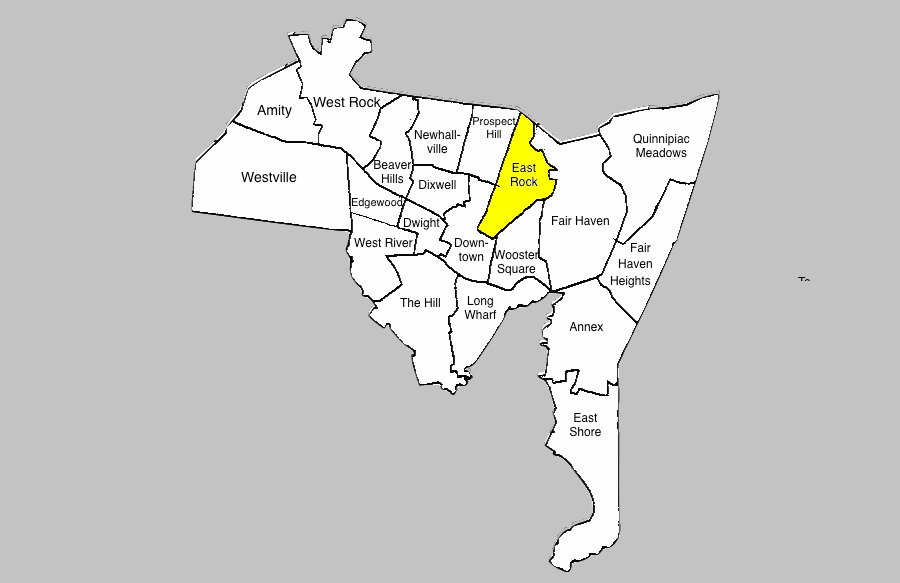
Behavioral analysts from the FBI’s National Center for the Analysis of Violent Crime (NCAVC) evaluated the physical geography of the crime scene at Edgehill Road and East Rock Road. The location is an affluent, secluded residential neighborhood nearly two miles north of the Yale campus, with minimal commercial foot traffic on Friday evenings.
Geographic profilers concluded that Jovin was almost certainly transported to the scene inside a motor vehicle, either willingly under the impression of receiving a ride home, or through opportunistic abduction along the Whitney Avenue or Prospect Street transit corridors.
Forensic Evidence Preservation & Modern STR Amplification
The physical exhibits recovered from the Edgehill Road crime scene—including Suzanne Jovin’s fleece jacket, bloodstained running shoes, and fingernail scrapings—have been maintained in hermetically sealed environmental storage at the Connecticut State Forensic Science Laboratory. Forensic biologists have applied next-generation fluorescent capillary electrophoresis to isolate distinct nuclear markers.
The continued investigation conducted by the Jovin Cold Case Task Force utilizes advanced kinship algorithms to cross-reference the unknown male DNA profile with regional and national genetic genealogy databanks, ensuring that every technological avenue is pursued to achieve legal accountability.
Criminological Legacy & Campus Safety Reforms
The Suzanne Jovin homicide led to comprehensive safety reforms across Yale University and urban college campuses nationwide. Yale Police instituted extended nighttime walking escorts, high-density blue-light emergency phones, and GPS-monitored shuttle networks connecting off-campus residential sectors in East Rock directly to academic centers.
Behavioral Profiling, Victimology & East Rock Geographic Analysis
Behavioral analysts from the FBI’s National Center for the Analysis of Violent Crime (NCAVC) evaluated the high level of sustained physical violence inflicted upon Suzanne Jovin. The infliction of seventeen stab wounds localized predominantly to the upper back and neck suggests an explosive release of targeted rage or an assailant reacting violently to unexpected resistance. Geographic profiling of the East Rock neighborhood—a tranquil, residential enclave characterized by low ambient night lighting and minimal vehicular throughput—indicates that the perpetrator possessed intimate familiarity with the local street grid, enabling an immediate, undetected egress toward either the Wilbur Cross Parkway or central New Haven.
Victimology assessments confirmed that Jovin exhibited low-risk lifestyle parameters; she was an exceptional academic scholar with structured daily routines and no known associations with criminal elements. The sudden convergence of her departure from the Yale campus and her mortal collapse less than thirty minutes later supports hypotheses involving either an impromptu rendezvous with an acquaintance or a swift vehicular interception by an opportunistic predator along the Whitney Avenue or Prospect Street corridors.
Advanced Forensic Biometrics, Touch DNA Protocols & Case Trajectory
Modern forensic re-evaluation of the physical exhibits involves high-throughput single nucleotide polymorphism (SNP) microarrays capable of extracting viable genetic profiles from minute, degraded cellular samples. Because touch DNA recovered from underneath Jovin’s fingernails yielded a partial profile, modern forensic geneticists are applying next-generation sequencing (NGS) and specialized bioinformatic filtering to separate extraneous environmental contamination from the assailant’s true biological signature. The ongoing multi-agency review underscores the commitment of Connecticut law enforcement to resolve this benchmark Ivy League mystery through state-of-the-art forensic technology.
Chronological Case Timeline & Key Forensic Milestones
Frequently Asked Questions & Expert Case Analysis
Where was Suzanne Jovin murdered?
She was discovered mortally wounded at the intersection of Edgehill Road and East Rock Road in New Haven, Connecticut, approximately two miles from the Yale University campus.
What forensic evidence was recovered from the crime scene?
Criminalists recovered an unknown male STR DNA profile beneath her fingernails, a microscopic carbon steel knife blade tip lodged in her skull, and trace fiber transfers.
Was the prime suspect ever cleared?
Yes. In 2013, the State of Connecticut formally cleared Yale professor James Van de Velde of all involvement after extensive physical and DNA evidence confirmed he was not the source of the biological material.