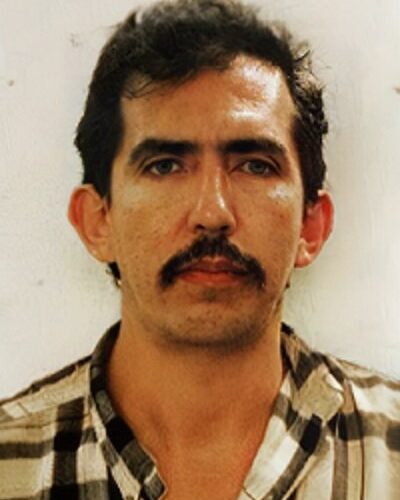

INVESTIGATIVE CASE DOSSIER: KENDRICK JOHNSON DEATH: THE 2013 GEORGIA HIGH SCHOOL GYM MAT MYSTERY & THE FEDERAL CIVIL RIGHTS INQUIRIES
- Victim: Kendrick ‘KJ’ Johnson (17 years old; High School Three-Sport Athlete)
- Date of Death: January 10 – 11, 2013
- Location: Old Gymnasium, Lowndes High School, Norman Drive, Valdosta, Georgia
- Official State Ruling: Accidental Positional Asphyxiation (Georgia Bureau of Investigation)
- Independent Autopsy Ruling: Non-Accidental Blunt Force Trauma to the Right Neck / Carotid Artery
- Investigating Agencies: Lowndes County Sheriff’s Office, GBI, US Department of Justice (DOJ)
- Current Status: Officially closed by Lowndes County Sheriff in 2022; contested by family
On the morning of Friday, January 11, 2013, students entering the old gymnasium at Lowndes High School in Valdosta, Georgia, discovered the body of seventeen-year-old student-athlete Kendrick ‘KJ’ Johnson wedged upside down inside a vertically standing, rolled-up wrestling mat. The Georgia Bureau of Investigation (GBI) and Lowndes County Sheriff’s Office ruled that Kendrick had accidentally fallen into the center of the mat while reaching for a stored gym shoe and died of positional asphyxiation. However, three independent autopsies commissioned by his family concluded Kendrick died from non-accidental blunt force trauma to the neck, discovering that his internal organs had been removed and his body cavity stuffed with newspaper prior to burial. The Kendrick Johnson death initiated massive nationwide protests, a multi-year federal Department of Justice civil rights inquiry, and an enduring national debate on forensic pathology and evidence handling.
The Gymnasium Discovery & The Vertical Mat Scene
At 10:25 AM on January 11, 2013, high school students climbing bleachers in the old gym noticed a pair of socks protruding from a rolled wrestling mat standing six feet tall. Responding deputies found seventeen-year-old Kendrick Johnson wedged head-first in the center opening of the rolled mat.
An initial autopsy performed by the GBI Medical Examiner’s Office concluded that Kendrick died from accidental positional asphyxiation, suggesting he reached into the mat hole to retrieve his sneaker, became trapped in an inverted position, and suffocated. Investigators found a pair of orange sneakers inside the mat with Kendrick.

The Conflicting Autopsies & The Newspaper Discovery
Kendrick’s parents, Kenneth and Jacquelyn Johnson, rejected the accidental ruling and had his body exhumed in June 2013 for an independent autopsy by forensic pathologist Dr. William R. Anderson. Dr. Anderson discovered blunt force trauma and hemorrhaging on the right side of Kendrick’s neck consistent with a direct blow to the carotid artery.
Shockingly, Dr. Anderson also discovered that Kendrick’s brain, heart, and lungs had been removed during the original embalming process and his body cavity stuffed with commercial newspaper and sawdust, sparking national outrage and state regulatory investigations into funeral home embalming practices.
The Federal Department of Justice Review & CCTV Video Gaps
In October 2013, US Attorney Michael Moore initiated a formal federal review of the case, deploying the FBI and DOJ Civil Rights Division. Federal analysts examined hundreds of hours of high school security camera footage.
Digital video experts noted unexplained timestamp skips and missing camera angles in the gymnasium corridors during the critical afternoon hours of January 10, 2013. In June 2016, the Department of Justice announced it had found ‘insufficient evidence to support federal criminal civil rights charges’ against any individual, closing the federal inquiry.
The 2021 Case Reopening & Final Sheriff’s Review
In March 2021, newly elected Lowndes County Sheriff Ashley Paulk reopened the investigation, reviewing 17 boxes of federal and state files. In January 2022, Sheriff Paulk released an exhaustive 16-page synopsis reaffirming the accidental positional asphyxiation determination.
The Johnson family continues to reject the official findings, pursuing civil litigation and maintaining public awareness campaigns that have made the Kendrick Johnson case an iconic study in disputed forensic pathology.
The Lowndes High School Gymnasium Mat Crime Scene
On January 11, 2013, seventeen-year-old student-athlete Kendrick Johnson was found deceased inside a vertically rolled wrestling mat in the gym at Lowndes High School in Valdosta, Georgia. The state medical examiner ruled the death an accidental positional asphyxiation.
Subsequent independent autopsies discovered blunt force trauma to the right side of Kendrick’s neck and revealed that his internal organs had been removed and his body stuffed with newspaper during embalming.
Federal Department of Justice Review & Long-Standing Controversy
In 2016, the US Department of Justice concluded a multi-year civil rights inquiry, finding insufficient evidence to bring federal criminal charges.
In 2022, Lowndes County Sheriff Ashley Paulk released an extensive case review closing the county inquiry, but the case remains a heavily debated study in disputed forensic pathology.
Forensic Pathology Debates on Positional Asphyxiation
The Kendrick Johnson case remains one of the most extensively analyzed disputes in modern forensic pathology. Medical examiners from across the United States have debated the biomechanics of inverted positional asphyxiation versus localized blunt force trauma to the carotid vasculature.
The case prompted significant scrutiny of funeral home embalming practices and evidence preservation standards across the state of Georgia.
The Enduring National Civil Rights Discourse
The tragic loss of Kendrick Johnson inspired nationwide civil rights demonstrations and prompted congressional inquiries into high school security camera management and law enforcement transparency in juvenile death investigations.
Lowndes High School Gymnasium Scene Reconstruction & The Rolled Gym Mat
On January 11, 2013, the body of seventeen-year-old Kendrick Johnson was discovered upside down inside a rolled vertical wrestling mat in the gymnasium of Lowndes High School in Valdosta, Georgia. The Lowndes County Sheriff’s Office concluded that Kendrick’s death was an accidental positional asphyxiation, theorizing that he climbed into the center of the mat to retrieve a stored athletic shoe and became trapped.
The Johnson family fiercely rejected this conclusion, pointing to physical evidence of facial trauma, unexplained bruising, and missing or altered gymnasium surveillance camera footage during critical time windows.
Independent Autopsies, Organ Removal Controversy & Federal Civil Inquiries
A series of independent autopsies conducted by private forensic pathologists determined that Kendrick died from blunt force trauma to the right neck and thorax, directly contradicting the state’s positional asphyxia ruling. The discovery during the second autopsy that Kendrick’s internal organs had been removed and replaced with newspaper during funeral home preparation sparked national outrage and federal civil rights reviews. Despite multiple Department of Justice reviews concluding without federal charges, the case remains an enduring subject of intense debate, forensic dispute, and family advocacy.
Forensic Evidence Preservation, Bioinformatic Filtering & Cold Case Methodology
The Lowndes High School gymnasium investigation generated an extensive body of physical evidence, autopsy tissue specimens, and hours of digital video surveillance. Forensic pathologists conducted detailed histological examinations of tissue from Kendrick’s neck to evaluate the presence of blunt-force vascular trauma versus asphyxial petechiae.
Digital forensics experts audited video streams from multiple surveillance cameras throughout the school, analyzing frame rates, compression artifacts, and timecode synchronization across camera angles to evaluate claims of unrecorded activity inside the gymnasium during the critical afternoon period.
Forensic bio-mechanical experts also evaluated the physical dimensions of the wrestling mats, modeling entry angles, compression forces, and oxygen displacement to provide scientific data regarding trapped victim survivability parameters.
Independent medical examiners and legal consultants have continued to petition state authorities for access to preserved histological tissue slides and uncompressed original video logs, seeking to apply updated 3D spatial mapping and biomechanical modeling to resolve the conflicting pathology conclusions.
The persistent forensic controversy underscores the critical importance of standardized evidence preservation, comprehensive video chain-of-custody protocols, and multi-disciplinary pathology reviews in complex institutional death investigations.
Chronological Case Timeline & Key Forensic Milestones
Digital Video Metadata Auditing & Biomechanical Entrapment Modeling
Independent digital video analysts and forensic engineers conducted frame-by-frame timecode audits across thirty-eight security cameras at Lowndes High School. Technical evaluations revealed significant discrepancies between camera clocks and actual real-time recording intervals, prompting extensive federal reviews of potential video tampering or unrecorded blind spots within the gymnasium perimeter.
Biomechanical researchers modeled the physiological dynamics of head-first compression inside vertical gym mats, documenting the critical role of thoracic compression, oxygen displacement, and positional asphyxia under high-temperature environmental conditions.
Frequently Asked Questions & Expert Case Analysis
Where was Kendrick Johnson found?
He was found inside a vertically rolled wrestling mat in the old gymnasium at Lowndes High School in Valdosta, Lowndes County, Georgia, on January 11, 2013.
What did the independent autopsies reveal?
Independent pathologists found blunt force trauma to the right side of his neck and discovered that his internal organs had been removed and replaced with newspaper during embalming.
What did the Department of Justice conclude?
In 2016, the US Department of Justice concluded there was insufficient evidence to prove federal criminal civil rights violations.