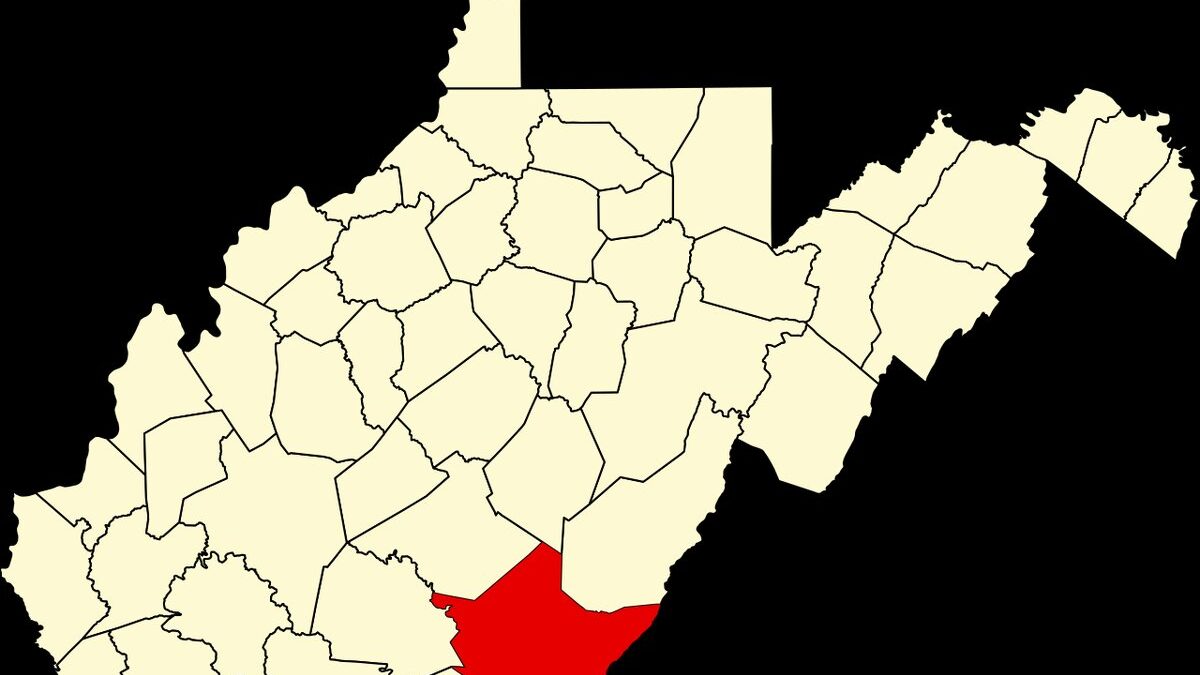
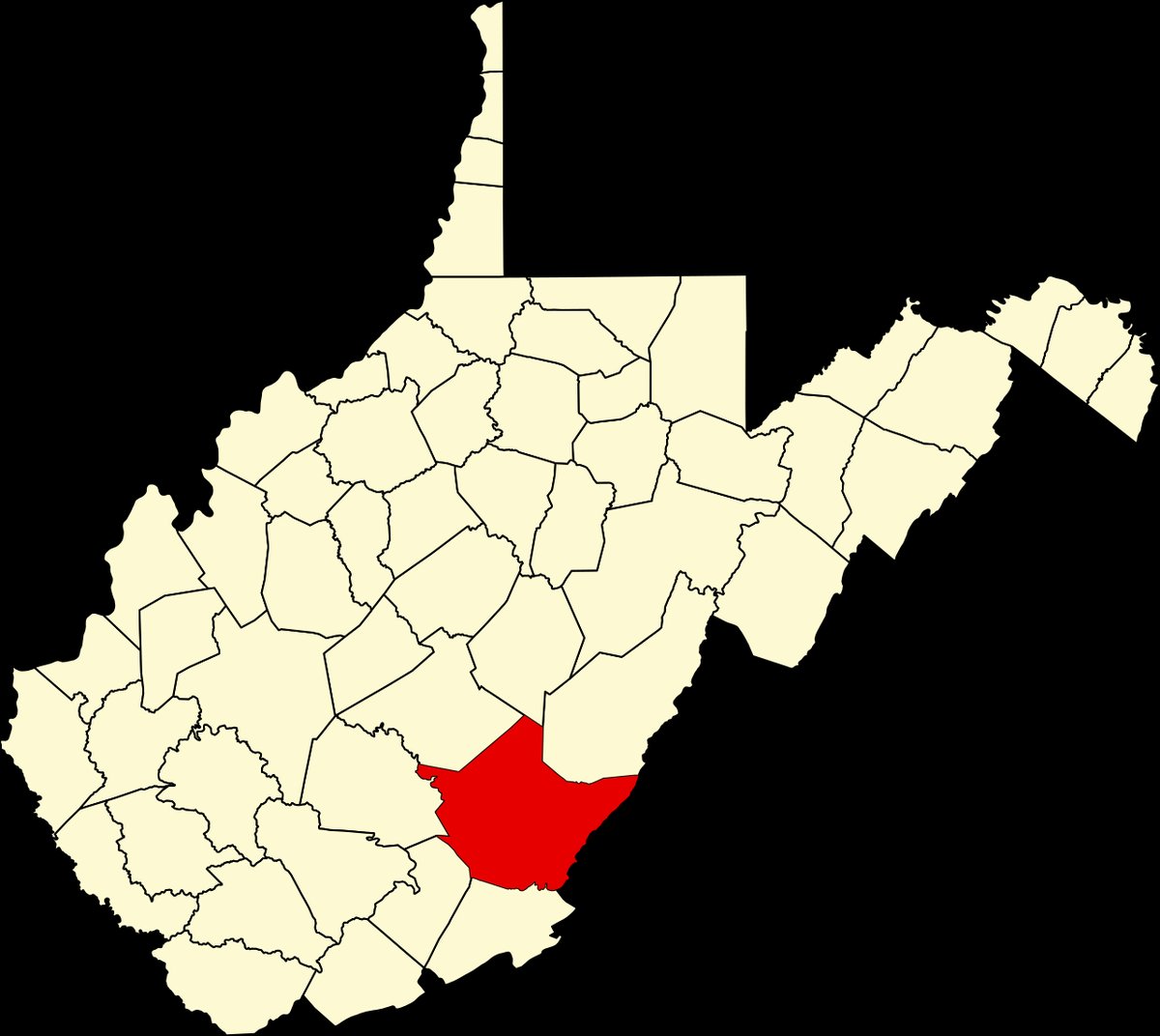
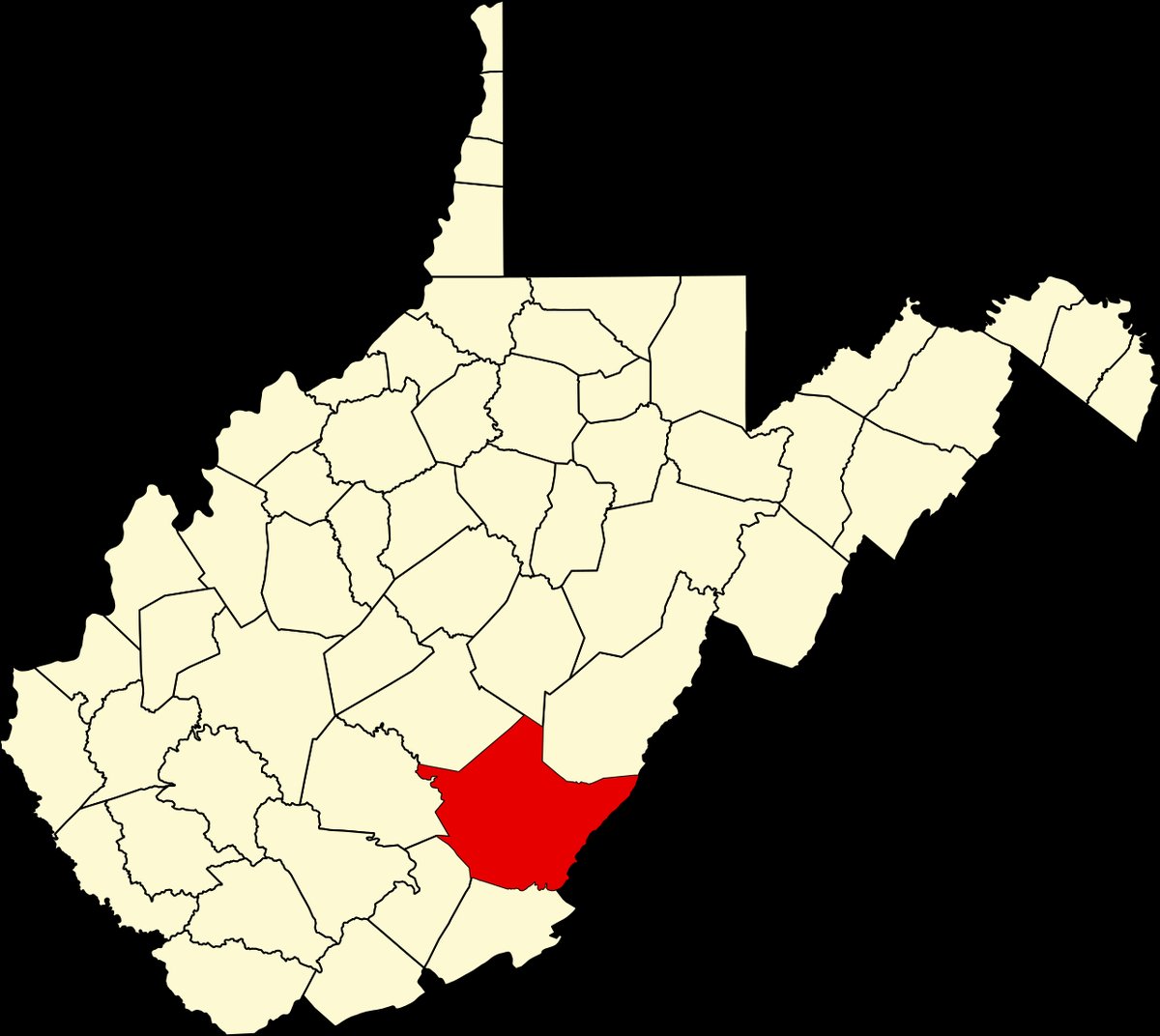
In the winter of 1897, in the rugged Allegheny Mountains of Greenbrier County, West Virginia, the death of twenty-one-year-old Zona Heaster Shue gave rise to one of the most extraordinary legal chapters in American judicial history. Known worldwide as the Greenbrier Ghost murder trial, the case is famously remembered as the only known criminal prosecution in United States history where purported testimony from a ghost contributed to a murder indictment and conviction. Yet beneath the supernatural folklore lies a classic forensic investigation featuring an exhumation, meticulous autopsy neck pathology, and astute prosecutorial strategy.
Executive Case Factsheet
- Victim(s): Elva Zona Heaster Shue, age 21
- Date of Incident: January 23, 1897
- Primary Crime Scene / Location: Livesay’s Mill, Meadow Bluff District, Greenbrier County, West Virginia
- Lead Investigating Jurisdictions: Greenbrier County Sheriff’s Department, Prosecuting Attorney John Alfred Preston
- Key Forensic Evidence: Forensic exhumation autopsy by Dr. George W. Knapp confirming complete dislocation of cervical vertebrae (broken neck) and crushed windpipe, defense cross-examination introducing mother’s spectral visions
- Suspect(s) / Perpetrator(s):
- Legal Outcome & Status: Convicted of first-degree murder in July 1897; sentenced to life imprisonment at the West Virginia State Penitentiary in Moundsville
The Sudden Death at Livesay’s Mill: January 23, 1897
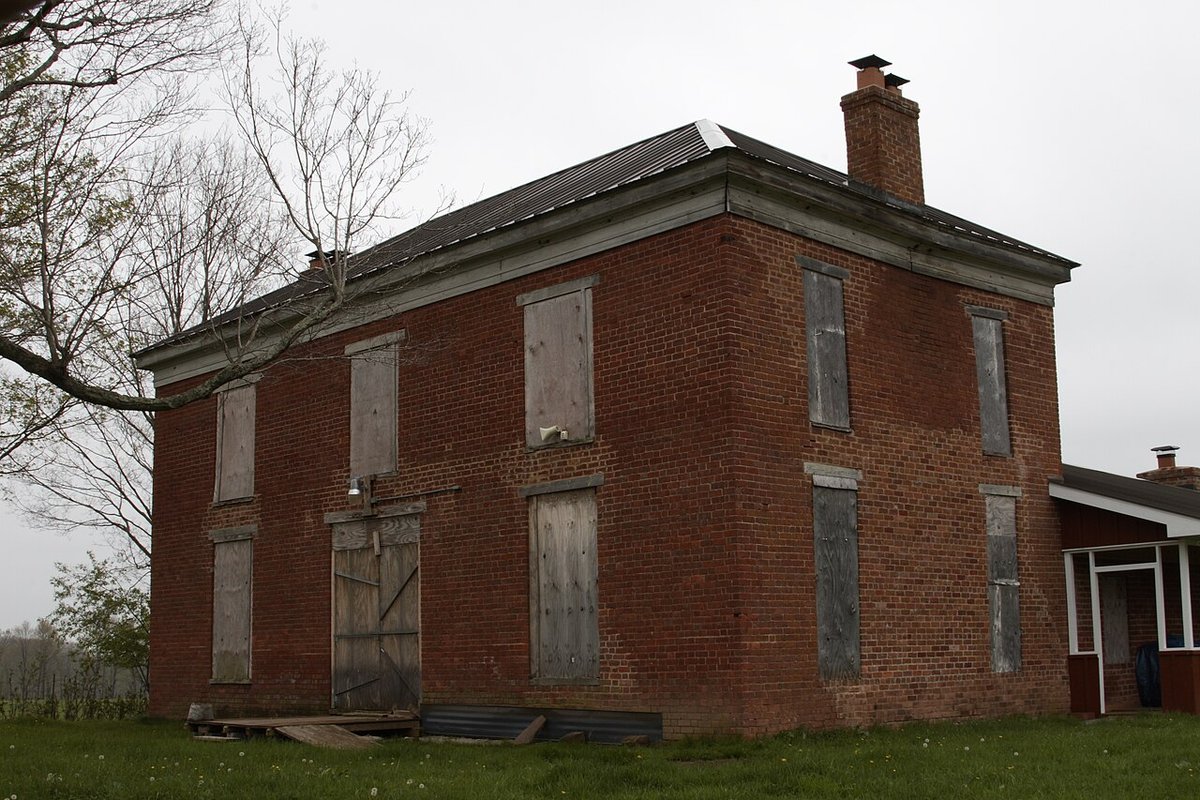
On Saturday afternoon, January 23, 1897, an eleven-year-old boy named Anderson Jones was sent by blacksmith Edward Stribbling ‘Trout’ Shue to his home near Livesay’s Mill in Greenbrier County to run an errand for his wife, twenty-one-year-old Elva Zona Heaster Shue. Entering the two-story log house, the boy discovered Zona lying motionless on the floor at the foot of the staircase, her eyes wide and body rigid.
The boy alerted Dr. George W. Knapp, the local physician and coroner. By the time Dr. Knapp arrived nearly two hours later, Trout Shue had already moved his wife’s body upstairs to the bedroom, washed her corpse, dressed her in a high-collared, stiff-necked Sunday dress, and wrapped a heavy scarf tightly around her throat. Throughout Dr. Knapp’s examination, Shue exhibited frantic, aggressive grief, cradling his wife’s head in his arms and sobbing violently whenever the doctor attempted to examine her head and neck.
Intimidated by Shue’s aggressive behavior and knowing that Zona had recently been treated for minor ailments, Dr. Knapp conducted only a superficial check, listing the official cause of death as ‘everlasting faint’ (a contemporary term for heart failure or syncope) and later altering the record to complications from childbirth. Zona was buried three days later at the Soule Chapel Methodist Cemetery in Meadow Bluff.
The Spectral Visions of Mary Jane Heaster
Zona’s mother, Mary Jane Heaster, had despised Trout Shue from the day he arrived in Greenbrier County in 1896, suspecting he was an abusive grifter. Following her daughter’s funeral, Mary Jane prayed nightly for four continuous weeks, begging God to reveal the true circumstances of Zona’s death.
In late February 1897, Mary Jane Heaster approached Greenbrier County Prosecuting Attorney John Alfred Preston with a remarkable story. She claimed that over four consecutive nights, the apparition of Zona had appeared at her bedside, filling the room with icy air. The spirit allegedly revealed that Trout Shue was a violent monster who had flown into a rage over an unprepared dinner, attacked her, and snapped her neck, with the apparition demonstrating by twisting its head completely around on its shoulders.
Prosecutor Preston, an astute and highly respected attorney, looked past the supernatural claims and focused on the objective irregularities: the high-collared dress, the tightly wrapped scarf, the rushed burial, and Dr. Knapp’s admitted failure to conduct a proper physical examination of the neck.
The February 1897 Exhumation and Autopsy Findings
On February 22, 1897, Prosecutor Preston obtained a judicial exhumation order from the county circuit court. A medical team comprising Dr. George Knapp, Dr. James Vance, and Dr. F.M. McClung exhumed Zona’s casket from the frozen earth of the Soule Chapel cemetery and conducted a formal three-day forensic autopsy in the nearby schoolhouse.
The post-mortem examination delivered undeniable, incontrovertible physical proof of violent homicide:
- Cervical Fracture: The autopsy revealed that the neck was completely broken, with a complete dislocation of the first and second cervical vertebrae (the atlas and axis bones).
- Tracheal Trauma: Pathologists discovered that the windpipe was crushed flat, with extensive subcutaneous bruising across the anterior throat tissues.
- Digital Finger Impressions: Clear digital thumb and fingernail indentation marks were preserved in the skin of the neck, proving that severe manual strangulation had been applied before the neck was violently snapped with brute rotational force.
Dr. Knapp officially reversed his prior ruling, declaring the death a homicide by manual strangulation and cervical dislocation. Trout Shue was immediately arrested by Greenbrier County Sheriff Nickell and held without bail in the Lewisburg jail.
The July 1897 Trial and the Defense’s Fatal Gamble
The murder trial commenced in late June 1897 at the Greenbrier County Courthouse in Lewisburg before Circuit Judge J.M. McWhorter. Prosecutor Preston presented Dr. Knapp’s anatomical autopsy findings, neighbor testimonies regarding Shue’s bizarre behavior at the deathbed, and Shue’s prior violent marital history (revealing that Shue had been married twice before, with his first wife divorcing him for brutal beatings and his second wife dying under highly suspicious circumstances).
In an effort to avoid bringing the ghost story into the state’s case, Prosecutor Preston deliberately refrained from mentioning Mary Jane Heaster’s spectral visions during direct examination. However, lead defense attorney John W. Arbuckle made a catastrophic tactical gamble during cross-examination, attempting to portray Mrs. Heaster as a mentally deranged, superstitious fanatic to destroy her credibility.
Under blistering questioning from defense counsel, Mary Jane Heaster stood resolute on the witness stand, detailing her four nighttime visions with calm, unshakable conviction. Rather than alienating the Appalachian jury, Mrs. Heaster’s earnest demeanor and spiritual sincerity deeply resonated with the pious jurors, while perfectly harmonizing with the hard anatomical evidence of a broken neck established by the physicians.
The Verdict, Prison Legacy & Historical Memorial
On July 11, 1897, after only an hour and ten minutes of deliberation, the Greenbrier County jury returned a unanimous verdict of guilty of first-degree murder with a recommendation for mercy. Judge McWhorter sentenced Edward Stribbling Trout Shue to life imprisonment.
Shue was transported to the West Virginia State Penitentiary in Moundsville, where he died of pneumonia and measles in March 1900. Mary Jane Heaster lived until September 1916, maintaining until her dying day that her daughter’s spirit had visited her to demand justice.
Today, the West Virginia State Historical Commission has erected an official historical marker along US Route 60 near Meadow Bluff commemorating the case: ‘Only known case in which testimony from a ghost helped convict a murderer.’ The Greenbrier Ghost investigation remains an iconic academic case study demonstrating how objective forensic medicine and strategic trial practice transformed supernatural belief into valid legal justice.
Legal scholars and judicial historians frequently analyze the Greenbrier Ghost trial to illustrate the delicate balance between testimonial hearsay rules and physical demonstrative evidence in 19th-century jurisprudence. By centering the prosecution on indisputable anatomical trauma—specifically the bilateral disarticulation of the cervical vertebrae and direct cartilaginous fractures of the larynx documented during exhumation—Prosecutor John Preston ensured that the verdict rested upon empirical pathology rather than spiritual conjecture. The case remains commemorated on West Virginia State Historical Marker No. 59 as the only documented trial in American history where spectral testimony led to a murder conviction and life sentence.
Chronological Case Timeline
| Date / Milestone | Investigative Development | Forensic / Evidentiary Significance |
|---|---|---|
| January 23, 1897 | Zona Heaster Shue found dead at home | Husband dresses body; Dr. Knapp lists cause as ‘everlasting faint’ |
| Late February 1897 | Mother Mary Jane reports spectral visions | Approaches Prosecutor Preston claiming ghost revealed broken neck |
| February 22, 1897 | Forensic exhumation autopsy performed | Drs. Knapp and Vance confirm severed neck vertebrae and crushed windpipe |
| March 1897 | Trout Shue indicted for capital murder | Arrested in Lewisburg; past history of marital abuse uncovered |
| July 11, 1897 | Jury convicts Trout Shue of 1st-degree murder | Sentenced to Life Imprisonment at Moundsville Penitentiary |
| March 13, 1900 | Trout Shue dies in state prison | Perpetrator dies of epidemic disease; case enters American folklore |
Frequently Asked Questions: Forensic & Legal Review
Was ghost testimony actually admitted into evidence during the trial?
Yes, but through the defense’s own cross-examination. Prosecutor John Preston did not introduce the ghost story, but defense attorney John Arbuckle cross-examined Zona’s mother about her visions to make her look crazy, which backfired when the jury believed her sincerity.
What physical evidence proved Zona Shue was murdered?
A formal exhumation autopsy conducted by three physicians revealed that the first and second cervical vertebrae in Zona’s neck were completely dislocated (broken neck), her windpipe was crushed, and thumb impressions were visible on her throat, proving manual strangulation.
What was Trout Shue’s prior history before marrying Zona?
Trout Shue was a serial abuser who had been married twice before. His first wife divorced him after he threw her down stairs, and his second wife died under mysterious circumstances when a brick reportedly fell on her head.
What is the historical marker on US Route 60 in West Virginia?
The State of West Virginia erected an official roadside marker near Meadow Bluff that reads: ‘Interred in nearby cemetery is Zona Heaster Shue. Her mysterious death in 1897 was followed by ghost testimony of her mother, which led to exhumation, murder conviction, and life imprisonment for her husband.’