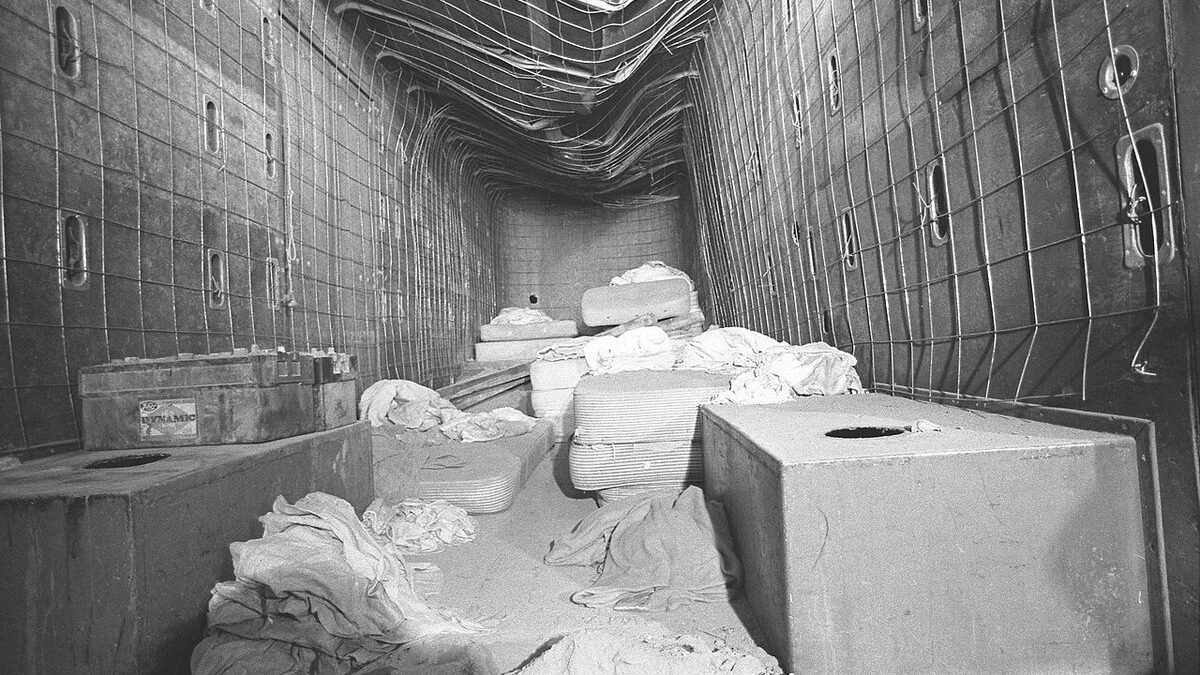
On a scorching July afternoon in 1976, the brazen highway hijacking of an entire school bus carrying twenty-six elementary schoolchildren and their driver in Chowchilla, California, initiated the largest mass kidnapping in United States history. The Chowchilla bus kidnapping 1976 shocked the nation through its audacity, military-like logistical planning, and subterranean imprisonment. Yet through the extraordinary courage of bus driver Ed Ray and the older children, combined with meticulous forensic quarry and document tracing, federal and state detectives solved the crime within two weeks without paying a single dollar of ransom.
Executive Case Factsheet
- Victim(s): School bus driver Edward ‘Ed’ Ray (age 55) and 26 elementary school children (ages 5 to 14)
- Date of Incident: July 15–16, 1976
- Primary Crime Scene / Location: Chowchilla, Madera County / Calaveras Quarry, Livermore, Alameda County, California
- Lead Investigating Jurisdictions: Madera County Sheriff’s Office, Alameda County Sheriff, FBI, California Department of Justice
- Key Forensic Evidence: Underground moving van buried 12 feet deep at quarry owned by suspect’s father, handwritten $5 million ransom draft, customized battery ventilation pipes, finger ridge friction prints on van interior
- Suspect(s) / Perpetrator(s): Frederick Newhall Woods IV (24), James Schoenfeld (24), Richard Schoenfeld (22)
- Legal Outcome & Status: All three pleaded guilty to 27 counts of kidnapping for ransom; sentenced to life without parole (later reduced); all three released on parole (final parole in 2022)
The Highway Ambush on Avenue 21: July 15, 1976
At approximately 4:00 p.m. on Thursday, July 15, 1976, fifty-five-year-old bus driver Edward ‘Ed’ Ray was driving twenty-six children home from a summer school swimming session at the Chowchilla fairgrounds in Dairyland Elementary School Bus No. 13. Traveling down rural Avenue 21 in Madera County, Ray encountered a white Dodge van blocking the narrow roadway.
As Ray stopped the bus, three young men wearing nylon stocking masks, armed with shotguns and pistols, stormed the bus. The hijackers forced Ray at gunpoint to drive the bus into the dry Berenda Slough, where two customized transport vans were hidden in dense bamboo brush. The perpetrators forced all twenty-seven captives into the windowless rear compartments of the two vans, driving them for eleven tortuous hours in pitch-black suffocation through the sweltering Central Valley.
When the children failed to arrive home, frantic parents alerted Madera County Sheriff Edward Bates. Search planes quickly located the empty school bus concealed in the slough, triggering an immediate nationwide FBI kidnapping alert.
The Buried Moving Van and the Miracle Escape
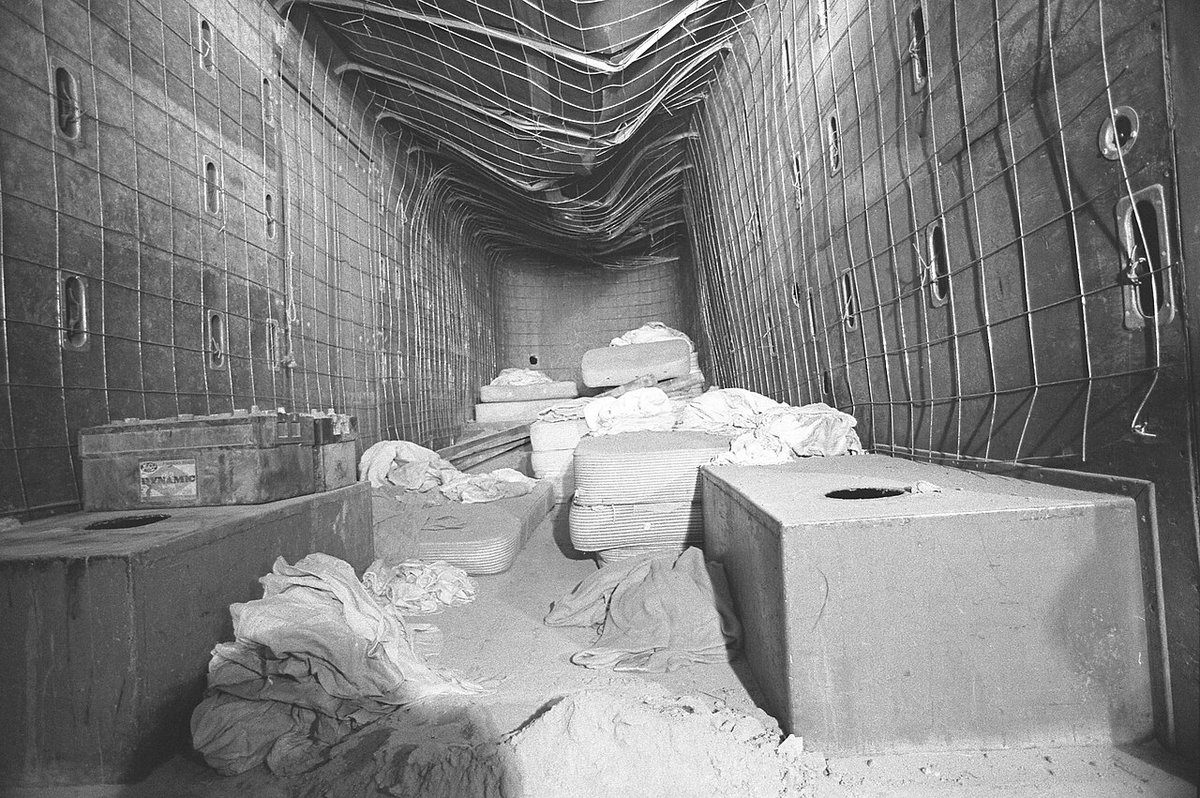
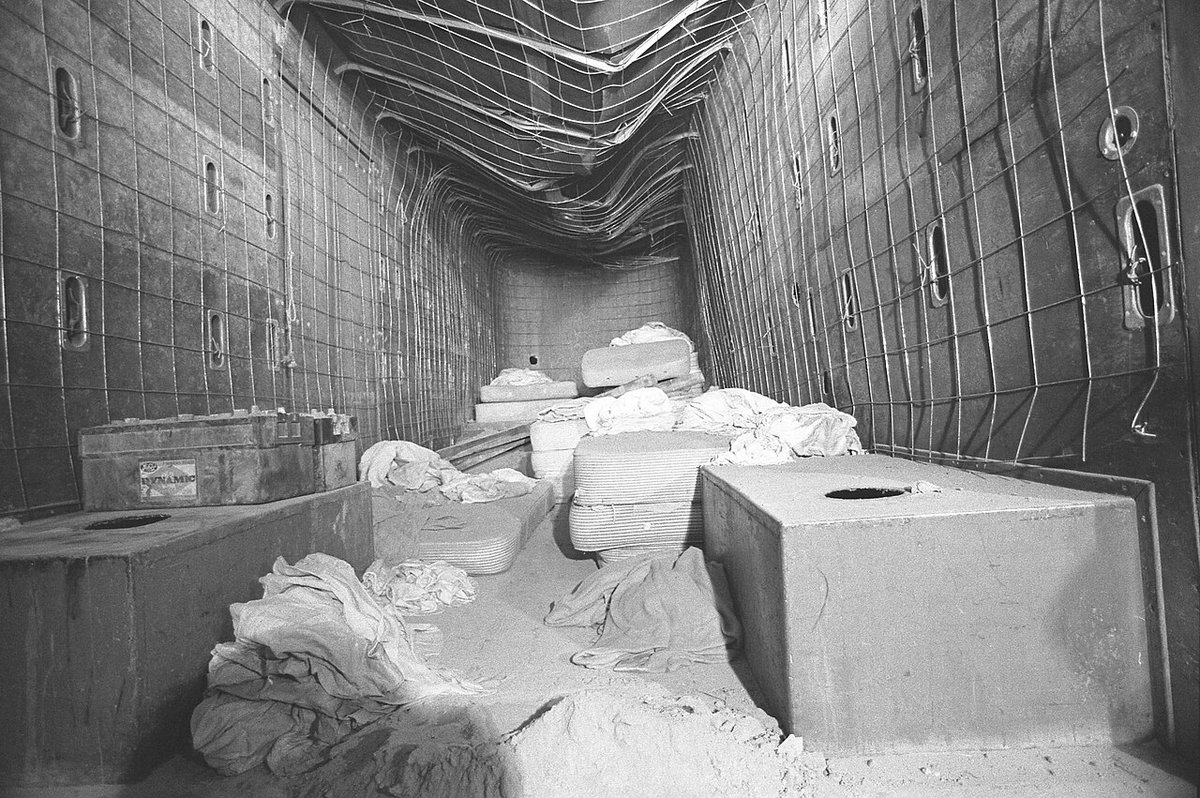
At approximately 3:30 a.m. on July 16, the vans arrived at the Calaveras Quarry in Livermore, Alameda County, roughly one hundred miles northwest of Chowchilla. The kidnappers forced the twenty-six children and Ed Ray down a hole in the ground into a buried twenty-foot commercial moving van entombed twelve feet beneath tons of rock and dirt.
Inside the subterranean tomb, the perpetrators had installed crude bunk beds, food provisions, and two flexible plastic ventilation tubes powered by electric car batteries. After forcing the victims inside, the kidnappers sealed the roof hatch with a heavy iron plate, weighed it down with two 100-pound truck batteries, and shoveled dirt over the opening before leaving to phone in a $5 million ransom demand to the Governor’s office.
As temperatures inside the suffocating underground container soared past one hundred degrees and the battery-powered ventilation began to fail, Ed Ray and fourteen-year-old student Michael Marshall executed a daring escape. Stacking mattresses to reach the ceiling hatch, Ray and Marshall utilized a wooden beam as a lever, pushing against the heavy iron plate with all their physical strength for hours. After dislodging the batteries and clearing the dirt, Marshall squeezed through the hole, helping Ray pull all twenty-six children out to safety after sixteen hours underground.
Forensic Quarry Evidence and Document Tracking
Alameda County Sheriff’s deputies and FBI Evidence Response Teams immediately secured the Calaveras Quarry. Investigators determined that the quarry was owned by prominent, wealthy San Francisco bay area businessman Frederick Nickerson Woods III. Detectives quickly focused their inquiry on Woods’s twenty-four-year-old son, Frederick Newhall Woods IV, and two wealthy friends from prominent families: brothers James and Richard Schoenfeld.
Executing search warrants at the Woods family estate and warehouse, FBI document examiners recovered an extraordinary evidentiary smoking gun: a handwritten draft of the $5 million ransom demand note written on paper matching notebooks found in Woods’s bedroom. Furthermore, serial numbers on the buried moving van matched purchase records traced directly to Frederick Woods, and palm prints recovered from the van interior matched Richard Schoenfeld.
Richard Schoenfeld surrendered to authorities on July 23. James Schoenfeld was captured in Menlo Park six days later driving a disguised vehicle. Frederick Woods fled to Vancouver, Canada, but was apprehended by the Royal Canadian Mounted Police on July 29 after attempting to pick up mail under an alias.
Guilty Pleas, Mandatory Life Sentences & Appellate Battles
Faced with insurmountable forensic physical proof—including matching paint transfers, purchase invoices, and palm prints—all three defendants pleaded guilty in 1977 to twenty-seven counts of kidnapping for ransom with bodily harm.
Madera County Superior Court Judge Leo Deegan sentenced all three men to mandatory life imprisonment without the possibility of parole. However, in 1980, the California Court of Appeal overturned the ‘without parole’ condition, ruling that although the children suffered severe psychological trauma, the minor physical scratches and nosebleeds sustained did not meet the statutory legal definition of ‘severe bodily harm’ required for mandatory LWOP under California Penal Code § 209.
This ruling opened the door for recurring parole hearings over decades, prompting continuous public outrage and fierce opposition from the surviving victims and the Chowchilla community.
Parole Outcomess, Trauma Studies & The Legacy of Ed Ray
After serving multi-decade sentences, the three perpetrators were eventually granted parole by the California Board of Parole Hearings:
- Richard Schoenfeld: Granted parole in June 2012 after serving 36 years.
- James Schoenfeld: Granted parole in August 2015 after serving 39 years.
- Frederick Woods: Granted parole in August 2022 at age 70 after serving 46 years.
The Chowchilla kidnapping catalyzed landmark psychological studies by Dr. Lenore Terr, who conducted pioneering research on the long-term post-traumatic stress disorder (PTSD) suffered by the surviving children, establishing foundational protocols in modern childhood trauma therapy.
Bus driver Ed Ray was celebrated nationally as an American hero, receiving citations from President Gerald Ford. In 2012, the City of Chowchilla dedicated the Edward Ray Park, honoring the man whose indomitable courage saved twenty-six young lives from a subterranean tomb.
The psychological aftermath of the Chowchilla kidnapping led to groundbreaking clinical research conducted by child psychiatrist Dr. Lenore Terr. Her longitudinal study of the Chowchilla victims established modern clinical criteria for childhood post-traumatic stress disorder (PTSD), documenting how extreme psychic trauma induces severe cognitive regressions, night terrors, and lifelong vulnerabilities in developing minds. From an investigative perspective, the rapid coordination between the Alameda County Sheriff’s Office, the FBI, and the California Department of Forestry became a blueprint for multi-jurisdictional tactical responses to mass child abductions across North America.
Chronological Case Timeline
| Date / Milestone | Investigative Development | Forensic / Evidentiary Significance |
|---|---|---|
| July 15, 1976 (16:00) | School bus hijacked on Avenue 21 | Ed Ray and 26 children abducted by 3 masked gunmen |
| July 16, 1976 (03:30) | Captives entombed in buried moving van | Forced into underground container at Livermore quarry |
| July 16, 1976 (16:00) | Ed Ray and children dig their way out | Stack mattresses, dislodge iron hatch, and escape to safety |
| July 18, 1976 | FBI traces buried van to Frederick Woods | Ransom note draft and purchase receipts seized in search warrant |
| July 23–29, 1976 | All 3 perpetrators captured | Schoenfeld brothers and Woods arrested in CA and Canada |
| November 1977 | Perpetrators sentenced to life imprisonment | Plead guilty to 27 counts of kidnapping for ransom |
| August 2022 | Frederick Woods granted parole | Final kidnapper released after serving 46 years in prison |
Frequently Asked Questions: Forensic & Legal Review
How did bus driver Ed Ray and the children escape from the buried van?
Ed Ray and 14-year-old student Michael Marshall stacked mattresses to reach the roof opening, used a wooden two-by-four plank to lever the heavy iron plate and 100-pound truck batteries off the hatch, cleared the dirt, and helped all 26 children climb out to safety.
What was the kidnappers’ motive for the Chowchilla kidnapping?
The three young men—Frederick Woods, James Schoenfeld, and Richard Schoenfeld—came from affluent families but had accumulated massive debt from failed real estate and automobile ventures. They planned the kidnapping to demand a $5 million ransom from the State of California.
How did police trace the kidnapping to Frederick Woods?
The moving van was buried on property owned by Woods’s father. A search warrant of Woods’s estate uncovered the original handwritten draft of the ransom demand note, invoices for the van purchase, and palm prints matching the suspects.
What psychological breakthroughs resulted from the Chowchilla case?
Child psychiatrist Dr. Lenore Terr conducted landmark longitudinal studies on the surviving children, which helped define modern diagnostic criteria and treatment protocols for Childhood Post-Traumatic Stress Disorder (PTSD).