Between 1963 and 1965, the abduction, torture, and burial of five young children and teenagers in the desolate, wind-swept peat bogs of Saddleworth Moor in Northern England horrified the British public and redefined modern criminal profiling. The Moors Murders Ian Brady Myra Hindley became an enduring national trauma in British history. Through the combined application of early photographic landscape triangulation, audio forensics, and multi-decade ground-penetrating radar sweeps across barren moors, British detectives untangled a dark partnership of psychopathic sadism and ideological nihilism.
Executive Case Factsheet
- Victim(s): 5 children and teenagers: Pauline Reade (16), John Kilbride (12), Keith Bennett (12), Lesley Ann Downey (10), Edward Evans (17)
- Date of Incident: July 12, 1963 – October 6, 1965
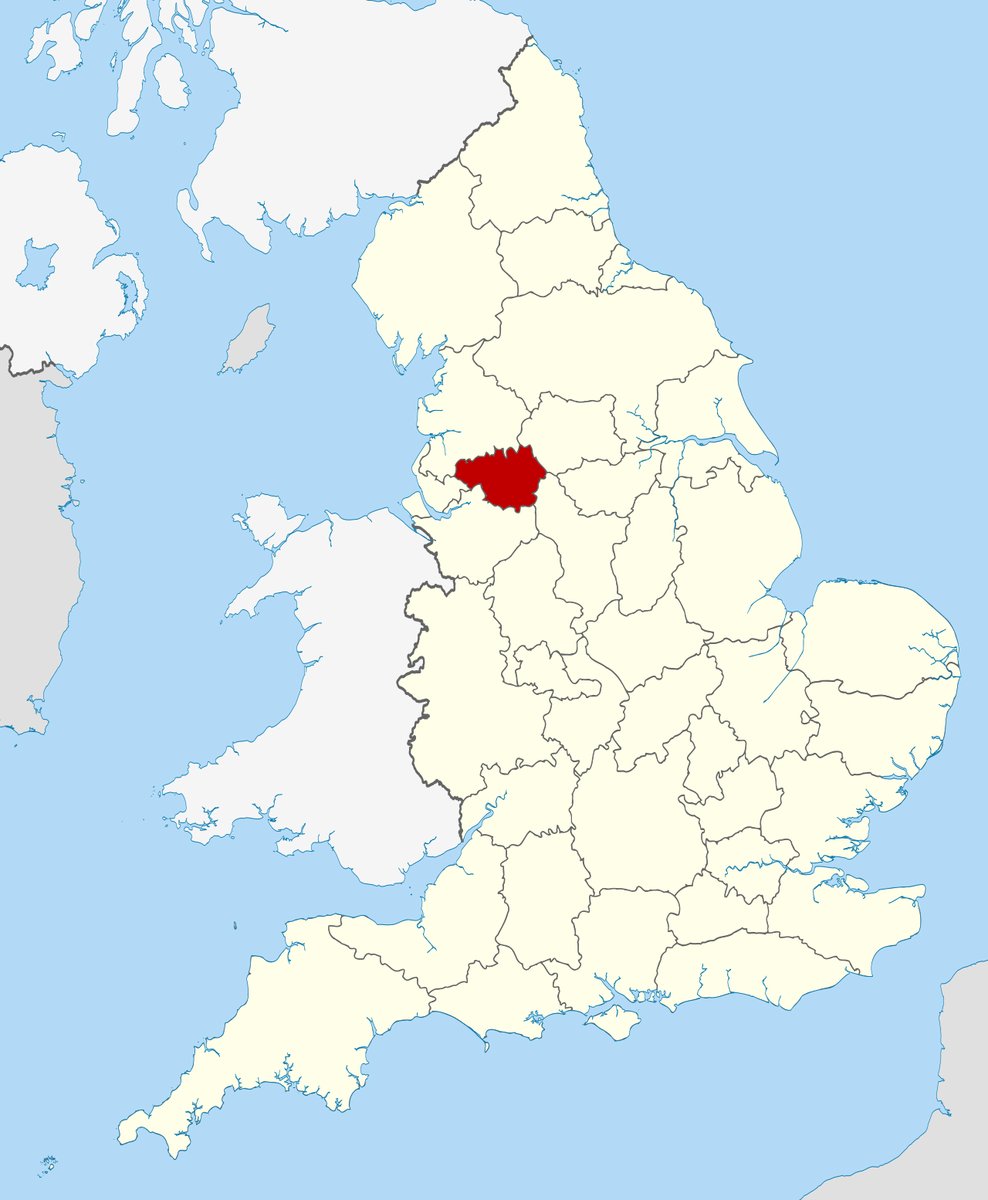
- Primary Crime Scene / Location: Saddleworth Moor, Peak District / Hattersley, Greater Manchester, England, UK
- Lead Investigating Jurisdictions: Cheshire Constabulary, Greater Manchester Police, Metropolitan Police Yard
- Key Forensic Evidence: Grave sites uncovered on Saddleworth Moor matching photographic poses by Hindley, audio recording of victim tortures, left luggage left-railway station cloakroom tickets leading to suitcases of evidence, Edward Evans axe homicide scene
- Suspect(s) / Perpetrator(s): Ian Stewart Brady (27) and Myra Hindley (23)
- Legal Outcome & Status: Convicted at Chester Assizes in May 1966; sentenced to life imprisonment; Hindley died in custody in 2002; Brady died in psychiatric hospital in 2017
The Hattersley Axe Homicide and David Smith’s 999 Call
The investigation broke open in the early morning hours of October 7, 1965. David Smith, the seventeen-year-old husband of Myra Hindley’s sister Maureen, placed a frantic emergency 999 call from a public phone booth in Hyde, Cheshire. Smith reported that hours earlier, at Brady and Hindley’s council house at 16 Wardle Brook Avenue in Hattersley, he had witnessed Ian Brady brutally murder seventeen-year-old apprentice Edward Evans with a heavy carpenter’s axe.
Cheshire Police Detective Superintendent Bob Talbot breached the residence at 8:40 a.m. Inside an upstairs bedroom, officers discovered the body of Edward Evans trussed in blankets and plastic sheeting, having sustained fourteen axe strikes to the skull. Ian Brady was arrested at the scene, claiming the killing occurred during a violent domestic quarrel.
However, an exhaustive search of the council house uncovered a left-luggage cloakroom ticket from the Manchester Central Railway Station. When detectives retrieved the two brown suitcases from the station locker, they uncovered an overwhelming repository of evidence: photographic albums depicting graves on the moors, pornographic photographs, and a horrifying seventeen-minute audio reel recording the torture and pleas of ten-year-old Lesley Ann Downey.

Forensic Photographic Triangulation on Saddleworth Moor
The investigation mobilized to Saddleworth Moor, a bleak, uninhabited expanse of high peat bogs in the Pennine hills along the A635 Isle of Skye road. Detectives recognized that photographs recovered from Hindley’s albums depicted Brady and Hindley posing with their dog, Puppet, on specific rocky outcrops and mounds across the moor.
Cheshire Constabulary criminalists and Royal Air Force photographic reconnaissance specialists executed pioneering photographic forensic triangulation. By calculating sun shadows, horizon skyline silhouettes, and distinctive peat gully formations in the personal snapshots, experts determined that Hindley had deliberately stood directly over fresh grave mounds while smiling for the camera.
In October 1965, police dogs and excavation teams recovered the shallow graves of ten-year-old Lesley Ann Downey and twelve-year-old John Kilbride from the exact locations identified through the photographic analysis, transforming the inquiry into a serial child homicide prosecution.

The 1966 Chester Assizes Trial and Whole-Life Tariffs
The fourteen-day trial commenced in April 1966 at Chester Assizes before Mr. Justice Fenton Atkinson. Lead prosecutor Sir Daniel Brabin presented the recovered audio tape, moorland photographs, and David Smith’s eyewitness testimony.
Brady and Hindley pleaded not guilty, claiming complete innocence. However, the prosecution’s forensic evidence was insurmountable. On May 6, 1966, the jury convicted Ian Brady of the murders of John Kilbride, Lesley Ann Downey, and Edward Evans, while Myra Hindley was convicted of the murders of Downey and Evans and harboring Brady for Kilbride.
Because the United Kingdom had suspended the death penalty for murder in 1965 (via the Murder Abolition of Death Penalty Act), Mr. Justice Atkinson sentenced both defendants to concurrent terms of life imprisonment, emphasizing that Brady was a ‘wicked beyond belief’ sadist. In subsequent decades, successive Home Secretaries issued ‘whole-life tariffs’, ensuring neither perpetrator would ever be released on parole.
The 1986–1987 Confessions and the Recovery of Pauline Reade
For twenty years, Brady and Hindley denied involvement in the disappearances of two additional missing children: sixteen-year-old Pauline Reade (vanished July 1963) and twelve-year-old Keith Bennett (vanished June 1964). In 1986 and 1987, facing terminal institutional confinement, both killers formally confessed to Greater Manchester Police Chief Detective Peter Topping.
Police transported Hindley and Brady back to Saddleworth Moor under massive security cordons to identify the remaining burial sites. In July 1987, after weeks of intensive probing through hundreds of acres of acidic peat, search teams discovered the preserved remains of sixteen-year-old Pauline Reade, buried in a shallow gully only a hundred yards from the A635 roadway.
Forensic anthropologists noted that the high acidity and anaerobic environment of the peat bog had miraculously preserved Reade’s clothing and tissues, allowing pathologists to confirm that she had suffered fatal knife wounds to her throat.
The Unfinished Search for Keith Bennett and Modern Criminology
Despite repeated modern search operations utilizing multi-spectral satellite imagery, drone thermal imaging, and ground-penetrating radar across Saddleworth Moor, the remains of twelve-year-old Keith Bennett have never been recovered. Keith’s mother, Winnie Johnson, waged a heroic fifty-year public campaign demanding that Brady reveal the exact location of her son’s grave, passing away in 2012 without being able to give her boy a Christian burial.
Myra Hindley died of respiratory failure at Highpoint Prison in November 2002 at age sixty. Ian Brady died of chronic restrictive pulmonary disease at Ashworth Maximum Security Psychiatric Hospital in May 2017 at age seventy-nine, taking the exact location of Keith Bennett’s grave to his death.
The Moors Murders remain one of the most studied cases in British forensic criminology. The investigation pioneered landscape photo-interpretation for body recoveries and spurred the creation of centralized major crime computer systems (such as the HOLMES network) to track cross-jurisdictional serial offenders across the United Kingdom.
The legal aftermath of the Moors Murders prompted significant changes in British criminal justice policy, notably influencing the abolition of capital punishment in the United Kingdom through the Murder (Abolition of Death Penalty) Act 1965, which had come into temporary effect just months before Brady and Hindley stood trial. Forensic psychologists and criminologists have extensively analyzed the toxic psychological dynamic between Brady and Hindley, categorizing it as a classic manifestation of folie à deux, wherein Brady acted as the dominant, sadistic architect while Hindley provided essential logistical facilitation and active participation.
The relentless search efforts conducted across Saddleworth Moor by the Greater Manchester Police over five decades also pioneered modern geomorphological search techniques, aerial thermal imaging, and historical aerial photograph overlays. The tragedy remains an enduring national trauma in British history, symbolizing both the absolute depths of human depravity and the tireless devotion of forensic specialists seeking justice for the young victims and their surviving families.
Chronological Case Timeline
| Date / Milestone | Investigative Development | Forensic / Evidentiary Significance |
|---|---|---|
| July 12, 1963 | Pauline Reade (16) abducted | First victim of Brady and Hindley; remains lost on moors for 24 years |
| June 16, 1964 | Keith Bennett (12) vanishes in Manchester | Abducted on way to grandmother’s house; body remains undiscovered |
| October 6, 1965 | Edward Evans murdered; David Smith calls 999 | Axe homicide in Hattersley leads to immediate arrest of Brady and Hindley |
| October 1965 | Photographic triangulation finds Downey and Kilbride | Bodies recovered on Saddleworth Moor matching photo landmarks |
| May 6, 1966 | Brady and Hindley sentenced to life at Chester Assizes | Convicted of multiple murders; whole-life tariffs imposed |
| July 1, 1987 | Pauline Reade remains recovered in peat bog | Found buried near A635 road following 1987 police confessions |
| May 15, 2017 | Ian Brady dies in Ashworth Hospital | Final perpetrator dies; Keith Bennett search remains active cold case |
Frequently Asked Questions: Forensic & Legal Review
What was the technique of ‘photographic triangulation’ used in the Moors murders?
Detectives analyzed personal snapshots showing Hindley posing with her dog on the moors. By calculating sun shadow angles, background hill skylines, and rock formations, RAF and police experts proved she was standing directly over the grave mounds of the victims.
Why has Keith Bennett’s body never been found?
Keith Bennett was buried in the vast, shifting peat bogs of Saddleworth Moor in June 1964. Over decades, peat erosion and landscape changes obscured original visual markers, and Ian Brady refused to provide precise coordinates before his death in 2017.
What evidence was discovered in the Manchester railway station suitcases?
Police found two brown suitcases containing photo albums of the moors, pornography, notebooks detailing killings, and a 17-minute audio tape recording the torture of ten-year-old victim Lesley Ann Downey.
What happened to Myra Hindley and Ian Brady in prison?
Both spent the rest of their lives in prison under whole-life tariffs. Myra Hindley died of respiratory failure in 2002 at age 60. Ian Brady died in Ashworth Psychiatric Hospital in 2017 at age 79.