In August 1973, the sudden shooting death of thirty-three-year-old electrical technician Dean Corll inside his Pasadena, Texas home exposed the most prolific, sadistic serial murder syndicate in modern American history up to that time. The Dean Corll Candy Man Houston mass murders uncovered the buried remains of at least twenty-eight teenage boys and young men concealed in rented boat storage units, coastal beach dunes, and East Texas pine forests. The investigation exposed severe systemic shortcomings in runaway youth classifications and catalyzed the modern era of serial homicide investigation in Texas.
Executive Case Factsheet
- Victim(s): At least 28 confirmed teenage boys and young men (and possibly more); oldest known victims aged 13 to 20
- Date of Incident: 1970 – August 8, 1973
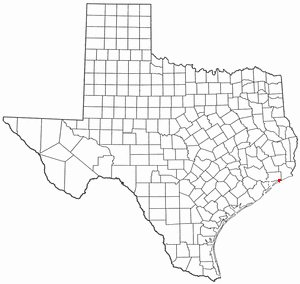
- Primary Crime Scene / Location: Pasadena / Houston Heights, Harris County / High Island, Galveston County / Lake Sam Rayburn, Texas
- Lead Investigating Jurisdictions: Pasadena Police Department, Houston Police Department, Texas Rangers, Harris County Medical Examiner
- Key Forensic Evidence: Twenty-eight skeletal and decomposed bodies recovered from Southwest Boat Storage shed and coastal beaches, torture board with acrylic restraints, glass lime chemical desiccation layers, ballistics matching .22 caliber High Standard pistol
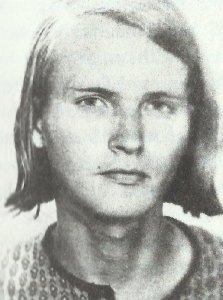
- Suspect(s) / Perpetrator(s): Dean Arnold Corll (33, ‘The Candy Man’, shot dead Aug 8, 1973); Elmer Wayne Henley Jr. (17); David Owen Brooks (18)
- Legal Outcome & Status: Corll killed in self-defense by Henley on August 8, 1973; Henley and Brooks convicted of multiple capital murder counts in 1974–1975, sentenced to 99-year terms
The August 8, 1973 Shootout in Pasadena
At approximately 8:30 a.m. on Wednesday, August 8, 1973, seventeen-year-old Elmer Wayne Henley Jr. placed an urgent telephone call to the Pasadena Police Department from a bungalow at 2020 Lamar Street in Pasadena, Texas. Responding officers arrived to find thirty-three-year-old Dean Arnold Corll lying face down in a pool of blood in his hallway, deceased from six gunshots fired from his own .22 caliber semi-automatic pistol.
Henley confessed to officers that he had shot Corll in self-defense. Henley explained that the previous night, Corll had bound him, along with two other teenagers (twenty-year-old Rhonda Williams and fifteen-year-old Tim Kerley), to a wooden ‘torture board’ with acrylic restraints and threatened to sexually assault and murder them. Managing to persuade Corll to untie his hands, Henley seized Corll’s pistol and shot him during a desperate physical struggle.
However, during subsequent interrogation by Pasadena Police Detective David Mullican, Henley made a shocking revelation that stunned hardened investigators: he stated that Dean Corll had been abducting, torturing, and murdering teenage boys across Houston for over three years, and that he and eighteen-year-old David Brooks had been paid $200 per victim to act as Corll’s accomplices.
The Southwest Boat Storage Excavations
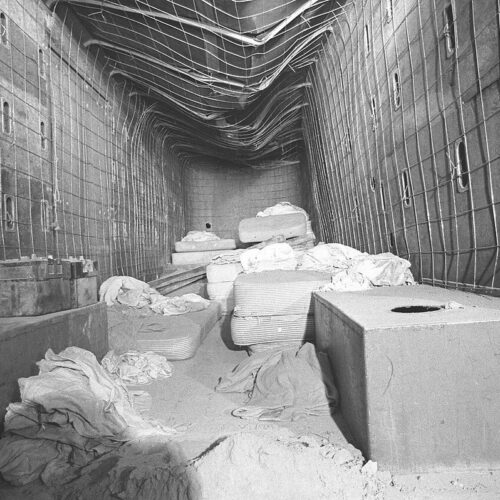
On the afternoon of August 8, 1973, Henley led detectives to Stall No. 11 at the Southwest Boat Storage facility on Silver Bell Road in southwest Houston. Digging through the packed dirt floor beneath an abandoned commercial boat, forensic teams encountered a scene of unimaginable horror.
Over three grueling days of excavation in oppressive ninety-degree heat, Harris County Medical Examiner Dr. Joseph Jachimczyk and forensic anthropology teams unearthed seventeen bodies buried in shallow, overlapping trenches. The corpses had been wrapped in plastic sheeting and blankets, surrounded by thick layers of builder’s lime (calcium hydroxide) placed by Corll in a futile attempt to neutralize decomposition odors and accelerate soft tissue breakdown.
Each victim had been bound hand-and-foot with nylon cords and packing tape, displaying evidence of horrific physical torture. Autopsies confirmed that the primary mechanisms of death were manual strangulation with rope ligatures and close-range gunshot wounds to the head from .22 caliber firearms.
High Island and Lake Sam Rayburn Recoveries
As the excavations in Houston concluded, Elmer Wayne Henley and David Brooks led Texas Rangers and multi-agency search teams to secondary body disposal sites across southeast Texas:
- High Island Beach (Galveston County): In the coastal sand dunes near Bolivar Peninsula, forensic recovery teams excavated six bodies buried in shallow beach graves bordering the Gulf of Mexico.
- Lake Sam Rayburn (San Augustine County): In remote timberlands near Broaddus in East Texas, searchers recovered four additional buried skeletal remains.
- Jefferson County Beach: A final decomposed body was recovered in marshlands near the Chambers County border, bringing the official body count to twenty-eight confirmed victims.
Dr. Jachimczyk coordinated one of the largest mass forensic identification efforts in American history, utilizing dental records, orthopedic surgery serial numbers, and personal effects (including custom belt buckles and rings) to positively identify twenty-seven of the twenty-eight recovered youths.
The Houston Police Runaway Controversy and Trials
The discovery of the bodies sparked immense public fury against the Houston Police Department. For over three years, parents in the working-class Houston Heights neighborhood had reported their sons missing, only to be dismissed by police supervisors who routinely classified the missing teenage boys as voluntary runaways, refusing to launch active homicide inquiries.
David Brooks was tried in 1974, convicted of capital murder in the death of fifteen-year-old William Ray Lawrence, and sentenced to ninety-nine years in prison. In July 1974, Elmer Wayne Henley was tried in San Antonio (following a change of venue), convicted of six counts of capital murder, and sentenced to six consecutive ninety-nine-year terms.
David Brooks died of COVID-19 in a Texas state prison hospital in May 2020 at age sixty-five. Elmer Wayne Henley remains incarcerated at the Mark W. Michael Unit in Tennessee Colony, Texas, having been repeatedly denied parole at every hearing.
Criminological Legacy and Systemic Police Reforms
The Dean Corll mass murders permanently transformed police missing person protocols and juvenile runaway policies throughout the United States. In 1974, the Texas Legislature enacted mandatory missing children reporting laws, requiring police agencies to immediately accept missing youth reports without arbitrary waiting periods.
In forensic psychology, Dean Corll—known as the ‘Candy Man’ because his family operated a confectionery company in the Houston Heights—is studied as a prime example of an organized, dominant sadist who utilized charismatic grooming, financial bribes, and peer intermediaries to create a predatory pipeline of victims.
The Houston Mass Murders led directly to the creation of the Texas Department of Public Safety’s Missing Persons Clearinghouse in 1985 and served as a foundational impetus for the national passage of the Missing Children’s Assistance Act of 1984, ensuring that federal law enforcement never again dismisses missing teenagers as routine runaways.
The forensic recovery operation at the Houston boat storage shed, High Island beaches, and Lake Sam Rayburn was unprecedented in American criminal history. Pathologists under Dr. Joseph Jachimczyk worked tirelessly in severe Texas summer heat, utilizing pioneering methods of forensic odontology, skeletal reconstruction, and radiological comparisons to identify twenty-seven young victims whose bodies had been buried in lime and plastic sheeting. The tragic delay in apprehending Corll underscored severe systemic biases in 1970s policing, where runaway reports filed by working-class families in the Houston Heights neighborhood were systematically dismissed by authorities.
The societal shock of the Houston Mass Murders fundamentally altered community trust and catalyzed the founding of advocacy groups that would eventually establish the National Center for Missing & Exploited Children (NCMEC). The case demonstrated the urgent necessity for centralized computerized tracking of missing juveniles, standardized inter-agency intelligence sharing, and specialized child exploitation investigative units within municipal police departments across the United States.
Chronological Case Timeline
| Date / Milestone | Investigative Development | Forensic / Evidentiary Significance |
|---|---|---|
| 1970–1973 | Dean Corll abducts and murders 28+ youths | Syndicate operates across Houston; victims dismissed as runaways |
| August 8, 1973 (08:30) | Elmer Wayne Henley shoots Dean Corll | Perpetrator killed in self-defense; Henley confesses to police |
| August 8–10, 1973 | 17 bodies found at Southwest Boat Storage | Excavations in shed reveal buried victims coated in lime |
| August 11–13, 1973 | 11 more bodies recovered at High Island and lake | Total confirmed victim count reaches 28 teenage boys |
| July 1974 | Elmer Wayne Henley convicted of murder | Sentenced to six consecutive 99-year terms in San Antonio |
| 1974–1984 | Texas and Congress pass Missing Children Acts | Eliminates runaway waiting periods and creates clearinghouses |
| May 2020 | David Brooks dies in prison | Accomplice dies in custody; Henley remains imprisoned |
Frequently Asked Questions: Forensic & Legal Review
Why was Dean Corll nicknamed ‘The Candy Man’?
Corll’s mother owned and operated the Corll Candy Company in the Houston Heights neighborhood. Corll frequently gave free candy to neighborhood children and teenagers, using the confectionery as a grooming tool to gain trust.
How were the Houston mass murders discovered in August 1973?
Seventeen-year-old accomplice Elmer Wayne Henley shot and killed Dean Corll during an altercation at Corll’s home after Corll handcuffed Henley to a torture board. Henley then surrendered to Pasadena police and led them to the burial sites.
How many victims were recovered and where were they buried?
Twenty-eight bodies were officially recovered: seventeen inside a rented storage stall at Southwest Boat Storage in Houston, six in sand dunes at High Island Beach, four in woods at Lake Sam Rayburn, and one in Jefferson County.
How did the case change law enforcement handling of missing children?
Public outrage over Houston police dismissing the missing boys as runaways catalyzed major reforms, including the elimination of mandatory 24-48 hour waiting periods and the passage of the federal Missing Children’s Assistance Act of 1984.