
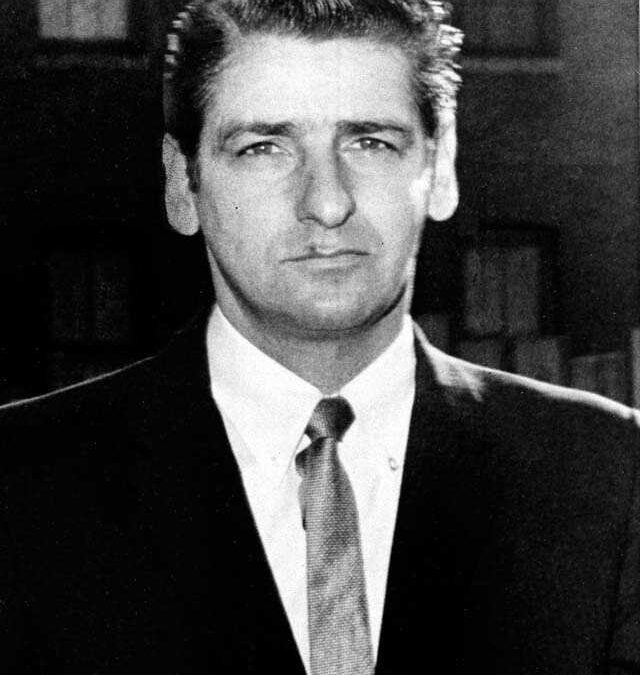
Between June 1962 and January 1964, the strangulation murders of thirteen women inside their locked metropolitan Boston apartments terrorized New England. The Boston Strangler Albert DeSalvo DNA exhumation represents one of the longest and most contentious forensic cold cases in American history, transitioning from controversial 1960s uncorroborated psychiatric confessions to definitive 21st-century Y-STR familial DNA confirmation via exhumation.
Executive Case Factsheet
- Victim(s): Mary Sullivan (19), Anna Slesers (55), Nina Nichols (68), Helen Blake (65), Ida Irga (75), Jane Sullivan (67), Sophie Clark (20), Patricia Bissette (23), Beverly Samans (23), Evelyn Corbin (58), Joann Graff (23), Mary Brown (69), Mary Mullen (85)
- Date of Incident: June 14, 1962 – January 4, 1964
- Primary Crime Scene / Location: Beacon Hill, Back Bay, Roxbury, and greater metropolitan Boston, Massachusetts
- Lead Investigating Jurisdictions: Boston Police Department, Massachusetts State Police, Strangler Special Commission
- Key Forensic Evidence: Silk stocking and cord ligatures tied in decorative bows, seminal fluid on Mary Sullivan blanket, 2013 Y-STR familial DNA match via nephew Tim DeSalvo
- Suspect(s) / Perpetrator(s):
- Legal Outcome & Status: Sentenced to life imprisonment on unrelated armed robbery and sexual assault charges in 1967; murdered inside Walpole State Prison in November 1973; forensic DNA conclusively confirmed in July 2013
The Thirteen Apartment Murders & Silk Stocking Signatures
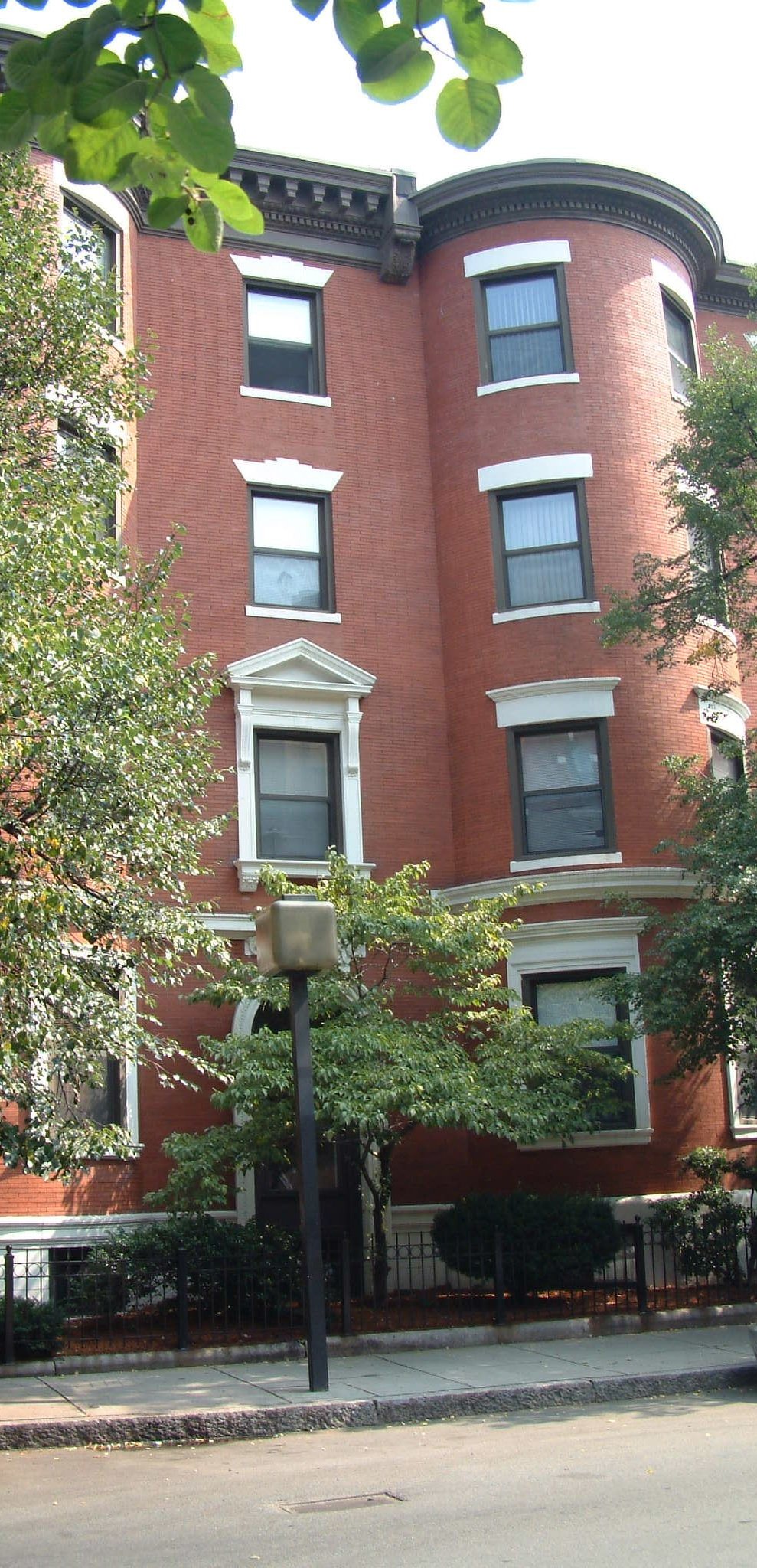
The terror began on June 14, 1962, when fifty-five-year-old seamstress Anna Slesers was discovered strangled with her own bathrobe cord in her third-floor apartment at 77 Gainsborough Street in Boston’s Back Bay. Over the subsequent eighteen months, twelve additional single women—ranging from nineteen-year-old secretaries to eighty-five-year-old retirees—were murdered inside apartments located in Boston, Cambridge, Lawrence, and Lynn.
Boston Police detectives and Massachusetts State Police noted a terrifying operational signature: in nearly every instance, there were zero signs of forced entry, indicating the victims voluntarily admitted an assailant who masqueraded as a maintenance worker, plumber, or building inspector. Inside the apartments, the victims were sexually assaulted, with the killer tying intricate decorative bows around their necks using their own nylon stockings, silk scarves, or drapery cords.
Massachusetts Attorney General Edward Brooke established the ‘Strangler Bureau’, a specialized multi-jurisdictional task force under Assistant Attorney General John Bottomly. Despite interviewing thousands of suspects and deploying the nation’s earliest psychiatric profiling panels, the investigation stalled without a definitive physical match.
The lack of physical evidence generated intense community anxiety across Boston, leading to unprecedented hardware store runs on deadbolt locks, chain guards, and door peepholes throughout Beacon Hill and the Back Bay.
The Green Man, Albert DeSalvo & The F. Lee Bailey Confessions
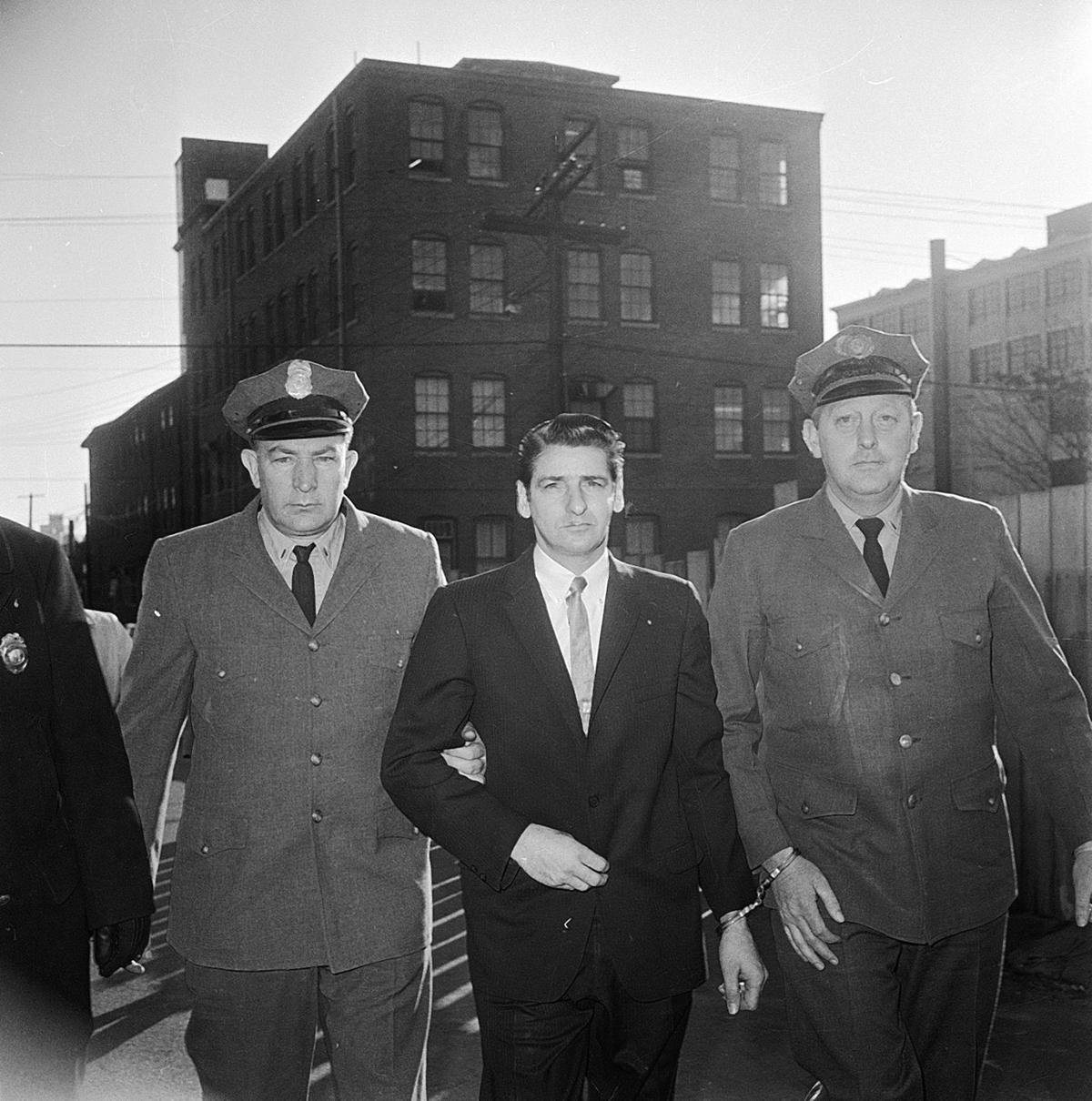
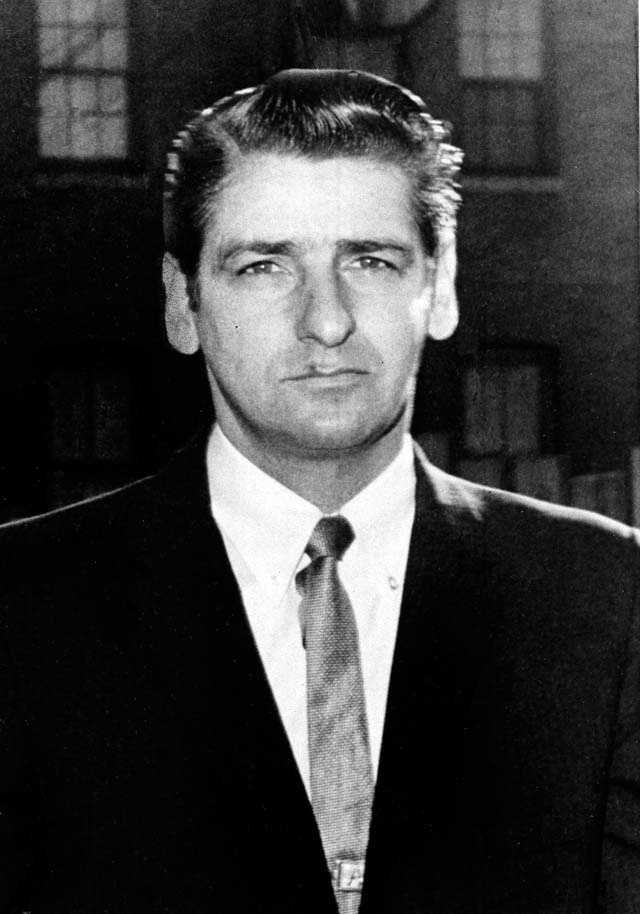
In November 1964, thirty-three-year-old Albert Henry DeSalvo—a married handyman and former military boxer—was arrested for a series of daylight sexual assaults across Massachusetts and Connecticut, known as the ‘Green Man’ or ‘Measuring Man’ incidents. While committed to Bridgewater State Hospital for psychiatric evaluation, DeSalvo confided in fellow inmate George Nassar, claiming he was the notorious Boston Strangler.
Prominent defense attorney F. Lee Bailey took over DeSalvo’s representation, arranging confidential interviews with John Bottomly. DeSalvo delivered over fifty hours of recorded confessions, describing intimate architectural layouts, specific ligature knots, and interior apartment furniture arrangements across all thirteen crime scenes.
However, significant evidentiary discrepancies emerged: DeSalvo provided incorrect details regarding victim ages and room layouts in several cases, and not a single fingerprint or biological trace from DeSalvo had been identified at any 1960s crime scene. Because prosecutors lacked corroborating physical evidence, DeSalvo was tried and convicted in 1967 solely for the Green Man armed robberies and sexual assaults, receiving a life sentence.
Legal historians note that Bailey’s primary strategy was to secure an insanity verdict that would transfer DeSalvo to a mental institution for scientific study rather than facing execution in the electric chair.
The 2013 Mary Sullivan DNA breakthrough stands as a milestone in historical forensic genetics. Prior to this testing, legal scholars and forensic historians had debated for nearly fifty years whether Albert DeSalvo was a serial confessor coached by fellow inmates or the genuine perpetrator behind the string of Boston strangulations. By isolating degraded Y-STR DNA from biological semen stains preserved on Sullivan’s blanket and matching it with 99.99% certainty to DeSalvo’s exhumed femur and dental root standards, forensic biologists resolved decades of evidentiary doubt, establishing a model for testing cold-case biological repositories globally.
The 1973 Walpole Prison Homicide & Decades of Skepticism
On November 25, 1973, Albert DeSalvo was found stabbed to death in the infirmary of the maximum-security Massachusetts Correctional Institution at Walpole (now MCI-Cedar Junction), six years into his life sentence. His killer was never convicted, and DeSalvo died without ever facing formal murder charges for the Strangler homicides.
For four decades, investigative journalists, forensic pathologists, and surviving victim families questioned DeSalvo’s guilt. Prominent profilers, including FBI Special Agent Robert Ressler, argued that the Boston Strangler was not a single individual, but rather the work of multiple distinct serial offenders whose crimes had been mistakenly grouped together by the Strangler Bureau.
In 2001, forensic scientist Professor James Starrs of George Washington University conducted an independent exhumation of nineteen-year-old final victim Mary Sullivan (murdered in Charles Street, Beacon Hill on January 4, 1964). Initial mitochondrial DNA analysis on preserved forensic swabs failed to match DeSalvo, intensifying public doubt regarding the official state narrative.
Sullivan’s family filed wrongful death lawsuits and continued advocacy campaigns demanding that the Commonwealth of Massachusetts deploy modern technological methods to definitively identify or clear DeSalvo.
The 2013 Y-STR Familial DNA Breakthrough & Exhumation
In 2013, the Boston Police Cold Case Squad and Suffolk County District Attorney Daniel Conley reopened the Mary Sullivan homicide, utilizing revolutionary advances in Y-chromosome short tandem repeat (Y-STR) forensic analysis. Criminalists from the Boston Police Crime Laboratory retrieved seminal fluid stains preserved on a blanket and ligature fabric seized from Sullivan’s Beacon Hill bedroom in 1964.
Undercover Massachusetts State Police detectives conducted covert surveillance on Albert DeSalvo’s nephew, Timothy DeSalvo, recovering a discarded water bottle from a public recycling bin. Boston Police DNA analysts extracted Y-STR markers from the water bottle, revealing an astonishing 99.9% statistical familial match to the seminal DNA recovered from Mary Sullivan’s murder scene.
Armed with this probable cause, Suffolk Superior Court Judge Douglas Wilkins authorized the exhumation of Albert DeSalvo’s body from Puritan Memorial Park in Peabody. On July 12, 2013, forensic pathologists extracted bone and tooth marrow specimens from DeSalvo’s skeletal remains.
The forensic protocol required stringent chain-of-custody documentation and sterile extraction techniques to prevent contamination of the half-century-old degraded biological matrix.
Definitive Scientific Confirmation & The Legacy of the Boston Strangler
On July 19, 2013, Massachusetts Attorney General Martha Coakley and District Attorney Daniel Conley announced the final laboratory results: the DNA extracted directly from Albert DeSalvo’s exhumed femur matched the seminal profile on Mary Sullivan’s crime scene blanket with a statistical certainty of 1 in 220 million of the Caucasian male population.
The definitive DNA match resolved fifty years of forensic ambiguity, scientifically validating Albert DeSalvo’s confession regarding the murder of Mary Sullivan. While biological evidence was unavailable to test the remaining twelve historical cases due to 1960s evidence preservation limitations, the physical confirmation established DeSalvo as an authenticated predatory serial killer.
The Boston Strangler investigation stands as a milestone in criminal justice history, demonstrating the power of modern familial Y-STR technology to extract conclusive forensic answers from half-century-old cold case archives.
The resolution brought long-awaited closure to the Sullivan family and validated the tireless efforts of cold case investigators who refused to let historical evidence fade into permanent obscurity.
Chronological Case Timeline
| Date / Milestone | Investigative Development | Forensic / Evidentiary Significance |
|---|---|---|
| June 14, 1962 | Anna Slesers murdered at 77 Gainsborough St | First Boston Strangler homicide discovered in Back Bay |
| January 4, 1964 | Mary Sullivan murdered in Beacon Hill | Final victim discovered; seminal evidence preserved on blanket |
| November 1964 | Albert DeSalvo arrested as ‘Green Man’ | Confides Strangler confessions to inmate George Nassar |
| January 1967 | DeSalvo sentenced to life at Walpole Prison | Convicted of armed robberies; never charged with Strangler murders |
| November 25, 1973 | Albert DeSalvo stabbed to death in prison | Dies at age 42 inside Walpole infirmary |
| July 12, 2013 | DeSalvo’s body exhumed from Peabody cemetery | Femur bone extracted following nephew familial DNA match |
| July 19, 2013 | DNA conclusively confirms DeSalvo as killer | 1 in 220 million match to Mary Sullivan crime scene DNA |
Frequently Asked Questions: Forensic & Legal Review
How was Albert DeSalvo conclusively proven to be the Boston Strangler in 2013?
Forensic scientists at the Boston Police Crime Laboratory used advanced Y-STR DNA analysis to test seminal fluid stains preserved on a blanket from Mary Sullivan’s 1964 crime scene. After matching a discarded water bottle from DeSalvo’s nephew, authorities exhumed DeSalvo’s skeletal remains, proving an exact 1 in 220 million DNA match.
Why was Albert DeSalvo never prosecuted for the Strangler murders in the 1960s?
In the 1960s, Massachusetts prosecutors lacked physical evidence—such as fingerprints, blood typing, or DNA—linking DeSalvo to the scenes. Furthermore, his uncorroborated confessions contained multiple factual inaccuracies, leading prosecutors to convict him solely on unrelated armed robbery and sexual assault charges.
Are all 13 Boston Strangler murders officially closed?
The 2013 DNA match definitively solved the final murder of nineteen-year-old Mary Sullivan. However, because biological evidence from the earlier twelve victims was lost, degraded, or not preserved using modern forensic standards, those cases remain historically attributed to DeSalvo but legally closed based on confession analysis.