On the night of November 15, 1959, the brutal shotgun execution of a respected farming family inside their secluded homestead in Holcomb, Kansas, shattered the rural innocence of the American heartland. The Clutter family murders Holcomb Kansas became the foundation for Truman Capote’s groundbreaking 1966 non-fiction masterpiece In Cold Blood. Beyond its literary immortality, the case was a landmark in forensic criminalistics, demonstrating how Kansas Bureau of Investigation (KBI) detectives utilized microscopic footwear impression matching, prison informant intelligence, and meticulous interrogation to solve an apparently motiveless quadruple homicide.
Executive Case Factsheet
- Victim(s): Herbert William Clutter (48), Bonnie Mae Fox Clutter (45), Nancy Mae Clutter (16), Kenyon Neal Clutter (15)
- Date of Incident: November 15, 1959
- Primary Crime Scene / Location: River Valley Farm, Holcomb, Finney County, Kansas
- Lead Investigating Jurisdictions: Kansas Bureau of Investigation (KBI), Finney County Sheriff’s Office
- Key Forensic Evidence: Forensic blood-transfer footprint impressions matching Cat’s Paw rubber soles and Wingfoot diamond patterns, 12-gauge Savage-Stevens shotgun shells, nylon cord ligatures, radio/binoculars stolen
- Suspect(s) / Perpetrator(s):
- Legal Outcome & Status: Convicted of four counts of first-degree murder in March 1960; executed by hanging at the Kansas State Penitentiary in April 1965
The Sunday Morning Discovery at River Valley Farm
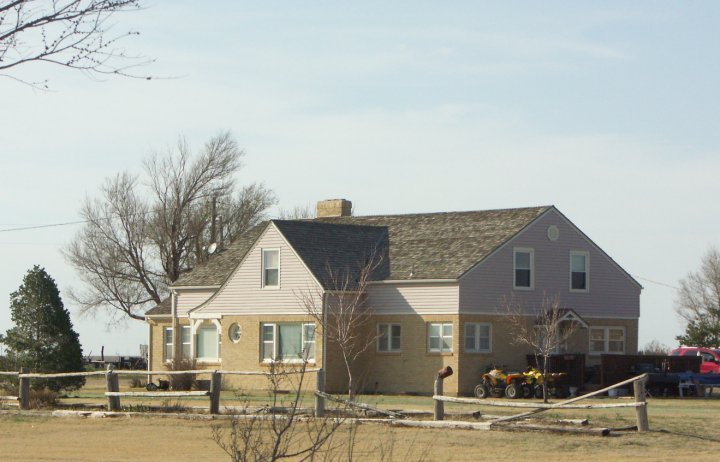
On Sunday morning, November 15, 1959, two teenage neighbor girls, Nancy Ewalt and Susan Kidwell, arrived at the sprawling, manicured Clutter residence at River Valley Farm in Holcomb to accompany sixteen-year-old Nancy Clutter to the First Methodist Church. Finding the doors unlocked and receiving no response to their calls, the girls entered the residence and discovered Nancy lying dead in her bed, covered with blankets.
Finney County Sheriff Earl Robinson and KBI Lead Special Agent Alvin Dewey Jr. secured the residence, uncovering a scene of calculated, methodical slaughter across four separate rooms. Respected wheat farmer Herbert Clutter was found in the furnace room of the basement, his throat slashed and his head destroyed by a close-range shotgun blast, hanging by a rope tied to an overhead water pipe. In an adjacent basement room, fifteen-year-old Kenyon Clutter lay bound to a sofa, shot in the face. Upstairs in their respective bedrooms, forty-five-year-old Bonnie Clutter and sixteen-year-old Nancy Clutter were tied hand-and-foot to their beds and executed with shotgun blasts to the head.
The total financial plunder taken by the killers was less than fifty dollars in cash, a portable transistor radio, and a pair of binoculars. The community of Holcomb and the neighboring city of Garden City plunged into immediate terror, believing a local lunatic was stalking rural households.
Forensic Footwear Impressions and Physical Evidence
KBI criminalist Richard Rohleder conducted exhaustive forensic photography of the crime scene using specialized side-lighting techniques. Despite the killers’ efforts to avoid leaving fingerprints, Rohleder isolated two pristine latent footwear impressions stamped in Herbert Clutter’s blood on the cardboard mattress pad in the furnace room.
One impression revealed the distinctive circular rubber suction cup design of a ‘Cat’s Paw’ shoe sole, including microscopic nicks and wear patterns unique to a specific shoe. The second impression displayed the raised diamond tread pattern of a Goodyear ‘Wingfoot’ sole. Rohleder preserved the impressions with life-size 1:1 photographic scales.
Ballistics experts retrieved spent 12-gauge paper shotgun hulls and Winchester cardboard wads from the bodies. Physical analysis of the white nylon cord used to bind the victims confirmed it was an uncommon brand not sold in western Kansas, establishing that the perpetrators had brought their restraint materials from an outside metropolitan market.
The Prison Informant and the Las Vegas Manhunt
The breakthrough occurred in late November 1959 when Floyd Wells, an inmate at the Kansas State Penitentiary in Lansing, contacted authorities after hearing news of the murders. Wells revealed that he had formerly worked as a farmhand for Herb Clutter and had shared a prison cell with paroled burglar Richard ‘Dick’ Hickock. Wells had foolishly told Hickock that Clutter was an extraordinarily wealthy cattleman who kept a large steel safe containing $10,000 in cash inside his home office—a completely false myth.
KBI Agent Alvin Dewey immediately identified Hickock and his parolee associate, thirty-one-year-old Perry Edward Smith. KBI agents launched a multi-state federal dragnet, tracing the suspects across Kansas, Missouri, Mexico, California, and Nevada through bad checks and stolen vehicle registrations.
On December 30, 1959, Las Vegas police officers spotted Hickock’s stolen black 1949 Chevrolet sedan and arrested both men on outstanding parole warrants. Inside the trunk, detectives recovered the stolen Zenith transistor radio and binoculars belonging to the Clutter family.
The Confessions and Cat’s Paw Footprint Matching
During separate interrogations in Las Vegas by KBI Agents Alvin Dewey, Harold Nye, Roy Church, and Clarence Duntz, Hickock and Smith initially maintained an alibi of picking up prostitutes in Fort Scott. However, Agent Dewey delivered the decisive psychological blow by confronting Hickock with high-resolution photographic enlargements of the Cat’s Paw bloody footprint, proving it matched the boots seized directly from Perry Smith’s luggage.
Hickock broke first, weeping and blaming Smith: ‘Perry killed them all. He shot Herb, then he went upstairs and shot the rest.’ Confronted with Hickock’s betrayal, Perry Smith delivered a full, chilling confession during the car ride back to Garden City. Smith admitted that upon discovering Herb Clutter had no safe, they decided to ‘leave no witnesses’. Smith admitted cutting Herb Clutter’s throat and shooting all four family members, expressing remorse only for the young girl Nancy.
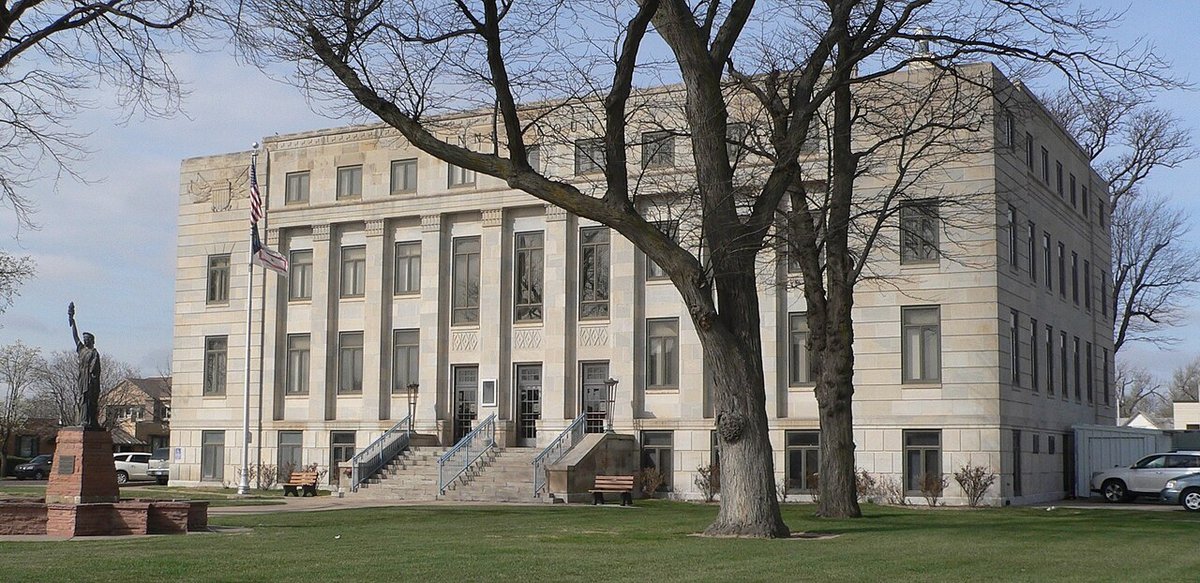
The six-day murder trial took place in March 1960 at the Finney County Courthouse in Garden City before Judge Roland Tate. Defense attorneys attempted to introduce psychiatric testimony regarding severe childhood trauma, organic brain damage suffered by Perry Smith in a motorcycle accident, and the shared delusional psychosis that characterized the criminal partnership between Hickock and Smith. However, under the strict M’Naghten legal sanity standard then enforced in Kansas, the court ruled that both defendants fully understood the nature and wrongfulness of their actions at the time of the killings. The jury took only forty minutes of deliberation to convict both men of four counts of first-degree murder, sentencing them to death by hanging.
The physical exhibits presented by the prosecution—including the bloodstained mattress pad bearing the distinct Cat’s Paw impression, the 1:1 photographic enlargements, and the seized boots with matching micro-striations—served as an unassailable evidentiary fortress that left no room for reasonable doubt.
Appeals, Execution & The Birth of the True Crime Genre
Following five years of legal appeals challenging procedural due process and psychiatric sanity evaluations under the M’Naghten rule, the United States Supreme Court denied certiorari. In the early morning hours of April 14, 1965, Dick Hickock and Perry Smith were executed on the gallows at the Kansas State Penitentiary in Lansing, with Alvin Dewey and Truman Capote in attendance.
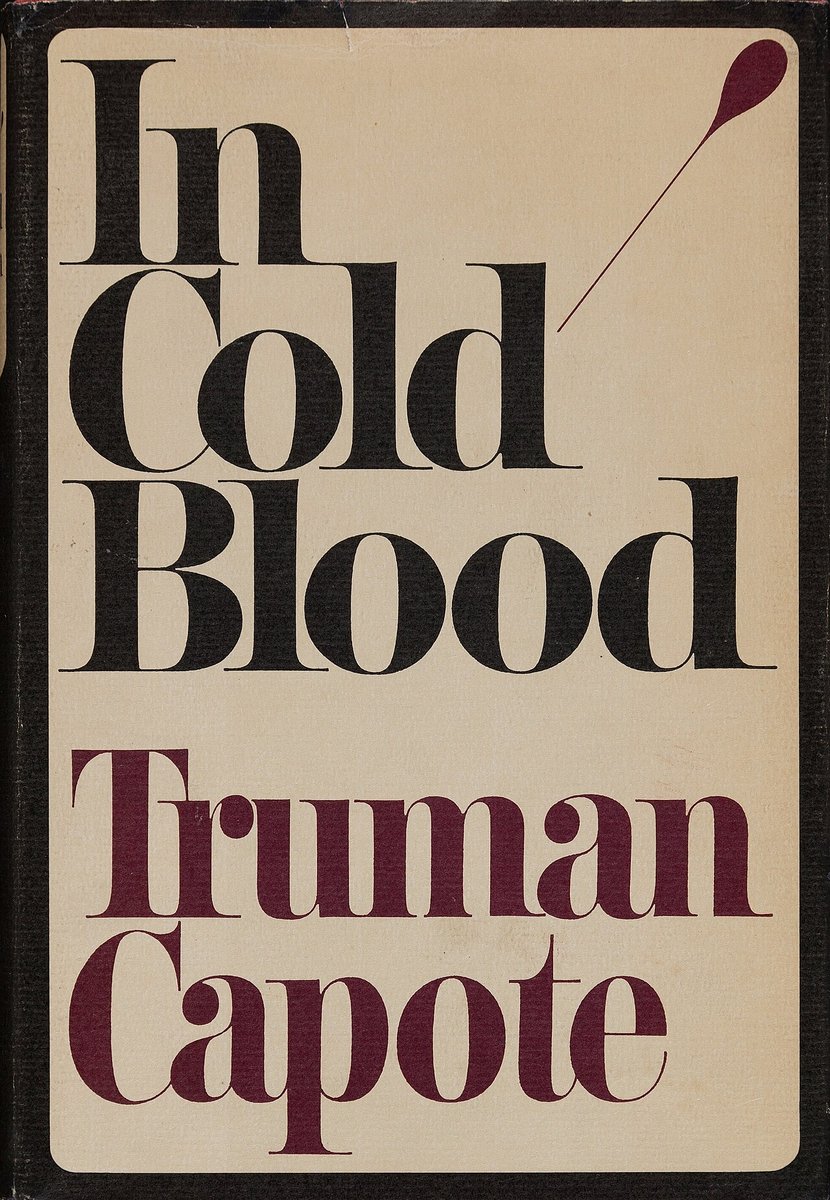
Truman Capote’s resulting 1966 book In Cold Blood created the modern literary genre of the ‘non-fiction novel’ and established the template for narrative investigative journalism. The forensic methodologies applied by the KBI—specifically the integration of 1:1 forensic footwear macro-photography and tactical behavioral interrogation—remain benchmark historical case studies in American law enforcement academies.
Chronological Case Timeline
| Date / Milestone | Investigative Development | Forensic / Evidentiary Significance |
|---|---|---|
| November 15, 1959 | Four Clutter family members found executed | River Valley Farm massacre discovered; KBI launches probe |
| November 1959 | Richard Rohleder photographs bloody footprints | Isolates Cat’s Paw and Wingfoot diamond sole impressions |
| November 25, 1959 | Prison informant Floyd Wells contacts KBI | Reveals Hickock’s safe myth; identifies Smith and Hickock |
| December 30, 1959 | Suspects arrested in Las Vegas, NV | Stolen radio, binoculars, and murder boots recovered |
| January 2, 1960 | Perry Smith delivers full confession | Admits shooting all four victims after alibi collapses |
| March 29, 1960 | Jury sentences Hickock and Smith to death | Convicted of 4 counts of 1st-degree murder in Garden City |
| April 14, 1965 | Hickock and Smith executed by hanging | Sentences carried out at Kansas State Penitentiary in Lansing |
Frequently Asked Questions: Forensic & Legal Review
Why were the Clutters targeted for murder in 1959?
Dick Hickock was misled by former farmhand and fellow inmate Floyd Wells, who claimed Herb Clutter kept a large steel safe containing $10,000 in cash in his home. In reality, Clutter never kept large sums of cash and had no safe.
What physical evidence broke the Clutter murder investigation?
KBI forensic photographer Richard Rohleder captured 1:1 scale photographs of a bloody ‘Cat’s Paw’ rubber boot footprint left on a mattress pad near Herb Clutter’s body. When police arrested Perry Smith in Las Vegas, the boots in his luggage provided an exact microscopic match.
How did Truman Capote become involved in the investigation?
Author Truman Capote traveled to Kansas for The New Yorker alongside childhood friend Harper Lee shortly after the murders. Over six years, Capote conducted hundreds of hours of interviews with KBI detectives and the killers, publishing In Cold Blood in 1966.
What were the executions of Perry Smith and Dick Hickock?
After five years of appeals, both men were executed by hanging at the Kansas State Penitentiary in Lansing on the gallows known as ‘The Warehouse’ on April 14, 1965.