
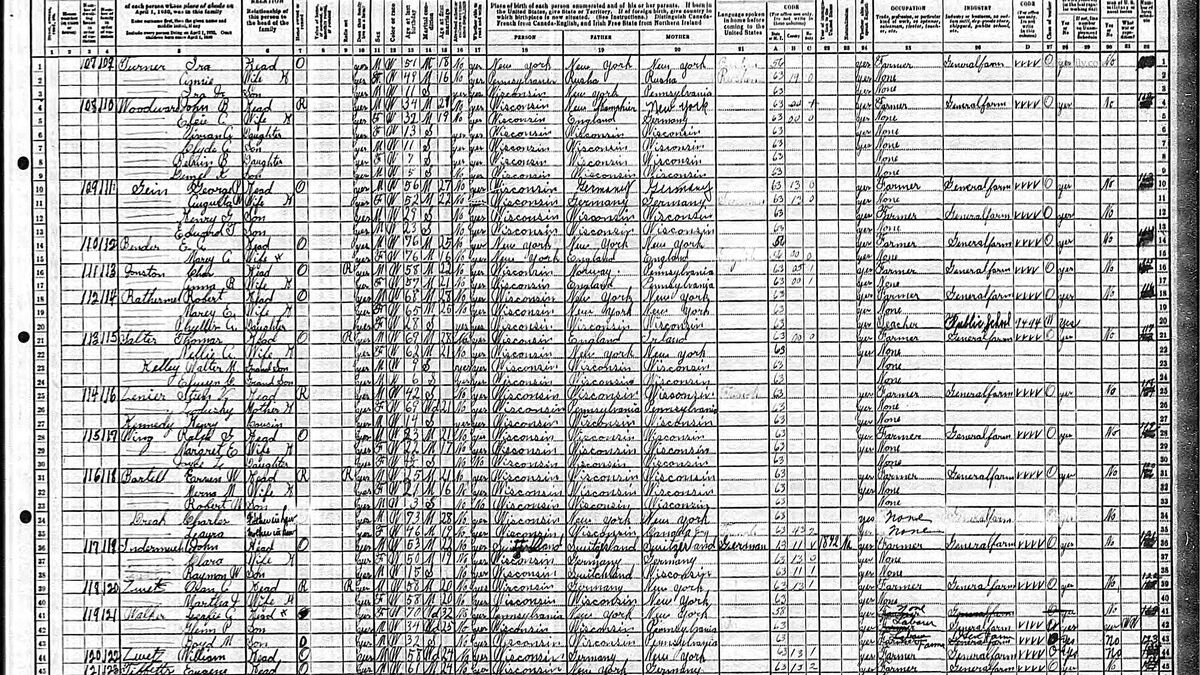
On the bitterly cold evening of November 16, 1957, local sheriff’s deputies entering a decrepit, unlit farmhouse outside Plainfield, Wisconsin, stumbled into an unfathomable chamber of horrors that redefined the boundaries of forensic psychiatry. The Ed Gein Plainfield ghoul forensic investigation Wisconsin uncovered a nocturnal campaign of grave exhumation, anatomical mutilation, and murder that inspired iconic psychological archetypes in cinema, including Psycho, The Texas Chain Saw Massacre, and The Silence of the Lambs.
Executive Case Factsheet
- Victim(s): Mary Hogan (51), Bernice Worden (58); at least 9 exhumed human remains from local cemeteries
- Date of Incident: December 8, 1954 – November 16, 1957
- Primary Crime Scene / Location: Plainfield, Waushara County, central Wisconsin
- Lead Investigating Jurisdictions: Waushara County Sheriff’s Office, Wisconsin State Crime Laboratory
- Key Forensic Evidence: Disemboweled body of Bernice Worden in summer kitchen, .22 Savage rifle, skull bowls, human skin furnishings, exhumation confirmations at Plainfield Cemetery
- Suspect(s) / Perpetrator(s):
- Legal Outcome & Status: Found criminally insane and incompetent to stand trial in January 1958; retried and found guilty of first-degree murder in November 1968 but returned to mental institution; died at Mendota Mental Health Institute in July 1984
The Disappearance of Bernice Worden & The Farmhouse Search
On the morning of Saturday, November 16, 1957, Frank Worden, deputy sheriff of Waushara County, returned from deer hunting to find the family hardware store in downtown Plainfield empty. Blood was pooled on the floor near the cash register, Bernice Worden was missing, and the store’s sales ledger recorded the final transaction of the morning: a half-gallon of antifreeze sold to local recluse Edward Gein.
Waushara County Sheriff Art Schley and deputies drove to Gein’s secluded 160-acre homestead on the outskirts of Plainfield. Finding the house locked and dark, officers entered through the summer kitchen using flashlights. In the pitch darkness, Sheriff Schley brushed against a suspended object: the headless, eviscerated body of fifty-eight-year-old Bernice Worden, hung upside down from the ceiling joists by meat hooks and dressed out like a slaughtered deer.
State Crime Laboratory criminalists and state troopers converged on the farm, cordoning off the perimeter as word of the macabre discovery spread throughout rural Wisconsin.
Gein was intercepted hours later at a neighbor’s home in West Plainfield, where he was eating dinner, and placed under immediate arrest without offering physical resistance.
The Forensic Processing of the Plainfield Farmhouse
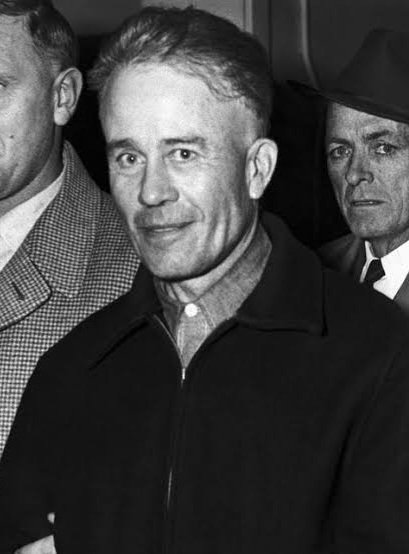
Investigators from the Wisconsin State Crime Laboratory in Madison conducted an exhaustive, multi-day processing of the farmhouse, uncovering an unprecedented anatomical collection. Inside the cluttered, unheated rooms, criminalists recovered bowls fashioned from sawed human craniums, armchairs upholstered in human skin, masks crafted from preserved female facial tissue, and a belt crafted from female nipples.
Detectives also recovered the severed head and internal organs of Bernice Worden inside a burlap sack, alongside a cardboard box containing the skull and facial remains of tavern owner Mary Hogan, who had mysteriously disappeared from nearby Pine Grove in December 1954.
Forensic anthropologists meticulously cataloged the osteological remains, determining that the bones, skulls, and skin fragments belonged to at least fifteen distinct female bodies. Gein maintained that with the exception of Worden and Hogan, all other human specimens had been systematically exhumed from local cemeteries during nocturnal grave robberies.
Pathologists determined that Gein’s morbid fixation was driven by intense psychosexual grief following the December 1945 death of his fanatically religious mother, Augusta Gein, whose preserved bedroom was kept immaculate while the rest of the house decayed into squalor.
The legacy of Edward Gein fundamentally redefined forensic psychiatry and bio-hazardous crime scene recovery. Criminologists and psychiatric evaluators at Central State Hospital observed that Gein’s severe necrophilic fetishism, transvestic psychosis, and maternal fixation were directly precipitated by intense social isolation and extreme religious indoctrination. The physical artifacts cataloged during the 1957 Waushara County farm search influenced the evolution of forensic evidence classification protocols for bio-hazardous crime scenes, while Gein’s pathology became the prototype for iconic psychological horror literature.
The Cemetery Exhumations & Forensic Corroboration
To verify Gein’s claims that he had not committed dozens of unsolved regional homicides, Waushara County authorities ordered the exhumation of graves identified by Gein at the Plainfield Cemetery. State Crime Laboratory personnel exhumed the grave of Eleanor Adams, discovering an empty casket bearing clear saw markings and jimmy-bar prying trauma.
A second exhumation of the grave of Mabel Eiche confirmed that the casket had been breached from above and the upper torso removed, perfectly corroborating Gein’s detailed confessions regarding his nocturnal cemetery raids between 1947 and 1952.
Forensic analysis established that Gein visited the cemetery in a semi-trance state on moonlit nights, selecting freshly buried graves of middle-aged women who bore a physical resemblance to his deceased mother.
These exhumation findings cleared Gein of involvement in several multi-state missing persons cold cases, isolating his criminal conduct to two localized homicides and approximately nine documented grave desecrations.
During post-conviction medical evaluations at the Central State Hospital for the Criminally Insane in Waupun, Wisconsin, a distinguished psychiatric panel led by Dr. Edward Schubert conducted comprehensive psycho-diagnostic testing. Evaluators noted that Gein’s obsessive grave exhumations were driven by profound maternal grief and an overpowering compulsion to recreate his deceased mother, Augusta. Gein systematically targeted newly buried female graves in Plainfield Cemetery, selecting subjects whose physical dimensions closely matched Augusta’s body. The physical preservation methods Gein utilized—including salt tanning, crude formaldehyde preservation, and anatomical framing—demonstrated rudimentary taxidermy knowledge, horrifying the medical community and becoming a definitive reference point in violent necrophilic fetishism.
Psychiatric Evaluation at Central State Hospital
In December 1957, Gein was transferred to Central State Hospital for the Criminally Insane in Waupun for comprehensive psychiatric evaluation. Clinical examinations conducted by state psychiatrists Dr. Edward Schubert and Dr. Harold Borenstein diagnosed Gein with chronic schizophrenia, severe mother-fixation psychosis, and emotional regression.
On January 6, 1958, Waushara County Judge Robert H. Gollmar ruled that Edward Gein was mentally incompetent to understand the charges against him or assist in his legal defense, committing him indefinitely to Central State Hospital.
In March 1958, while Gein was institutionalized, his Plainfield farmhouse and outbuildings were destroyed in a suspicious fire. The property was subsequently sold at public auction, with the land replanted with pine trees to deter morbid curiosity seekers.
During his decade of institutionalization, Gein was noted as an exceptionally quiet, cooperative, and model patient who assisted with hospital laundry and custodial maintenance.
The 1968 Bench Trial, Mendota Hospital & Cultural Impact
In November 1968, doctors determined that Gein’s mental condition had stabilized sufficiently to stand trial. In a non-jury bench trial before Judge Robert Gollmar at the Waushara County Courthouse, Gein was found guilty of first-degree murder in the death of Bernice Worden.
However, during the second sanity phase of the trial, Judge Gollmar ruled that Gein was legally insane at the time of the offense under Wisconsin law, ordering him recommitted to Central State Hospital and later transferred to Mendota Mental Health Institute in Madison.
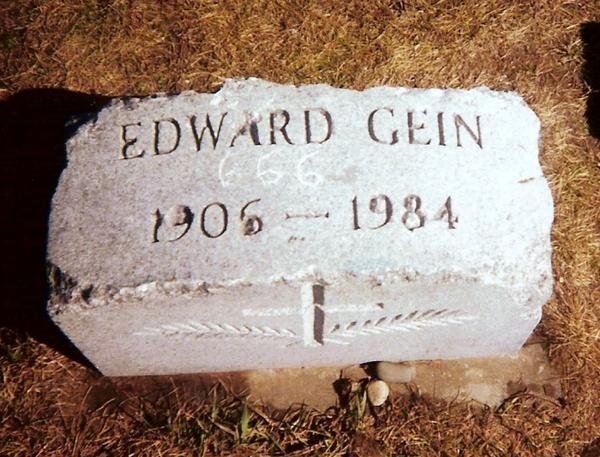
Edward Gein died of respiratory failure and lung cancer at Mendota on July 26, 1984, at age seventy-seven, and was buried in an unmarked grave next to his mother in Plainfield Cemetery.
The Ed Gein investigation remains a foundational case study in forensic necrophilia, rural crime scene management, and the profound influence of severe psychotic bereavement on homicidal pathology.
Chronological Case Timeline
| Date / Milestone | Investigative Development | Forensic / Evidentiary Significance |
|---|---|---|
| December 8, 1954 | Mary Hogan vanishes from Pine Grove tavern | Early unsolved homicide linked to Gein in 1957 |
| November 16, 1957 | Bernice Worden murdered; farmhouse searched | Eviscerated body discovered; Gein arrested |
| November 17–20, 1957 | Crime lab processes anatomical remains | Skulls, human skin furnishings cataloged by crime lab |
| November 25, 1957 | Plainfield Cemetery exhumations corroborate raids | Empty breached caskets confirm grave robbing admissions |
| January 6, 1958 | Gein ruled incompetent to stand trial | Committed indefinitely to Central State Hospital in Waupun |
| November 14, 1968 | Gein convicted of murder; ruled legally insane | Bench trial in Waushara County commits him to Mendota |
| July 26, 1984 | Edward Gein dies at Mendota Mental Health Institute | Buried in Plainfield Cemetery at age 77 |
Frequently Asked Questions: Forensic & Legal Review
What did police find inside Ed Gein’s Plainfield farmhouse in 1957?
Deputies discovered the eviscerated body of Bernice Worden suspended in the summer kitchen, alongside sawed skull bowls, chairs upholstered in human skin, masks crafted from female facial tissue, and severed body parts belonging to tavern keeper Mary Hogan and at least nine exhumed cemetery bodies.
Was Ed Gein convicted of serial murder?
Legally, Ed Gein was convicted of one count of first-degree murder for the death of Bernice Worden, and confessed to killing Mary Hogan. The majority of the human remains in his home were proven by cemetery exhumations to have been stolen from local graves rather than additional homicide victims.
How did the Ed Gein case influence popular culture and cinema?
Gein’s bizarre psychosexual mother fixation, cross-dressing in human skin, and rural slaughterhouse farmhouse inspired iconic fictional horror figures including Norman Bates in Robert Bloch’s novel and Alfred Hitchcock’s film ‘Psycho’, Leatherface in ‘The Texas Chain Saw Massacre’, and Buffalo Bill in ‘The Silence of the Lambs’.