Between 1971 and 1983, a mild-mannered bakery owner in Anchorage, Alaska, operated as one of the most prolific and methodical serial predators in North American history. The Robert Hansen Butcher Baker Alaska aviation manhunt unraveled a horrifying hunting ritual where abducted women were flown into the trackless Alaskan wilderness aboard a private bush plane and hunted down like big game, solved through pioneering FBI behavioral profiling, aeronautical navigation forensics, and ballistics matching.
Executive Case Factsheet
- Victim(s): At least 17 murdered women (including Sherry Morrow, Paula Goulding, Andrea Altiery, Eklutna Annie); Cindy Paulson (escaped survivor)
- Date of Incident: 1971 – 1983
- Primary Crime Scene / Location: Anchorage, Knik River, Matanuska Valley, and remote Alaskan bush country
- Lead Investigating Jurisdictions: Alaska State Troopers, Anchorage Police Department, Federal Bureau of Investigation (FBI)
- Key Forensic Evidence: Ruger .223 Mini-14 rifle and .22-caliber Thompson Center Contender pistol ballistics, aviation logbooks and marked sectional aeronautical maps, Cindy Paulson eyewitness testimony
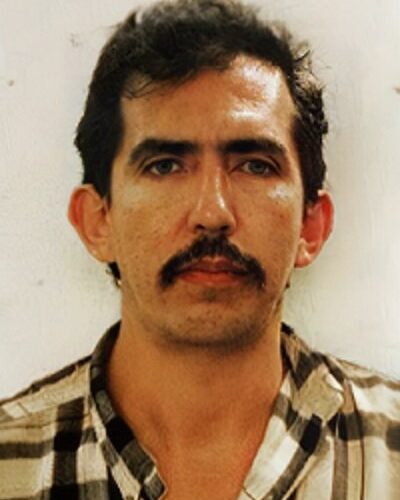
- Suspect(s) / Perpetrator(s):
- Legal Outcome & Status: Pleaded guilty in February 1984 to four counts of murder and multiple felonies; sentenced to 461 years plus life imprisonment without parole; died in prison in August 2014
The Cindy Paulson Escape & The Fourth Avenue Underworld
The breakthrough occurred on the morning of June 13, 1983, when seventeen-year-old Cindy Paulson flagged down an Anchorage patrol car while running barefoot and handcuffed along 6th Avenue. Paulson told officers she had been abducted at gunpoint from Fourth Avenue, taken to a residence where she was tortured and sexually assaulted, and transported to Merrill Field airport.
Paulson stated her captor was loading her into a blue-and-white single-engine bush plane to fly her into the wilderness when he became momentarily distracted while loading the cargo bay, allowing her to leap from the passenger door and sprint onto the street.
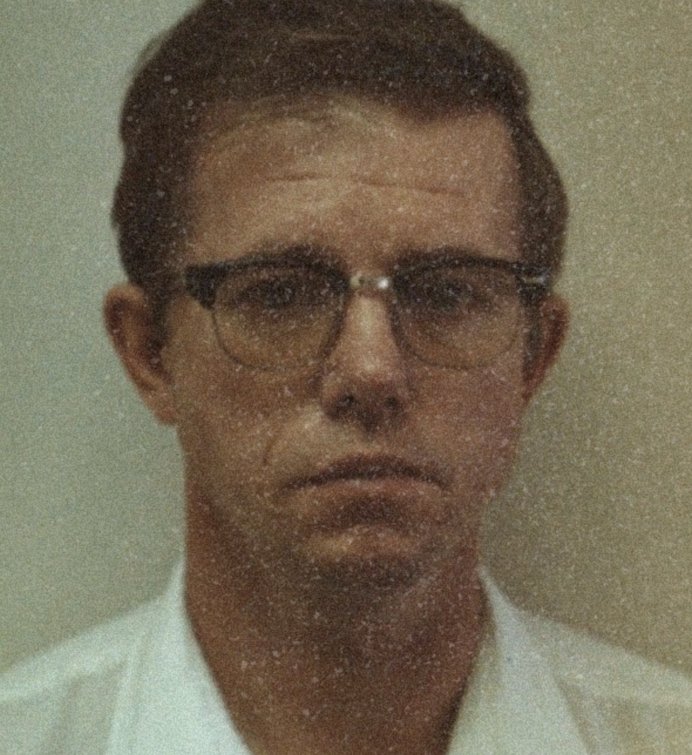
Paulson identified her assailant’s home and described his blue-and-white Piper Super Cub aircraft. Detectives traced the home to forty-four-year-old Robert Christian Hansen, a respected local businessman who operated the successful Baker’s Pastry Shop on Northern Lights Boulevard.
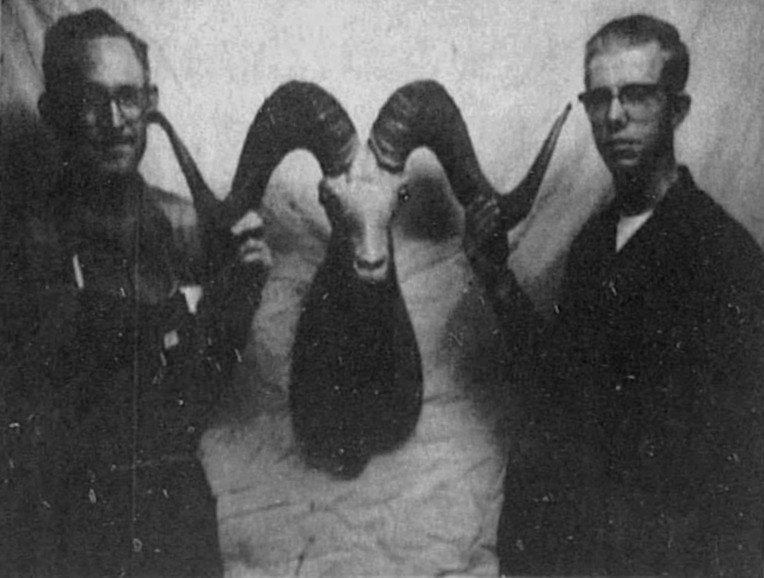
When questioned, Hansen provided a seamless alibi corroborated by two local friends, claiming Paulson was attempting to extort money from him. Because Hansen was a married father, church member, and champion big-game bowhunter with no prior violent felony record in Alaska, local detectives initially declined to press charges.
The FBI Behavioral Profile & The Aviation Forensic Search
Alaska State Trooper Detective Glenn Flothe refused to close the file. Reviewing cold case disappearances of young women working in Anchorage’s Fourth Avenue entertainment strip, Flothe discovered a pattern of over a dozen missing dancers and sex workers dating back to the early 1970s.
Trooper Flothe partnered with FBI Special Agent John Douglas of the Behavioral Science Unit in Quantico, Virginia. Douglas formulated a groundbreaking psychological profile: the killer was an experienced hunter with a stutter, low self-esteem, deep resentment toward attractive women, and an obsessive need for control who utilized private aviation to transport victims to inaccessible wilderness hunting grounds.
Armed with Douglas’s profile and Paulson’s testimony, on October 27, 1983, Alaska State Troopers and FBI agents executed simultaneous search warrants on Hansen’s home at 4710 Old Seward Highway, his bakery, and his airplane hangar at Merrill Field.
In a hidden attic crawl space behind a false wall, troopers discovered a cache of firearms, jewelry belonging to missing women, and an FAA aeronautical sectional flight map containing over twenty hand-drawn ‘X’ marks scattered across the Matanuska-Susitna Valley.
The apprehension of Robert Hansen stands as one of the most sophisticated operations in the history of the Federal Bureau of Investigation’s Behavioral Science Unit. The synergy between Agent John Douglas’s deductive offender profiling, Sergeant Lyle Haugsven’s flight telemetry analysis, and John Flothe’s tactical interrogation strategy demonstrated how behavioral analysis could successfully direct physical evidence recovery in vast, remote wilderness environments. Today, the Knik River search protocols remain standard case studies in tactical forensic recovery.
Forensic Ballistics & Aeronautical Sectional Mapping
Forensic ballistics examination conducted by the Alaska State Crime Laboratory in Anchorage delivered an unassailable physical link. Projectiles extracted from the previously discovered remains of twenty-three-year-old Sherry Morrow in the Knik River gravel bar in September 1982 were matched microscopically to a .223-caliber Ruger Mini-14 semi-automatic rifle seized from Hansen’s hidden gun safe.
Ballistics experts also matched spent .22-caliber lead bullets recovered from victim Paula Goulding to a Thompson/Center Contender single-shot hunting pistol recovered from Hansen’s bush plane.
Troopers cross-referenced the flight coordinates on Hansen’s seized sectional map with tachometer logs from his Piper Super Cub (registration N3089Z), establishing that Hansen had logged hundreds of unrecorded bush flights into remote sandbars along the Knik and Matanuska Rivers coinciding precisely with reported disappearance dates.
Faced with overwhelming ballistic evidence and his seized trophy map, Hansen’s defense attorneys recognized that a capital trial would result in total exposure, initiating plea negotiations with state prosecutors.
Forensic firearms examiners with the Alaska State Troopers Crime Laboratory in Anchorage conducted extensive ballistics comparisons on Hansen’s seized weaponry. Microscopic striation matching confirmed that fatal .223-caliber Remington bullet fragments extracted from multiple victim skeletons along the Knik River matched Hansen’s customized Thompson/Center Contender single-shot hunting pistol. Hansen had deliberately selected this specialized handgun for its exceptional long-range accuracy and destructive ballistics cavitation. During post-conviction aerial flyovers with AST Investigator John Flothe, Hansen guided helicopters directly to remote gravel sandbars and willow thickets, enabling the forensic recovery of twelve previously unlocated victim remains.
The Knik River Excavations & Wilderness Recovery Missions
In February 1984, Robert Hansen signed a comprehensive plea agreement, agreeing to plead guilty to four official murder counts and assist law enforcement in locating all buried remains in exchange for serving his sentence in a federal penitentiary rather than state custody.
Over several weeks of intensive helicopter operations in sub-zero temperatures, Hansen guided Trooper Glenn Flothe, FBI agents, and forensic anthropologists across the frozen wilderness of the Knik River, Palmer, and Eklutna.
Excavation teams recovered twelve bodies from shallow graves in river gravel beds and dense spruce forests. Hansen confessed to abducting and murdering seventeen women between 1971 and 1983, admitting that he released victims into the woods before stalking and shooting them with his high-powered hunting rifles.
The forensic recovery operation remains the largest and most logistically challenging wilderness crime scene recovery in the history of the Alaska Department of Public Safety.
Sentencing, Spring Creek Prison & Modern Profiling Standards
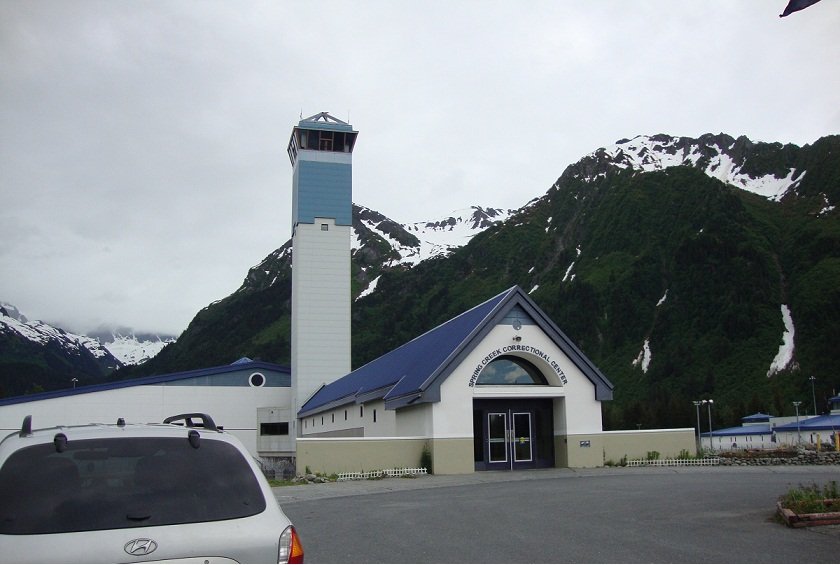
On February 27, 1984, Superior Court Judge Ralph Moody sentenced Robert Hansen to 461 years plus life imprisonment without the possibility of parole. Although Hansen was initially transferred to the federal penitentiary in Lewisburg, Pennsylvania, he was later returned to the maximum-security Spring Creek Correctional Center in Seward, Alaska.
Hansen remained incarcerated for thirty years before dying of respiratory failure at Alaska Regional Hospital in Anchorage on August 21, 2014, at age seventy-five.
The Robert Hansen investigation is recognized worldwide as a landmark demonstration of the efficacy of FBI behavioral profiling integrated with aviation tracking data and physical ballistics matching.
The case spurred major reforms in missing person reporting for transient and marginalized populations in Alaska and transformed modern methods for processing vast, remote wilderness crime scenes.
Chronological Case Timeline
| Date / Milestone | Investigative Development | Forensic / Evidentiary Significance |
|---|---|---|
| June 13, 1983 | Cindy Paulson escapes from Hansen’s plane at Merrill Field | Survivor provides critical eyewitness identification |
| September 1983 | FBI profiler John Douglas creates behavioral dossier | Focuses investigation on pilot-hunter bakery owner |
| October 27, 1983 | Troopers search Hansen’s residence and aircraft | Ruger Mini-14, trophy jewelry, and marked flight map seized |
| November 1983 | Crime lab matches Mini-14 ballistics to Sherry Morrow | Conclusive physical ballistics match links Hansen to murder |
| February 1984 | Hansen signs plea agreement; confesses to 17 murders | Guides helicopter teams to Knik River wilderness grave sites |
| February 27, 1984 | Judge sentences Hansen to 461 years plus life | Sentenced without parole to maximum security confinement |
| August 21, 2014 | Robert Hansen dies at Alaska Regional Hospital | Dies in state custody in Anchorage at age 75 |
Frequently Asked Questions: Forensic & Legal Review
How did Cindy Paulson’s escape lead to the capture of Robert Hansen?
Seventeen-year-old Cindy Paulson escaped barefoot and handcuffed from Hansen’s Piper Super Cub aircraft at Merrill Field airport in Anchorage. Her detailed description of Hansen’s home, vehicle, and aircraft gave Alaska State Troopers the foundational probable cause needed to secure search warrants.
What physical evidence proved Robert Hansen was the Butcher Baker?
Alaska State Crime Laboratory ballistics experts matched a .223 Ruger Mini-14 rifle and .22 Thompson/Center Contender pistol seized from Hansen’s hidden attic safe to bullets recovered from the bodies of Sherry Morrow and Paula Goulding. Detectives also recovered victims’ jewelry and an aviation map marked with grave coordinates.
How did Robert Hansen hunt his victims in the Alaskan bush?
Hansen abducted women from Anchorage, flew them in his private bush plane to remote, uninhabited sandbars along the Knik and Matanuska Rivers, and released them into the wilderness before stalking and shooting them with high-powered rifles.