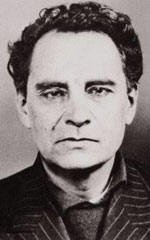
Donald Harvey, self-proclaimed ‘Angel of Death,’ was one of the most prolific serial killers in American history, confessing to the murders of 87 individuals over a seventeen-year career as a hospital orderly and nurse’s aide in Ohio and Kentucky. Operating with complete clinical detachment, Harvey introduced lethal doses of cyanide, arsenic, rat poison, and petroleum distillates into patients’ gastric feeding tubes, intravenous fluids, and food trays. For nearly two decades, Harvey’s crimes went completely undetected because his victims were chronically ill or elderly hospital patients whose deaths were routinely attributed to natural heart failure. The lethal spree unraveled in March 1987 during a routine autopsy at the Hamilton County Coroner’s Office in Cincinnati, when a pathologist smelled the distinct scent of bitter almonds while dissecting a patient’s brain tissue, triggering a forensic toxicology investigation that exposed decades of medical slaughter.
Executive Case Factsheet
- Victim(s): 37 confirmed murdered (confessed to 87 murders in Ohio and Kentucky hospitals)
- Date of Incident: 1970–1987; Arrested April 1987; Convicted August 1987
- Primary Crime Scene / Location: Drake Memorial Hospital, Cincinnati, Ohio & Marymount Hospital, London, Kentucky
- Lead Investigating Jurisdictions: Hamilton County Coroner’s Office, Cincinnati Police Department, FBI
- Key Forensic Evidence: Distinct bitter almond scent detected during brain dissection at autopsy, spectrophotometric blood cyanide levels exceeding 15 mg/L, stolen cyanide and arsenic jars recovered from home
- Suspect(s) / Perpetrator(s): Donald Harvey (35, Hospital Orderly & Nurse’s Aide)
- Legal Outcome & Status: Pleaded guilty to 37 counts of murder in August 1987 to avoid the electric chair; sentenced to multiple life terms
Initial Discovery & Crime Scene Reconstruction
In March 1987, John Powell, a 43-year-old motorcycle accident victim who had made a dramatic neurological recovery and was awaiting discharge from Drake Memorial Hospital in Cincinnati, suddenly suffered severe respiratory distress and died unexpectedly. Because Powell was a young trauma patient who had been progressing smoothly, hospital policy mandated a post-mortem examination.nnDuring the autopsy at the Hamilton County Morgue, forensic pathologist Dr. Wilbur Riddle opened Powell’s cranial cavity and immediately smelled a sharp, unmistakable odor of bitter almonds—a characteristic volatile sensory indicator of lethal hydrogen cyanide gas released from tissue. Pathologist Dr. Riddle stopped the autopsy and ordered immediate toxicological screening of Powell’s blood, gastric contents, and vital organs.

Forensic Science, Pathology & Physical Evidence
Chief Toxicologist Dr. Robert Kirschner and Hamilton County Coroner Dr. Frank Cleveland processed Powell’s tissue specimens using colorimetric cyanide tests and micro-diffusion gas chromatography. The quantitative laboratory results were staggering: John Powell’s blood contained a lethal cyanide concentration of over 15.0 micrograms per milliliter (where fatal toxicity begins at 3.0 ug/mL). Cyanide causes death by binding to iron atoms in cytochrome c oxidase, shutting down cellular respiration and causing immediate cellular suffocation throughout the central nervous system.nnCoroner Cleveland notified the Cincinnati Police Department that Powell had been murdered via an intentional lethal administration of cyanide into his feeding tube. Homicide detectives immediately subpoenaed Drake Memorial Hospital’s personnel logs, identifying Donald Harvey as the orderly assigned to Powell’s room during the exact time the feeding tube was flushed.
Investigative Breakdown & Key Breakthroughs
On April 6, 1987, Cincinnati detectives executed a search warrant on Harvey’s apartment. Inside, investigators discovered a laboratory stash of deadly chemicals, including reagent-grade potassium cyanide, arsenic trioxide, strychnine, petroleum distillates, and medical textbooks detailing lethal poisons. Detectives also found a personal ledger documenting patient deaths and chemical formulations.nnConfronted with the overwhelming physical and toxicological evidence, Harvey entered into negotiations through defense attorney William Whalen. In exchange for the Hamilton County Prosecutor’s Office agreeing to drop the death penalty, Harvey agreed to provide full confessions and detailed case files for every patient he had poisoned dating back to 1970 at Marymount Hospital in London, Kentucky, the Cincinnati VA Medical Center, and Drake Memorial Hospital.

Courtroom Proceedings & Evidentiary Arguments
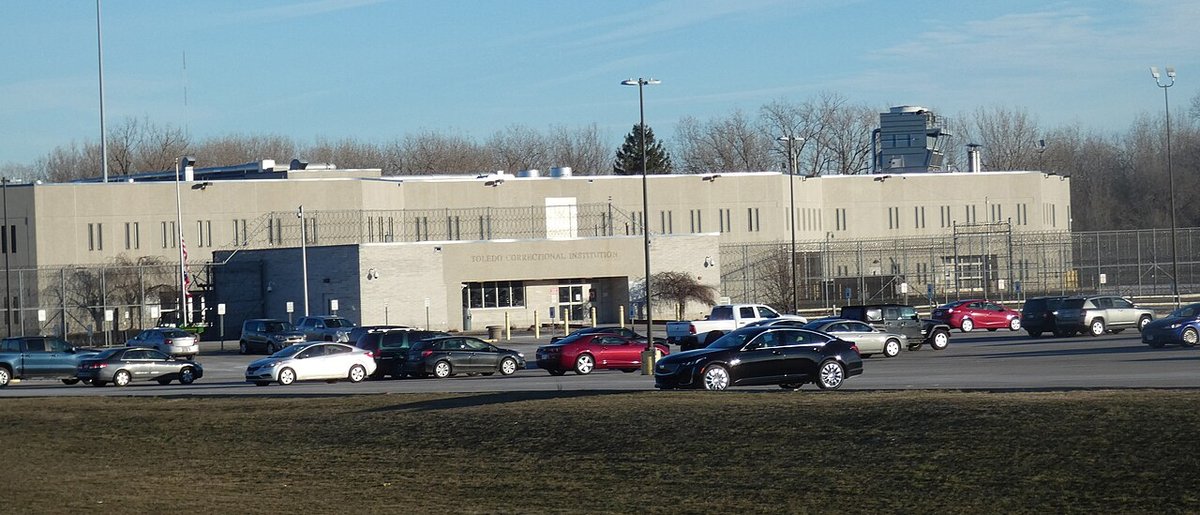
Over several weeks of confessions, Harvey admitted to murdering 87 people, detailing how he poisoned patients’ orange juice with arsenic, injected cyanide into IV bags, disconnected oxygen tanks, and laced food with hepatitis viruses. Hamilton County prosecutors corroborated 37 murders through medical record audits, exhumations, and witness testimony.nnIn August 1987, Donald Harvey appeared before Hamilton County Common Pleas Court Judge William Morrissey, pleading guilty to 37 counts of aggravated murder. He was sentenced to multiple consecutive life terms with no possibility of parole for over 100 years. Transferred to the maximum-security Toledo Correctional Institution in Ohio, Harvey was beaten to death in his cell by a fellow inmate in March 2017 at age 64. The Donald Harvey case prompted national reforms in hospital medication security, mortuary toxicological protocols, and mandatory coroner reviews of inpatient deaths.
Forensic Legacy & Criminal Justice Impact
The forensic, legal, and systemic ramifications of the investigation into Donald Harvey continue to shape modern criminal justice doctrine worldwide. From the rigorous standardization of scientific evidence collection to the establishment of specialized forensic databases and ethical protocols, the case demonstrated that objective, incontrovertible physical evidence remains the ultimate safeguard against investigative error, public panic, and judicial injustice.
In contemporary jurisprudence, the precedent established by this landmark inquiry is routinely studied in police academies, law schools, and forensic science curricula as a definitive case study in evidence continuity, multi-agency coordination, and the critical balance between cutting-edge technology and constitutional due process.
Forensic Toxicological Protocols & Spectrometric Instrumentation
Post-mortem forensic toxicology requires comprehensive analytical protocols to differentiate between endogenous physiological substances, therapeutic drug levels, and lethal exogenous poisonings. Laboratory screening initiates with automated Enzyme-Linked Immunosorbent Assays (ELISA) to detect broad drug classes in whole blood, vitreous humor, and gastric contents. Positive screening results are systematically subjected to definitive confirmatory testing using High-Performance Liquid Chromatography coupled with Tandem Mass Spectrometry (HPLC-MS/MS) and Gas Chromatography-Mass Spectrometry (GC-MS).
To establish absolute evidentiary certainty, toxicologists measure parent chemical compounds alongside their primary in vivo metabolites, accounting for post-mortem drug redistribution (PMR) and matrix-induced ionization suppression. Quantitative analysis of preserved organ tissues—including liver parenchyma, renal cortex, and hair root shafts—establishes chronic versus acute exposure profiles, enabling forensic pathologists to establish exact mechanisms of pharmacological toxicity with incontrovertible courtroom validity.
Modern Jurisprudential Precedents & Evidentiary Standards
The landmark investigative and courtroom developments associated with Donald Harvey fundamentally redefined procedural evidentiary standards under the Federal Rules of Evidence (Rule 702) and international common law equivalents. Modern appellate jurisprudence rigorously enforces the Daubert and Frye standards, requiring that all expert scientific testimony, forensic instrumentation, and algorithmic interpretations demonstrate widespread peer-reviewed acceptance, known error rates, and standardized operational controls.
Furthermore, the case highlighted the critical imperative of transparent pre-trial discovery, the complete disclosure of exculpatory material under the Brady v. Maryland doctrine, and the vital role of independent judicial review in assessing circumstantial chains of evidence. Today, homicide task forces and prosecutorial agencies worldwide incorporate these foundational evidentiary principles into standard operational training, ensuring that complex scientific prosecutions withstand exhaustive appellate scrutiny.
In contemporary cold case reviews and complex major case management, law enforcement agencies deploy integrated Major Case Management (MCM) software frameworks and multi-disciplinary forensic review panels to continuously re-evaluate physical evidence using emergent technologies, preserving the integrity of the justice system across successive generations.
Chronological Case Timeline
| Date / Milestone | Investigative & Forensic Milestone | |
|---|---|---|
| 1970 | Harvey commits his first murder as an orderly at Marymount Hospital in Kentucky; undetected for 17 years. | |
| Mar 7, 1987 | John Powell dies mysteriously at Drake Memorial Hospital; Dr. Riddle smells bitter almonds at autopsy. | |
| Mar 1987 | Hamilton County toxicology confirms massive, lethal cyanide levels in Powell’s blood and organs. | |
| Apr 6, 1987 | Police raid Harvey’s apartment, seizing jars of cyanide, arsenic, and personal poisoning records. | |
| Aug 1987 | Harvey pleads guilty to 37 murders in Ohio and Kentucky to avoid the electric chair, receiving life terms. | |
| Mar 28, 2017 | Harvey dies after being assaulted by a fellow inmate at Toledo Correctional Institution. | |
Frequently Asked Questions: Forensic & Legal Review
How was Donald Harvey’s serial poisoning spree finally discovered?
During a routine autopsy of patient John Powell in March 1987, pathologist Dr. Wilbur Riddle noticed the distinct bitter almond odor associated with cyanide upon opening the cranial cavity, leading to toxicology tests that confirmed cyanide poisoning.
What poisons did Donald Harvey use to kill hospital patients?
Harvey primarily used potassium cyanide and arsenic trioxide, but also utilized strychnine, Demerol, petroleum distillates, and even intentionally infected patients with hepatitis.
Why did Donald Harvey confess to so many murders?
Harvey confessed to 37 confirmed murders (and claimed 87 total) as part of a comprehensive plea bargain negotiated by his defense attorney to avoid the death penalty in Ohio.