
Charles Edmund Cullen is considered the most prolific serial killer in American history, suspected of murdering up to 400 hospital patients during a sixteen-year nursing career spanning nine healthcare institutions across New Jersey and Pennsylvania. Cullen operated by covertly injecting lethal overdoses of cardiac medications—primarily digoxin—as well as insulin and epinephrine into intravenous saline IV bags used for general intensive care patients. Despite dozens of suspicious patient deaths, internal disciplinary actions, and multiple hospital dismissals, institutional fear of civil liability allowed Cullen to transfer from facility to facility undetected. His deadly career finally unraveled in late 2003 at Somerset Medical Center in Somerville, New Jersey, when courageous intensive care nurse Amy Loughren collaborated with state detectives, wearing an undercover wiretap to extract his recorded confession.
Executive Case Factsheet
- Victim(s): 29 confirmed victims (admitted to 40; suspected in up to 400 deaths across 9 hospitals)
- Date of Incident: 1988 – December 2003; Arrested December 12, 2003
- Primary Crime Scene / Location: Somerset Medical Center (Somerville, NJ) and 8 other hospitals in New Jersey & Pennsylvania
- Lead Investigating Jurisdictions: Somerset County Prosecutor’s Office, New Jersey State Police, New Jersey Poison Information & Education System
- Key Forensic Evidence: Post-mortem serum digoxin levels exceeding 10 ng/mL, computerized Pyxis automated medication dispensing logs showing unauthorized cancellations, undercover wiretap recordings by nurse Amy Loughren
- Suspect(s) / Perpetrator(s): Charles Edmund Cullen (43, Critical Care Registered Nurse)
- Legal Outcome & Status: Pleaded guilty in April 2004 to 29 murders and 6 attempted murders; sentenced to 17 consecutive life sentences without parole
Initial Discovery & Crime Scene Reconstruction
In June 2003, Somerset Medical Center’s critical care unit began experiencing a statistical anomaly: patients admitted for routine, non-fatal ailments were suddenly suffering fatal cardiac arrests accompanied by profound hypoglycemia and extreme hyperkalemia. In June, 67-year-old Florian Gall died of sudden ventricular tachycardia. Blood tests performed immediately prior to his death revealed a massive, lethal concentration of digoxin—a powerful cardiac glycoside used to treat heart failure that Gall had never been prescribed.
Dr. Steven Marcus, executive director of the New Jersey Poison Information and Education System, reviewed the toxicological findings and urgently warned hospital administrators that an employee was intentionally poisoning patients. However, Somerset Medical Center delayed notifying law enforcement for nearly three months. In October 2003, the hospital finally contacted the Somerset County Prosecutor’s Office after patient Jin Kyung Han died from an unexplained insulin overdose. Detectives Timothy Braun and Peter Roncatore initiated a full-scale homicide investigation.
Forensic Science, Pathology & Physical Evidence
Forensic toxicologists and electronic evidence specialists conducted an unprecedented joint audit of hospital operations. Investigators examined the hospital’s Pyxis automated medication dispensing cabinets—computerized storage vaults that required nurses to log in with a unique ID and select patient records before drawers unlocked. Forensic computer analysts discovered that Cullen had repeatedly accessed the Pyxis system to withdraw lethal cardiac medications, such as digoxin and nitroprusside, before immediately hitting the ‘cancel’ command to clear the log, while retaining the dispensed vials.
Post-mortem toxicological analysis conducted by the New Jersey State Police Forensic Science Bureau on blood and vitreous humor specimens from deceased patients revealed catastrophic concentrations of digoxin, often exceeding 10 nanograms per milliliter (where therapeutic levels range between 0.8 and 2.0 ng/mL). The forensic data proved that the lethal overdoses were not medical errors or accidental cross-contaminations, but calculated, lethal poisonings administered directly into IV lines and shared saline storage bags.
Investigative Breakdown & Key Breakthroughs
To build an airtight legal case, detectives approached Charles Cullen’s close coworker in the Somerset intensive care unit, registered nurse Amy Loughren. When shown the Pyxis electronic audit logs demonstrating Cullen’s massive, unauthorized medication withdrawals, a horrified Loughren agreed to act as a confidential informant for the Somerset County Prosecutor’s Office.
In December 2003, Loughren wore a concealed body wire to meet Cullen for lunch at a diner in Somerville. Over the course of a tense conversation, Loughren gently confronted Cullen about the Somerset patient deaths. While Cullen initially spoke in evasive terms, he admitted to his involvement and offered to go with her to police headquarters. On December 12, 2003, New Jersey State Police arrested Cullen as he left the diner. During subsequent marathon interrogations with Loughren and detectives, Cullen confessed to murdering dozens of patients over sixteen years, claiming he was ‘ending their suffering,’ though many victims were on the verge of hospital discharge.
Courtroom Proceedings & Evidentiary Arguments
In April 2004, Charles Cullen entered into a comprehensive plea agreement with prosecutors in New Jersey and Pennsylvania to avoid the death penalty. In exchange for his life, Cullen agreed to identify all of his victims, detail his toxicological methodologies, and assist medical examiners in reviewing hundreds of suspicious death files spanning his career since 1988.
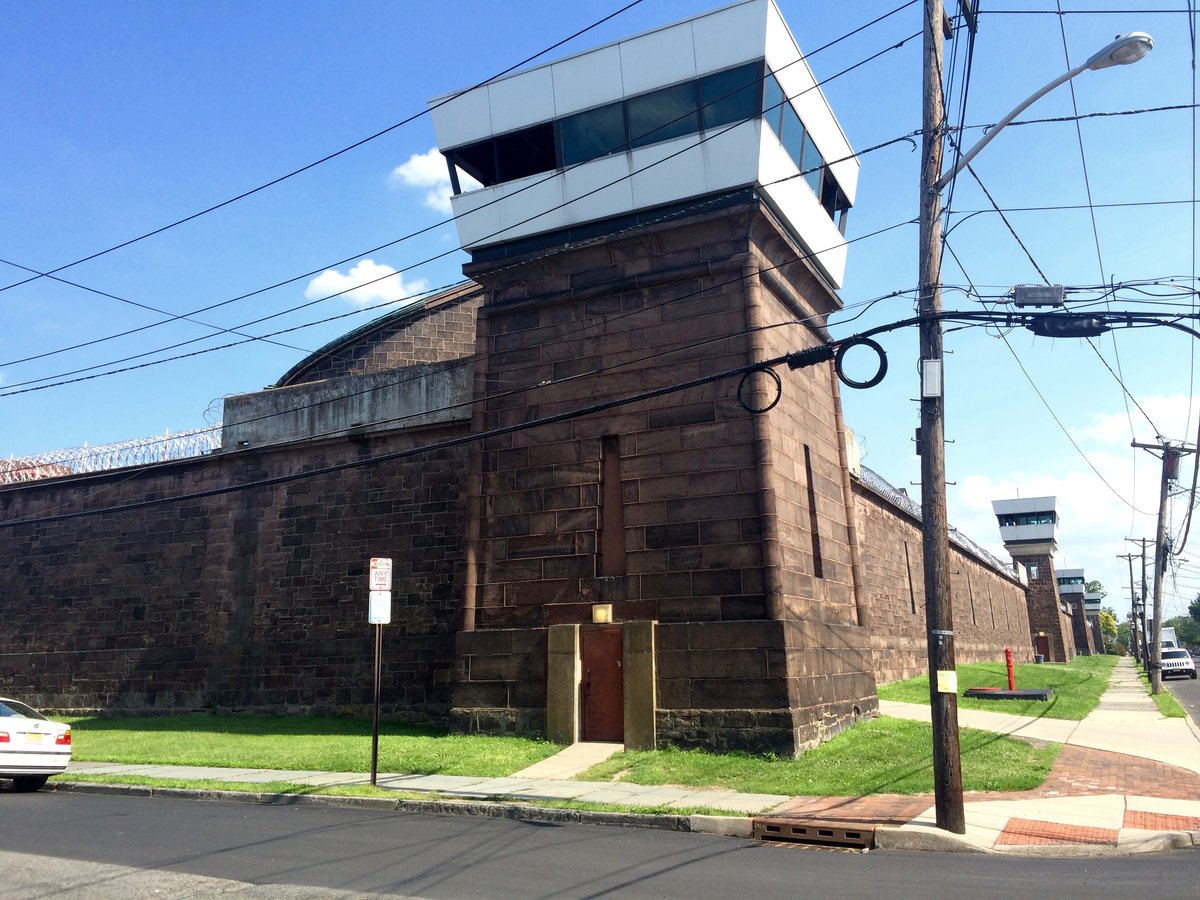
On March 2, 2006, Cullen appeared before New Jersey Superior Court Judge Armstrong for sentencing. Faced with weeping families of his victims, Cullen was sentenced to eleven consecutive life sentences without the possibility of parole in New Jersey, followed by six additional consecutive life sentences in Pennsylvania. Cullen is incarcerated at New Jersey State Prison in Trenton. The investigation resulted in the passage of the ‘Cullen Law’ (Health Care Professional Responsibility and Reporting Act), legally mandating healthcare systems to report adverse employee events and share employee disciplinary histories to prevent predatory practitioners from moving between hospitals.
Forensic Legacy & Criminal Justice Impact
The forensic, legal, and systemic ramifications of the investigation into Charles Cullen continue to shape modern criminal justice doctrine worldwide. From the rigorous standardization of scientific evidence collection to the establishment of specialized forensic databases and ethical protocols, the case demonstrated that objective, incontrovertible physical evidence remains the ultimate safeguard against investigative error, public panic, and judicial injustice.
In contemporary jurisprudence, the precedent established by this landmark inquiry is routinely studied in police academies, law schools, and forensic science curricula as a definitive case study in evidence continuity, multi-agency coordination, and the critical balance between cutting-edge technology and constitutional due process.
Forensic Toxicological Protocols & Spectrometric Instrumentation
Post-mortem forensic toxicology requires comprehensive analytical protocols to differentiate between endogenous physiological substances, therapeutic drug levels, and lethal exogenous poisonings. Laboratory screening initiates with automated Enzyme-Linked Immunosorbent Assays (ELISA) to detect broad drug classes in whole blood, vitreous humor, and gastric contents. Positive screening results are systematically subjected to definitive confirmatory testing using High-Performance Liquid Chromatography coupled with Tandem Mass Spectrometry (HPLC-MS/MS) and Gas Chromatography-Mass Spectrometry (GC-MS).
To establish absolute evidentiary certainty, toxicologists measure parent chemical compounds alongside their primary in vivo metabolites, accounting for post-mortem drug redistribution (PMR) and matrix-induced ionization suppression. Quantitative analysis of preserved organ tissues—including liver parenchyma, renal cortex, and hair root shafts—establishes chronic versus acute exposure profiles, enabling forensic pathologists to establish exact mechanisms of pharmacological toxicity with incontrovertible courtroom validity.
Modern Jurisprudential Precedents & Evidentiary Standards
The landmark investigative and courtroom developments associated with Charles Cullen fundamentally redefined procedural evidentiary standards under the Federal Rules of Evidence (Rule 702) and international common law equivalents. Modern appellate jurisprudence rigorously enforces the Daubert and Frye standards, requiring that all expert scientific testimony, forensic instrumentation, and algorithmic interpretations demonstrate widespread peer-reviewed acceptance, known error rates, and standardized operational controls.
Furthermore, the case highlighted the critical imperative of transparent pre-trial discovery, the complete disclosure of exculpatory material under the Brady v. Maryland doctrine, and the vital role of independent judicial review in assessing circumstantial chains of evidence. Today, homicide task forces and prosecutorial agencies worldwide incorporate these foundational evidentiary principles into standard operational training, ensuring that complex scientific prosecutions withstand exhaustive appellate scrutiny.
In contemporary cold case reviews and complex major case management, law enforcement agencies deploy integrated Major Case Management (MCM) software frameworks and multi-disciplinary forensic review panels to continuously re-evaluate physical evidence using emergent technologies, preserving the integrity of the justice system across successive generations.
Chronological Case Timeline
| Date / Milestone | Investigative & Forensic Milestone | |
|---|---|---|
| 1988–2002 | Cullen works at 8 hospitals across NJ & PA, leaving a trail of suspicious patient deaths and forced resignations. | |
| Jun 2003 | Florian Gall dies at Somerset Medical Center with massive, unprescribed digoxin levels in his blood. | |
| Oct 2003 | Somerset County Prosecutor’s Office is notified; electronic Pyxis dispensing audits reveal Cullen’s medication theft. | |
| Dec 12, 2003 | Nurse Amy Loughren wears a concealed wiretap at a diner meeting; Cullen is arrested by New Jersey State Police. | |
| Apr 2004 | Cullen signs a plea agreement admitting to 29 confirmed murders across nine medical centers to avoid execution. | |
| Mar 2, 2006 | Cullen is sentenced to 17 consecutive life terms without parole at New Jersey Superior Court. | |
Frequently Asked Questions: Forensic & Legal Review
How many patients did Charles Cullen kill during his nursing career?
Cullen confessed to murdering 40 patients and was definitively convicted of 29 murders and 6 attempted murders, but forensic epidemiologists and detectives estimate his true victim count may exceed 400.
What role did nurse Amy Loughren play in capturing Charles Cullen?
Amy Loughren, Cullen’s close coworker in the intensive care unit, deciphered his suspicious Pyxis automated dispensing logs and bravely wore an undercover police wire to extract recorded admissions that enabled his arrest.
What was the ‘Cullen Law’ enacted after his conviction?
The ‘Cullen Law’ (Healthcare Professional Responsibility and Reporting Act) mandates that hospitals in New Jersey and across the US report healthcare worker misconduct and provide honest employment background checks to eliminate liability-driven secrecy.