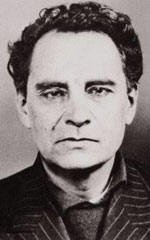
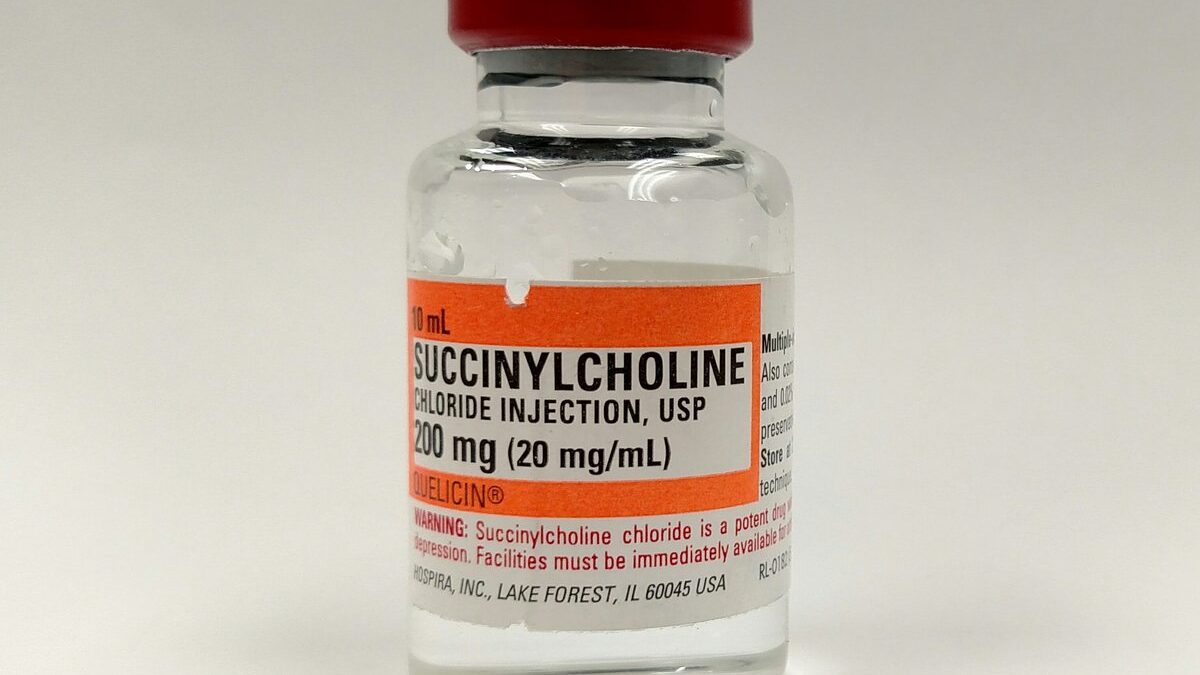
Genene Anne Jones is a convicted American serial killer and former licensed vocational nurse suspected of murdering between 11 and 60 infants and young children under her medical care in Texas during the early 1980s. Working in the pediatric intensive care unit (PICU) at Bexar County Hospital in San Antonio and later at a private pediatric clinic in Kerrville, Jones surreptitiously injected babies with lethal overdoses of paralyzing neuromuscular blockers like succinylcholine (Anectine) and anticoagulant heparin. Jones orchestrated sudden, violent medical crises so she could be seen heroically resuscitating infants. Despite dozens of suspicious infant deaths and internal warnings, hospital administrators allowed Jones to resign quietly while destroying thousands of pages of hospital shift logs to avoid institutional liability. Through the perseverance of mother Petti McClellan, the Texas Rangers, and forensic toxicologists, Jones was finally convicted for the murder of 15-month-old Chelsea McClellan.
Executive Case Factsheet
- Victim(s): Chelsea McClellan (15 months, confirmed); suspected in up to 60 infant deaths
- Date of Incident: 1981–1982; Arrested February 1983; Convicted February 15, 1984
- Primary Crime Scene / Location: Bexar County Hospital, San Antonio & Dr. Kathleen Holland Clinic, Kerrville, Texas
- Lead Investigating Jurisdictions: Kerr County Sheriff’s Office, Bexar County District Attorney’s Office, Texas Rangers
- Key Forensic Evidence: Syringe puncture marks on pediatric patients, chemical recovery of succinylcholine & heparin in punctured vials, forensic statistical cluster analysis of ICU emergency resuscitations
- Suspect(s) / Perpetrator(s): Genene Anne Jones (33, Licensed Vocational Nurse)
- Legal Outcome & Status: Convicted on February 15, 1984, of murder and injury to a child; sentenced to 99 years; pleaded guilty to a second murder in 2020
Initial Discovery & Crime Scene Reconstruction
Between 1981 and 1982, the pediatric ICU at Bexar County Hospital in San Antonio suffered an unprecedented, catastrophic surge in infant cardiac arrests, seizures, and unexplained bleeding episodes. Over 40 infants died during shifts worked by LVN Genene Jones, a phenomenon staff grimly dubbed ‘The Death Shift.’ When pediatricians approached hospital administration with statistical documentation proving infants were 25 times more likely to arrest during Jones’s shifts, the hospital chose not to report the deaths to police to avoid public scandal. Instead, the hospital altered its staffing model to all-RN, allowing Jones to resign with a neutral letter of recommendation.nnIn August 1982, Jones was hired by Dr. Kathleen Holland at a brand-new private pediatric clinic in Kerrville, Texas. Within weeks of opening, healthy infants brought in for routine childhood immunizations began suffering sudden, unexplained respiratory collapse. On September 17, 1982, 15-month-old Chelsea McClellan was brought to the clinic for a routine checkup. Jones administered what was supposed to be a standard vaccination; seconds later, Chelsea stopped breathing, went into violent convulsions, and died en route to the hospital.
Forensic Science, Pathology & Physical Evidence
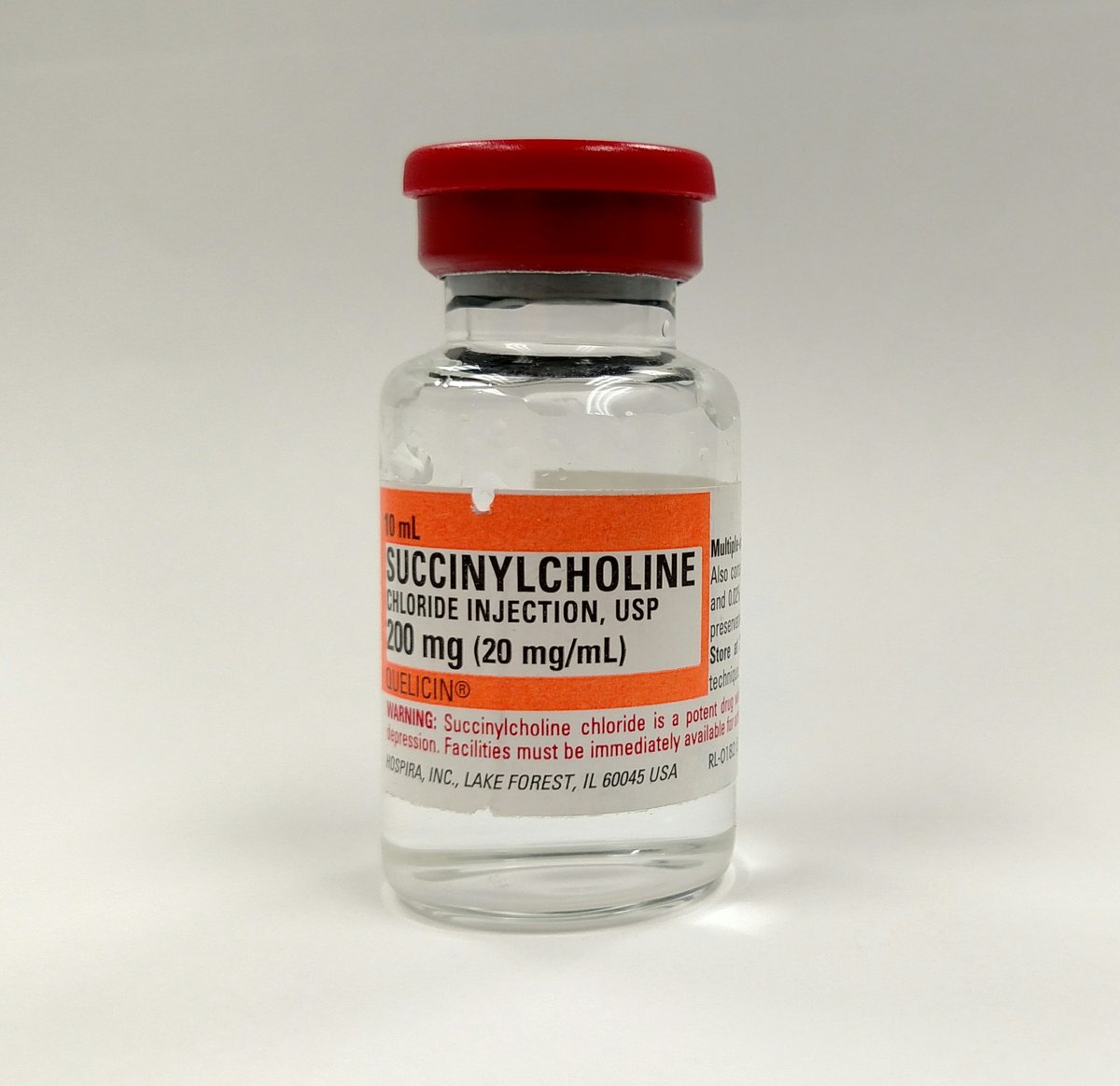
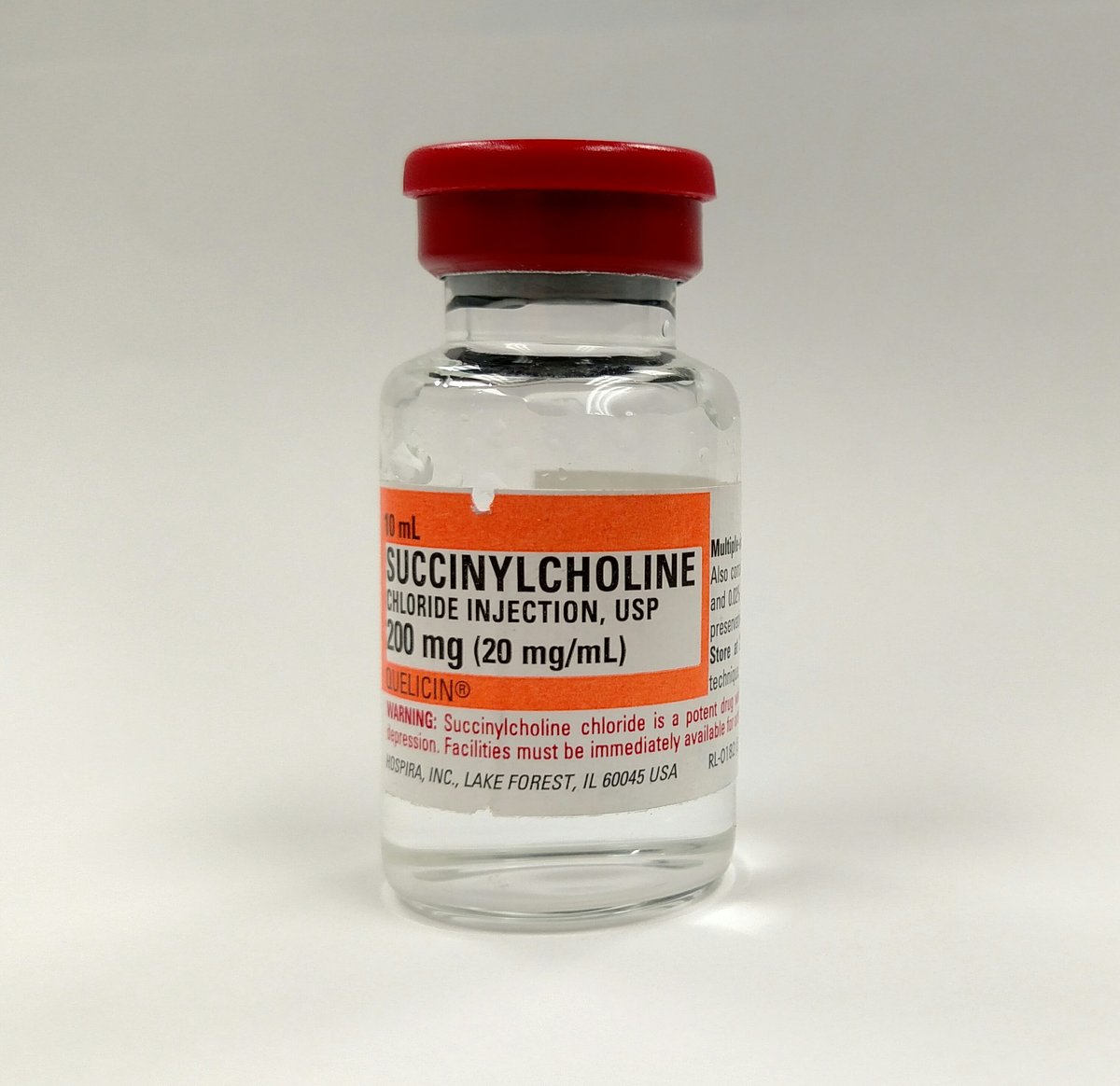
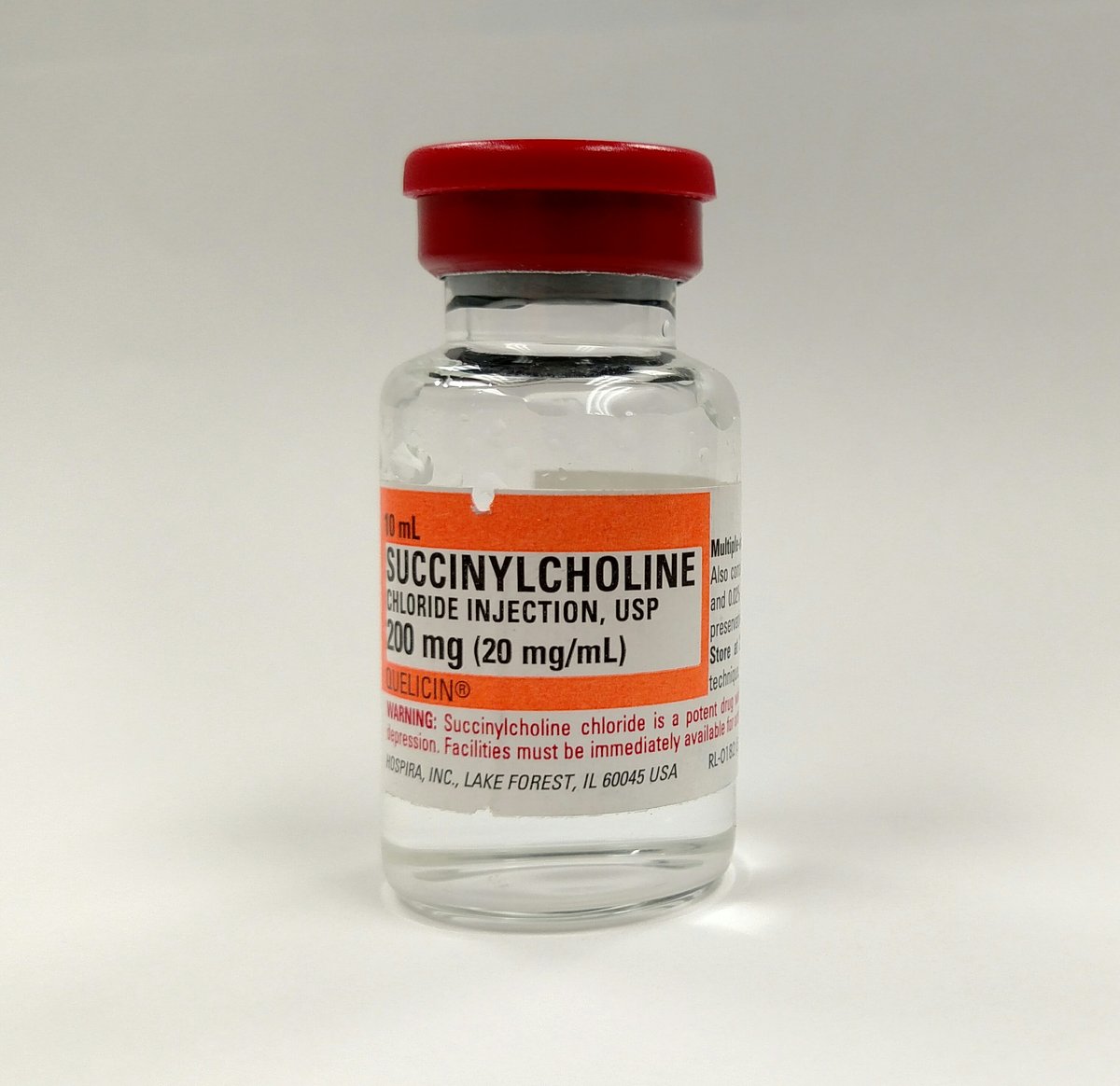
Alarmed by the unexplained collapse of Chelsea McClellan and another infant, Rolando Santos, Dr. Holland inspected the clinic’s locked pharmaceutical supply cabinet. Dr. Holland discovered that a brand-new 10-milliliter vial of succinylcholine—a powerful muscle relaxant that paralyzes the diaphragm within seconds—had two puncture marks in the rubber stopper, with over 70% of the paralyzing fluid missing. Dr. Holland immediately notified Kerr County Sheriff Frances Kaiser and the Texas Rangers.nnForensic scientists at the Texas Department of Public Safety Crime Laboratory and specialized toxicology labs examined the punctured succinylcholine vials and exhumed tissue samples from Chelsea McClellan. Toxicologists identified succinylmonocholine breakdown products, confirming the 15-month-old had been injected with the lethal paralyzing agent instead of a routine childhood vaccine. Additional medical audits revealed that Jones had also injected infants with massive overdoses of heparin, an anticoagulant that caused massive, uncontrollable internal hemorrhaging.
Investigative Breakdown & Key Breakthroughs
Texas Rangers and Kerr County prosecutors arrested Genene Jones in February 1983. However, when investigators subpoenaed Bexar County Hospital for historical patient records, they were stunned to learn that hospital administrators had incinerated over 8,000 pounds of pediatric ICU pharmacy and shift records to shield the institution from civil wrongful death lawsuits.nnDespite the destruction of institutional documents, prosecutors built an airtight criminal case centered on Chelsea McClellan’s murder and the attempted murder of Rolando Santos. Texas Ranger Johnny Waldrip compiled comprehensive witness testimony from pediatricians, surviving nurses, and forensic toxicologists who established Jones’s exclusive physical custody of the punctured lethal vials.
Courtroom Proceedings & Evidentiary Arguments
Genene Jones was tried in Kerr County District Court in Georgetown, Texas, in early 1984 before Judge Thomas Blackwell. District Attorney Ronald Sutton presented overwhelming physical and toxicological evidence, showing the jury the punctured succinylcholine vials and medical monitors demonstrating the rapid, unnatural suffocation Chelsea McClellan suffered. On February 15, 1984, the jury convicted Genene Jones of murder in the death of Chelsea McClellan, sentencing her to 99 years in prison. She was later convicted of injury to a child in the Santos case and sentenced to an additional 60 years.nnUnder mandatory release laws in effect in Texas at the time of her 1984 sentencing, Jones became eligible for automatic parole in 2018. However, Bexar County District Attorney Nicholas LaHood formed a specialized cold case unit, indicting Jones on five new murder charges in 2017. In January 2020, Jones pleaded guilty to the 1981 murder of 11-month-old Joshua Sawyer, receiving a life sentence that guarantees she will remain incarcerated at the Lane Murray Unit in Gatesville, Texas, for the remainder of her life.
Forensic Legacy & Criminal Justice Impact
The forensic, legal, and systemic ramifications of the investigation into Genene Jones continue to shape modern criminal justice doctrine worldwide. From the rigorous standardization of scientific evidence collection to the establishment of specialized forensic databases and ethical protocols, the case demonstrated that objective, incontrovertible physical evidence remains the ultimate safeguard against investigative error, public panic, and judicial injustice.
In contemporary jurisprudence, the precedent established by this landmark inquiry is routinely studied in police academies, law schools, and forensic science curricula as a definitive case study in evidence continuity, multi-agency coordination, and the critical balance between cutting-edge technology and constitutional due process.
Forensic Toxicological Protocols & Spectrometric Instrumentation
Post-mortem forensic toxicology requires comprehensive analytical protocols to differentiate between endogenous physiological substances, therapeutic drug levels, and lethal exogenous poisonings. Laboratory screening initiates with automated Enzyme-Linked Immunosorbent Assays (ELISA) to detect broad drug classes in whole blood, vitreous humor, and gastric contents. Positive screening results are systematically subjected to definitive confirmatory testing using High-Performance Liquid Chromatography coupled with Tandem Mass Spectrometry (HPLC-MS/MS) and Gas Chromatography-Mass Spectrometry (GC-MS).
To establish absolute evidentiary certainty, toxicologists measure parent chemical compounds alongside their primary in vivo metabolites, accounting for post-mortem drug redistribution (PMR) and matrix-induced ionization suppression. Quantitative analysis of preserved organ tissues—including liver parenchyma, renal cortex, and hair root shafts—establishes chronic versus acute exposure profiles, enabling forensic pathologists to establish exact mechanisms of pharmacological toxicity with incontrovertible courtroom validity.
Modern Jurisprudential Precedents & Evidentiary Standards
The landmark investigative and courtroom developments associated with Genene Jones fundamentally redefined procedural evidentiary standards under the Federal Rules of Evidence (Rule 702) and international common law equivalents. Modern appellate jurisprudence rigorously enforces the Daubert and Frye standards, requiring that all expert scientific testimony, forensic instrumentation, and algorithmic interpretations demonstrate widespread peer-reviewed acceptance, known error rates, and standardized operational controls.
Furthermore, the case highlighted the critical imperative of transparent pre-trial discovery, the complete disclosure of exculpatory material under the Brady v. Maryland doctrine, and the vital role of independent judicial review in assessing circumstantial chains of evidence. Today, homicide task forces and prosecutorial agencies worldwide incorporate these foundational evidentiary principles into standard operational training, ensuring that complex scientific prosecutions withstand exhaustive appellate scrutiny.
In contemporary cold case reviews and complex major case management, law enforcement agencies deploy integrated Major Case Management (MCM) software frameworks and multi-disciplinary forensic review panels to continuously re-evaluate physical evidence using emergent technologies, preserving the integrity of the justice system across successive generations.
Chronological Case Timeline
| Date / Milestone | Investigative & Forensic Milestone | |
|---|---|---|
| 1981–1982 | Over 40 infants die suspiciously during Jones’s shifts at Bexar County Hospital; hospital allows her to resign. | |
| Sep 17, 1982 | 15-month-old Chelsea McClellan dies after Jones injects her with succinylcholine at a Kerrville clinic. | |
| Sep 1982 | Dr. Kathleen Holland discovers punctured succinylcholine vials and alerts Texas Rangers. | |
| Feb 1983 | Jones is arrested; Bexar County Hospital destroys 8,000 pounds of pediatric records. | |
| Feb 15, 1984 | Jones is convicted of murder in Georgetown, Texas, and sentenced to 99 years imprisonment. | |
| Jan 2020 | Jones pleads guilty to the 1981 murder of infant Joshua Sawyer, receiving a life sentence. | |
Frequently Asked Questions: Forensic & Legal Review
What paralyzing drug did Genene Jones use to murder infants?
Genene Jones primarily injected infants with succinylcholine (Anectine), a potent neuromuscular blocking agent that paralyzes the respiratory muscles within seconds, suffocating conscious babies unless placed on mechanical ventilation.
Why did Bexar County Hospital destroy records relating to Genene Jones?
In an effort to prevent catastrophic civil malpractice lawsuits and public scandal, Bexar County Hospital administrators shredded and incinerated thousands of pounds of pharmacy and ICU shift logs after forcing Jones to resign.
How was Genene Jones kept in prison after becoming eligible for mandatory release in 2018?
In 2017, Bexar County prosecutors indicted Jones on five newly investigated cold-case infant murders from 1981, leading to a guilty plea in 2020 for the murder of Joshua Sawyer and a life sentence.