In the autumn of 1982, seven sudden, agonizing deaths across the Chicago metropolitan area ignited unprecedented nationwide panic and fundamentally altered consumer packaging and retail commerce across the globe. The Chicago Tylenol murders 1982 exposed the terrifying vulnerability of over-the-counter pharmaceuticals to retail sabotage. Through rapid toxicology identification, a historic corporate recall of thirty-one million medicine bottles, and exhaustive chemical profiling, federal investigators dismantled the threat, spurring modern anti-tampering legislation and revolutionary tamper-evident packaging standards.
Executive Case Factsheet
- Victim(s): 7 fatalities: Mary Kellerman (12), Adam Janus (27), Stanley Janus (25), Theresa Janus (20), Mary McFarland (31), Paula Prince (35), Mary Reiner (27)
- Date of Incident: September 29 – October 1, 1982
- Primary Crime Scene / Location: Cook County and DuPage County (Chicago Metropolitan Area), Illinois
- Lead Investigating Jurisdictions: Illinois State Police, Chicago Police Department, FBI, Food and Drug Administration (FDA)
- Key Forensic Evidence: Extra-Strength Tylenol gelatin capsules manually filled with 65mg (10,000x lethal dose) of potassium cyanide, pharmaceutical lot number tracing, surveillance camera retail logs, extortion letters demanding $1 million
- Suspect(s) / Perpetrator(s): James William Lewis (convicted of extortion); Ted Kaczynski (investigated); Roger Arnold; true tamperer unidentified
- Legal Outcome & Status: Officially unsolved federal domestic terrorism and homicide investigation
The Sudden Ingestion Deaths of September 29, 1982
The tragedy unfolded with terrifying speed on the morning of Wednesday, September 29, 1982. In Elk Grove Village, Illinois, twelve-year-old Mary Kellerman awoke with a sore throat and runny nose. Her parents administered one Extra-Strength Tylenol capsule at 6:30 a.m.; within minutes, the seventh-grader collapsed in the bathroom and was pronounced dead upon arrival at the hospital.
Hours later in Arlington Heights, twenty-seven-year-old postal worker Adam Janus died suddenly of suspected massive cardiac arrest. As his grieving family gathered at his home that evening, Adam’s brother, twenty-five-year-old Stanley Janus, and Stanley’s nineteen-year-old bride, Theresa, both complaining of severe headaches, took capsules from the same Tylenol bottle on the kitchen counter. Stanley collapsed and died within an hour, and Theresa suffered brain death, dying two days later.
Over the next forty-eight hours, three additional women—thirty-one-year-old Mary McFarland of Elmhurst, twenty-seven-year-old Mary Reiner of Winfield, and thirty-five-year-old flight attendant Paula Prince in Chicago—succumbed in identical fashion shortly after ingesting Extra-Strength Tylenol capsules purchased from various pharmacies and grocery stores across Cook and DuPage counties.
Forensic Toxicology Breakthrough and Cyanide Identification
The critical investigative breakthrough occurred when two Arlington Heights firefighters, Philip Cappitelli and Richard Keyworth, discussing the Janus family deaths with local nurse Helen Jensen, realized that all three victims had consumed capsules from a single Tylenol container. Investigators transported the bottle to the forensic laboratory of the Cook County Medical Examiner’s Office under Chief Medical Examiner Dr. Robert Stein.
Dr. Michael Schaffer, chief toxicologist for the medical examiner, opened the suspect capsules and immediately detected the faint, characteristic bitter almond odor of cyanide. Chemical spot testing and spectrophotometric analysis confirmed that the capsules had been emptied of acetaminophen and packed with roughly sixty-five milligrams of lethal potassium cyanide powder—more than ten thousand times the minimum fatal dose for a human adult.
Subsequent testing revealed that contaminated bottles came from completely different manufacturing facilities in Pennsylvania and Texas, proving conclusively that the contamination did not occur during factory production, but was the result of post-distribution retail tampering. The perpetrator had purchased or shoplifted bottles from retail shelves, taken them to a private location, carefully separated the two-piece gelatin capsules, packed them with deadly potassium cyanide crystals, and covertly placed them back on supermarket and pharmacy shelves across the Chicago area.
Forensic chemist analysis established that the tamperer utilized coarse industrial-grade potassium cyanide rather than pharmaceutical reagent, suggesting access to electroplating supplies, photographic processing laboratories, or metallurgical facilities. FBI forensic criminalists executed microscopic tool-mark examinations on the recovered capsule shells, identifying tiny puncture and compression marks consistent with manual wooden filling blocks used in illicit drug fabrication.
The Historic Johnson & Johnson Recall and Public Safety Response
Faced with an unprecedented public health catastrophe, Johnson & Johnson, the parent company of McNeil Consumer Products, executed what remains the gold standard of corporate crisis management under CEO James Burke. The company immediately issued national media warnings, offered a $100,000 reward, and initiated a total nationwide recall of over thirty-one million bottles of Tylenol with an estimated retail value exceeding $100 million.
Police cruisers in Chicago drove through residential neighborhoods broadcasting urgent warnings through bullhorns: ‘Do not take Tylenol! It may be poisoned!’ Hospitals, fire stations, and pharmacies established emergency hazardous chemical drop-off stations, receiving over eight million surrendered capsules from frightened citizens and testing batches around the clock in mobile state laboratories.
Through this unprecedented community screening, state and federal toxicologists intercepted five additional contaminated bottles from retail shelves across Chicago pharmacies—including stores in Schaumburg and Wheaton—before unsuspecting consumers could ingest them. Microscopic inspection revealed that each intercepted bottle contained between three and eight cyanide-laced capsules mixed among normal acetaminophen tablets, proving an intentional, partial-contamination strategy designed to maximize random civilian casualties.
The FBI established a specialized task force (designated ‘TYMURS’) alongside the Illinois State Police and FDA. Federal profilers from the Behavioral Science Unit characterized the unknown poisoner as a highly organized, sadistic narcissist who derived psychological gratification from widespread societal terror and random, indiscriminate destruction.
The Extortion Scheme of James William Lewis
In October 1982, Johnson & Johnson received a handwritten extortion letter demanding $1 million sent to a Chicago bank account to ‘stop the killings’. FBI fingerprint and handwriting examiners traced the letter to James William Lewis, a tax consultant and convicted felon living in New York.
Following a nationwide manhunt, federal agents arrested Lewis in a New York City public library in December 1982. While Lewis admitted writing the extortion letter, extensive FBI and state investigations established that he was residing in New York at the time of the Chicago poisonings and possessed no physical or travel links to the retail stores where the tainted bottles were placed. Lewis was convicted of federal extortion in 1983 and sentenced to twenty years in prison.
Over the decades, investigators pursued numerous other potential suspects, including local amateur chemist Roger Arnold, and conducted DNA comparisons against Unabomber Ted Kaczynski in 2011, but no conclusive physical evidence or forensic DNA profiles ever matched the crime scene capsules, leaving the primary killer’s identity unresolved.
FDA Regulations, The Anti-Tampering Act & Modern Consumer Safety
The Chicago Tylenol murders permanently revolutionized the manufacturing, distribution, and packaging of consumer products worldwide. In 1983, the United States Congress passed the landmark Federal Anti-Tampering Act (18 U.S. Code § 1365), making the malicious tampering or adulteration of consumer products a federal capital crime punishable by life imprisonment.
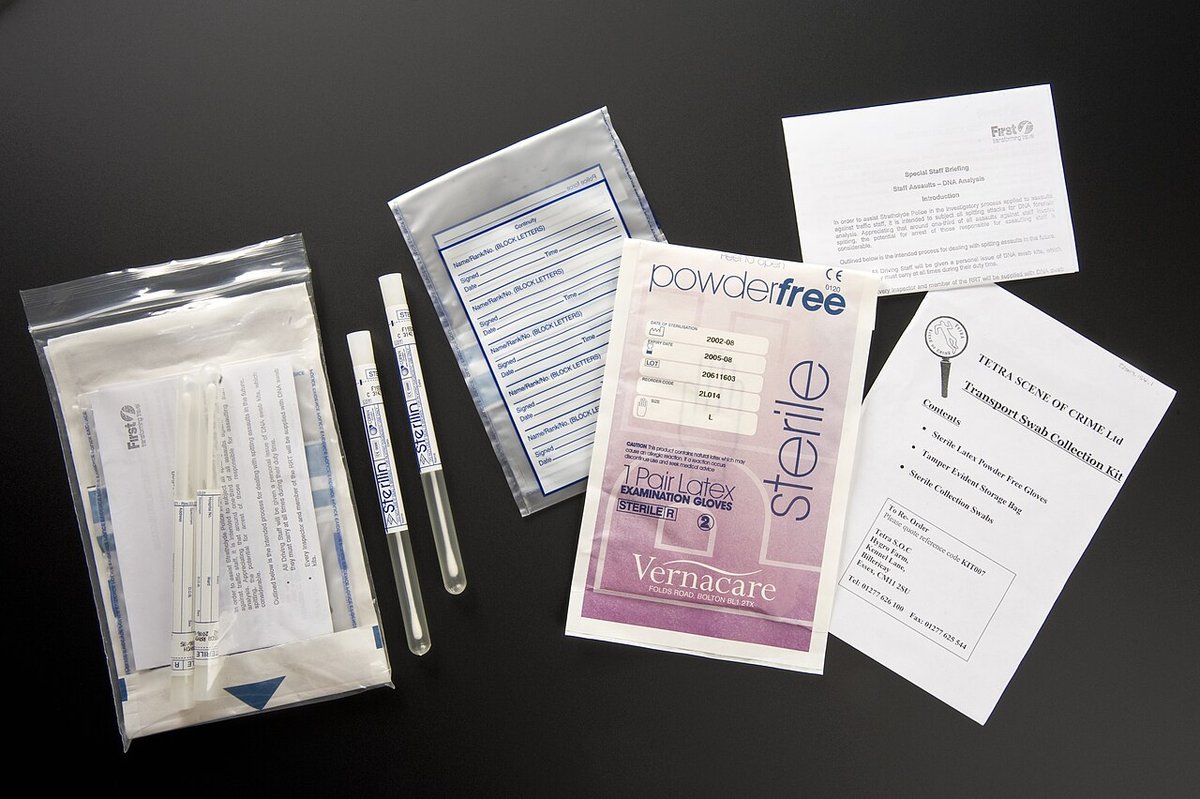
The Food and Drug Administration (FDA) promulgated strict new packaging regulations mandating multi-barrier tamper-evident features on all over-the-counter medications and food products—including foil blister packs, induction-sealed bottle mouths, plastic shrink-wrap neck bands, and gelatin-coated solid caplets designed to prevent capsule opening.
The 1982 investigation remains an open FBI cold case file. The case continues to be taught in criminology, forensic toxicology, and corporate crisis management curricula as the definitive historical event that created the modern safety infrastructure protecting millions of daily consumer transactions.
Chronological Case Timeline
| Date / Milestone | Investigative Development | Forensic / Evidentiary Significance |
|---|---|---|
| September 29, 1982 | First 4 cyanide deaths occur in Chicago area | Mary Kellerman and three Janus family members die within hours |
| September 30, 1982 | Dr. Schaffer isolates potassium cyanide | Forensic toxicology confirms retail capsule tampering |
| October 5, 1982 | Johnson & Johnson issues nationwide recall | Recalls 31 million bottles worth $100M; halts all production |
| December 1982 | James William Lewis arrested in New York | Extortionist arrested; convicted and sentenced to 20 years |
| October 1983 | U.S. Congress passes Federal Anti-Tampering Act | Makes product tampering a federal felony; FDA mandates seals |
| May 2011 | FBI requests DNA samples from Ted Kaczynski | Cold case reviews re-evaluate potential serial suspects |
Frequently Asked Questions: Forensic & Legal Review
How was cyanide introduced into the Tylenol bottles in 1982?
The perpetrator purchased or shoplifted Extra-Strength Tylenol bottles from Chicago-area pharmacies, manually opened the gelatin capsules, replaced the acetaminophen powder with 65mg of potassium cyanide, and returned the tainted bottles to store shelves.
What major packaging changes resulted from the Tylenol murders?
The FDA mandated that all over-the-counter medications feature multiple tamper-evident security barriers, including heat-sealed foil inner seals, plastic shrink-wrap neck bands, blister packs, and transition from openable capsules to solid tamper-proof caplets.
Was anyone ever convicted of the Chicago Tylenol murders?
No. While James William Lewis was convicted of federal extortion for sending a $1 million ransom demand to Johnson & Johnson, investigators concluded he was in New York at the time of the poisonings, and the true poisoner has never been identified.
What was the legal significance of the 1983 Federal Anti-Tampering Act?
Passed by Congress in direct response to the Chicago murders, the Act made tampering with consumer products a major federal crime under FBI jurisdiction, carrying penalties up to life imprisonment for fatal tampering offenses.