On the tranquil shores of Lake Bodom near Espoo, Finland, the brutal early morning massacre of three teenagers camping inside a canvas tent on June 5, 1960, stands as the most famous and heavily scrutinized unsolved homicide in Nordic history. The Lake Bodom murders Espoo Finland traumatized the Finnish nation for over six decades. What began as a primitive 1960s forensic inquiry evolved forty-four years later into a modern scientific battleground featuring advanced computational bloodstain pattern analysis, low-template DNA extraction, and the dramatic 2005 murder trial of the sole survivor, Nils Gustafsson.
Executive Case Factsheet
- Victim(s): Maili Irmeli Björklund (15), Anja Tuulikki Mäki (15), Seppo Antero Boisman (18); Sole Survivor: Nils Wilhelm Gustafsson (18)
- Date of Incident: June 5, 1960
- Primary Crime Scene / Location: Lake Bodom, Espoo, Uusimaa, Finland
- Lead Investigating Jurisdictions: Finnish National Bureau of Investigation (KRP), Espoo Police Department, District Court of Espoo
- Key Forensic Evidence: Blunt force cranial fractures from heavy rocks and knife stab wounds inflicted through collapsed tent canvas, missing shoes hidden 800m away, modern 2004 DNA and bloodstain pattern analysis (BPA) on Gustafsson’s shoes
- Suspect(s) / Perpetrator(s): Nils Wilhelm Gustafsson (arrested and tried in 2005; acquitted of all charges); Karl Valdemar Gyllström (‘Kioskman’); Hans Assmann
- Legal Outcome & Status: Officially unsolved historical triple homicide
The Whitsun Camping Trip and the Morning Massacre
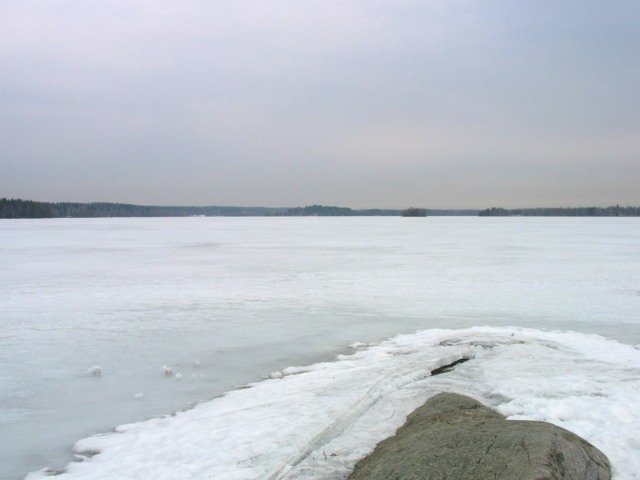
On Saturday, June 4, 1960, four Finnish teenagers—fifteen-year-old Maila Irmeli Björklund, fifteen-year-old Anja Tuulikki Mäki, eighteen-year-old Seppo Antero Boisman, and eighteen-year-old Nils Wilhelm Gustafsson—traveled by motorcycle to camp for the Whitsun holiday weekend at the scenic Cape of Murhaniemi on the southern shores of Lake Bodom, approximately twenty-two kilometers west of Helsinki.
Between 4:00 a.m. and 6:00 a.m. on Sunday, June 5, an unknown assailant attacked the four teenagers while they slept inside their small, single-pole canvas tent. Instead of entering the tent, the attacker struck from the outside, violently slashing the guy ropes, collapsing the heavy fabric over the occupants, and repeatedly bludgeoning their heads through the canvas with large, smooth granite rocks and stabbing them with a sharp knife.
At approximately 11:00 a.m., local swimming carpenter Esko Johansson discovered the collapsed tent covered in dry blood. Lying on top of the collapsed canvas were the bodies of Björklund, Mäki, and Boisman, all deceased from massive cranial trauma and stab wounds. Lying semi-conscious among the dead was Nils Gustafsson, suffering from severe facial lacerations, a fractured jaw, and concussive shock. Crucially, the killer had removed the victims’ shoes, wristwatches, wallets, and motorcycle keys, concealing the items in dense forest brush hundreds of meters away.
The 1960 Crime Scene and Alternative Suspects
The initial 1960 investigation by the Helsinki Police and the National Bureau of Investigation (Keskusrikospoliisi – KRP) was severely compromised by poor crime scene management. Hundreds of curious onlookers and journalists trampled the peninsula before police secured a perimeter, destroying latent footwear impressions and botanical evidence. Finnish military conscripts were deployed to dredge the lake for the murder weapon, recovering various personal effects but never finding the knife or bludgeon.
Two primary external suspects dominated the early investigation. The first was Karl Valdemar Gyllström, known locally as the ‘Kioskman’, an aggressively hostile local kiosk owner who despised campers and frequently cut tent ropes. In 1969, Gyllström drowned in Lake Bodom in an apparent suicide after allegedly drunkenly confessing to a neighbor that he had murdered the teenagers.
The second prominent suspect was Hans Assmann, a suspected KGB operative residing near Lake Bodom who arrived at the Helsinki Surgical Hospital on June 6, 1960, with dirt under his fingernails and red-stained clothing, behaving erratically. However, police cleared Assmann after establishing an alibi, and no conclusive physical evidence linked either man to the crime scene.
The 2004 Forensic Resurgence: DNA and Bloodstain Pattern Analysis
In 2004, forty-four years after the homicides, the National Bureau of Investigation reopened the cold case utilizing state-of-the-art forensic technology. Finnish forensic criminalists re-examined preserved physical evidence from the KRP archives, including the blood-soaked canvas tent and Nils Gustafsson’s recovered leather shoes.
British and Finnish bloodstain pattern analysis (BPA) experts examined microscopic spatter on Gustafsson’s shoes. The prosecution’s forensic experts concluded that the exterior of Gustafsson’s shoes bore cast-off and impact blood spatter from all three deceased victims, but contained zero blood from Gustafsson himself. Furthermore, the inside of the shoes was completely free of blood.
The state formulated a radical new theory: they alleged that Gustafsson had not been inside the tent during the attack, but had worn his shoes while bludgeoning his three friends to death in an alcohol-fueled fit of jealousy over Björklund, subsequently staged the scene, hid the shoes in the woods, and inflicted minor self-injuries to feign victimhood. In March 2004, Finnish authorities formally arrested Nils Gustafsson, charging him with three counts of premeditated murder.
The 2005 Trial of Nils Gustafsson in Espoo District Court
The historic trial commenced in August 2005 before the Espoo District Court. Lead prosecutor Tom Ifström argued that Gustafsson’s injuries in 1960—a fractured mandibular angle and facial bruising—were superficial and inconsistent with surviving a lethal assault that crushed the skulls of his companions. The prosecution emphasized the BPA evidence on his shoes and an alleged ambiguous jailhouse comment: ‘What’s done is done, I’ll get fifteen years.’
The defense, led by prominent attorney Riitta Leppiniemi, mounted a formidable forensic counter-assault. The defense called specialized maxillofacial surgeons who proved that Gustafsson’s 1960 medical records documented severe mandibular fractures and a traumatic brain injury that would have rendered him physically incapable of carrying out three violent murders, hiking 800 meters through rugged forest to hide shoes, and returning to stage the scene.
Furthermore, independent forensic scientists demonstrated that DNA extraction from the tent revealed genetic profiles of an unidentified foreign individual, while no blood from Gustafsson was present on the weapons or the bodies of the victims. The defense argued that Gustafsson’s shoes were positioned outside the tent opening when the killer wore or stood near them during the assault.

Acquittal, State Compensation & Enduring Nordic Enigma
On October 7, 2005, the three-judge panel of the Espoo District Court unanimously acquitted Nils Gustafsson of all charges. The court ruled that the state had failed to prove beyond a reasonable doubt that Gustafsson was the perpetrator, noting that the bloodstain evidence could be explained by alternative spatial scenarios, and that his documented 1960 physical injuries supported his account of being an incapacitated victim.
In 2006, the Finnish State paid Gustafsson €44,900 in statutory compensation for wrongful arrest and psychological distress suffered during his seventy-day pre-trial detention. The verdict was not appealed by the prosecution, permanently affirming his legal innocence under Finnish law.
The Lake Bodom massacre remains an iconic, unresolved mystery in international criminalistics. The case serves as an enduring academic case study on the critical limitations of retroactive bloodstain interpretation decades after a crime, the perils of tunnel vision in historical cold case prosecutions, and the enduring mystique of Nordic true crime lore.
Chronological Case Timeline
| Date / Milestone | Investigative Development | Forensic / Evidentiary Significance |
|---|---|---|
| June 4, 1960 | Four teenagers camp at Lake Bodom | Group sets up single tent at Cape Murhaniemi for holiday weekend |
| June 5, 1960 (04:00–06:00) | Tent massacre occurs | Björklund, Mäki, and Boisman murdered; Gustafsson severely injured |
| June 5, 1960 (11:00) | Bodies discovered by carpenter | Police arrive; shoes found hidden in forest 800 meters away |
| 1969 | Karl Gyllström drowns in Lake Bodom | ‘Kioskman’ suspect dies in apparent suicide after rumors |
| March 2004 | Nils Gustafsson arrested by KRP | Reopened probe charges sole survivor based on modern blood spatter |
| August 2005 | Murder trial begins in Espoo District Court | State and defense clash over medical records and shoe BPA |
| October 7, 2005 | Court unanimously acquits Gustafsson | All charges dismissed; Finnish State pays €44,900 compensation |
Frequently Asked Questions: Forensic & Legal Review
What happened at Lake Bodom on June 5, 1960?
Four teenagers camping in a canvas tent on the shores of Lake Bodom near Espoo, Finland, were attacked through the tent fabric by an unknown assailant using heavy rocks and a knife. Three teenagers were killed and one, Nils Gustafsson, survived with severe facial and cranial fractures.
Why was sole survivor Nils Gustafsson put on trial in 2005?
In 2004, Finnish investigators applied modern bloodstain pattern analysis to Gustafsson’s shoes, claiming they had impact spatter from the victims but no blood from Gustafsson, leading prosecutors to allege he murdered his friends and staged his own injuries.
Why did the court acquit Nils Gustafsson of all charges?
The Espoo District Court ruled that Gustafsson’s documented 1960 jaw fractures and traumatic brain injury made it physically implausible for him to commit the murders and hide evidence, and that the bloodstain patterns could not prove his guilt beyond a reasonable doubt.
Who were the other main suspects in the Lake Bodom murders?
The two primary alternative suspects were Karl Valdemar Gyllström (‘Kioskman’), a hostile local merchant who had a history of cutting tent ropes and reportedly confessed before drowning in 1969, and Hans Assmann, a suspected KGB operative who arrived at a hospital with blood-stained clothing the day after the murders.