
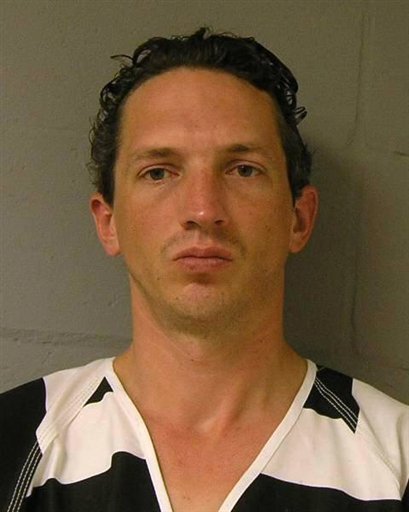
On the sub-zero evening of February 1, 2012, 18-year-old barista Samantha Koenig was abducted at gunpoint from the Common Grounds espresso kiosk in Anchorage, Alaska. The crime initially appeared to be a local kidnapping, but when the perpetrator demanded a $30,000 ransom deposited into Koenig’s stolen debit card, a cross-country digital manhunt was unleashed. The suspect, 34-year-old construction contractor Israel Keyes, proved to be one of the most meticulously organized, forensically conscious serial predators in American history. Keyes operated without a victim profile or geographic boundary, planting pre-positioned ‘kill caches’ containing firearms, silencers, zip ties, and cash years in advance across multiple states. This definitive forensic dossier explores the telematics tracking, debit card electronic audit, kill cache recoveries, and the intense FBI interrogation series.
Executive Case Factsheet
- Victim(s): Confirmed 3 (Samantha Koenig, Bill Currier, Lorraine Currier); admitted 11+ across the US
- Date of Incident: February 1, 2012 (Koenig abduction) – March 13, 2012 (Texas arrest)
- Primary Crime Scene / Location: Common Grounds espresso kiosk, Anchorage, Alaska; Essex, Vermont; nationwide kill caches
- Lead Investigating Jurisdictions: Anchorage Police Department, Federal Bureau of Investigation (FBI), Texas Highway Patrol
- Key Forensic Evidence: Security camera surveillance video, ATM electronic card transactions, white Ford Focus rental GPS telematics, Home Depot Homer bucket kill caches, severed ransom photo
- Suspect(s) / Perpetrator(s): Israel Keyes (34)
- Legal Outcome & Status: Committed suicide in Anchorage Correctional Complex cell on December 2, 2012 while awaiting federal capital trial
The Common Grounds Abduction: Surveillance Video and the Ghost Intruder
At 8:00 p.m. on February 1, 2012, security surveillance footage from the Common Grounds espresso stand on Tudor Road in Anchorage captured a figure wearing a dark parka and ski mask approaching the service window. Armed with a .380-caliber handgun, the intruder forced 18-year-old Samantha Koenig to turn off the exterior lights, zip-tied her wrists, and led her into the snow-covered parking lot.
Anchorage Police Department (APD) detectives, led by Detective Monique Doll and Chief Mark Mew, responded to the missing person report filed by Koenig’s boyfriend. A physical examination of the kiosk revealed no signs of a struggle, no blood, and no weapon casings.
On February 24, after weeks without contact, Koenig’s father received a text message directing authorities to a dog park in Anchorage. There, police recovered a laminated ransom note and a Polaroid photograph showing Samantha holding a four-day-old issue of the *Anchorage Daily News*. The ransom demanded $30,000 deposited into Koenig’s Alaska USA Federal Credit Union account. Unbeknownst to investigators at the time, Keyes had already murdered Koenig, preserved her body in a shed, and sewn her eyelids open with fishing line to stage the photograph before embarking on a cruise.
Forensic Telematics and the Multi-State ATM Electronic Paper Trail
The breakthrough in the investigation came from electronic financial surveillance. Keyes began withdrawing cash increments from Koenig’s debit card using ATMs across the Southwest. FBI Special Agents from the Cyber and Violent Crime Units monitored the transactions in real time: withdrawals were logged in Willcox, Arizona; Lordsburg, New Mexico; and Humble and Shepherd, Texas.
FBI analysts coordinated with regional banking security to pull surveillance camera feeds from each ATM location within minutes of a withdrawal. The images captured a white Ford Focus sedan with distinctive hubcap markings.
Special Agent Jolene Goeden cross-referenced rental car fleet databases across the Southwest, identifying a white 2012 Ford Focus rented from an agency at Phoenix Sky Harbor Airport under the name of Israel Keyes, an Anchorage resident. Telematics data and transaction timestamps allowed the Texas Highway Patrol to set up a tactical perimeter along Interstate 10.
The digital forensic mapping of Israel Keyes’ financial and travel footprint became a benchmark in multi-agency federal cyber tracking. The FBI Behavioral Analysis Unit and digital forensic specialists correlated automated license plate reader (ALPR) hits, commercial airline flight manifests, car rental telematics, and ATM transaction server timestamps down to the millisecond. This multi-layered digital timeline allowed investigators to isolate the exact geographical windows during which Keyes was present in specific states, unlocking dozens of previously disconnected unsolved missing persons cases.
The Lufkin, Texas Traffic Stop and the Search of the White Ford Focus
On the morning of March 13, 2012, Texas State Trooper Bryan Henry spotted the white Ford Focus traveling along Highway 59 in Lufkin, Texas. Trooper Henry initiated a traffic stop for speeding.
When Keyes was ordered to step out, officers observed Samantha Koenig’s stolen debit card, a disguised disguise kit, a cellular telephone, and a roll of duct tape in plain view on the passenger seat. Keyes was immediately placed under custodial arrest.
A full forensic inventory of the rental vehicle yielded Samantha Koenig’s driver’s license, cash withdrawn from Texas ATMs, a .380-caliber semi-automatic pistol, and multiple high-capacity magazines. Keyes was extradited back to Anchorage, Alaska, facing federal charges of kidnapping resulting in death.
The FBI Anchorage Interrogations: Revealing the Pre-Positioned Kill Caches
Between April and July 2012, an elite interrogation team comprising FBI Special Agent Jolene Goeden, Assistant U.S. Attorney Kevin Feldis, and APD Detective Monique Doll conducted over 40 hours of taped interviews with Israel Keyes. Keyes agreed to disclose details of his crimes in exchange for an expedited execution date and a promise not to release his name to the media until his trial.
Keyes revealed an unprecedented operational methodology. Over a ten-year period, he traveled thousands of miles across the country, renting vehicles, flying into distant airports, turning off cellular devices, and paying exclusively in cash.
Most shockingly, Keyes confessed to burying Home Depot orange five-gallon buckets—designated ‘kill caches’—in remote areas across Alaska, Washington, New York, Texas, and Vermont years before selecting a target. These caches contained handguns, sound suppressors, ammunition, Drano, zip ties, and thousands of dollars in cash. Acting on Keyes’ coordinates, FBI Evidence Response Teams excavated kill caches in Essex, Vermont; Blakely, Washington; and Anchorage, confirming his admissions to the June 2011 double homicide of Bill and Lorraine Currier in Vermont.
The Matanuska Lake Recovery, Cellblock Suicide, and Unknown Victim Dossiers
Following his confessions, Keyes directed APD dive teams and FBI specialists to Matanuska Lake in Palmer, Alaska. Forensic divers cut through thick surface ice and recovered the weighted, dismembered remains of Samantha Koenig, along with her personal belongings.
While awaiting trial in the Anchorage Correctional Complex, Keyes grew increasingly frustrated by legal procedural delays and media leaks. On December 2, 2012, correctional officers discovered 34-year-old Israel Keyes dead in his cell from self-inflicted wrist lacerations and strangulation with a bedsheet. Under his mattress, investigators recovered a four-page suicide manifesto written in his own blood, containing grim poetry but no further victim names.
The FBI Behavioral Analysis Unit (BAU) has since linked Keyes to at least 11 homicides nationwide, identifying eleven skull drawings Keyes produced in his own blood while in custody. The Israel Keyes investigation fundamentally reshaped FBI profiling regarding mobile serial predators and forensic digital tracking across state boundaries.
Chronological Case Timeline
| Date / Milestone | Investigative Development | Forensic / Evidentiary Significance |
|---|---|---|
| Feb 1, 2012 | Samantha Koenig abducted from Common Grounds coffee kiosk in Anchorage | APD launches missing person investigation; no physical leads at scene |
| Feb 24, 2012 | Staged Polaroid photograph and ransom note recovered at Anchorage dog park | Perpetrator demands $30,000 deposited into Koenig’s debit card |
| Mar 6-12, 2012 | ATM cash withdrawals logged in Arizona, New Mexico, and Texas | FBI identifies suspect vehicle as white Ford Focus rented by Israel Keyes |
| Mar 13, 2012 | Texas Highway Patrol arrests Israel Keyes in Lufkin, Texas | Recovery of victim’s debit card, cash, firearm, and electronic evidence |
| April 2, 2012 | Forensic dive teams recover Samantha Koenig’s remains from Matanuska Lake | Positive osteological identification confirms homicide |
| April-July 2012 | Keyes confesses to FBI BAU regarding nationwide murders and kill caches | FBI excavates caches in Vermont, Washington, and Alaska |
| Dec 2, 2012 | Israel Keyes commits suicide inside Anchorage Correctional Complex cell | Suicide note in blood recovered; multi-state cold case investigations continue |
Frequently Asked Questions: Forensic & Legal Review
What were Israel Keyes’ ‘kill caches’ and how did he use them?
Israel Keyes buried orange five-gallon Home Depot buckets containing firearms, silencers, ammunition, zip ties, Drano, and cash in remote locations across multiple states (including Alaska, Vermont, New York, and Washington) years before committing homicides. This allowed him to fly into an area, dig up a cache, commit a murder, and leave without transporting weapons on commercial flights.
How was Israel Keyes tracked and arrested in Texas?
Keyes made cash withdrawals using victim Samantha Koenig’s stolen debit card across ATMs in Arizona, New Mexico, and Texas. FBI analysts pulled ATM surveillance footage, identified a white 2012 Ford Focus rental car, traced the rental agreement to Keyes, and alerted the Texas Highway Patrol, who arrested him in Lufkin, Texas.
How many victims did Israel Keyes kill?
Keyes was forensically confirmed to have murdered Samantha Koenig in Alaska and Bill and Lorraine Currier in Vermont. He admitted to killing at least eight other unidentified individuals across Washington, Oregon, and other states, and drew eleven skulls in his own blood while in federal custody.