
Between November 1989 and November 1990, the discovery of seven middle-aged men shot to death and discarded along wooded highway corridors throughout central Florida triggered one of the most complex multi-agency manhunts in the state’s history. The Aileen Wuornos Florida highway serial murders shattered criminological stereotypes regarding female serial offenders, establishing a landmark case study in highway patrol inter-agency task forces, latent palm print identification on stolen personal property, and forensic audio wiretap operations.
Executive Case Factsheet
- Victim(s): Richard Mallory (51), David Spears (43), Charles Carskaddon (40), Peter Siems (65), Troy Burress (50), Charles Dick Humphreys (56), Walter Jeno Antonio (62)
- Date of Incident: November 30, 1989 – November 19, 1990
- Primary Crime Scene / Location: Interstate 75, Interstate 95, and rural corridors across Volusia, Marion, Pasco, and Citrus Counties, Florida
- Lead Investigating Jurisdictions: Florida Department of Law Enforcement (FDLE), Volusia County Sheriff’s Office, Marion County Sheriff’s Office
- Key Forensic Evidence: .22-caliber High Standard revolver ballistics, latent fingerprints lifted from pawn shop receipts and stolen vehicles, covertly recorded motel wiretaps via Tyria Moore
- Suspect(s) / Perpetrator(s):
- Legal Outcome & Status: Convicted of first-degree murder in January 1992; received six death sentences; executed by lethal injection at Florida State Prison on October 9, 2002
The Discovery of Highway Victims Across Central Florida
The pattern emerged on December 13, 1989, when the decomposing body of fifty-one-year-old Clearwater electronics shop owner Richard Mallory was discovered in a wooded junkyard off State Road 40 in Volusia County. Mallory had been shot several times in the chest with a small-caliber weapon, his abandoned vehicle having been recovered days earlier stripped of valuable electronics and personal belongings.
Over the subsequent eleven months, six additional male motorists were discovered along remote stretches of Interstate 75, Interstate 95, and rural state roads in Marion, Pasco, Dixie, and Citrus Counties. Construction worker David Spears, rodeo worker Charles Carskaddon, sausage delivery driver Troy Burress, retired former police chief Charles ‘Dick’ Humphreys, and trucker Walter Jeno Antonio were each discovered shot multiple times at close range. Each victim’s vehicle had been driven miles from their body recovery sites, thoroughly ransacked, and abandoned along interstate off-ramps.
The Florida Department of Law Enforcement (FDLE) recognized an unprecedented predatory profile: an armed transient female operating along interstate truck stops, luring male motorists under the guise of stranded motorist assistance or roadside solicitation before executing them and appropriating their vehicles and property.
FDLE profilers and behavioral specialists noted that unlike male sexual sadists who typically transport victims to private locations for prolonged torture, the perpetrator operated with ruthless tactical efficiency—discharging multiple hollow-point rounds into the chest at point-blank range before immediately looting cash, credit cards, and portable valuables.
Forensic Ballistics, Latent Fingerprints & Pawn Shop Tracking
FDLE ballistic examiners established the crucial evidentiary link connecting the geographically dispersed homicides. Microscopic striation analysis on recovered lead projectiles confirmed that Richard Mallory, Troy Burress, Dick Humphreys, and David Spears were all executed using the same weapon: a solid-frame .22-caliber High Standard nine-shot revolver firing standard-velocity ammunition with a right-hand twist.
The decisive investigative breakthrough occurred through systematic canvassing of pawn shops throughout Volusia and Marion Counties. Detectives identified multiple pawn transactions involving camera equipment, toolsets, and jewelry belonging to Richard Mallory and David Spears. Pawn tickets had been signed under various aliases, including ‘Cammie Marsh Greene’ and ‘Lori Grody’.
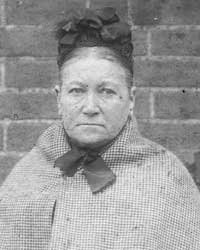
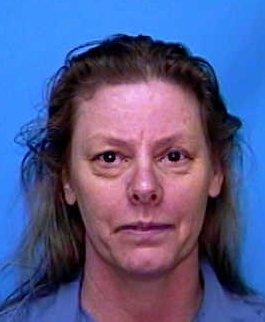
Latent print examiners from the FDLE Crime Laboratory in Orlando lifted palm prints and thumbprints from the pawn slips, matching them to criminal arrest cards for Aileen Carol Wuornos, a thirty-four-year-old native of Rochester, Michigan, with an extensive criminal record under multiple aliases across Florida and Colorado.
Crime scene technicians also isolated matching latent prints from the interior door handles and rearview mirrors of Peter Siems’s abandoned vehicle, establishing an unbroken chain of physical forensic evidence that tied Wuornos directly to the victims’ stolen automobiles.
The Tyria Moore Wiretaps & The Last Resort Biker Bar Takedown
FDLE special agents traced Wuornos to a romantic relationship with twenty-eight-year-old Tyria Moore. In December 1990, Moore fled Florida to stay with relatives in Pittston, Pennsylvania. FDLE and FBI agents intercepted Moore, convincing her to cooperate as a confidential informant in exchange for immunity from prosecution regarding stolen property possession.
Operating from a motel room in Daytona Beach, Moore placed a series of telephone calls to Wuornos that were recorded and monitored by state prosecutors. Over several days of intense emotional conversations, Moore expressed terror that police were closing in on her for the murders. Seeking to protect her lover from execution, Wuornos delivered clear, incriminating statements on tape, explicitly stating: ‘If I have to step up and tell them you had nothing to do with it, I will… I’m the one who did all of them.’
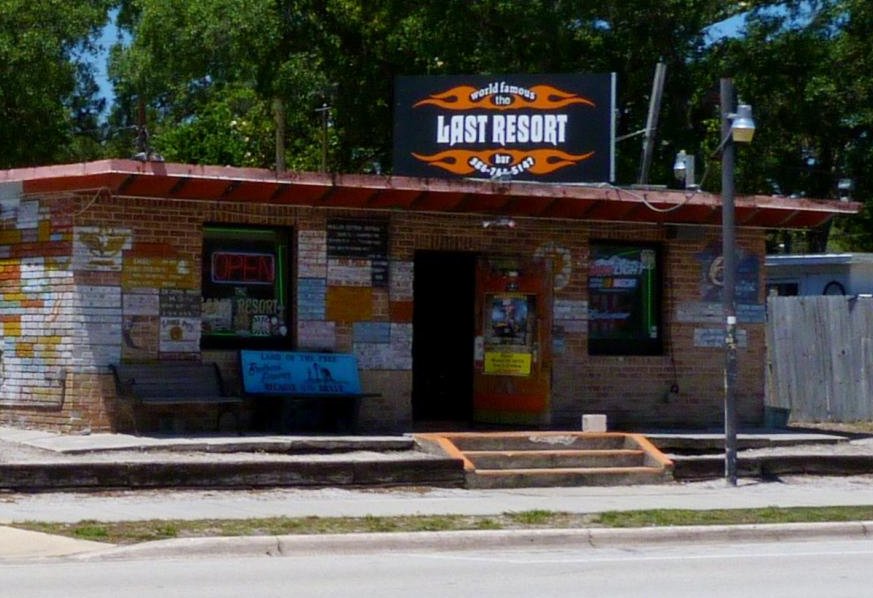
Armed with the wiretap admissions and verified pawn shop fingerprints, Volusia County deputies and undercover FDLE agents tracked Wuornos to The Last Resort, a biker bar in Port Orange, Florida. On January 9, 1991, undercover officers arrested Wuornos without incident on an outstanding concealed weapons warrant.
Following her arrest, investigators searched a public storage unit rented by Wuornos in Volusia County, recovering personal luggage, clothing, and driver’s licenses belonging to several murdered victims, eliminating any possible defense of misidentification.
The Volusia County Trial, Self-Defense Claims & Forensic Refutation
In January 1992, the capital murder trial of Aileen Wuornos commenced at the Volusia County Courthouse in DeLand before Circuit Judge Uriel Blount Jr. Assistant State Attorney John Tanner led the prosecution, focusing on the murder of Richard Mallory. The defense, led by public defender Billy Nolas, argued that Wuornos acted in justifiable self-defense after Mallory violently sodomized and threatened to kill her.
The prosecution methodically dismantled the self-defense claim using forensic wound trajectory analysis and pathology findings. Chief Medical Examiner Dr. Ronald Reeves testified that Mallory had been shot four times in the torso, with two hollow-point bullets penetrating his heart and left lung from distinct firing angles, inconsistent with a desperate struggle on the ground. Furthermore, the systematic theft of Mallory’s wallet, vehicle, and camera equipment established clear premeditation for robbery.
Under Florida’s Williams Rule, prosecutors were permitted to introduce evidence of the other six homicides to establish a consistent pattern, motive, and modus operandi. On January 27, 1992, the jury found Wuornos guilty of first-degree murder, recommending the death penalty by a 10–2 vote.
The forensic testimony presented by state ballistics experts proved conclusive, demonstrating that the probability of seven separate individuals being killed in identical circumstances with the exact same firearm under random self-defense encounters was statistically impossible.
Subsequent Pleas, Death Row & Lethal Injection Execution
Following her initial conviction, Wuornos entered no-contest and guilty pleas to five additional murders across Marion, Citrus, and Pasco Counties to avoid further prolonged trials, receiving a total of six death sentences. During her decade on Florida’s death row at Broward Correctional Institution, Wuornos engaged in numerous psychiatric evaluations that revealed severe borderline personality disorder, childhood trauma, and persecutory delusions.
In 2001, Wuornos dismissed her legal counsel and petitioned the Florida Supreme Court to terminate all pending appeals, declaring that she harbored hatred for humanity and would kill again if released. Governor Jeb Bush ordered a psychiatric sanity assessment by three state-appointed psychiatrists, who unanimously found her competent to be executed.
On October 9, 2002, Aileen Wuornos was executed by lethal injection at Florida State Prison in Raiford. The investigation remains a cornerstone curriculum study in FBI behavioral profiling, pawn database forensics, and the critical evidentiary value of covert consensual wiretaps in complex serial homicide investigations.
The case also established new judicial protocols regarding victim rights, legal sanity determinations in capital cases, and interstate law enforcement data sharing across municipal sheriff departments.

Chronological Case Timeline
| Date / Milestone | Investigative Development | Forensic / Evidentiary Significance |
|---|---|---|
| November 30, 1989 | Richard Mallory murdered in Volusia County | First victim discovered; small-caliber gunshot wounds identified |
| June–November 1990 | Six additional highway victims discovered | FDLE forms multi-agency highway serial murder task force |
| December 1990 | Pawn shop thumbprints match Aileen Wuornos | Identifies prime suspect through stolen electronics sales |
| January 5–8, 1991 | Tyria Moore records consensual wiretap calls | Wuornos admits sole responsibility for highway killings |
| January 9, 1991 | Wuornos arrested at The Last Resort biker bar | Apprehended in Port Orange; .22 revolver ballistics linked |
| January 27, 1992 | Jury convicts Wuornos of first-degree murder | Sentenced to death in Volusia County Courthouse |
| October 9, 2002 | Aileen Wuornos executed at Florida State Prison | Lethal injection carried out in Raiford after appeals dismissed |
Frequently Asked Questions: Forensic & Legal Review
What physical evidence linked Aileen Wuornos to the highway murders?
Latent palm prints and thumbprints lifted from Volusia County pawn shop slips where Wuornos sold victim Richard Mallory’s camera and electronics matched her arrest records. Microscopic ballistics matching also confirmed that lead bullets from four separate crime scenes were fired from the same .22-caliber High Standard revolver.
How was Tyria Moore involved in the arrest of Aileen Wuornos?
Tyria Moore, Wuornos’s romantic partner, agreed to cooperate with the FDLE and FBI from Pennsylvania. Over several days, Moore made consensual recorded telephone calls to Wuornos in Daytona Beach, eliciting direct verbal confessions where Wuornos admitted to all seven killings to protect Moore from prosecution.
Why was the self-defense argument rejected at trial?
Forensic pathologists proved that victim Richard Mallory had been shot four times in the torso with hollow-point ammunition from angles inconsistent with an immediate struggle. Furthermore, prosecutors introduced evidence under the Williams Rule showing a systematic pattern of armed robbery and vehicle theft across seven identical highway incidents.