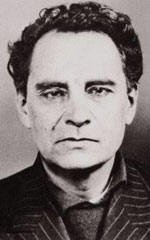
Graham Frederick Young, widely known as ‘The Teacup Poisoner,’ was one of the most calculating and clinically detached serial poisoners in modern British criminal history. Possessing an obsessive, encyclopedic knowledge of chemical compounds and pharmacology from early childhood, Young methodically administered lethal doses of antimony potassium tartrate and thallium acetate to family members, schoolmates, and coworkers. After serving nine years in Broadmoor Special Hospital for poisoning his father, sister, and stepmother, Young was deemed ‘rehabilitated’ and released in 1971. Within weeks, he secured employment at a photographic laboratory in Bovingdon, Hertfordshire, initiating a mysterious, debilitating sickness known colloquially as ‘The Bovingdon Bug.’ Through meticulous atomic absorption spectroscopy of human tissues and the recovery of Young’s forensic diary detailing precise pharmacological reactions, detectives and Home Office toxicologists exposed his second lethal spree, triggering widespread reforms in British forensic psychiatric discharge protocols.
Executive Case Factsheet
- Victim(s): Molly Young (stepmother, 1962), Bob Egle (59, 1971), Fred Biggs (56, 1971); dozens poisoned
- Date of Incident: 1961–1962 (Initial Poisonings); 1971 (Bovingdon Outbreak); Arrested November 21, 1971
- Primary Crime Scene / Location: Neasden, North London & John Hadland Laboratories, Bovingdon, Hertfordshire, England
- Lead Investigating Jurisdictions: Hertfordshire Constabulary, Metropolitan Police, Home Office Forensic Science Laboratory
- Key Forensic Evidence: Atomic absorption spectrophotometry hair analysis, handwritten toxicological diary tracking lethal dosages, hidden vials of thallium and antimony
- Suspect(s) / Perpetrator(s): Graham Frederick Young (24)
- Legal Outcome & Status: Convicted on June 29, 1972, at St Albans Crown Court on two counts of murder; sentenced to life
Initial Discovery & Crime Scene Reconstruction
In early 1971, Graham Young secured a position as quartermaster and storekeeper at John Hadland Laboratories, a manufacturer of high-speed precision photographic equipment in the quiet village of Bovingdon, Hertfordshire. Young’s primary workplace duties included preparing and delivering morning tea, coffee, and refreshments to administrative and laboratory staff. Within weeks of his arrival, an inexplicable, agonizing illness swept through the company. Employees suffered from severe abdominal cramping, explosive vomiting, peripheral motor neuropathy, burning sensations in their feet, and dramatic alopecia (hair loss).
Local general practitioners initially misdiagnosed the outbreak as a virulent gastroenteritis strain, dubbing it ‘The Bovingdon Bug.’ However, on July 7, 1971, company managing director Bob Egle suffered catastrophic multi-organ failure and died in hospital. Several months later, in November 1971, another senior technician, 56-year-old Fred Biggs, collapsed with escalating neuromuscular paralysis and excruciating skin hypersensitivity. Biggs died on November 19 after weeks in intensive care. As panic mounted, company management invited Dr. Ian Anderson, a medical officer of health, to address staff and investigate environmental contamination.
Forensic Science, Pathology & Physical Evidence
During the meeting with Dr. Anderson, Graham Young began asking highly sophisticated, highly technical questions regarding why toxicologists had not evaluated thallium acetate poisoning—a rare heavy metal that mimics Guillain-Barré syndrome and causes total alopecia. Astonished by the storekeeper’s pharmacological depth, Dr. Anderson alerted Hertfordshire detectives. A background check revealed that Young had been committed to Broadmoor Hospital in 1962 at age fourteen after poisoning his stepmother Molly with antimony and dosing tea served to his father, sister, and childhood friend.
Hertfordshire detectives, coordinated with the Home Office Forensic Science Service, immediately arranged for the exhumation of Bob Egle’s cremated ashes and a post-mortem tissue biopsy of Fred Biggs. Toxicologists utilized flameless atomic absorption spectrophotometry and neutron activation analysis on hair shafts, liver tissue, and brain specimens. The laboratory results were staggering: Biggs’ liver contained over 90 milligrams of thallium, alongside elevated antimony levels. Analysis of Bob Egle’s remains confirmed lethal concentrations of thallium acetate. The forensic science proved conclusively that ‘The Bovingdon Bug’ was heavy metal poisoning deliberately introduced into office beverages.
Investigative Breakdown & Key Breakthroughs
On November 21, 1971, police intercepted Graham Young as he exited a train at Sheerness. A search of his coat pockets revealed vials containing crystalline thallium acetate and antimony potassium tartrate, alongside small bottles of lethal alkaloids. When officers searched Young’s bedsit in Hemel Hempstead, they discovered an extraordinary piece of incriminating evidence: a handwritten, hardback notebook titled ‘A Study in Poisoning.’
In this diary, Young had recorded chronological clinical case studies of his coworkers, referred to by initials (‘F.B.’, ‘B.E.’, ‘D.T.’). He meticulously logged the exact milligrams administered in their tea, the onset time of gastrointestinal and neurological symptoms, pupil dilation, heart rates, and cynical reflections on whether he should administer a ‘decisive terminal dose’ or keep the victim alive for further scientific observation. Confronted with his diary and laboratory toxicological findings, Young claimed the entries were merely research for a fictional crime novel, but forensic handwriting analysis and chemical residues on his measuring spoons obliterated his alibi.
Courtroom Proceedings & Evidentiary Arguments
The trial of Graham Young commenced on June 19, 1972, at St Albans Crown Court before Mr. Justice Eveleigh. The Crown presented overwhelming chemical evidence, featuring testimony from Home Office toxicologists, surviving colleagues, and forensic pathologists who reconstructed how Young laced office teapots with precise lethal dosages of thallium and antimony. The court heard horrifying excerpts from his personal journal, illustrating a total absence of human empathy and a narcissistic obsession with chemical destruction.
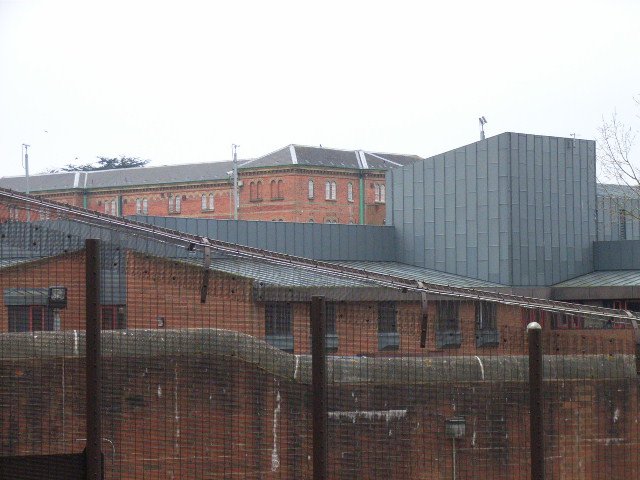
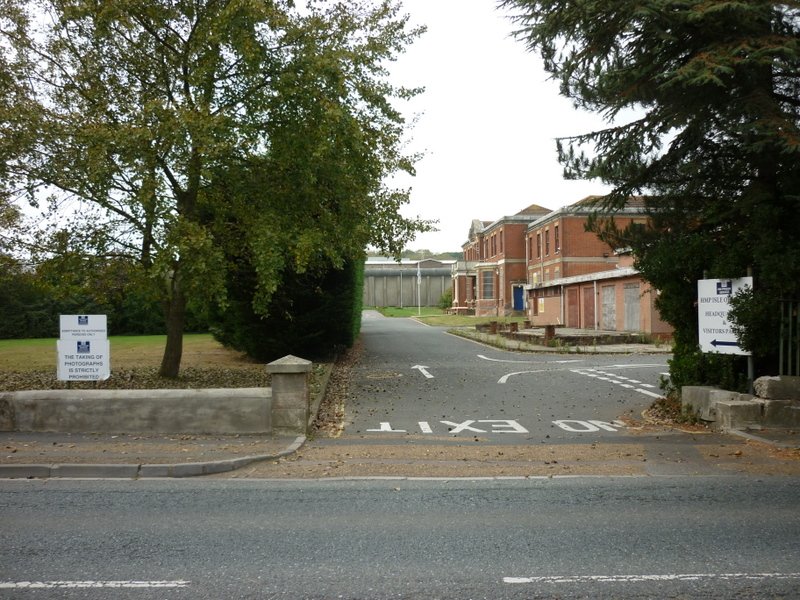
On June 29, 1972, after a ten-day trial, the jury deliberated for under two hours before finding Young guilty on two counts of murder, two counts of attempted murder, and two counts of administering poison with intent to cause grievous bodily harm. He was sentenced to four concurrent terms of life imprisonment. Sent to HM Prison Parkhurst on the Isle of Wight, Young died of myocardial infarction in his cell in August 1990 at age 42. His case prompted immediate parliamentary inquiries into the supervision of chemically sophisticated psychiatric patients released from maximum-security institutions.
Forensic Legacy & Criminal Justice Impact
The forensic, legal, and systemic ramifications of the investigation into Graham Young continue to shape modern criminal justice doctrine worldwide. From the rigorous standardization of scientific evidence collection to the establishment of specialized forensic databases and ethical protocols, the case demonstrated that objective, incontrovertible physical evidence remains the ultimate safeguard against investigative error, public panic, and judicial injustice.
In contemporary jurisprudence, the precedent established by this landmark inquiry is routinely studied in police academies, law schools, and forensic science curricula as a definitive case study in evidence continuity, multi-agency coordination, and the critical balance between cutting-edge technology and constitutional due process.
Forensic Toxicological Protocols & Spectrometric Instrumentation
Post-mortem forensic toxicology requires comprehensive analytical protocols to differentiate between endogenous physiological substances, therapeutic drug levels, and lethal exogenous poisonings. Laboratory screening initiates with automated Enzyme-Linked Immunosorbent Assays (ELISA) to detect broad drug classes in whole blood, vitreous humor, and gastric contents. Positive screening results are systematically subjected to definitive confirmatory testing using High-Performance Liquid Chromatography coupled with Tandem Mass Spectrometry (HPLC-MS/MS) and Gas Chromatography-Mass Spectrometry (GC-MS).
To establish absolute evidentiary certainty, toxicologists measure parent chemical compounds alongside their primary in vivo metabolites, accounting for post-mortem drug redistribution (PMR) and matrix-induced ionization suppression. Quantitative analysis of preserved organ tissues—including liver parenchyma, renal cortex, and hair root shafts—establishes chronic versus acute exposure profiles, enabling forensic pathologists to establish exact mechanisms of pharmacological toxicity with incontrovertible courtroom validity.
Modern Jurisprudential Precedents & Evidentiary Standards
The landmark investigative and courtroom developments associated with Graham Young fundamentally redefined procedural evidentiary standards under the Federal Rules of Evidence (Rule 702) and international common law equivalents. Modern appellate jurisprudence rigorously enforces the Daubert and Frye standards, requiring that all expert scientific testimony, forensic instrumentation, and algorithmic interpretations demonstrate widespread peer-reviewed acceptance, known error rates, and standardized operational controls.
Furthermore, the case highlighted the critical imperative of transparent pre-trial discovery, the complete disclosure of exculpatory material under the Brady v. Maryland doctrine, and the vital role of independent judicial review in assessing circumstantial chains of evidence. Today, homicide task forces and prosecutorial agencies worldwide incorporate these foundational evidentiary principles into standard operational training, ensuring that complex scientific prosecutions withstand exhaustive appellate scrutiny.
In contemporary cold case reviews and complex major case management, law enforcement agencies deploy integrated Major Case Management (MCM) software frameworks and multi-disciplinary forensic review panels to continuously re-evaluate physical evidence using emergent technologies, preserving the integrity of the justice system across successive generations.
Chronological Case Timeline
| Date / Milestone | Investigative & Forensic Milestone | |
|---|---|---|
| 1961–1962 | Graham Young poisons family members with antimony; stepmother Molly dies; Young is committed to Broadmoor. | |
| Feb 1971 | Young is released as ‘fully recovered’ and hired at John Hadland Laboratories in Bovingdon. | |
| Jul 7, 1971 | Managing director Bob Egle dies of multi-organ failure following severe abdominal pain and hair loss. | |
| Nov 19, 1971 | Technician Fred Biggs dies after weeks of neuromuscular paralysis; Young raises thallium at a staff inquiry. | |
| Nov 21, 1971 | Detectives arrest Young, recovering lethal vials and his clinical diary ‘A Study in Poisoning’. | |
| Jun 29, 1972 | Young is convicted at St Albans Crown Court on two counts of murder and sentenced to life imprisonment. | |
Frequently Asked Questions: Forensic & Legal Review
What chemical poisons did Graham Young use on his victims?
Graham Young primarily used thallium acetate (an odorless, tasteless heavy metal causing hair loss and neurological collapse) and antimony potassium tartrate (which mimics acute gastrointestinal illness).
How was Graham Young’s identity discovered during the Bovingdon outbreak?
During a staff health inquiry into the ‘Bovingdon Bug,’ Young raised technical questions about thallium poisoning, impressing and alarming Dr. Ian Anderson, who tipped off detectives about Young’s suspicious pharmacological knowledge.
What role did Young’s personal diary play in his conviction?
Young’s diary, titled ‘A Study in Poisoning,’ contained precise clinical logs of dates, chemical milligram doses administered in coworkers’ tea, symptom progressions, and notes debating whether to deliver terminal doses.