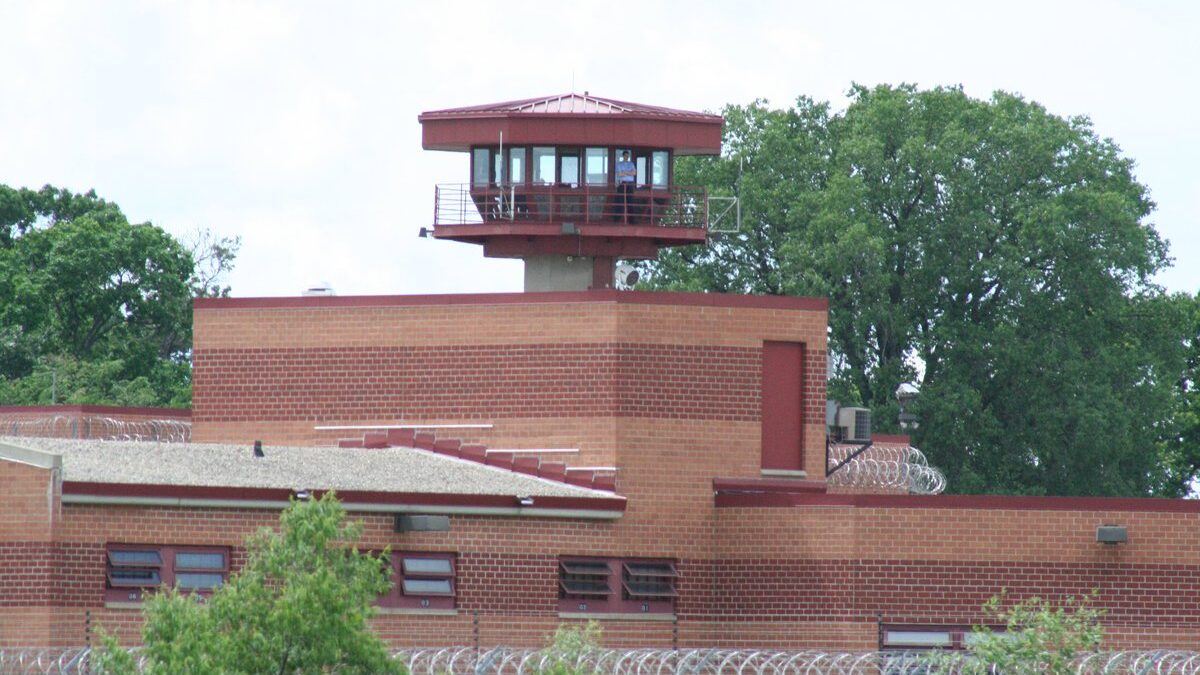
On the night of July 22, 1991, a handcuffed man fleeing an apartment building in central Milwaukee flagged down a passing patrol car, leading officers to uncover the most horrifying serial murder crime scene in contemporary American history. The Jeffrey Dahmer Milwaukee cannibal Oxford Apartments forensics investigation revealed a thirteen-year campaign of abduction, necrophilia, cannibalism, and anatomical preservation that fundamentally altered urban policing standards and forensic psychiatric sanity litigation.
Executive Case Factsheet
- Victim(s): 17 murdered boys and young men (including Steven Hicks, Steven Tuomi, Jamie Doxtator, Richard Guerrero, Anthony Sears, Raymond Smith, Edward Smith, Ernest Miller, David Thomas, Curtis Straughter, Errol Lindsey, Tony Hughes, Konerak Sinthasomphone, Matt Turner, Jeremiah Weinberg, Oliver Lacy, Joseph Bradehoft)
- Date of Incident: June 18, 1978 – July 22, 1991
- Primary Crime Scene / Location: Oxford Apartments #213, 924 North 25th Street, Milwaukee, Wisconsin and Bath Township, Ohio
- Lead Investigating Jurisdictions: Milwaukee Police Department, Milwaukee County Medical Examiner’s Office, Federal Bureau of Investigation
- Key Forensic Evidence: Polaroid photographic documentation of dismemberment, 57-gallon blue chemical drum containing hydrochloric acid, refrigerated human organs and skeletal trophies, full confessions
- Suspect(s) / Perpetrator(s):
- Legal Outcome & Status: Pleaded guilty but insane; jury found him legally sane in February 1992; sentenced to 16 consecutive life sentences (941 years); beaten to death by inmate Christopher Scarver at Columbia Correctional Institution on November 28, 1994
The Tracy Edwards Escape & Apartment 213 Entry
At approximately 11:30 p.m. on Monday, July 22, 1991, Milwaukee Police Officers Robert Mueller and Rolf Mueller encountered thirty-two-year-old Tracy Edwards running along Kilbourn Avenue with a pair of handcuffs dangling from his left wrist. Edwards reported that an acquaintance had invited him to his apartment for beers and photographs, drew a large chef’s knife, held him captive, and chanted while listening to his heartbeat.
Officers accompanied Edwards back to Apartment 213 of the Oxford Apartments at 924 North 25th Street to retrieve the handcuff keys. Inside the small, foul-smelling one-bedroom apartment, thirty-one-year-old Jeffrey Lionel Dahmer calmly claimed the incident was a misunderstanding.
While looking for the keys inside a bedside dresser, Officer Mueller opened a drawer and discovered an open box of Polaroid photographs. The images depicted human torsos and severed heads in various stages of dismemberment. Mueller drew his firearm and shouted to his partner: ‘These are real!’
Dahmer lunged at the officers, but was quickly tackled to the carpet, handcuffed, and placed under arrest as backup units and homicide detectives were dispatched to the scene.

The Forensic Processing of the Oxford Apartments
The processing of Apartment 213 by the Milwaukee County Medical Examiner’s Office and forensic criminalists spanned four days and nights under the leadership of Chief Medical Examiner Dr. Jeffrey Jentzen. The scene contained an extraordinary concentration of anatomical human specimens preserved in freezers, closets, and chemical drums.
Inside the refrigerator and freezer, pathologists discovered three severed human heads, two hearts wrapped in plastic bags, and portions of human muscle tissue packaged for consumption. Inside a fifty-seven-gallon blue industrial plastic drum, criminalists discovered three human torsos dissolving in a concentrated hydrochloric acid bath.
Forensic anthropologists cataloged eleven human skulls, complete skeletons, and painted facial bones inside a filing cabinet and closet. Search teams also recovered chemical solvents, chloroform, power saws, and seventy-four Polaroid photographs meticulously documenting the progressive butchery of each victim.
Forensic odontologists and fingerprint examiners worked around the clock at the county morgue, using dental comparison records and reconstructed friction ridges to identify seventeen victims murdered between 1978 and 1991.
The Jeffrey Dahmer case exposed catastrophic institutional failures in metropolitan policing and revolutionized forensic anthropology. The emergency response protocols of the Milwaukee Police Department underwent severe structural reforms following the tragic May 1991 release of Konerak Sinthasomphone back into Dahmer’s custody. In the forensic arena, Dr. Jentzen’s and Dr. Haglund’s meticulous skeletal reassociation techniques set international standards for processing large-scale human osteological repositories within contaminated urban crime scenes.
The Confessions, Modus Operandi & The Ohio Cold Case
Over sixty hours of exhaustive interrogation conducted by Milwaukee Police Detectives Patrick Kennedy and Dennis Murphy, Dahmer waived his Miranda rights and provided a complete, unflinching confession. Dahmer explained that his motive was not hatred or sadistic anger, but rather an overwhelming, pathological desire to create compliant, permanent human companions who could never leave him.
Dahmer admitted that he lured victims from gay bars, shopping malls, and bus stations back to his apartment with offers of money for photographic modeling. He would then drug their drinks with heavy doses of Halcion sleeping pills before strangling them with leather straps or bare hands.
Dahmer also confessed to the unsolved June 1978 murder of nineteen-year-old hitchhiker Steven Hicks inside his childhood home in Bath Township, Ohio. Following Dahmer’s detailed directions, Ohio State Highway Patrol investigators and FBI agents excavated the wooded property in Bath Township, recovering bone fragments and dental remains that scientifically corroborated the initial 1978 homicide.
Pathological analysis revealed that Dahmer had attempted crude psychosurgical procedures, drilling burr holes into the skulls of living victims and injecting hydrochloric acid in an attempt to induce a zombie-like state of permanent compliance.
The Sanity Trial & The Battle of Forensic Psychiatrists
In January 1992, the murder trial of Jeffrey Dahmer commenced at the Milwaukee County Courthouse before Circuit Judge Laurence Gram Jr. Because Dahmer had pleaded guilty to fifteen counts of first-degree murder, the trial focused entirely on the sanity phase: whether Dahmer was legally responsible for his actions under Wisconsin’s American Law Institute insanity standard.
Defense attorney Gerald Boyle presented expert testimony from forensic psychiatrist Dr. Fred Berlin of Johns Hopkins University, arguing that Dahmer suffered from uncontrollable paraphilic necrophilia, borderline personality disorder, and severe psychotic delusions that impaired his capacity to conform his conduct to the law.
Prosecutor E. Michael McCann countered with testimony from state forensic psychiatrist Dr. Phillip Resnick, who proved that Dahmer acted with meticulous calculation: disposing of remains, cleaning crime scenes, manufacturing excuses for police, and storing bodies in sealed drums to conceal odors.
On February 15, 1992, after five hours of deliberation, the jury rejected the insanity defense, ruling by a 10–2 vote that Dahmer was legally sane and criminally responsible for all fifteen homicides.
Sentencing, Columbia Correctional Institution & Cultural Reckoning
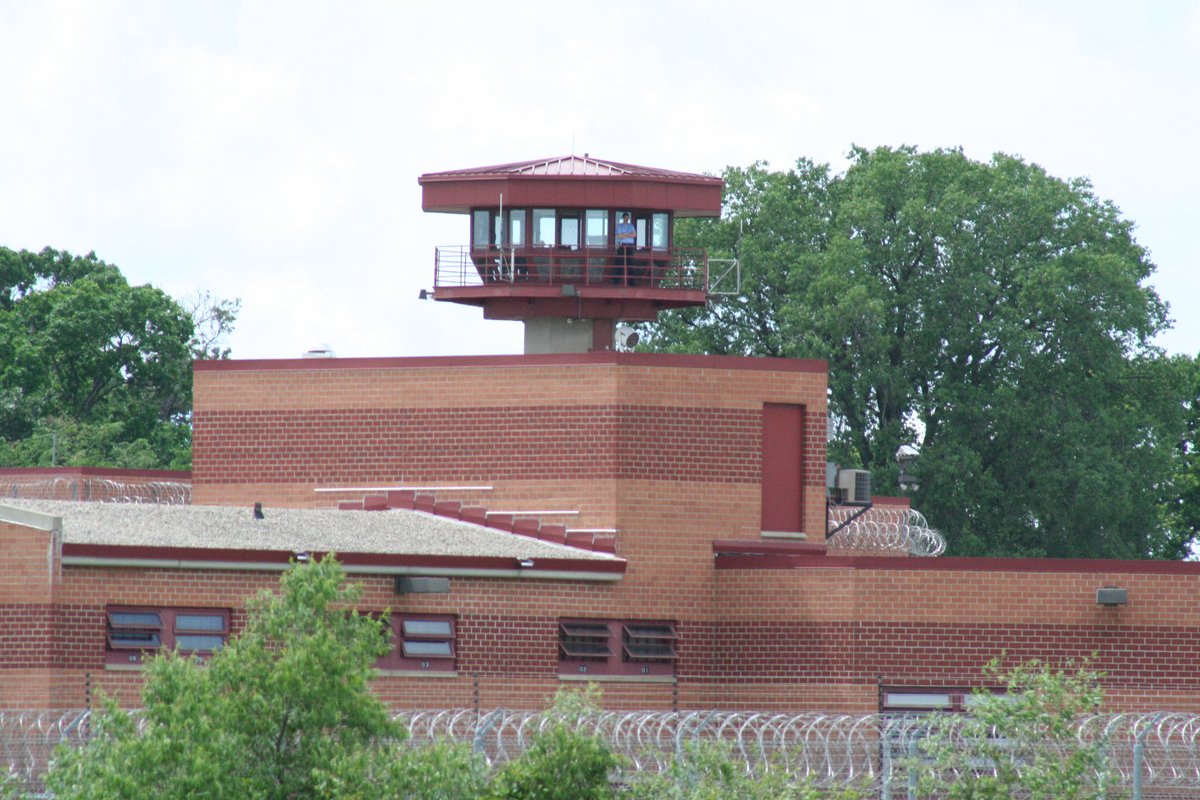
Judge Laurence Gram sentenced Jeffrey Dahmer to fifteen consecutive life terms, followed by an additional life sentence in Ohio, totaling 941 years without the possibility of parole. Dahmer was incarcerated at the maximum-security Columbia Correctional Institution in Portage, Wisconsin.
On the morning of November 28, 1994, while on work detail in the prison gymnasium, Dahmer was bludgeoned to death with a twenty-inch iron weight bar by fellow inmate Christopher Scarver, dying at age thirty-four.
The Dahmer investigation forced sweeping reforms in the Milwaukee Police Department regarding racial bias, LGBTQ+ community relations, and dispatch handling, notably concerning the tragic May 1991 incident where officers returned fourteen-year-old escaped victim Konerak Sinthasomphone to Dahmer’s custody.
The Oxford Apartments building was completely demolished in November 1992, and the case remains an indelible landmark in modern forensic pathology, chemical crime scene decontamination, and the legal definition of criminal sanity.
Chronological Case Timeline
| Date / Milestone | Investigative Development | Forensic / Evidentiary Significance |
|---|---|---|
| June 18, 1978 | Steven Hicks murdered in Bath Township, Ohio | First homicide committed at Dahmer childhood home |
| May 1990 | Dahmer moves into Oxford Apartments #213 | Location of twelve subsequent dismemberment homicides |
| July 22, 1991 | Tracy Edwards escapes; Apartment 213 searched | Police discover Polaroids, severed heads, and acid drum |
| July 23–26, 1991 | Medical examiner catalogs 17 victim remains | Anthropological and dental identification of 17 victims |
| February 15, 1992 | Jury finds Dahmer legally sane | Sentenced to 16 consecutive life terms (941 years) |
| November 1992 | Oxford Apartments building demolished | Site leveled following community demands |
| November 28, 1994 | Dahmer killed inside Columbia Correctional Institution | Bludgeoned by inmate Christopher Scarver in Portage, WI |
Frequently Asked Questions: Forensic & Legal Review
How was Jeffrey Dahmer caught in July 1991?
Thirty-two-year-old Tracy Edwards escaped from Dahmer’s apartment with a pair of handcuffs dangling from his wrist and flagged down two Milwaukee police officers. When officers entered Apartment 213 to retrieve the handcuff keys, they discovered Polaroid photos of dismembered bodies inside a dresser, leading to Dahmer’s immediate arrest.
What physical evidence was recovered from Apartment 213?
Medical examiners recovered three severed human heads in the refrigerator, two preserved human hearts, eleven human skulls, complete skeletal remains, seventy-four Polaroids documenting dismemberments, and a 57-gallon drum containing three human torsos dissolving in hydrochloric acid.
Why was Jeffrey Dahmer found legally sane at trial?
Although defense psychiatrists argued Dahmer suffered from severe necrophilia and mental illness, prosecution experts proved he exercised conscious choice and calculation: stalking victims, drugging them in private, meticulously cleaning blood, disposing of remains in chemicals, and concealing evidence from authorities.