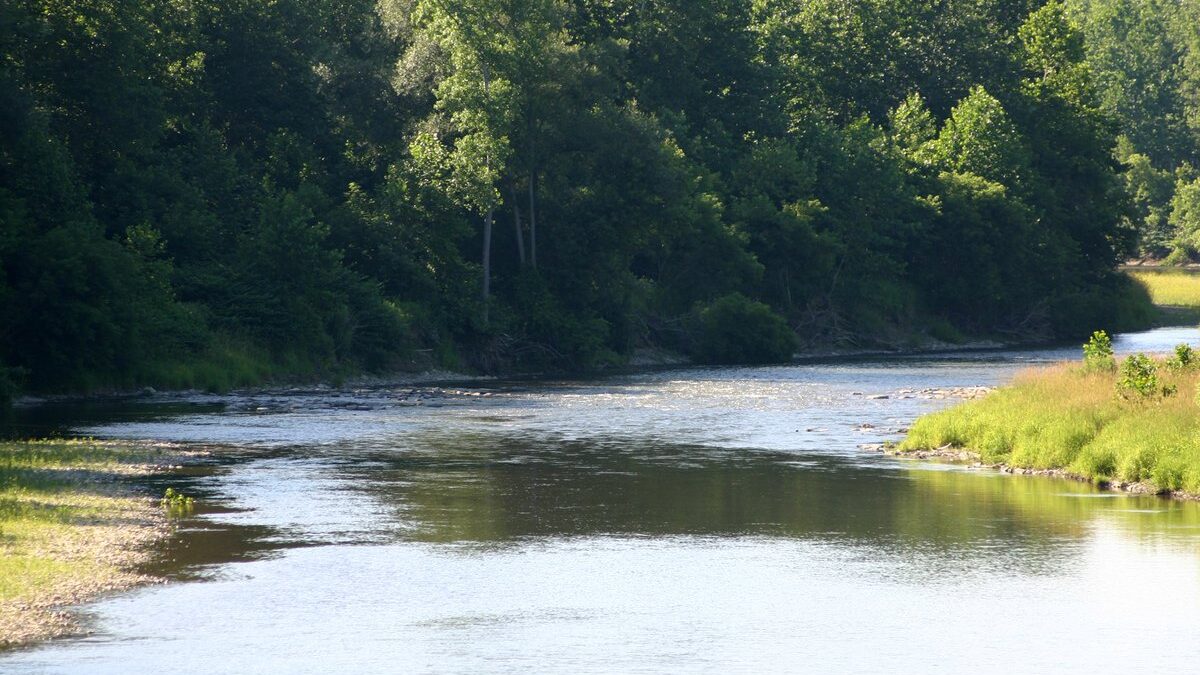
Between March 1988 and January 1990, the city of Rochester and surrounding Monroe County, New York, were terrorized by a serial predator who preyed upon vulnerable sex workers, strangling them and discarding their bodies in the frozen waters, marshes, and ravines of the Genesee River basin. Known as ‘The Genesee River Killer,’ the perpetrator operated with chilling impunity, evading joint task forces until law enforcement deployed tactical aerial helicopter surveillance. On January 3, 1990, a New York State Police helicopter spotted 44-year-old paroled child-killer Arthur Shawcross standing on a secluded bridge near Salmon Creek, urinating into the snow just yards from the freshly deposited body of his latest victim. Combined with forensic odontological bite mark matching and Shawcross’s exhaustive recorded confessions, the investigation brought an end to one of the deadliest serial murder sprees in upstate New York history.
Executive Case Factsheet
- Victim(s): 11 women (1988–1990) + 2 children in 1972 (Jack Blake, Karen Hill)
- Date of Incident: March 1988 – January 1990; Arrested January 3, 1990
- Primary Crime Scene / Location: Genesee River basin, Rochester and Monroe County, New York
- Lead Investigating Jurisdictions: Monroe County Sheriff’s Office, Rochester Police Department, New York State Police
- Key Forensic Evidence: Aerial helicopter surveillance catching suspect near fresh crime scene, forensic odontological bite mark match on victim’s shoulder, tire impressions
- Suspect(s) / Perpetrator(s): Arthur John Shawcross (44)
- Legal Outcome & Status: Convicted of 10 counts of second-degree murder on November 7, 1990; sentenced to 250 years
Initial Discovery & Crime Scene Reconstruction
The serial murder spree began in March 1988, when the frozen remains of 27-year-old Dorothy Blackburn were recovered from the Genesee River. Over the subsequent twenty-two months, ten more female bodies were discovered across rural Monroe and Wayne Counties, submerged under brush, wrapped in plastic sheeting, or discarded near remote drainage bridges. The victims—including Anna Marie Steffan, Patricia Ives, June Stott, and Felicia Stephens—had all been manually strangled or bludgeoned, with several exhibiting post-mortem mutilation and human bite marks.
The Rochester Police Department and Monroe County Sheriff’s Office formed a dedicated multi-agency homicide task force. Investigators recognized that the killer was revisiting body disposal sites, often displaying necrophilic behaviors or returning to conceal evidence. Recognizing the geographic clustering of dumping sites near frozen waterways, police brass instituted high-frequency aerial helicopter patrols across known waterways, bridges, and desolate wooded trails throughout the county.
Forensic Science, Pathology & Physical Evidence
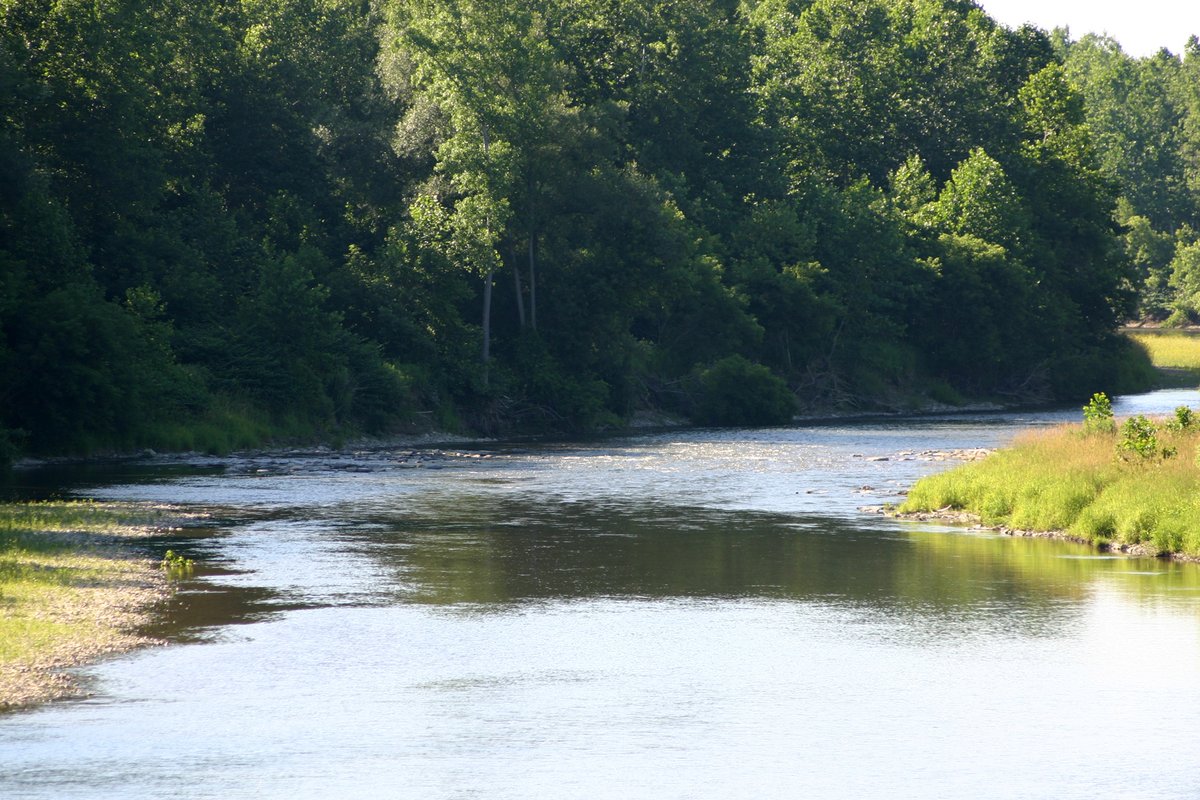
Forensic pathology played a pivotal role in linking the disparate crime scenes. Chief Medical Examiner Dr. Nicolas Forbes conducted detailed autopsies on each recovered victim, identifying matching ligature marks, fingernail scratches, and specific cutaneous human bite marks on the shoulder and chest tissues of victim June Stott. Forensic odontologists created dental stone casts of the contusions, measuring dental arch widths, tooth spacing, and distinct malocclusions (crooked incisors) that created a distinct physical ‘dental signature’.
Simultaneously, crime scene technicians cast tire tread impressions left in mud and snow near Salmon Creek. The impressions exhibited distinct asymmetrical tread wear patterns consistent with a late-model domestic sedan. Forensic pathologists also established that the killer operated with intense physical strength, causing hyoid bone fractures and cricoid cartilage crushing in every victim examined, ruling out an inexperienced or frail perpetrator.
Investigative Breakdown & Key Breakthroughs
On the afternoon of January 3, 1990, New York State Police pilot Trooper Gary Rumsey and surveillance spotter Investigator Jack O’Connor flew a surveillance helicopter over Salmon Creek near Lake Ontario. They spotted a blue 1984 Chevrolet Celebrity parked on an isolated gravel bridge. Standing beside the vehicle on the snow-covered embankment was a heavy-set man looking over the guardrail. The spotters noted the vehicle’s license plate and broadcasted the location to ground intercept units.
Minutes later, Monroe County Sheriff’s deputies stopped the vehicle and identified the driver as Arthur John Shawcross, a local resident on parole after serving just fourteen years of a 25-year sentence for the 1972 strangulations of two young children (ten-year-old Jack Blake and eight-year-old Karen Hill) in Watertown, New York. When search teams checked the bridge bank where Shawcross had been standing, they discovered the warm, freshly discarded body of 29-year-old June Stott beneath the bridge ice.
Courtroom Proceedings & Evidentiary Arguments
Taken into custody at task force headquarters, Shawcross was interrogated by veteran homicide investigators Robert Blake and Anthony Fantigrossi. Over forty-eight hours of recorded interviews, Shawcross confessed to murdering eleven women in Monroe County, providing intimate details of crime scenes, clothing items, and body disposal methods that had never been made public. Forensic odontologists matched Shawcross’s dental impressions directly to the bite marks documented on June Stott’s body with absolute scientific alignment.
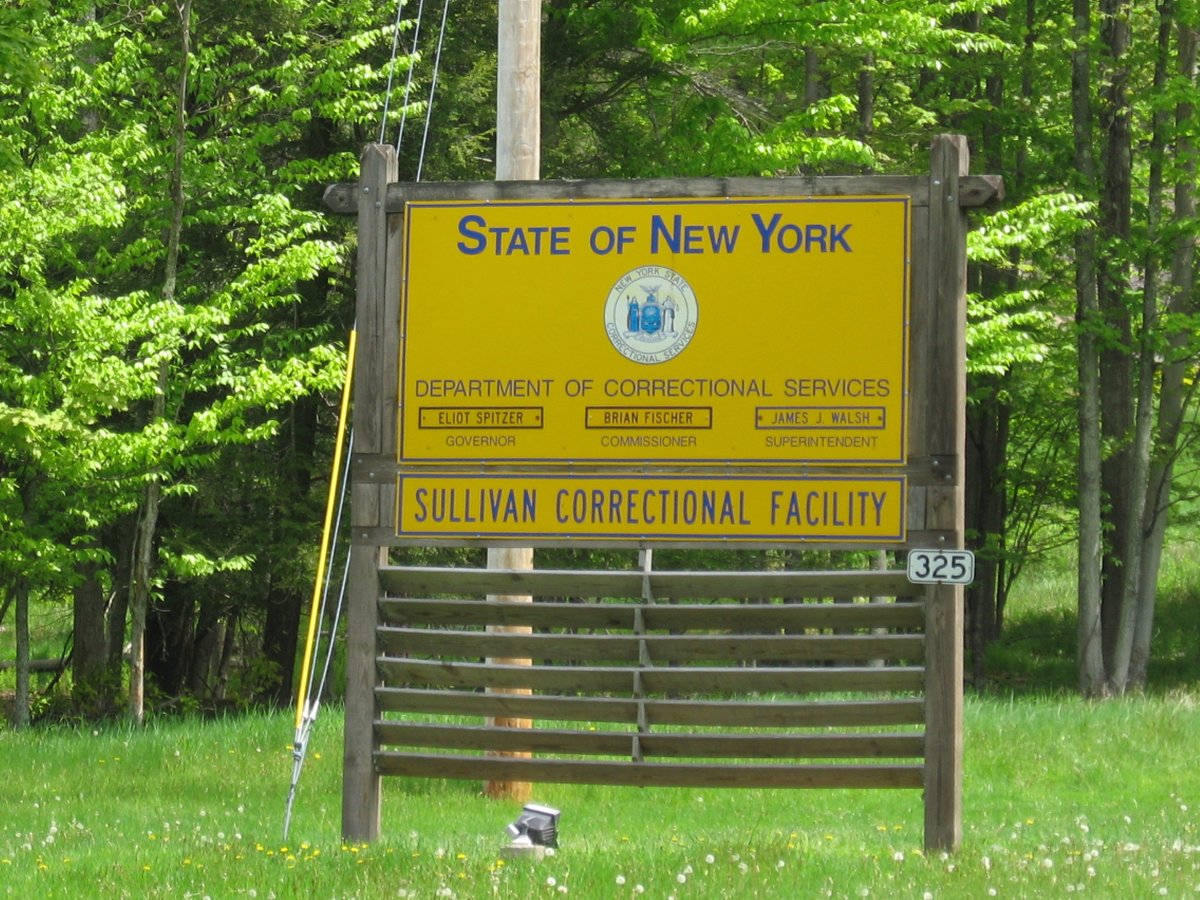
Shawcross’s high-profile trial began in October 1990 in Monroe County Court before Judge Charles Willis. Defense attorney Anthony Leonardo mounted an insanity defense, presenting psychiatric testimony alleging Post-Traumatic Stress Disorder from Vietnam War service and multiple personality disorder. However, military records proved Shawcross had served in a non-combat clerical role, dismantling the defense claims. On November 7, 1990, the jury convicted Arthur Shawcross on ten counts of second-degree murder. He was sentenced to 250 years in maximum security at Sullivan Correctional Facility, where he died of cardiac arrest in November 2008 at age 63.
Forensic Legacy & Criminal Justice Impact
The forensic, legal, and systemic ramifications of the investigation into Arthur Shawcross continue to shape modern criminal justice doctrine worldwide. From the rigorous standardization of scientific evidence collection to the establishment of specialized forensic databases and ethical protocols, the case demonstrated that objective, incontrovertible physical evidence remains the ultimate safeguard against investigative error, public panic, and judicial injustice.
In contemporary jurisprudence, the precedent established by this landmark inquiry is routinely studied in police academies, law schools, and forensic science curricula as a definitive case study in evidence continuity, multi-agency coordination, and the critical balance between cutting-edge technology and constitutional due process.
Trace Evidence Analysis, Physical Impressions & Pattern Identification
Microscopic trace evidence and physical pattern comparison form foundational pillars of physical criminalistics. Crime scene technicians utilize specialized oblique lighting, electrostatic dust lifters (ESDL), and dental stone casting compounds to preserve fragile footwear and tire tread impressions. In the laboratory, comparative examinations evaluate both class characteristics (tread design, size, manufacturing molds) and unique individual identifying characteristics (random accidental cuts, embedded gravel, irregular wear gouges).
Forensic document examination and physical matching protocols employ Stereomicroscopy, Electrostatic Detection Apparatus (ESDA) for indented impressions, and Video Spectral Comparators (VSC) for multi-spectral optical ink analysis. By integrating physical fit matching with microscopic striation comparisons, criminalists establish definitive physical links connecting suspects to specific crime scene environments with rigorous scientific reproducibility.
Modern Jurisprudential Precedents & Evidentiary Standards
The landmark investigative and courtroom developments associated with Arthur Shawcross fundamentally redefined procedural evidentiary standards under the Federal Rules of Evidence (Rule 702) and international common law equivalents. Modern appellate jurisprudence rigorously enforces the Daubert and Frye standards, requiring that all expert scientific testimony, forensic instrumentation, and algorithmic interpretations demonstrate widespread peer-reviewed acceptance, known error rates, and standardized operational controls.
Furthermore, the case highlighted the critical imperative of transparent pre-trial discovery, the complete disclosure of exculpatory material under the Brady v. Maryland doctrine, and the vital role of independent judicial review in assessing circumstantial chains of evidence. Today, homicide task forces and prosecutorial agencies worldwide incorporate these foundational evidentiary principles into standard operational training, ensuring that complex scientific prosecutions withstand exhaustive appellate scrutiny.
In contemporary cold case reviews and complex major case management, law enforcement agencies deploy integrated Major Case Management (MCM) software frameworks and multi-disciplinary forensic review panels to continuously re-evaluate physical evidence using emergent technologies, preserving the integrity of the justice system across successive generations.
Chronological Case Timeline
| Date / Milestone | Investigative & Forensic Milestone | |
|---|---|---|
| 1972 | Arthur Shawcross murders two children in Watertown, NY; serves only 14 years before controversial parole in 1987. | |
| Mar 1988 | Dorothy Blackburn’s body is found in the Genesee River, marking the start of the serial killings. | |
| 1988–1989 | Ten more women disappear from Rochester streets and are found strangled along Monroe County riverbanks. | |
| Jan 3, 1990 | State Police surveillance helicopter catches Shawcross at Salmon Creek bridge; June Stott’s body is discovered. | |
| Jan 4–5, 1990 | Shawcross provides comprehensive taped confessions to eleven murders after bite mark matching. | |
| Nov 7, 1990 | Shawcross is convicted of ten counts of second-degree murder and sentenced to 250 years in prison. | |
Frequently Asked Questions: Forensic & Legal Review
How did police finally capture the Genesee River Killer?
Arthur Shawcross was spotted by a New York State Police surveillance helicopter on January 3, 1990, standing on a bridge over Salmon Creek near the freshly discarded body of victim June Stott.
Why was Arthur Shawcross free to commit the Genesee River murders?
Shawcross had been convicted in 1972 for the manslaughter and murder of two children in Watertown, NY. Despite strong community objections, the New York State parole board granted him early release in 1987 after serving only 14 years.
What forensic evidence linked Shawcross to the crime scenes?
Key physical evidence included aerial surveillance eyewitness testimony, matching tire tracks in the snow, forensic odontological bite mark matches on victim June Stott, and detailed taped confessions.