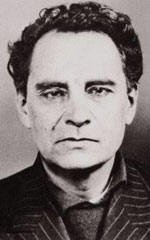
Between 1995 and 1996, the intensive care Ward C at the Veterans Affairs Medical Center in Northampton, Massachusetts, was gripped by an alarming, catastrophic escalation in sudden cardiac emergencies. The crises were orchestrated by 28-year-old registered nurse Kristen Gilbert, who covertly injected hospitalized military veterans with massive intravenous boluses of epinephrine—synthetic adrenaline. The potent cardiac stimulant induced violent tachycardia, severe arrhythmias, and uncontrollable cardiac arrest. Driven by a desire to impress her romantic partner, hospital VA police officer James Perrault, Gilbert triggered medical codes so she could display her emergency resuscitation skills. Through pioneering statistical epidemiological modeling and post-mortem toxicology on exhumed military veterans, federal investigators and the FBI unraveled Gilbert’s lethal spree, securing her conviction in a landmark federal capital trial.
Executive Case Factsheet
- Victim(s): 4 confirmed murdered (Stanley Jagodowski, Henry Hudon, Kenneth Cutting, Edward Skwira); 3 attempted murders
- Date of Incident: 1995–1996; Arrested November 1998; Convicted March 2001
- Primary Crime Scene / Location: Ward C, Veterans Affairs Medical Center, Northampton, Massachusetts
- Lead Investigating Jurisdictions: VA Office of Inspector General, Federal Bureau of Investigation (FBI), US Attorney’s Office District of Massachusetts
- Key Forensic Evidence: Statistical cluster analysis showing odds of 1 in 100 million of cardiac codes occurring by chance during her shifts, unprescribed epinephrine ampoules, exhumation toxicology
- Suspect(s) / Perpetrator(s): Kristen Heather Gilbert (33, Registered Nurse)
- Legal Outcome & Status: Convicted on March 14, 2001, on three counts of first-degree murder, one count of second-degree murder; sentenced to life without parole
Initial Discovery & Crime Scene Reconstruction
In late 1995 and early 1996, staff nurses in Ward C began noticing an unsettling pattern: stable, recuperating veterans were suffering fatal cardiac collapses with inexplicable regularity, almost exclusively when Kristen Gilbert was the on-duty nurse. In February 1996, three coworkers—Kathy Rix, Bonnie Aslos, and Bill Murphy—noted that an entire supply of epinephrine ampoules had vanished from the emergency crash carts, coinciding with the sudden, fatal cardiac arrests of veterans Kenneth Cutting and Edward Skwira.
When staff confronted hospital management with their suspicions and documented supply discrepancies, Gilbert called in a bomb threat to the facility in an attempt to derail the emerging internal inquiry. The Veterans Affairs Office of the Inspector General and the FBI immediately intervened, sealing Ward C records, impounding pharmaceutical logs, and launching a joint federal homicide task force.

Forensic Science, Pathology & Physical Evidence
Because epinephrine occurs naturally in the human body as adrenaline, proving exogenous (external) lethal administration in post-mortem tissues posed a tremendous biochemical challenge. Federal prosecutors enlisted renowned forensic toxicologists and epidemiologists, led by Dr. Stephen Gehlbach. Prosecutors ordered the exhumation of four deceased veterans—Stanley Jagodowski, Henry Hudon, Kenneth Cutting, and Edward Skwira. Specialized forensic laboratories analyzed deep muscle tissue and heart specimens, detecting unprecedented, supra-physiological concentrations of synthetic epinephrine and its metabolic degradation products.
Simultaneously, federal statisticians conducted an exhaustive epidemiological cluster analysis spanning over 350 emergency cardiac code events at Northampton VA Hospital between 1989 and 1996. The mathematical modeling revealed that the probability of so many cardiac emergencies occurring during Kristen Gilbert’s shifts purely by random chance was less than 1 in 100 million. The forensic statistics proved that a patient was over 30 times more likely to experience a cardiac arrest while Gilbert was present than during shifts worked by any other nurse in the hospital.
Investigative Breakdown & Key Breakthroughs
Federal investigators executed search warrants on Gilbert’s residence and personal belongings, recovering stolen medical equipment, syringe needles, and journal entries. Key witness testimony emerged from VA hospital police officer James Perrault, who revealed that Gilbert frequently initiated flirtatious conversations immediately before or after cardiac code calls in Ward C. In one harrowing instance, Gilbert telephoned Perrault from the ward and whispered, ‘You’d better get up here, something’s about to happen,’ seconds before a veteran’s heart monitor flatlined.
Federal prosecutors indicted Gilbert on multiple counts of federal first-degree murder, attempted murder, and bomb threats occurring on federal property. Because the crimes occurred at a federal Veterans Affairs facility, the case was tried under federal capital murder statutes in US District Court in Springfield, Massachusetts.

Courtroom Proceedings & Evidentiary Arguments
Kristen Gilbert’s federal trial commenced in November 2000 before US District Judge Michael Ponsor. Over five months of testimony, federal prosecutors presented over 70 witnesses, including grieving families, forensic toxicologists, medical personnel, and statistical experts who presented rigorous epidemiological probability charts. The defense argued that the deceased veterans were elderly, infirm men who succumbed to natural cardiovascular ailments, challenging the statistical methodology.
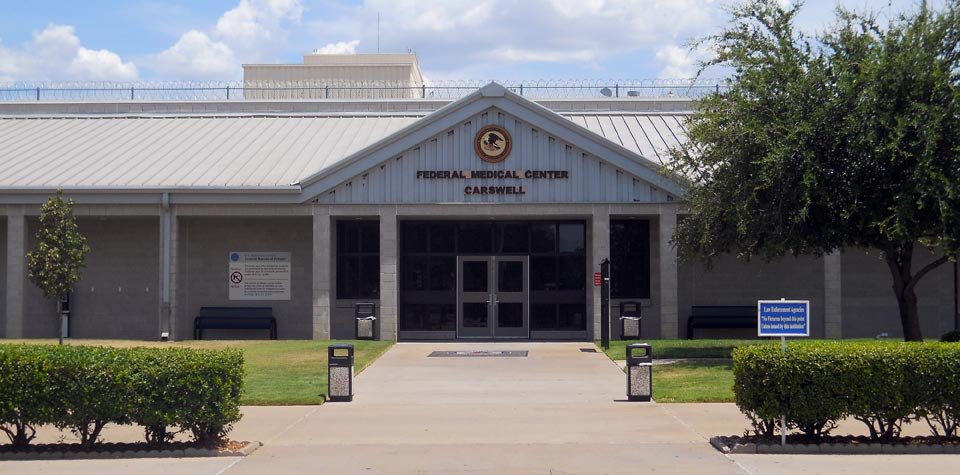
On March 14, 2001, the jury rejected the defense arguments, convicting Kristen Gilbert on three counts of first-degree murder, one count of second-degree murder, and two counts of attempted murder. During the penalty phase, the jury spared Gilbert the death penalty, resulting in a mandatory sentence of four consecutive life sentences without the possibility of parole. Gilbert was transferred to the Federal Medical Center, Carswell in Fort Worth, Texas. The Gilbert case revolutionized hospital pharmacology safety, establishing strict automated medication dispensing protocols across the entire US Department of Veterans Affairs healthcare system.
Forensic Legacy & Criminal Justice Impact
The forensic, legal, and systemic ramifications of the investigation into Kristen Gilbert continue to shape modern criminal justice doctrine worldwide. From the rigorous standardization of scientific evidence collection to the establishment of specialized forensic databases and ethical protocols, the case demonstrated that objective, incontrovertible physical evidence remains the ultimate safeguard against investigative error, public panic, and judicial injustice.
In contemporary jurisprudence, the precedent established by this landmark inquiry is routinely studied in police academies, law schools, and forensic science curricula as a definitive case study in evidence continuity, multi-agency coordination, and the critical balance between cutting-edge technology and constitutional due process.
Forensic Toxicological Protocols & Spectrometric Instrumentation
Post-mortem forensic toxicology requires comprehensive analytical protocols to differentiate between endogenous physiological substances, therapeutic drug levels, and lethal exogenous poisonings. Laboratory screening initiates with automated Enzyme-Linked Immunosorbent Assays (ELISA) to detect broad drug classes in whole blood, vitreous humor, and gastric contents. Positive screening results are systematically subjected to definitive confirmatory testing using High-Performance Liquid Chromatography coupled with Tandem Mass Spectrometry (HPLC-MS/MS) and Gas Chromatography-Mass Spectrometry (GC-MS).
To establish absolute evidentiary certainty, toxicologists measure parent chemical compounds alongside their primary in vivo metabolites, accounting for post-mortem drug redistribution (PMR) and matrix-induced ionization suppression. Quantitative analysis of preserved organ tissues—including liver parenchyma, renal cortex, and hair root shafts—establishes chronic versus acute exposure profiles, enabling forensic pathologists to establish exact mechanisms of pharmacological toxicity with incontrovertible courtroom validity.
Modern Jurisprudential Precedents & Evidentiary Standards
The landmark investigative and courtroom developments associated with Kristen Gilbert fundamentally redefined procedural evidentiary standards under the Federal Rules of Evidence (Rule 702) and international common law equivalents. Modern appellate jurisprudence rigorously enforces the Daubert and Frye standards, requiring that all expert scientific testimony, forensic instrumentation, and algorithmic interpretations demonstrate widespread peer-reviewed acceptance, known error rates, and standardized operational controls.
Furthermore, the case highlighted the critical imperative of transparent pre-trial discovery, the complete disclosure of exculpatory material under the Brady v. Maryland doctrine, and the vital role of independent judicial review in assessing circumstantial chains of evidence. Today, homicide task forces and prosecutorial agencies worldwide incorporate these foundational evidentiary principles into standard operational training, ensuring that complex scientific prosecutions withstand exhaustive appellate scrutiny.
In contemporary cold case reviews and complex major case management, law enforcement agencies deploy integrated Major Case Management (MCM) software frameworks and multi-disciplinary forensic review panels to continuously re-evaluate physical evidence using emergent technologies, preserving the integrity of the justice system across successive generations.
Chronological Case Timeline
| Date / Milestone | Investigative & Forensic Milestone | |
|---|---|---|
| 1989–1995 | Kristen Gilbert works at Northampton VA Medical Center; cardiac code calls steadily increase. | |
| Feb 1996 | Coworkers report suspicious epinephrine shortages following sudden cardiac deaths of veterans in Ward C. | |
| Jul 1996 | Gilbert phones in a fake bomb threat to the VA hospital; federal agents and the FBI assume control of the investigation. | |
| 1998 | Four deceased veterans are exhumed; toxicology and statistical epidemiological models confirm serial poisonings. | |
| Nov 2000 | Federal capital murder trial opens at US District Court in Springfield, Massachusetts. | |
| Mar 14, 2001 | Gilbert is convicted on multiple murder counts and sentenced to life imprisonment without parole. | |
Frequently Asked Questions: Forensic & Legal Review
What substance did Kristen Gilbert use to murder veterans at the VA hospital?
Gilbert injected patients with massive, unauthorized doses of epinephrine (adrenaline), which caused their heart rates to spike uncontrollably, inducing fatal cardiac arrest and ventricular fibrillation.
How did prosecutors prove the murders using statistical epidemiology?
Dr. Stephen Gehlbach and federal statisticians analyzed 350 hospital cardiac codes, proving that patients were 30 times more likely to suffer cardiac arrests during Gilbert’s shifts, with odds of occurring by chance calculated at 1 in 100 million.
Why did Kristen Gilbert induce cardiac arrests in her patients?
Evidence established that Gilbert suffered from severe factitious behavior and a desire for attention, seeking to impress her lover, VA hospital police officer James Perrault, and be praised as an emergency resuscitation hero.