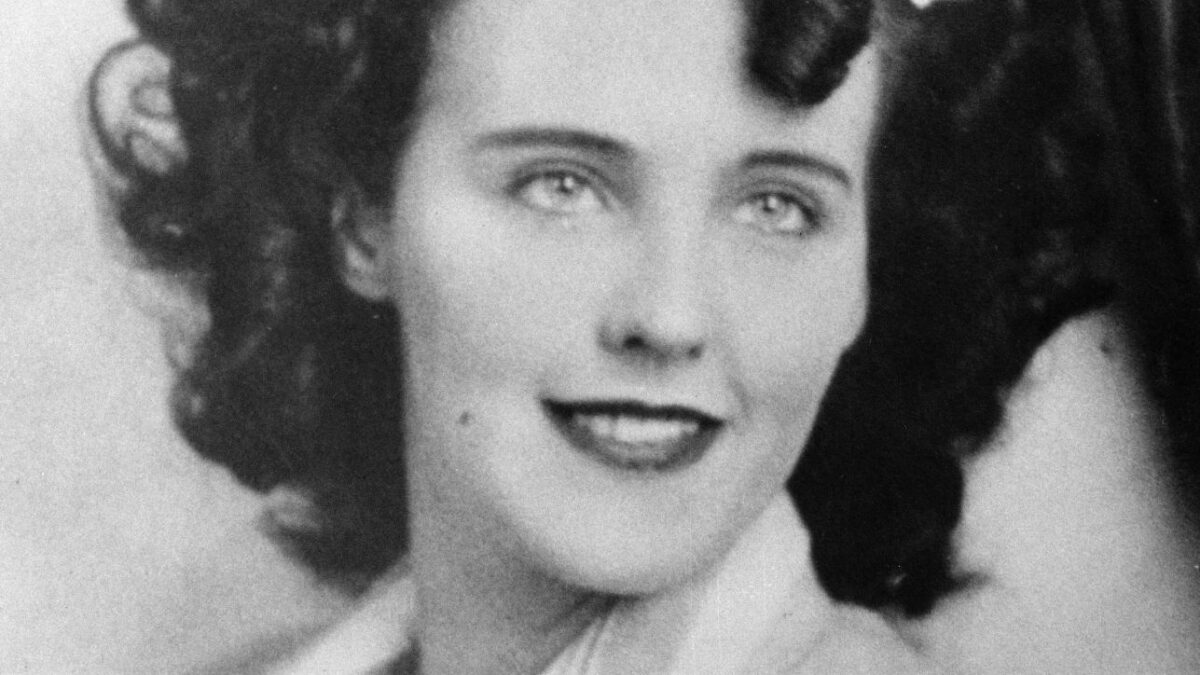
INVESTIGATIVE CASE DOSSIER: THE BLACK DAHLIA MURDER: THE 1947 FORENSIC DOSSIER OF ELIZABETH SHORT’S UNSOLVED SLAYING
- Victim: Elizabeth Short (Age 22; Boston Native aspiring actress)
- Historic Moniker: The Black Dahlia
- Date of Discovery: January 15, 1947 (10:00 AM)
- Location of Discovery: 3900 block of South Norton Avenue, Leimert Park, Los Angeles, CA
- Cause of Death: Hemorrhage and shock from lacerations to face and blunt force head trauma
- Key Forensic Details: Body cleanly severed at the lumbar spine (hemicorporectomy) and washed
- Lead Agencies: Los Angeles Police Department & Federal Bureau of Investigation (FBI)
- Current Status: Open historical unsolved homicide
On the morning of January 15, 1947, a local mother walking with her infant daughter in the Leimert Park neighborhood of Los Angeles made a horrifying discovery: the body of 22-year-old aspiring actress Elizabeth Short, severed in half at the waist and posed in a vacant lot. Known to history as The Black Dahlia, Short’s murder triggered the largest homicide investigation in California history. Spanning over 750 detectives, hundreds of sensational confessions, and extensive FBI behavioral profiling, the Black Dahlia murder remains America’s most analyzed unsolved true crime case.
The Grisly Discovery in Leimert Park: January 1947
Around 10:00 AM on January 15, 1947, local resident Betty Bersinger spotted what she initially thought was a discarded store mannequin in the weeds along South Norton Avenue. Upon closer inspection, she realized it was a mutilated human corpse. Elizabeth Short’s body had been severed completely in two, drained of blood, washed clean, and surgically posed with a carved ‘Glasgow smile’ extending from the corners of her mouth.
Chief Medical Examiner Dr. Frederick Newbarr determined that Short had died from severe blows to the head and shock, with the bisecting of the body performed post-mortem by someone with substantial surgical knowledge.
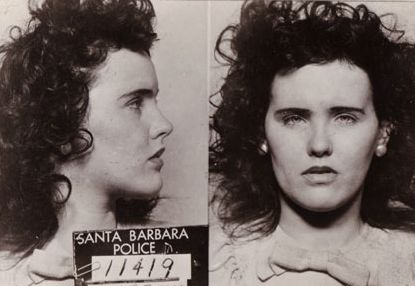
The Media Sensation and the Taunting Packages
Within days of the murder, Los Angeles newspapers sensationalized the case, dubbing Short ‘The Black Dahlia’ for her black lace clothing and hair. On January 24, 1947, a package arrived at the Los Angeles Examiner containing Short’s birth certificate, photographs, personal address book, and letters, with gasoline used to wipe fingerprints from the exterior.
The sender claimed responsibility, signing notes as ‘The Black Dahlia Avenger,’ but subsequently ceased contact as police intensified their dragnet.
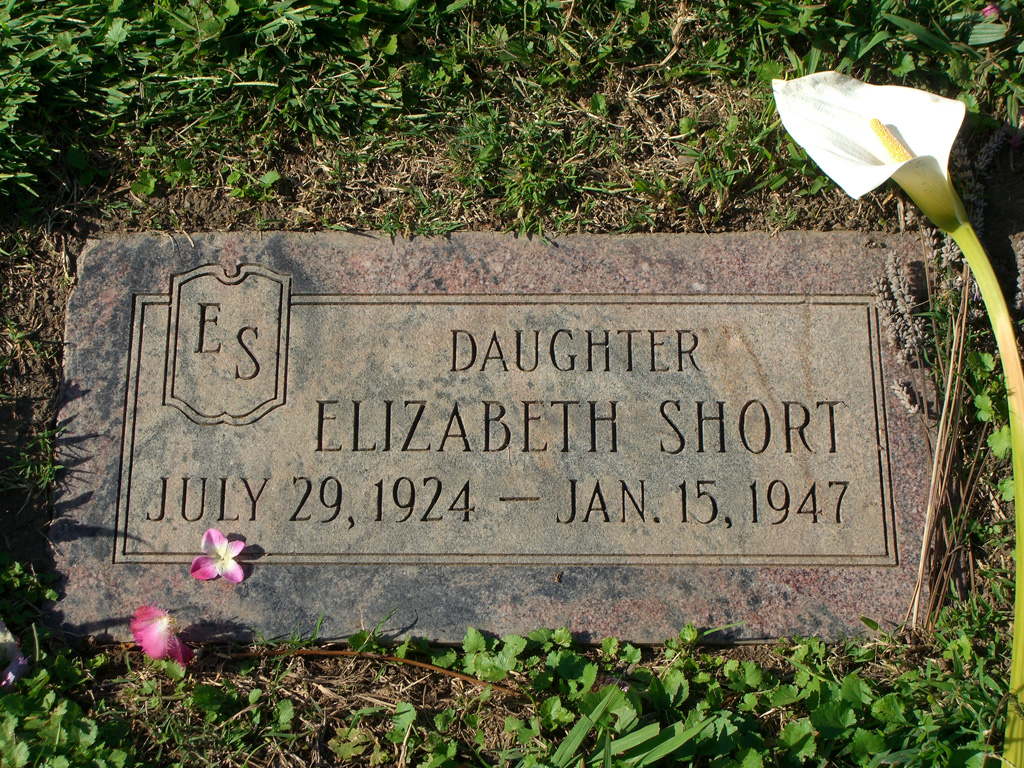
The Suspects and Historical Legacy
Over the decades, dozens of high-profile suspects were scrutinized by the LAPD and FBI, including Dr. George Hodel, publisher Norman Chandler, and Robert Manley. Over 60 people made false confessions to the crime.
The Black Dahlia case fundamentally transformed American crime journalism, forensic autopsy procedures, and FBI behavioral profiling, standing as an enduring symbol of 1940s Hollywood noir mysteries.
Case Timeline & Key Forensic Milestones
| Date / Year | Milestone / Event | Forensic Significance |
|---|---|---|
| Jan 9, 1947 | Elizabeth Short last seen at Biltmore Hotel in downtown LA | Leaves hotel and vanishes for six days |
| Jan 15, 1947 | Body discovered on South Norton Avenue in Leimert Park | Massive LAPD investigation launched |
| Jan 24, 1947 | Examiner receives package with victim’s personal effects | Taunting letters mailed to newspapers |
| 1947–Present | Over 750 investigators review thousands of leads | Remains open cold case in LAPD archives |
Frequently Asked Questions (FAQ)
Who was the Black Dahlia?
Elizabeth Short, a 22-year-old aspiring actress born in Boston, Massachusetts, was the victim of the infamous 1947 Los Angeles murder known as the Black Dahlia.
Why was Elizabeth Short’s killer never caught?
Despite interviewing thousands of individuals and testing physical evidence, lack of modern DNA technology and extensive media interference prevented definitive identification of the perpetrator.
Where was Elizabeth Short found?
Her body was discovered in a vacant lot on South Norton Avenue in the Leimert Park neighborhood of Los Angeles on January 15, 1947.