
Executive Case Factsheet
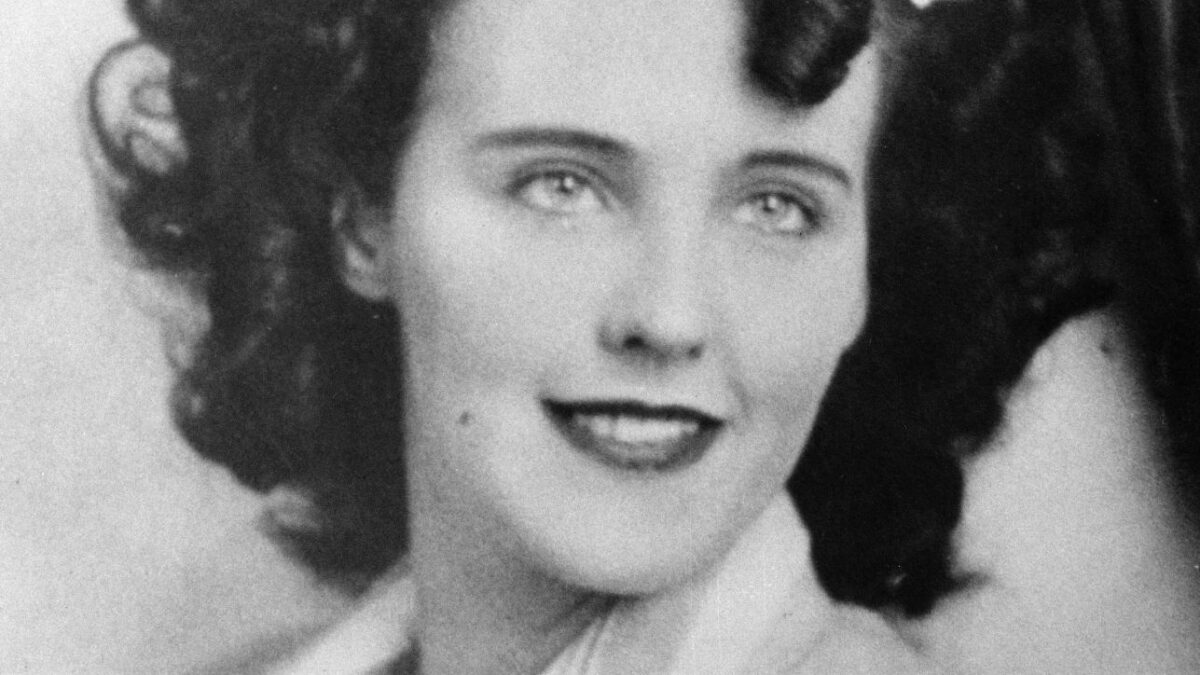
- Victim: Elizabeth Short (22 years old; “The Black Dahlia”)
- Date of Crime: Discovered January 15, 1947
- Location: Vacant lot on South Norton Avenue, Leimert Park, Los Angeles, California
- Autopsy Findings: Complete hemicorporectomy (bisection at 2nd/3rd lumbar), facial lacerations (smile wound), hemorrhage
- Investigating Agency: Los Angeles Police Department (LAPD Homicide Division) & FBI
- Primary Historical Suspects: Dr. George Hodel, Leslie Dillon, Mark Hansen, Robert Manley
- Current Case Status: Active Unsolved Cold Case Homicide
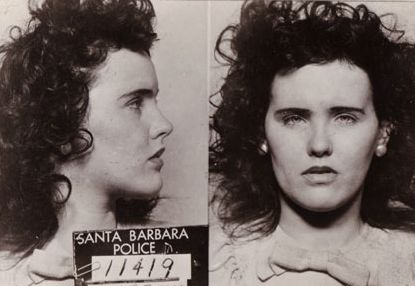
On the morning of January 15, 1947, a local resident walking with her child through a vacant lot in the Leimert Park neighborhood of Los Angeles discovered the severed body of twenty-two-year-old aspiring actress Elizabeth Short. The body had been cleanly bisected at the waist, drained completely of blood, posed in a grotesque presentation, and washed clean. Dubbed by sensationalist newspaper headlines as the Black Dahlia murder, the crime triggered the largest and most complex criminal manhunt in Los Angeles history, spawning hundreds of false confessions, intense media frenzy, and decades of investigative controversy.
The Crime Scene & Leimert Park Discovery
At approximately 10:00 AM on January 15, 1947, resident Betty Bersinger was walking south along the sidewalk of South Norton Avenue between Coliseum Street and West 39th Street. In the weed-choked vacant lot, Bersinger initially mistook the white form in the grass for a discarded department store mannequin. Upon closer inspection, she realized it was a bisected human corpse and rushed to a nearby house to call the LAPD.
LAPD Homicide detectives Harry Hansen and Finis Brown arrived to find Elizabeth Short’s body positioned face up. The corpse was severed entirely in two between the second and third lumbar vertebrae, with the lower half placed roughly ten inches below the torso. Her arms were raised over her shoulders, and her legs were spread wide. The perpetrator had excised sections of skin and carved deep lacerations from the corners of her mouth toward her ears—a disfigurement known medically as a “Glasgow smile.” The scene contained zero blood on the surrounding soil, indicating that Short had been murdered, drained, and washed at another location before being transported to the vacant lot in a vehicle.
The Forensic Autopsy Findings
The post-mortem examination was performed by Los Angeles County Chief Medical Examiner Dr. Frederick Newbarr. Dr. Newbarr’s forensic autopsy report revealed extraordinary and horrifying details regarding the precision of the crime:
- Surgical Precision: The bisection was executed via a complete hemicorporectomy. The killer cut through the soft tissue and intervertebral cartilage between the 2nd and 3rd lumbar vertebrae without shattering the spinal bone, suggesting familiarity with surgical or butchery techniques.
- Cause of Death: The official cause of death was determined to be hemorrhage and shock resulting from multiple concussions to the head and deep lacerations to the face.
- Torture & Restraint: Ligature furrows around her wrists, ankles, and neck indicated she had been bound and suspended for several days prior to death. No semen was detected on her body, which had been thoroughly washed with detergent.
The Media Frenzy & The “Black Dahlia Avenger” Letters
Within hours of the body’s identification via fingerprints transmitted by the FBI in Washington, the case was seized upon by William Randolph Hearst’s Los Angeles Examiner and the Herald-Express. The sensational moniker “The Black Dahlia” was popularized by reporter Bevo Means, referencing Short’s black hair and dark tailored clothing.
On January 23, 1947, the killer contacted the editor of the Los Angeles Examiner, mocking the police and promising to send “souvenirs” belonging to Short. Days later, a postal package arrived at the newspaper containing Short’s birth certificate, personal address book, photographs, and social security card, all carefully wiped clean with gasoline to remove latent fingerprints. Over subsequent weeks, dozens of taunting letters signed “The Black Dahlia Avenger” were sent to local newspapers, fueling widespread public terror.
Leading Suspects & Decades of Controversy
Over the course of the investigation, the LAPD interviewed more than 1,000 individuals and eliminated dozens of potential suspects. Among the prominent suspects investigated by detectives and true crime historians were:
- Dr. George Hodel: A prominent Los Angeles physician and surgeon who operated a venereal disease clinic. In 1950, the DA’s office placed electronic surveillance inside Hodel’s Franklin House mansion, recording him making incriminating statements about killing someone and performing abortions. Decades later, his son, retired LAPD detective Steve Hodel, presented extensive circumstantial dossiers arguing his father was the killer.
- Leslie Dillon: A former mortician’s assistant and writer investigated by LAPD psychiatrist Dr. J. Paul De River. Dillon possessed detailed knowledge of hemicorporectomies and mortuary embalming techniques.
- Robert “Red” Manley: A 25-year-old married salesman who was the last confirmed person to see Short alive when he dropped her off at the Biltmore Hotel in downtown Los Angeles on January 9, 1947. Manley passed polygraph examinations and had verified alibis.
Legacy in Forensic Science & Pop Culture
The Elizabeth Short homicide remains one of the foundational cold cases in American criminal jurisprudence. It catalyzed significant reforms in LAPD homicide investigation procedures, evidence preservation protocols, and media relations during active capital cases. To this day, the case file remains open at the Los Angeles Police Department Homicide Division.
Pathological Analysis of the Hemicorporectomy & Surgical Incisions
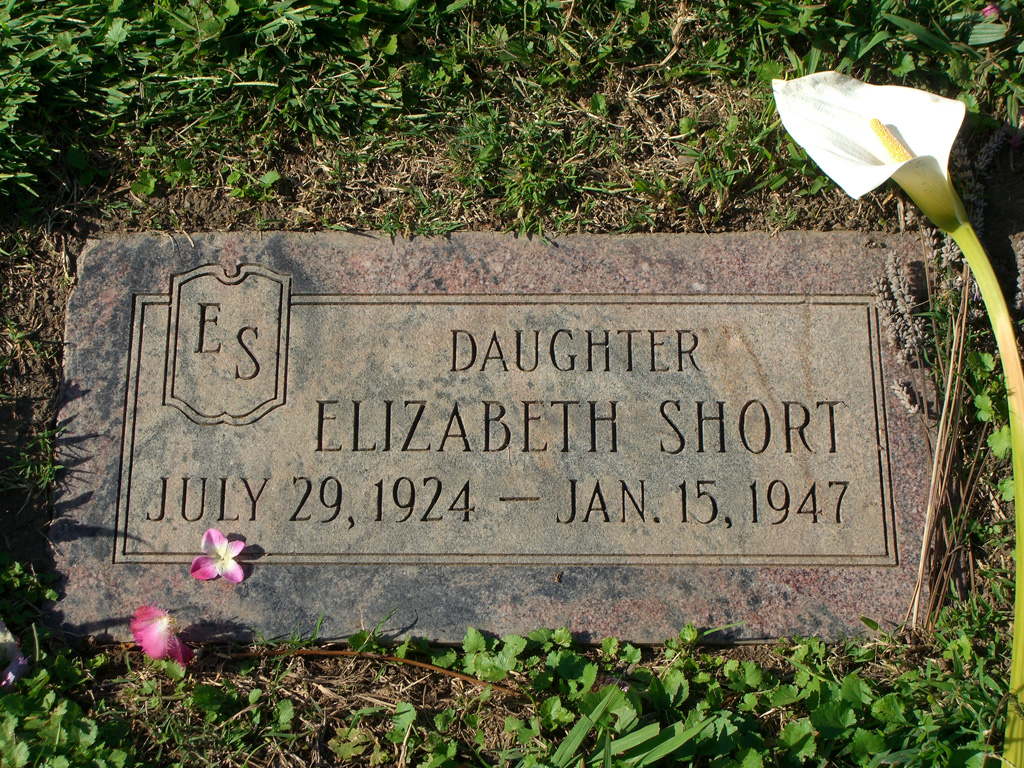
The post-mortem examination of Elizabeth Short, conducted by Los Angeles County Chief Medical Examiner Dr. Frederick Newbarr, provides critical forensic insights into the perpetrator’s methodology. The bisection of Short’s body was a complete hemicorporectomy, performed by making a transverse incision through the skin, muscle walls, and peritoneal cavity between the second and third lumbar vertebrae. The perpetrator severed the intervertebral disk without fracturing or crushing the lumbar vertebral bodies, a feat requiring either specialized surgical instruments, such as an amputation knife and bone saw, or professional anatomical knowledge.
Furthermore, both breasts and multiple square-inch sections of skin had been excised with clean, non-hesitant incised margins. The complete drainage of the victim’s blood volume and the absence of antemortem blood coagulation in the abdominal cavity indicated that the killer washed the corpse in a bathtub or mortuary drainage sink before wrapping the remains in brown butcher paper for vehicular transport to the Leimert Park vacant lot.
The 1950 Grand Jury Investigation & The Franklin House Surveillance
In 1949 and 1950, a Los Angeles County Grand Jury launched an extensive inquiry into unsolved homicides and police corruption in the LAPD. As part of this probe, District Attorney investigators placed hidden electronic wiretaps inside the Sowden House mansion on Franklin Avenue in Hollywood, the residence of prominent physician Dr. George Hodel.
Transcripts from the electronic surveillance, recorded in February and March 1950, captured Dr. Hodel stating: “Supposin’ I did kill the Black Dahlia. They couldn’t prove it now. They can’t talk to my secretary anymore because she’s dead.” Despite these highly incriminating wiretap recordings, Hodel was never formally indicted, and he abruptly departed the United States for the Philippines in 1950. The case remains a masterclass in mid-century forensic pathology, forensic psychology, and investigative journalism.
Media Sensationalism & Institutional Reforms in the LAPD
The media frenzy surrounding the 1947 murder of Elizabeth Short permanently altered how American metropolitan police departments handle high-profile capital investigations. The aggressive tactics employed by mid-century tabloid journalists—including withholding evidence, interviewing witnesses before detectives, and creating sensationalized pseudonyms—prompted the LAPD to establish strict media relations protocols and modern crime scene containment cordons.
The Black Dahlia investigation also catalyzed the modernization of the LAPD Scientific Investigation Division (SID), establishing dedicated crime laboratory divisions for latent print development, forensic photography, and serological analysis that set national standards for decades to come.
Case Timeline & Forensic Milestones
| Date | Milestone / Event | Investigative Significance |
|---|---|---|
| January 9, 1947 | Last Sighting of Elizabeth Short | Dropped off at Biltmore Hotel in downtown Los Angeles by Robert Manley |
| January 15, 1947 | Discovery of Bisected Body | Found in Leimert Park vacant lot; body drained of blood and posed |
| January 16, 1947 | FBI Fingerprint Identification | Identified via FBI Soundex system from 1943 military base arrest records |
| January 24, 1947 | Gasoline-Cleaned Package Arrives | Killer mails victim’s address book and birth certificate to the Examiner |
| 1950 | Electronic Wiretaps on Dr. George Hodel | DA records Hodel making incriminating remarks before fleeing the country |
| Present | Active Cold Case Status | Remains the most famous unsolved homicide in Los Angeles history |
Related Landmark Cold Case Investigations
Explore other historical unsolved cases and forensic investigations:
- Zodiac Killer 340 Cipher Solved: How Codebreakers Decoded the 1969 Mystery
- Somerton Man Solved: How DNA Identified Carl Webb in 2022
- D.B. Cooper Skyjacking: The 1971 FBI NORJAK Investigation Dossier
- Gardner Museum Heist: The 1990 $500M Boston Art Theft Dossier
Frequently Asked Questions (FAQ)
Why was Elizabeth Short called the Black Dahlia?
The nickname was coined by newspaper reporters and patrons of a Long Beach drugstore shortly before her murder, referencing her black dyed hair, sheer black clothing, and the 1946 film noir The Blue Dahlia.
Was Dr. George Hodel officially charged with the Black Dahlia murder?
No. Although the Los Angeles District Attorney wiretapped Dr. Hodel’s home in 1950 and documented suspicious statements, formal charges were never filed, and Hodel left the United States for Asia shortly afterward.
Can modern DNA solve the Black Dahlia murder?
Because the murder occurred in 1947 before DNA collection standards existed and physical evidence was handled without contamination safeguards, obtaining a pristine single-source DNA profile has proven difficult for modern cold case investigators.



