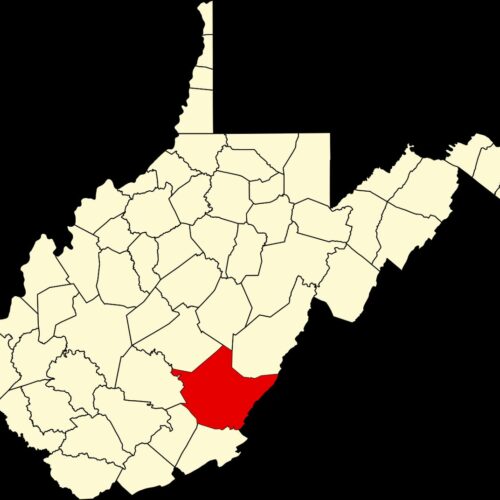
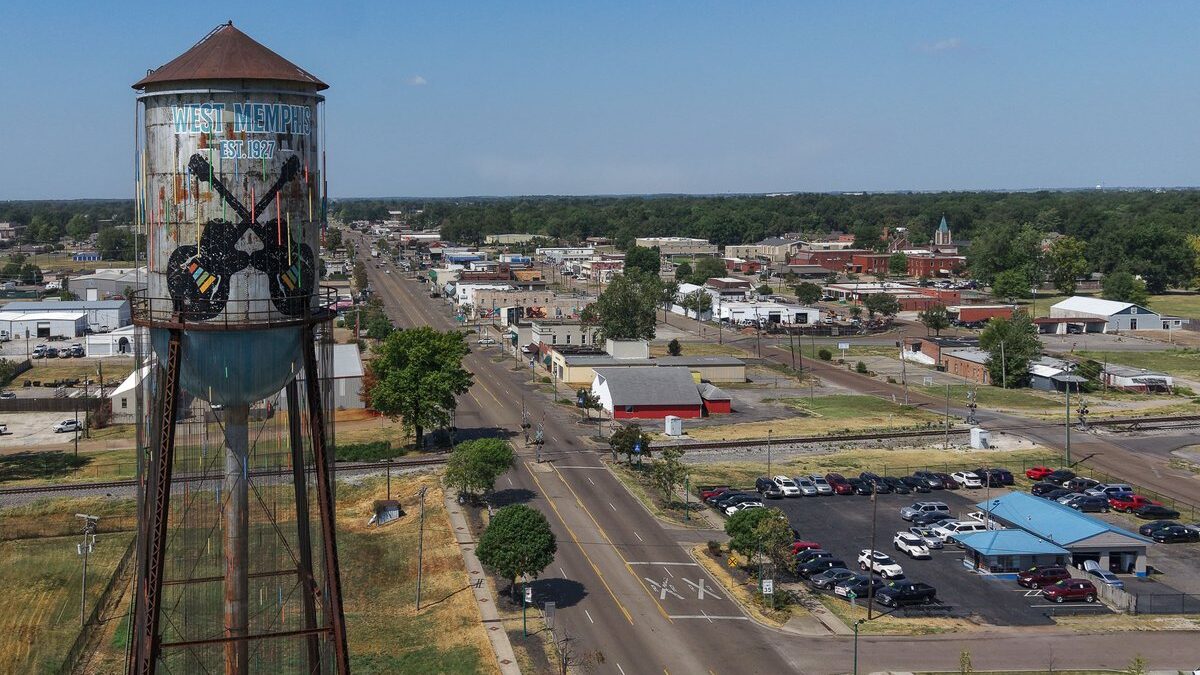
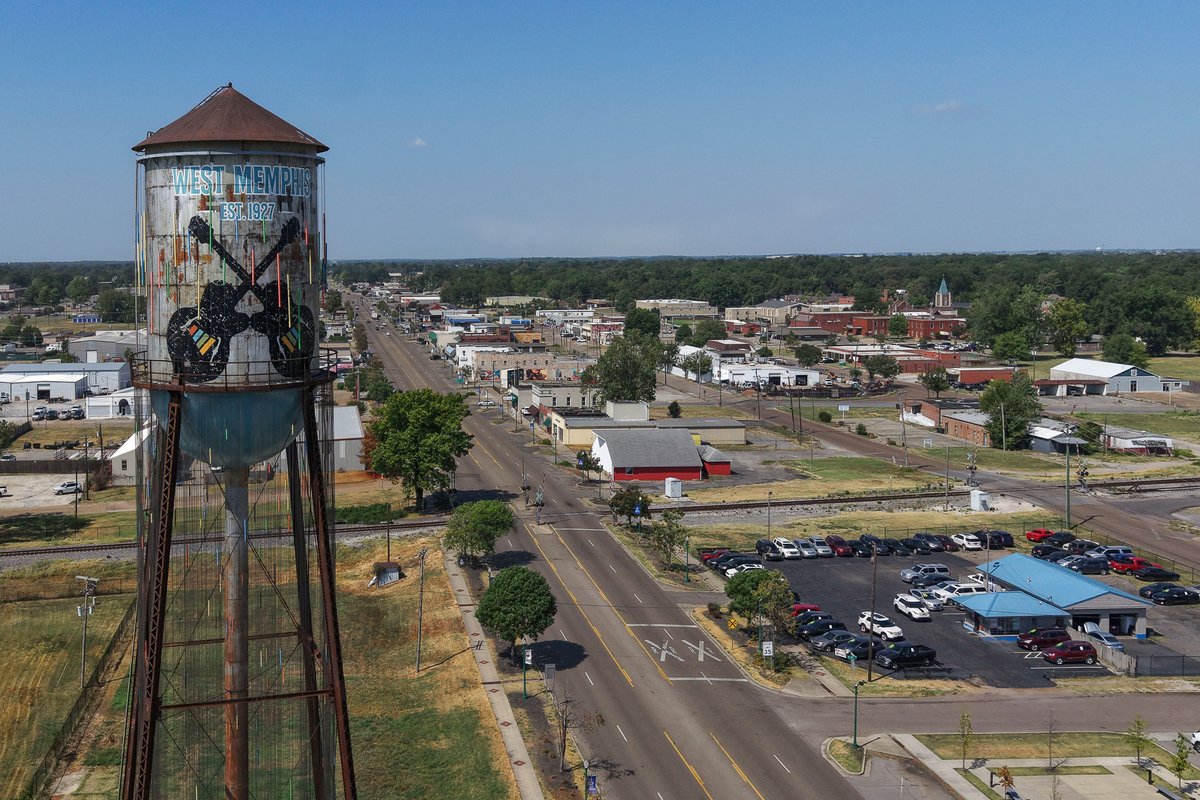
In May 1993, the horrific discovery of three eight-year-old boys bound and submerged in a muddy drainage canal in West Memphis, Arkansas, initiated one of the most famous and contentious capital murder sagas in modern legal history. The West Memphis Three investigation became the defining symbol of 1990s American ‘Satanic Panic’, where heavy metal music, black clothing, and occult interest were weaponized to secure capital convictions against three teenage outcasts. Eighteen years later, advanced forensic DNA profiling, forensic animal predation analysis, and a historic Alford plea overturned the legal status quo, securing the defendants’ freedom while leaving the triple murder unsolved.
Executive Case Factsheet
- Victim(s): Stevie Edward Branch (8), Christopher Byers (8), James Michael Moore (8)
- Date of Incident: May 5, 1993
- Primary Crime Scene / Location: Robin Hood Hills wooded drainage creek, West Memphis, Crittenden County, Arkansas
- Lead Investigating Jurisdictions: West Memphis Police Department, Arkansas State Police, Crittenden County Circuit Court
- Key Forensic Evidence: Hog-tied shoelace ligatures, post-mortem aquatic animal predation initially mistaken for ritual mutilation, Jessie Misskelley 12-hour coerced confession, 2007 advanced STR DNA testing excluding defendants and matching Terry Hobbs
- Suspect(s) / Perpetrator(s): Damien Wayne Echols, Charles Jason Baldwin, Jessie Lloyd Misskelley Jr. (convicted 1994; released via Alford plea 2011)
- Legal Outcome & Status: Released under Alford plea in August 2011; active cold case review and new M-Vac DNA retesting ongoing
The Disappearance in Robin Hood Hills and Muddy Creek Discoveries
On the warm afternoon of Wednesday, May 5, 1993, second-graders Stevie Branch, Christopher Byers, and Michael Moore were riding their bicycles together through their working-class neighborhood in West Memphis, Arkansas. When the three boys failed to return home by dark, frantic parents contacted the West Memphis Police Department around 8:00 p.m., initiating an immediate neighborhood search.
At approximately 1:30 p.m. the following day, May 6, searchers spotted a child’s black shoe floating in a muddy drainage ditch known as ‘Ten Mile Bayou’ inside Robin Hood Hills, a patch of woods bordering Interstate 40. Pushing into the murky water, West Memphis Police Chief Inspector Gary Gitchell and search teams recovered the submerged, unclothed bodies of all three boys.
The children had been stripped naked and bound hand-to-foot with their own shoelaces in complex hog-tie ligatures. Christopher Byers had sustained severe blunt-force head trauma and extensive lacerations to his genital area. Local authorities immediately concluded that the grotesque injuries were the result of a sadistic, ritualistic occult sacrifice carried out by a satanic cult operating in Crittenden County.
The Coerced Confession of Jessie Misskelley Jr.
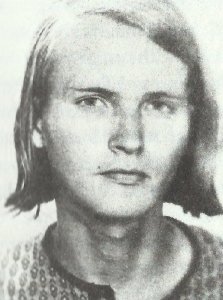
Driven by intense community panic and sensational rumors of satanic covens, detectives focused their inquiry on eighteen-year-old Damien Echols, a local high school dropout who dressed in black trench coats, listened to heavy metal band Metallica, and read books on Wicca and the occult. Detectives also targeted Echols’s sixteen-year-old friend Jason Baldwin and seventeen-year-old Jessie Misskelley Jr., an intellectually disabled youth with an IQ of 72.
On June 3, 1993, detectives interrogated Jessie Misskelley for over twelve hours without legal counsel or parental presence, recording only forty-five minutes of the session. In a disjointed, factually contradictory statement, Misskelley confessed that he, Echols, and Baldwin had attacked the boys in Robin Hood Hills at noon (when the victims were documented to be in school) and raped them (despite zero medical evidence of sexual assault). Despite obvious factual discrepancies fed to him by interrogators, police arrested all three teenagers, charging them with three counts of capital murder.
In 1994, separate trials commenced in Crittenden County Circuit Court before Judge David Burnett. Despite the total absence of physical evidence, weapon matches, fingerprints, or blood linking the defendants to the bayou, prosecutors presented Misskelley’s confession alongside occult ‘expert’ testimony. Juries convicted all three: Jessie Misskelley and Jason Baldwin were sentenced to life imprisonment without parole, while Damien Echols was sentenced to death by lethal injection.

Forensic Animal Predation and the 2007 DNA Revolution
Over the subsequent decade, the case became a global cause célèbre following the HBO documentary trilogy Paradise Lost, attracting prominent supporters including Eddie Vedder, Peter Jackson, and Johnny Depp, who funded an elite defense team featuring world-class forensic scientists.
Renowned forensic pathologist Dr. Werner Spitz and forensic odontologist Dr. Richard Souviron re-examined the autopsy records and tissue photographs of Christopher Byers. Their findings fundamentally revolutionized the medical understanding of the crime: the severe genital lacerations and facial punctures originally attributed to ‘satanic ritual knives’ were conclusive post-mortem predation wounds inflicted by aquatic turtles and garfish native to the bayou after the bodies were submerged.
In 2007, advanced STR and mitochondrial DNA testing was performed on thirty-five pieces of physical evidence by Bode Technology. The results delivered a decisive evidentiary breakthrough: zero DNA from Echols, Baldwin, or Misskelley was present on any ligature or victim clothing. However, a foreign hair recovered from one of the ligature knots produced a complete mitochondrial DNA match to Terry Hobbs, the stepfather of victim Stevie Branch, and a hair on a tree stump matched Hobbs’s hunting companion, David Jacoby.
The Historic August 2011 Alford Plea Agreement
Faced with overwhelming forensic DNA exclusions, the animal predation evidence, and pending Arkansas Supreme Court evidentiary hearings that would have mandated a new trial, the State of Arkansas and Crittenden County prosecutors negotiated a rare, historic resolution.
On August 19, 2011, Damien Echols, Jason Baldwin, and Jessie Misskelley entered an Alford plea in Jonesboro before Circuit Judge David Laser. Under the unique provisions of an Alford plea, the defendants formally asserted their actual factual innocence while acknowledging that prosecutors possessed sufficient circumstantial evidence to potentially convict them at trial. In exchange, their original convictions were vacated, they were resentenced to time served (eighteen years and seventy-eight days), and they walked out of court as free men with ten-year suspended sentences.
Jason Baldwin initially resisted the plea, wishing to fight for complete, unencumbered exoneration at a new trial, but ultimately accepted the agreement to save Damien Echols from imminent execution on Arkansas’s death row.
Modern M-Vac DNA Retesting and The Search for Final Justice
Following their release, the West Memphis Three continued to pursue complete scientific exoneration. In 2022 and 2023, attorneys for Damien Echols won a critical legal battle before the Arkansas Supreme Court under Arkansas Act 1780, securing access to the original shoelace ligatures and clothing items for modern vacuum-based M-Vac DNA extraction and next-generation sequencing.
Modern forensic scientists emphasize that the West Memphis Three case serves as the definitive legal case study on the grave dangers of moral panic, the extreme cognitive vulnerability of intellectually disabled suspects during unrecorded interrogations, and the vital imperative of applying modern forensic biology to historical capital convictions.
The triple homicide of Stevie Branch, Christopher Byers, and Michael Moore remains an open, unresolved cold case in Arkansas, with families and advocates continuing to demand that law enforcement pursue the unidentified genetic profiles isolated on the physical evidence.
Chronological Case Timeline
| Date / Milestone | Investigative Development | Forensic / Evidentiary Significance |
|---|---|---|
| May 5, 1993 | Three 8-year-old boys vanish in West Memphis | Stevie Branch, Christopher Byers, Michael Moore reported missing |
| May 6, 1993 | Bodies recovered in Robin Hood Hills bayou | Found bound in drainage ditch; Satanic Panic rumors ignite |
| June 3, 1993 | Jessie Misskelley Jr. gives coerced confession | 12-hour interrogation leads to the arrest of Echols, Baldwin, Misskelley |
| March 1994 | Defendants convicted in separate trials | Echols sentenced to death; Baldwin and Misskelley sentenced to life |
| July 2007 | New DNA results exclude all 3 defendants | DNA on ligature knot matches victim’s stepfather Terry Hobbs |
| August 19, 2011 | Defendants enter historic Alford plea | Released from prison after 18 years; maintain factual innocence |
| 2022–2023 | Arkansas Supreme Court grants M-Vac testing | New advanced vacuum DNA extraction authorized on ligature knots |
Frequently Asked Questions: Forensic & Legal Review
What is an Alford plea and why did the West Memphis Three accept it?
An Alford plea allows a defendant to maintain their innocence while acknowledging that the prosecution has enough evidence to potentially convict them. In 2011, after 18 years in prison, the defendants accepted the plea to secure immediate release from prison and take Damien Echols off death row.
What did the 2007 forensic DNA testing reveal?
Comprehensive DNA testing performed in 2007 by Bode Technology excluded Echols, Baldwin, and Misskelley from all physical crime scene evidence, while a hair caught in a ligature knot matched victim Stevie Branch’s stepfather, Terry Hobbs.
How was the ‘satanic ritual mutilation’ theory disproven?
Forensic pathologists Dr. Werner Spitz and Dr. Richard Souviron proved that the injuries on Christopher Byers were not inflicted with a ritual knife, but were post-mortem animal bites caused by aquatic turtles and predatory fish native to the drainage bayou.
Why was Jessie Misskelley Jr.’s confession considered false and coerced?
Misskelley, an intellectually disabled teenager with an IQ of 72, was interrogated for 12 hours without a lawyer or parent. His confession contained numerous factual impossibilities (such as stating the murders happened at noon when the victims were in school) that conflicted with established physical evidence.