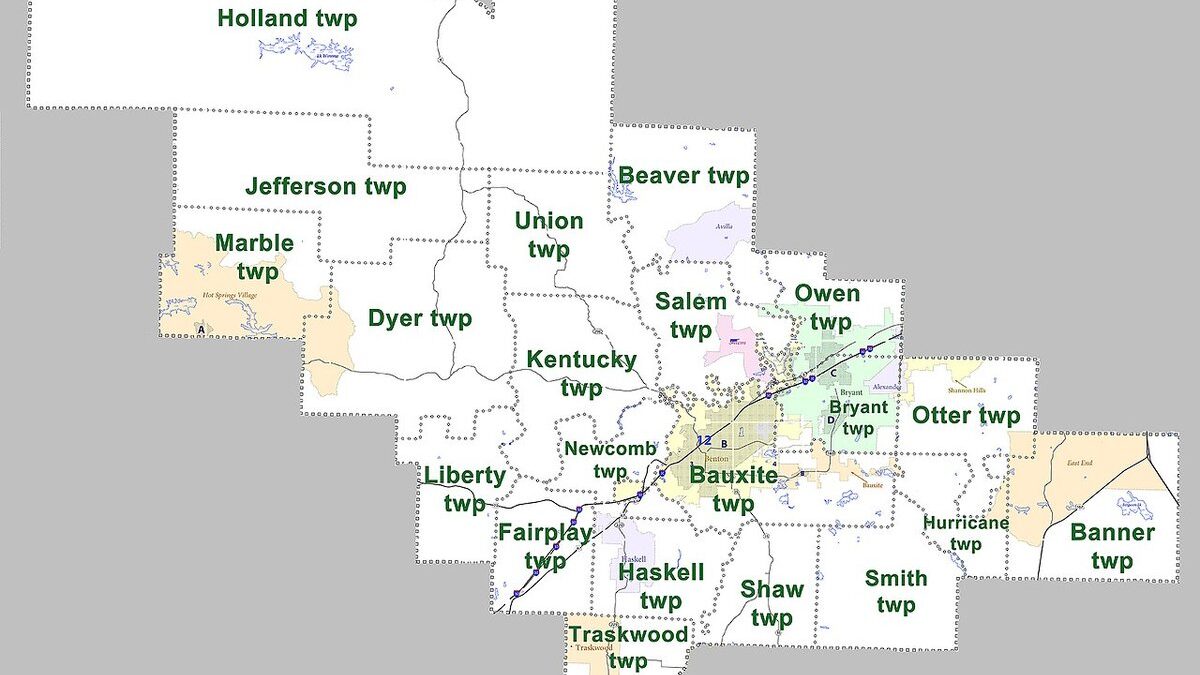
In the early morning hours of August 23, 1987, the bodies of two teenage boys laid across a desolate stretch of railroad tracks in rural Saline County, Arkansas, were run over by a 5,000-ton cargo train. The Boys on the Tracks Saline County Arkansas case—involving seventeen-year-old Kevin Ives and sixteen-year-old Don Henry—became one of the most contentious, politically charged, and disturbing cold case homicide investigations in American history. What began as a questionable state medical ruling of ‘marijuana-induced sleep’ was later exposed through independent forensic exhumations as a brutal double murder and cover-up linked to rural drug trafficking operations.
Executive Case Factsheet
- Victim(s): Kevin Ives (age 17) and Don Henry (age 16)
- Date of Incident: August 23, 1987
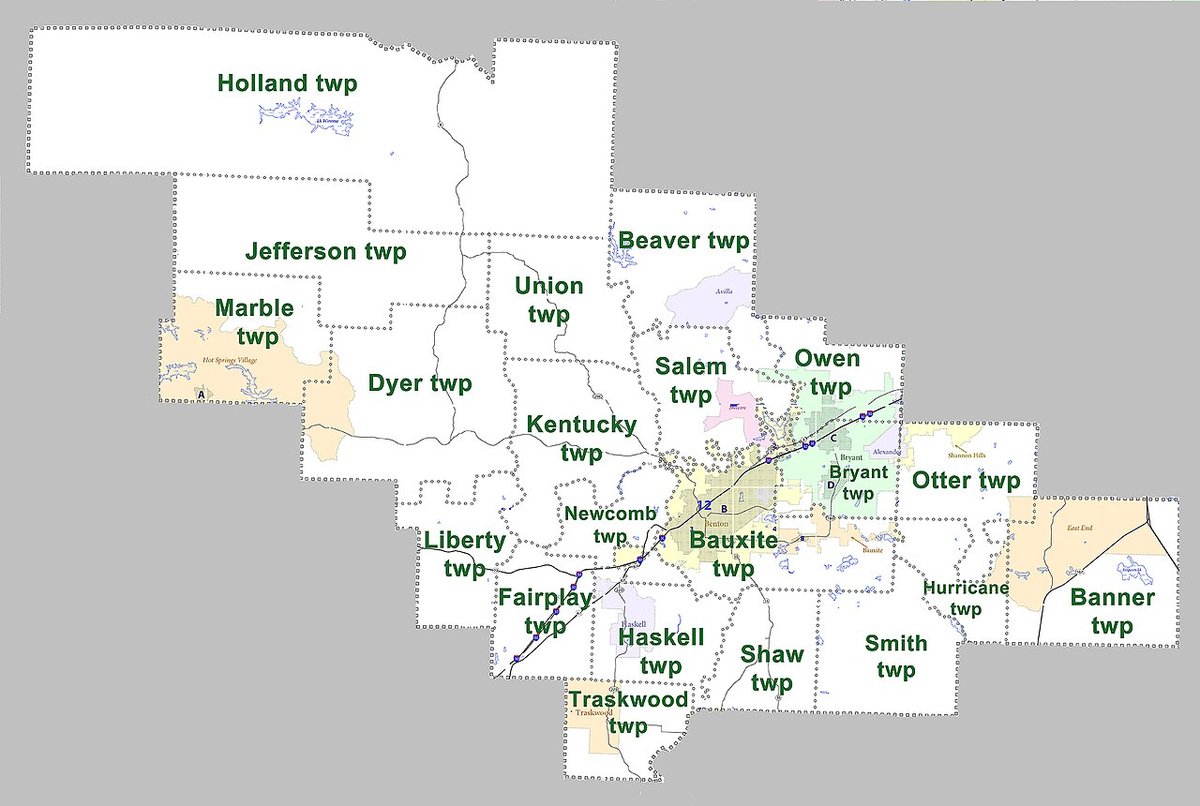
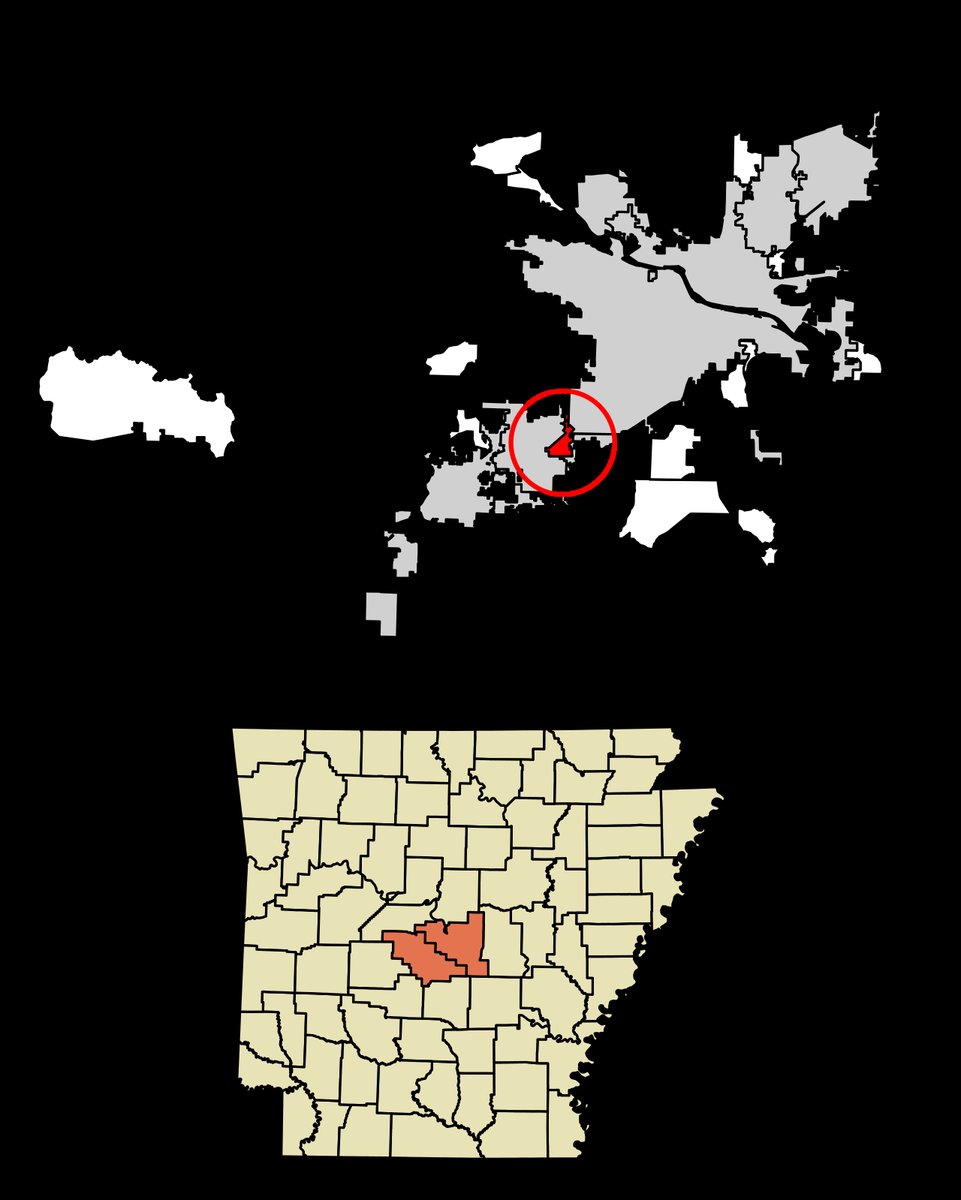
- Primary Crime Scene / Location: Missouri Pacific Railroad tracks near Alexander, Saline County, Arkansas
- Lead Investigating Jurisdictions: Saline County Sheriff’s Office, Arkansas State Police, FBI, Special Prosecutor Dan Harmon
- Key Forensic Evidence: Second forensic autopsy by Dr. Joseph Burton establishing stab wound in Don Henry’s back and blunt skull crushing on Kevin Ives prior to train impact; green military tarp missing; Mena drug smuggling corridor nexus
- Suspect(s) / Perpetrator(s): Corrupt local law enforcement officers and drug trafficking syndicates; unresolved
- Legal Outcome & Status: Officially ruled unsolved double homicide; grand jury concluded probable cause of murder
The 4:00 AM Collision and the Initial Train Crew Accounts
At approximately 4:00 a.m. on Sunday, August 23, 1987, a Missouri Pacific freight train traveling southbound through the pine woods of Alexander, Arkansas, rounded a curve near Crooked Creek. Train engineer Stephen Shroyer and conductor Danny Allen spotted two bodies lying side-by-side between the rails, partially covered by a green military-style tarp. The boys lay completely motionless with their arms parallel to their torsos, showing zero reflex reactions to the train’s blaring emergency horn and screeching emergency brakes.
The massive 75-car locomotive could not stop in time, running over both teenagers. Saline County Sheriff’s deputies and Arkansas State Police troopers secured the rural rail site. Near the tracks, officers recovered a .22 caliber semi-automatic rifle and a spotlight, consistent with the teenagers having gone out into the woods on a late-night hunting excursion.
Initial state handling of the crime scene was marred by extraordinary investigative deficiencies. Saline County deputies failed to preserve the green tarp (which disappeared permanently from evidence custody), allowed railway maintenance crews to wash away biological evidence and ballast rock within hours, and treated the scene as an unfortunate accidental train mishap.
Dr. Fahmy Malak’s Ruling and the Family’s Rejection
Arkansas State Medical Examiner Dr. Fahmy Malak conducted the initial autopsies at the Arkansas State Crime Laboratory in Little Rock. In an autopsy report that sparked immediate public outrage, Dr. Malak ruled the deaths accidental, claiming the boys had smoked approximately twenty marijuana cigarettes, fallen into a profound psychedelic stupor on the tracks, and remained unconscious until they were struck by the train.
Kevin’s parents, Larry and Linda Ives, and Don’s parents, Curtis and Marlene Henry, vehemently rejected Malak’s medical conclusions. The families knew their sons were experienced outdoor enthusiasts who would never sleep on a live mainline railroad track. Supported by local investigative reporter Mara Leveritt, the families demanded independent review.
In 1988, following sustained public protests, a Saline County grand jury authorized the exhumation of both bodies. Renowned independent forensic pathologist Dr. Joseph Burton of Atlanta, Georgia, performed second autopsies. Dr. Burton’s definitive findings completely demolished the state’s initial ruling: he proved that Don Henry had suffered a deep, penetrating knife stab wound to his back prior to the train collision, and Kevin Ives’s skull had been crushed by a blunt weapon before the train struck him. Furthermore, toxicological re-testing revealed only negligible, non-intoxicating traces of THC, prompting the grand jury to officially reclassify the deaths as a double homicide.
The Mena Drug Smuggling Corridor and Witness Deaths
As the homicide investigation gained momentum, witnesses came forward alleging that the teenagers had inadvertently stumbled upon a clandestine late-night aerial narcotics drop near the Alexander tracks. During the late 1980s, rural Arkansas was a known transport corridor for transnational cocaine smuggling linked to the infamous Mena Intermountain Municipal Airport operations.
Informants reported that corrupt county law enforcement officers and drug couriers intercepted the boys in the woods, incapacitated them, and placed their bodies on the tracks under a military tarp to stage an accident and obliterate physical evidence of assault under the heavy train wheels.
Disturbingly, over the subsequent five years, at least six potential eyewitnesses and informants connected to the Saline County investigation died under violent or mysterious circumstances before they could testify before federal grand juries. Witnesses such as Keith Coney (died in a motorcycle crash), Keith McKaskle (stabbed to death), and Gregory Collins (gunshot wound to the head) met untimely deaths, creating a climate of intense fear and intimidation across Saline County.
The Downfall of Special Prosecutor Dan Harmon
In 1988, local attorney Dan Harmon was appointed as Special Prosecutor to lead the Saline County grand jury investigation into the murders, presenting himself as a crusader for justice for the Ives and Henry families. Harmon was subsequently elected as the 7th Judicial District Prosecuting Attorney.
However, an intensive multi-year federal undercover investigation spearheaded by the FBI and the U.S. Attorney’s Office revealed that Dan Harmon was running a racketeering enterprise out of the prosecutor’s office. In 1997, Harmon was indicted and convicted on federal racketeering, drug conspiracy, extortion, and bribery charges, having utilized his official position to shake down drug dealers and distribute narcotics, receiving a lengthy federal prison sentence.
Federal records and witness proffers implicated Harmon and rogue law enforcement associates in the broader narcotics distribution network that the two teenagers had crossed paths with on that fateful August night in 1987, explaining the systemic institutional obstruction that had paralyzed the homicide inquiry for years.
Cold Case Legacy, Investigative Journalism & Historical Impact
The Boys on the Tracks case remains one of the most extensively documented historical cold case homicides in the American South. The relentless advocacy of Linda Ives—who spent decades filing federal Freedom of Information Act (FOIA) lawsuits against the FBI, DEA, and CIA seeking unredacted files—established vital precedents regarding transparency in government record disclosures for victims of unsolved violent crimes.
Author Mara Leveritt’s definitive 1999 investigative book The Boys on the Tracks chronicled the systemic failures of county, state, and federal law enforcement, cementing the case as a textbook study in institutional corruption, forensic malpractice, and the critical importance of independent second autopsies in suspicious deaths.
The Arkansas State Police Cold Case Unit maintains an open homicide file on Kevin Ives and Don Henry, with federal and state authorities continuing to solicit anonymous tips to bring final accountability to the perpetrators.
Chronological Case Timeline
| Date / Milestone | Investigative Development | Forensic / Evidentiary Significance |
|---|---|---|
| August 23, 1987 | Bodies found on Alexander rail tracks | Freight train strikes motionless bodies; green tarp disappears |
| September 1987 | Dr. Fahmy Malak rules deaths accidental | Claims boys smoked 20 joints and fell asleep; families protest |
| April 1988 | Second autopsy by Dr. Joseph Burton | Discovers pre-impact stab wound and skull fracture; ruled homicide |
| 1988–1992 | Multiple key witnesses die in Saline County | Informants McKaskle, Coney, and Collins die before grand jury testimony |
| June 1997 | Prosecutor Dan Harmon convicted of racketeering | Lead investigator imprisoned on federal drug and extortion charges |
| 1999 | Mara Leveritt publishes ‘The Boys on the Tracks’ | Exposes systemic county corruption and federal narcotics links |
Frequently Asked Questions: Forensic & Legal Review
What happened to Kevin Ives and Don Henry on August 23, 1987?
Kevin Ives (17) and Don Henry (16) were found lying between railroad tracks in Alexander, Arkansas, and were run over by a freight train. A second autopsy proved they had been stabbed and bludgeoned before being placed on the tracks under a military tarp.
Why was the original medical examiner’s ruling rejected?
State Medical Examiner Dr. Fahmy Malak claimed the boys had smoked marijuana and fallen into a deep sleep on the tracks. Independent forensic pathologist Dr. Joseph Burton exhumed the bodies, disproved the toxic marijuana claim, and uncovered clear evidence of homicidal stabbing and skull crushing.
What was the drug drop theory in the Saline County murders?
Investigators and witnesses believe the teenagers accidentally witnessed a late-night aerial drug drop linked to regional cocaine trafficking. Corrupt officials and couriers killed the boys and staged their bodies on the tracks to conceal the crime.
Who was Dan Harmon and what was his role in the case?
Dan Harmon was the special prosecutor and elected district attorney who led the grand jury into the boys’ deaths. In 1997, he was convicted in federal court of racketeering, extortion, and running a drug conspiracy, exposing high-level corruption in the county.