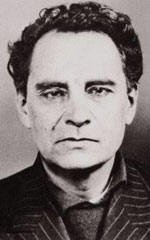
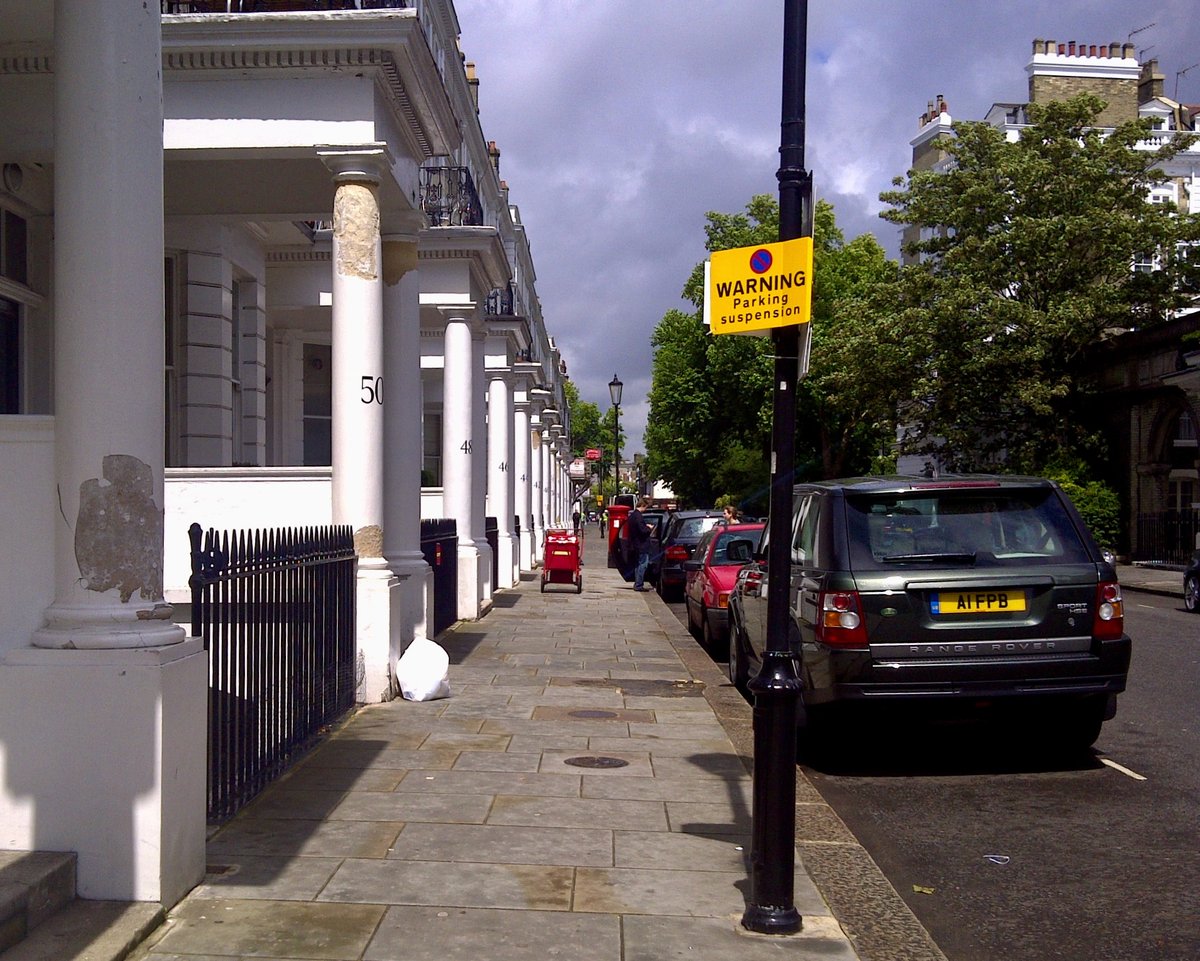
On February 8, 1983, a drainage clearing specialist named Michael Cattran responded to tenant complaints of blocked plumbing at a converted Victorian townhouse at 23 Cranley Gardens in Muswell Hill, North London. Clearing the exterior manhole cover, Cattran discovered a foul-smelling mass of gray, decomposing flesh and small bone fragments clogging the drain. When a top-floor civil servant named Dennis Nilsen suggested the sludge was merely Kentucky Fried Chicken remnants, Cattran alerted the police. Pathologist Professor David Bowen examined the sludge, confirming human tissue. Over the following hours, detectives from Hornsey Police Station uncovered Britain’s most prolific modern serial killer, who had strangled, drowned, dismembered, and stored the remains of up to 15 young men in his flats. This case dossier explores the drain forensics, post-mortem bone reassociation, psychiatric trials, and forensic legacy.
Executive Case Factsheet
- Victim(s): Confirmed 12 to 15 young men (including Stephen Holmes, Kenneth Ockendon, Martyn Duffey, Malcolm Barlow, Graham Allen)
- Date of Incident: 1978 – February 9, 1983 (Arrest)
- Primary Crime Scene / Location: 195 Melrose Avenue, Cricklewood; 23 Cranley Gardens, Muswell Hill, North London, England
- Lead Investigating Jurisdictions: Metropolitan Police Service (Hornsey Police Station), Home Office Forensic Science Service
- Key Forensic Evidence: Decomposing human tissue and bones recovered from exterior drainage pipes, 3 plastic bags of human viscera in wardrobe, cooking pots containing dismembered organs
- Suspect(s) / Perpetrator(s): Dennis Andrew Nilsen (37, former police officer and civil servant)
- Legal Outcome & Status: Convicted of six counts of murder and two counts of attempted murder; sentenced to life imprisonment; died in prison on May 12, 2018
The Cranley Gardens Drain Blockage: Sludge, Viscera, and Human Bones
In late January 1983, residents of 23 Cranley Gardens complained of severe plumbing blockages and a pervasive stench of rot emanating from the drainage lines. On February 8, Dyno-Rod technician Michael Cattran opened the inspection chamber in the front garden, pulling up dozens of chunks of pale, fatty flesh and sliced skin.
Dennis Nilsen, a 37-year-old job center civil servant who lived in the attic flat, approached Cattran, claiming: ‘It looks like somebody has been flushing down Kentucky Fried Chicken.’ However, by the next morning, someone had cleared the main drain during the night.
Suspicious, Cattran and supervisor Gary Wheeler inspected a side drain pipe servicing only Nilsen’s top-floor flat, recovering 29 additional fragments of decomposing meat and three vertebrae bones. Metropolitan Police Detective Chief Inspector Peter Jay and Home Office pathologist Professor David Bowen inspected the samples, confirming beyond doubt that the tissue consisted of dissected human flesh and intervertebral discs.
The Attic Flat Discovery: The Wardrobe and Cooking Pot Horrors
On the evening of February 9, 1983, DCI Peter Jay, Detective Sergeant Steve McCusker, and Professor Bowen waited inside 23 Cranley Gardens for Dennis Nilsen to return from work. When Nilsen arrived, DCI Jay confronted him on the stairs: ‘We are investigating the human remains found in the drain.’
Nilsen calmly replied: ‘Oh my God, how awful.’ When asked where the rest of the body was, Nilsen pointed toward the attic stairs: ‘In two plastic bags in my wardrobe.’
Ascending to the top-floor apartment, officers entered a scene of overwhelming decomposition. Inside the bedroom wardrobe, detectives recovered three plastic bags containing a dissected human torso, severed neck, and viscera. Inside a large metal cooking pot on the kitchen stove, Professor Bowen discovered a boiled human skull and severed hands. Nilsen voluntarily stated: ‘There are bodies at my previous flat at Melrose Avenue too. I have killed 15 or 16 men since 1978.’
Forensic Osteology and Melrose Avenue Garden Excavations
While technicians processed 23 Cranley Gardens, Metropolitan Police forensic excavation teams converged on Nilsen’s previous residence at 195 Melrose Avenue in Cricklewood.
Forensic archaeologists systematically excavated the back garden where Nilsen admitted burning corpses on large bonfires using rubber tires to mask the smell. Technicians sifted tons of soil, recovering over 1,000 bone fragments, teeth, and metal watch buckles.
At the London Hospital Medical College, Professor David Bowen and forensic odontologist Dr. Keith Liddle reconstructed the commingled osteological fragments. Pathologists identified three distinct skulls and matched dental charts to missing persons, including 14-year-old runaway Stephen Holmes, Canadian tourist Kenneth Ockendon, and Scottish youth Martyn Duffey, proving serial manual ligature strangulation.
The 1983 Old Bailey Trial: Insanity vs. Premeditated Murder
In October 1983, Dennis Nilsen went on trial at the Central Criminal Court (Old Bailey) in London before Mr. Justice Croom-Johnson. Crown Counsel Alan Green prosecuted Nilsen for six counts of murder and two counts of attempted murder.
Defense attorney Ralph Hailstone mounted a defense of diminished responsibility under Section 2 of the Homicide Act 1957. Renowned defense psychiatrist Dr. James MacKeith testified that Nilsen suffered from severe borderline personality disorder, necrophilic paraphilia, and transient psychotic episodes during which he felt compelled to preserve the bodies of companions to avoid loneliness.
Prosecution psychiatrist Dr. Paul Bowden countered that Nilsen’s actions were cool, calculated, and organized: he deliberately used ties and headphones as ligatures, submerged heads in buckets of water to ensure death, concealed corpses beneath floorboards, and executed intricate dissection and burning protocols. On November 4, 1983, the jury convicted Nilsen on all counts by majority verdict, and he was sentenced to life imprisonment with a minimum recommendation of 25 years.
Life Incarceration, Memoirs Litigation, and Death in Prison
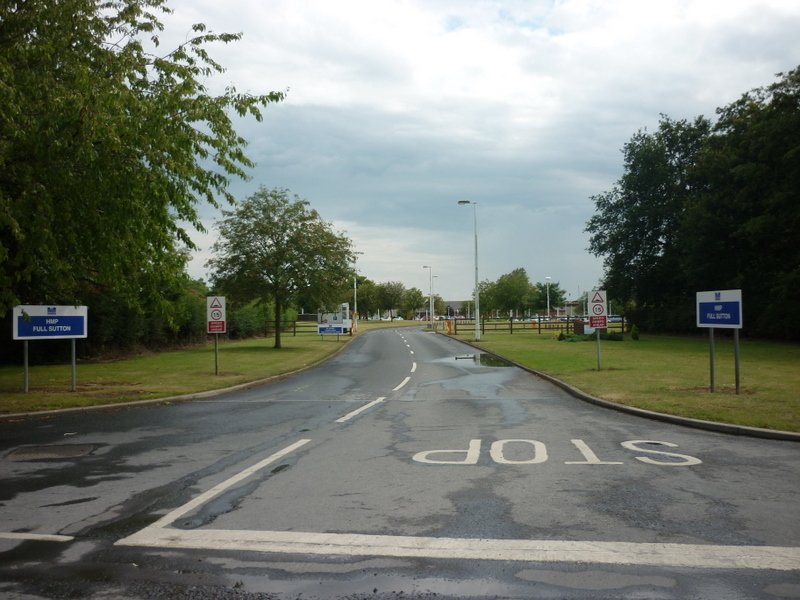
Dennis Nilsen was incarcerated at HM Prison Wormwood Scrubs, HM Prison Wakefield, and finally HM Prison Full Sutton in Yorkshire. In 2003, British Home Secretary David Blunkett issued a whole-life tariff, ensuring Nilsen would never be released.
While incarcerated, Nilsen wrote extensive autobiographical manuscripts titled *The History of a Drowning Boy*. In 2003, Nilsen launched a high-profile legal challenge under the Human Rights Act against the Prison Service for confiscating his manuscript, a suit rejected by the High Court to prevent commercial exploitation of homicide crimes.
On May 12, 2018, 72-year-old Dennis Nilsen died at York Hospital from a ruptured abdominal aortic aneurysm following emergency surgery. The Nilsen investigation remains a masterclass in modern drain and sewage forensic recovery, mass bone reassociation, and forensic psychiatric profiling of necrophilic serial offenders.
Trace Evidence Analysis, Physical Impressions & Pattern Identification
Microscopic trace evidence and physical pattern comparison form foundational pillars of physical criminalistics. Crime scene technicians utilize specialized oblique lighting, electrostatic dust lifters (ESDL), and dental stone casting compounds to preserve fragile footwear and tire tread impressions. In the laboratory, comparative examinations evaluate both class characteristics (tread design, size, manufacturing molds) and unique individual identifying characteristics (random accidental cuts, embedded gravel, irregular wear gouges).
Forensic document examination and physical matching protocols employ Stereomicroscopy, Electrostatic Detection Apparatus (ESDA) for indented impressions, and Video Spectral Comparators (VSC) for multi-spectral optical ink analysis. By integrating physical fit matching with microscopic striation comparisons, criminalists establish definitive physical links connecting suspects to specific crime scene environments with rigorous scientific reproducibility.
Modern Jurisprudential Precedents & Evidentiary Standards
The landmark investigative and courtroom developments associated with Dennis Nilsen fundamentally redefined procedural evidentiary standards under the Federal Rules of Evidence (Rule 702) and international common law equivalents. Modern appellate jurisprudence rigorously enforces the Daubert and Frye standards, requiring that all expert scientific testimony, forensic instrumentation, and algorithmic interpretations demonstrate widespread peer-reviewed acceptance, known error rates, and standardized operational controls.
Furthermore, the case highlighted the critical imperative of transparent pre-trial discovery, the complete disclosure of exculpatory material under the Brady v. Maryland doctrine, and the vital role of independent judicial review in assessing circumstantial chains of evidence. Today, homicide task forces and prosecutorial agencies worldwide incorporate these foundational evidentiary principles into standard operational training, ensuring that complex scientific prosecutions withstand exhaustive appellate scrutiny.
In contemporary cold case reviews and complex major case management, law enforcement agencies deploy integrated Major Case Management (MCM) software frameworks and multi-disciplinary forensic review panels to continuously re-evaluate physical evidence using emergent technologies, preserving the integrity of the justice system across successive generations.
Chronological Case Timeline
| Date / Milestone | Investigative Development | Forensic / Evidentiary Significance |
|---|---|---|
| Dec 30, 1978 | Nilsen commits first murder (Stephen Holmes) at Melrose Avenue | Beginning of five-year serial homicide spree across North London |
| Feb 8, 1983 | Dyno-Rod technician finds human flesh clogging Cranley Gardens drain | Plumbing investigation alerted to human tissue by Professor Bowen |
| Feb 9, 1983 | DCI Peter Jay arrests Dennis Nilsen; dismembered bodies recovered in attic | Suspect confesses to 15-16 homicides in police custody |
| Feb-Mar 1983 | Forensic teams excavate 195 Melrose Avenue garden, sifting 1,000+ bone fragments | Recovery of osteological remains confirming multiple bonfire disposals |
| Nov 4, 1983 | Old Bailey jury rejects diminished responsibility, convicts Nilsen of murder | Life sentence imposed with whole-life tariff by Home Office |
| May 12, 2018 | Dennis Nilsen dies at age 72 in HM Prison Full Sutton hospital | Closure of one of Britain’s most notorious serial murder dossiers |
Frequently Asked Questions: Forensic & Legal Review
How was Dennis Nilsen caught?
Nilsen was apprehended after a Dyno-Rod drainage technician, Michael Cattran, cleared a blocked manhole at 23 Cranley Gardens and discovered chunks of human flesh and vertebrae bones that Nilsen had flushed down the toilet. Forensic examination confirmed human tissue, leading police to his attic flat.
How many victims did Dennis Nilsen kill?
Nilsen confessed to murdering 15 to 16 young men between 1978 and 1983 at his flats in Cricklewood (Melrose Avenue) and Muswell Hill (Cranley Gardens). Police officially identified eight victims and secured convictions on six murder counts.
What method did Dennis Nilsen use to kill his victims?
Nilsen lured young, often homeless men or students to his flat with alcohol and food, strangled them from behind with neckties, headphone cords, or bare hands, and frequently drowned them in a bucket of water or bath before storing the corpses beneath floorboards or in wardrobes.