
Vanished at Spence Field: The 1969 Disappearance of Dennis Martin
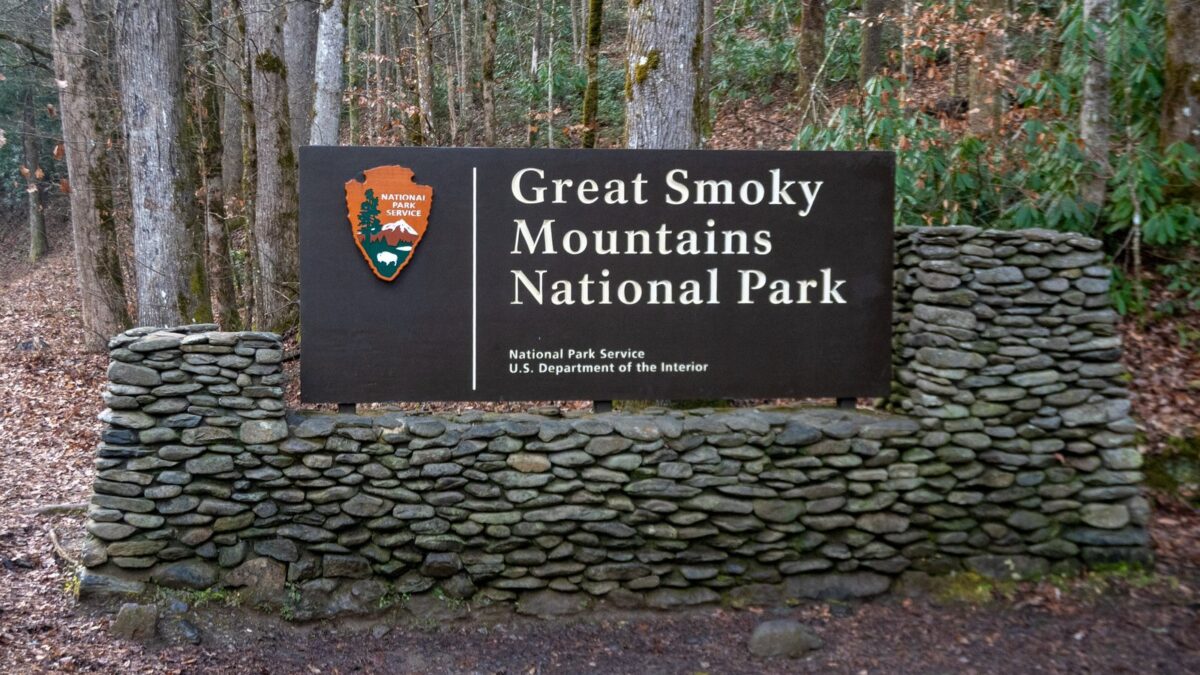
On Father’s Day weekend in 1969, seven-year-old Dennis Martin stepped behind a rhododendron bush in the Great Smoky Mountains during a harmless game of hide-and-seek. Within minutes, he disappeared from the face of the earth.
⚡ Key Case File: Dennis Lloyd Martin
- Date of Disappearance: Saturday, June 14, 1969 (~4:00 PM EST)
- Location: Spence Field, Great Smoky Mountains National Park, Blount/Sevier County, Tennessee
- Elevation: ~4,920 feet (1,500 m) along the Appalachian Trail
- Victim Profile: Dennis Lloyd Martin (Age 7), from Knoxville, Tennessee
- Attire: Bright red T-shirt, dark green/blue trousers, low-cut oxford shoes
- Search Mobilization: Over 1,400 personnel, U.S. Army Green Berets, FBI, bloodhounds
- Current Status: Officially Unsolved Missing Person Cold Case (NPS ISB / NamUs)
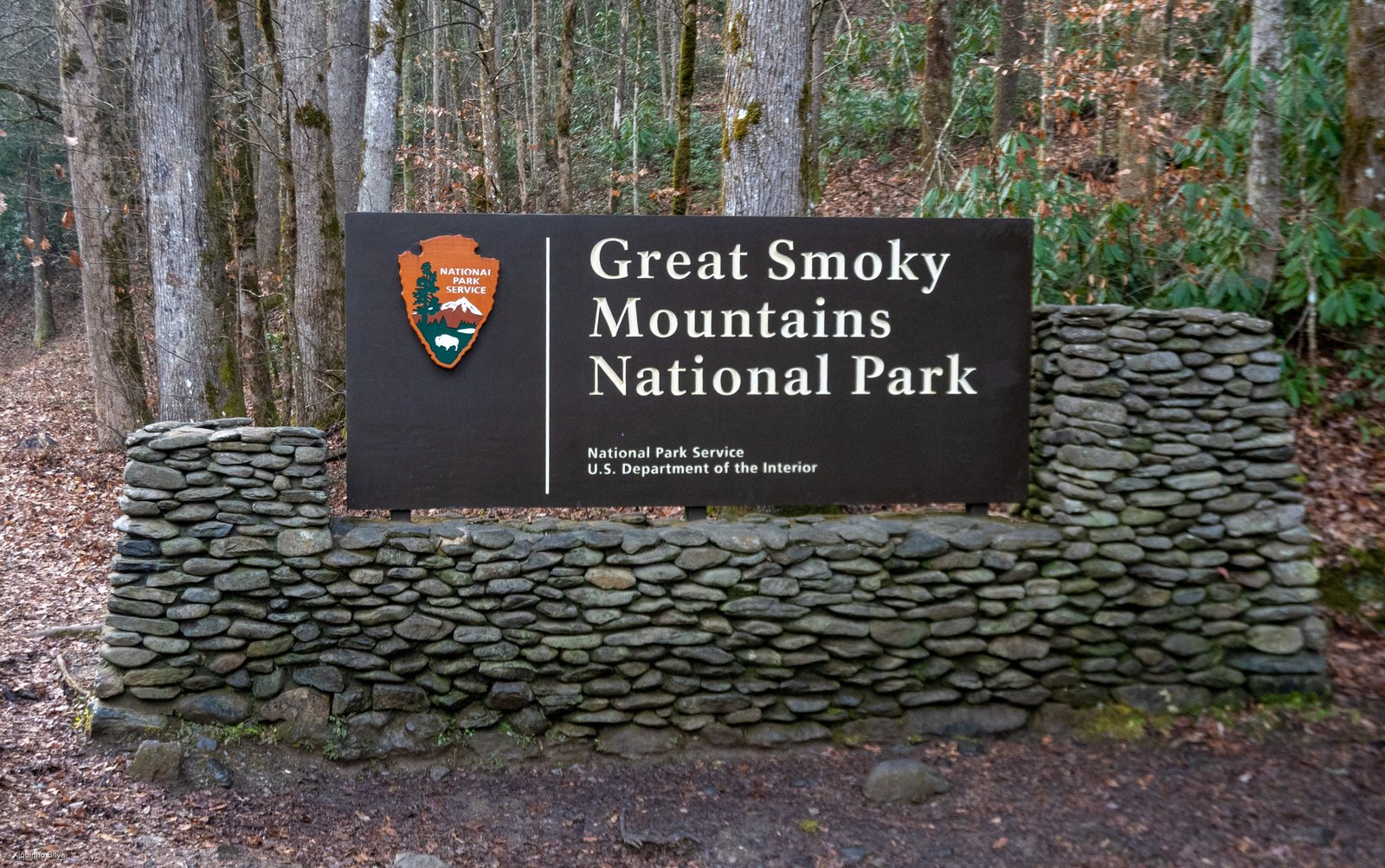
The grassy high-elevation clearing known as Spence Field sits along the backbone of the Appalachian Mountain ridge dividing Tennessee and North Carolina. At nearly 5,000 feet above sea level, it is a picturesque alpine meadow surrounded by dense mountain laurel slicks and virgin hardwood forests. On the afternoon of Saturday, June 14, 1969, it was filled with summer wildflowers and the laughter of families celebrating an early Father’s Day weekend.
Among the visitors was seven-year-old Dennis Lloyd Martin, an energetic, dark-haired boy from Knoxville, Tennessee. Dressed in a vibrant red T-shirt, Dennis was playing a playful prank with his nine-year-old brother, Douglas, and two young friends. The children decided to circle around the adults resting in the field and leap out simultaneously to startle their fathers.
Dennis went to the left, slipping behind a dense cluster of mountain laurel bushes. His father, William C. Martin, watched him walk into the foliage just thirty yards away. When the other boys shouted and jumped into the clearing, Dennis did not appear. William walked over to the bushes, expecting his son to be giggling in the tall grass. Within five minutes, the clearing fell dead silent except for the frantic shouts of a father calling his son’s name. Dennis Lloyd Martin had vanished without a trace.
Who Was Dennis Lloyd Martin
Dennis was born on June 20, 1961, in Knoxville, Tennessee. Described by his teachers, family, and neighbors as a cheerful, bright, and obedient boy, he had completed the first grade just weeks before the trip. Dennis suffered from mild hearing loss in one ear, but he was physically robust, agile, and well-accustomed to outdoor family excursions.
The Father’s Day backpacking trek was an established annual tradition for the Martin family. The party consisted of Dennis, his father William, his grandfather Clyde Martin, and his older brother Douglas. They had made the strenuous four-mile ascent from Cades Cove to Spence Field on Saturday morning. Because Dennis was wearing a bright red shirt, his family felt confident that he would be instantly visible against the lush green understory of the Appalachian forest.
The Critical Five Minutes: What Happened at Spence Field
According to investigative summaries compiled by the National Park Service and the Federal Bureau of Investigation, the disappearance unfolded between 4:00 p.m. and 4:05 p.m. on June 14, 1969. The timeline of the immediate aftermath demonstrates how swiftly a wilderness crisis can develop:
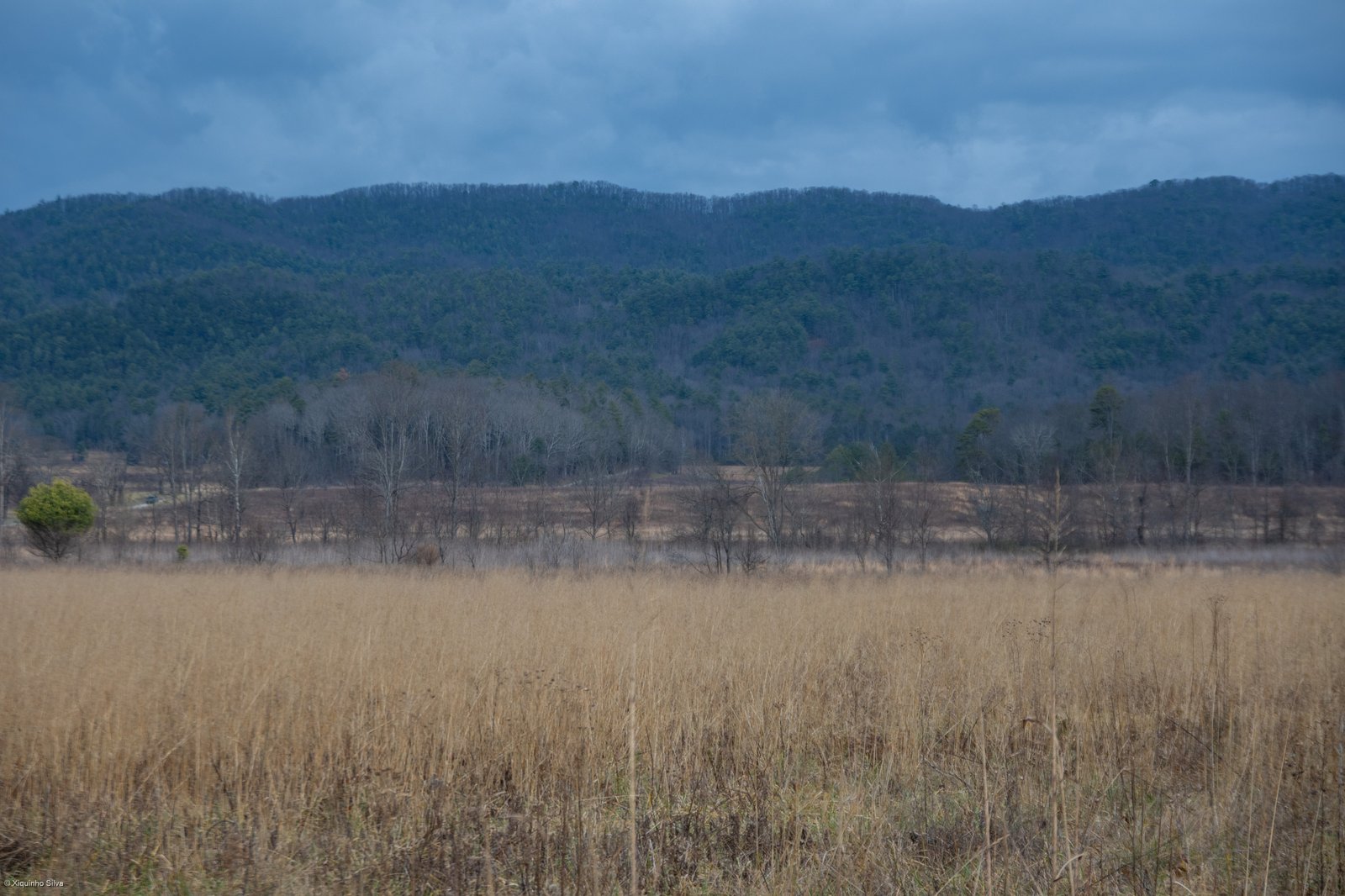
- 4:05 PM: William Martin investigates the mountain laurel thicket. The perimeter behind the bushes drops steeply into a series of rugged, heavily timbered ravines leading down toward the North Carolina drainage.
- 4:10 PM: William runs more than two miles down the Appalachian Trail in both directions, shouting Dennis’s name. Finding no response, Dennis’s grandfather Clyde runs down the mountain trail to alert park rangers in Cades Cove.
- 8:00 PM: The first wave of National Park Service rangers and Blount County rescue squads reach Spence Field on foot and horseback.
- 9:00 PM: A catastrophic, unseasonal mountain storm strikes the high Smokies. Torrential rain dumps over 2.5 inches of water on Spence Field in less than four hours, triggering flash floods, mudslides, and causing overnight temperatures to plummet into the upper 40s.
The sudden downpour proved devastating to the search effort. It washed away any physical footprints the child had left in the mud and completely eliminated any scent pools that tracking hounds could follow.
The Largest Search Operation in National Park History
Over the subsequent weeks, the search for Dennis Martin escalated into the largest, most comprehensive search-and-rescue mobilization ever conducted on National Park Service land. At the height of the operation, more than 1,400 searchers were actively deployed across the rugged terrain.
The multi-agency coalition included an extraordinary array of resources:
- U.S. Army Special Forces (Green Berets): Over 60 elite soldiers from the 6th Special Forces Group at Fort Bragg were airlifted to the park to conduct tactical grid sweeps through unexplored ravines.
- Federal Bureau of Investigation (FBI): Under the direct authorization of Director J. Edgar Hoover, the FBI opened a formal kidnapping investigation, treating the case as a potential federal child abduction.
- Specialized Tracking Teams: Bloodhounds, German Shepherds, and tracking handlers from Tennessee, North Carolina, and Arkansas.
- Military Aviation: U.S. Air Force and Army helicopters flew dozens of low-altitude sorties, utilizing infrared thermal detectors and high-powered searchlights.
- Over 1,000 Volunteers: Firefighters, students, Boy Scout leaders, and local mountaineers converged on the park to assist.
However, the massive influx of untrained volunteers created severe logistical bottlenecks. Searchers accidentally contaminated scent trails, trampled potential physical evidence, and complicated communications in the dense wilderness before modern radios and incident command structures existed.
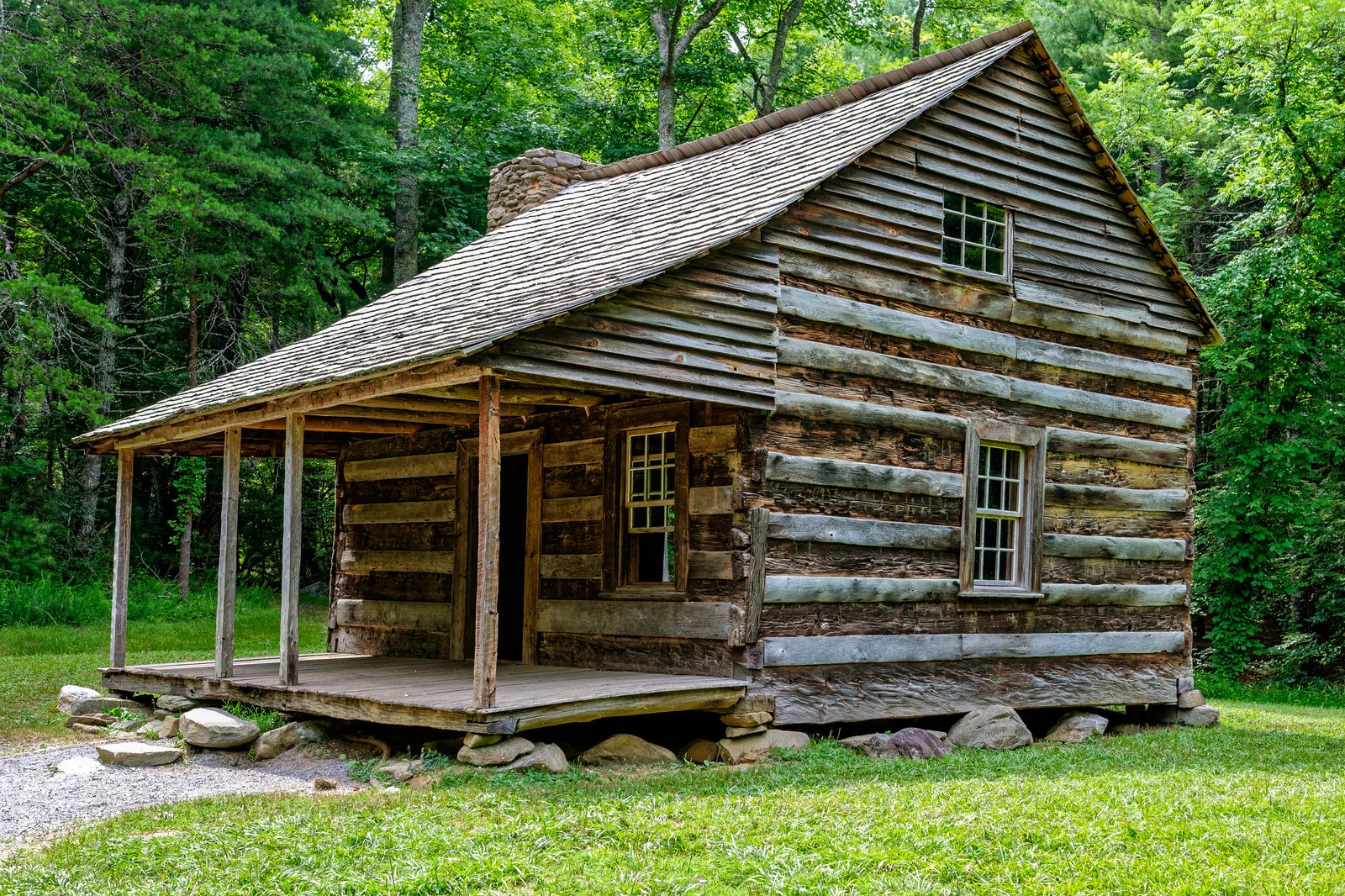
The Mysterious Sighting at Sea Branch
One of the most perplexing and haunting leads in the FBI case file involves an encounter reported by a tourist named Harold Key. On the same afternoon Dennis disappeared, Key and his family were visiting the Sea Branch area—located in a secluded drainage several miles downhill from Spence Field.
Key reported hearing a “horrible, sickening scream” echoing from the woods at approximately the same time Dennis vanished. Moments later, Key observed an unkempt, disheveled man walking through the trees. The individual appeared anxious, was attempting to conceal himself among the foliage, and was carrying what looked like a bulky bundle or person over his shoulder. The man jumped into a white sedan parked along the secondary road and sped away.
FBI special agents and park rangers conducted exhaustive forensic searches of the Sea Branch drainage and interviewed hundreds of motorists, but the identity of the disheveled man was never established, and no physical link between the sighting and Dennis was ever verified.
Investigative Hypotheses: What Happened to Dennis Martin?
More than fifty years after the boy stepped behind the bushes, federal investigators and wilderness forensic researchers continue to evaluate three primary hypotheses:
- Hypothermia and Disorientation in Drainage Ravines: The terrain surrounding Spence Field drops into precipitous, trackless gullies choked with rhododendron bushes. If Dennis became disoriented in the fog, a seven-year-old child could have walked downhill into remote drainages such as Bone Valley or Hazel Creek. In the freezing rainstorm of June 14, severe hypothermia could have caused terminal burrowing behavior within hours, concealing his remains beneath root balls or rock falls where searchers could not penetrate.
- Stranger Abduction / Foul Play: The presence of logging roads and tourist turnouts in the valley, combined with the Harold Key sighting, led federal authorities to treat foul play as a credible possibility. However, no ransom demand was ever received, no vehicle was matched to the scene, and no suspect was ever formally charged.
- Wildlife Attack: The Great Smoky Mountains harbor one of the densest populations of black bears in North America. While predatory attacks on humans are exceedingly rare, investigators examined whether an aggressive bear or bobcat could have dragged the child into a subterranean den without leaving a visible trace on the surface.
The Enduring Search and Rescue Legacy
The active search for Dennis Lloyd Martin officially terminated on September 14, 1969, exactly three months after he vanished. It remains the most poignant and haunting mystery in the annals of the Great Smoky Mountains National Park.
Yet Dennis’s disappearance left a permanent, transformative impact on the science of search and rescue (SAR). The operational chaos and scent contamination encountered at Spence Field prompted the National Park Service and the federal government to completely overhaul their lost-person protocols. Out of the Dennis Martin investigation came the development of the Incident Command System (ICS), strict initial containment perimeters, specialized lost-person behavior statistics, and formalized tracker certification programs now used worldwide.
Today, Dennis Lloyd Martin remains listed on the National Park Service Investigative Services Branch (ISB) cold case roster and the National Center for Missing and Exploited Children. His memory stands as a solemn tribute to the enduring power and mysterious vastness of the Appalachian wilderness.