Case File Dossier: Stacey Anne Arras (1981)
- Victim: Stacey Anne Arras (Age 14)
- Date of Disappearance: July 25, 1981 (~4:00 PM PST)
- Location: Sunrise High Sierra Camp, Yosemite National Park, California
- Elevation: ~9,400 feet (2,865 meters) above sea level
- Sole Physical Evidence: 35mm camera lens cap discovered on a granite outcrop ~3,000 ft from camp
- Investigating Agencies: National Park Service (NPS) Investigative Services Branch, Mariposa County Sheriff’s Office
- Current Status: Active Unsolved Missing Person / Cold Case
- Category: National Park Disappearances
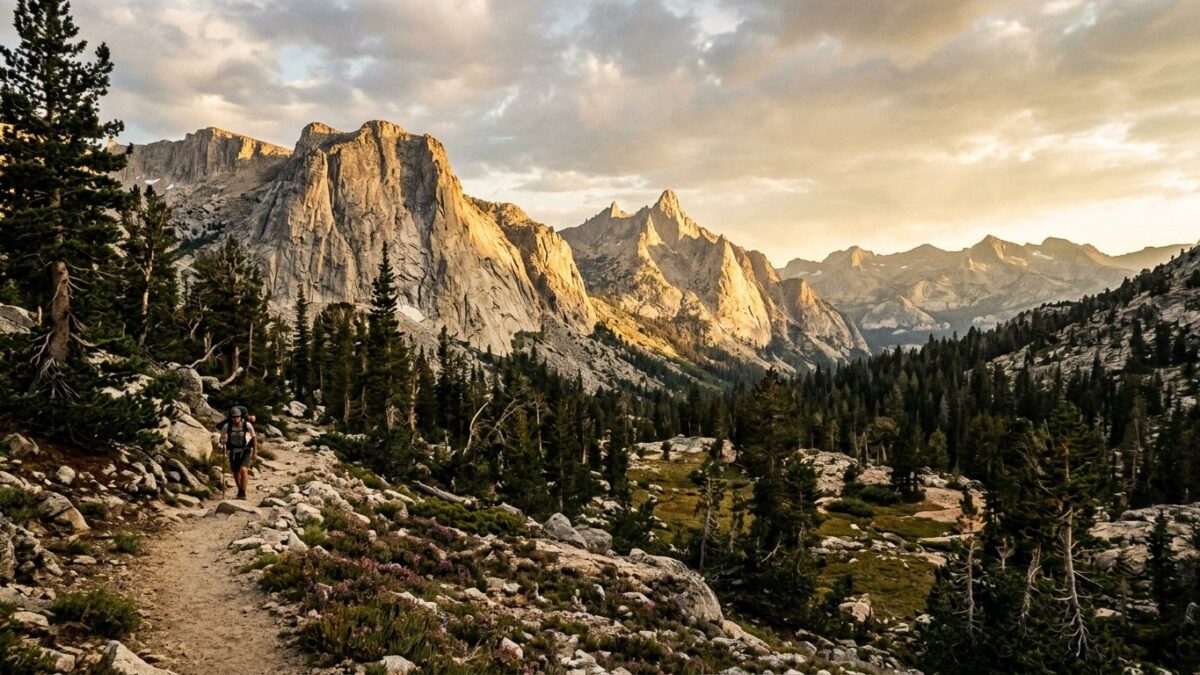
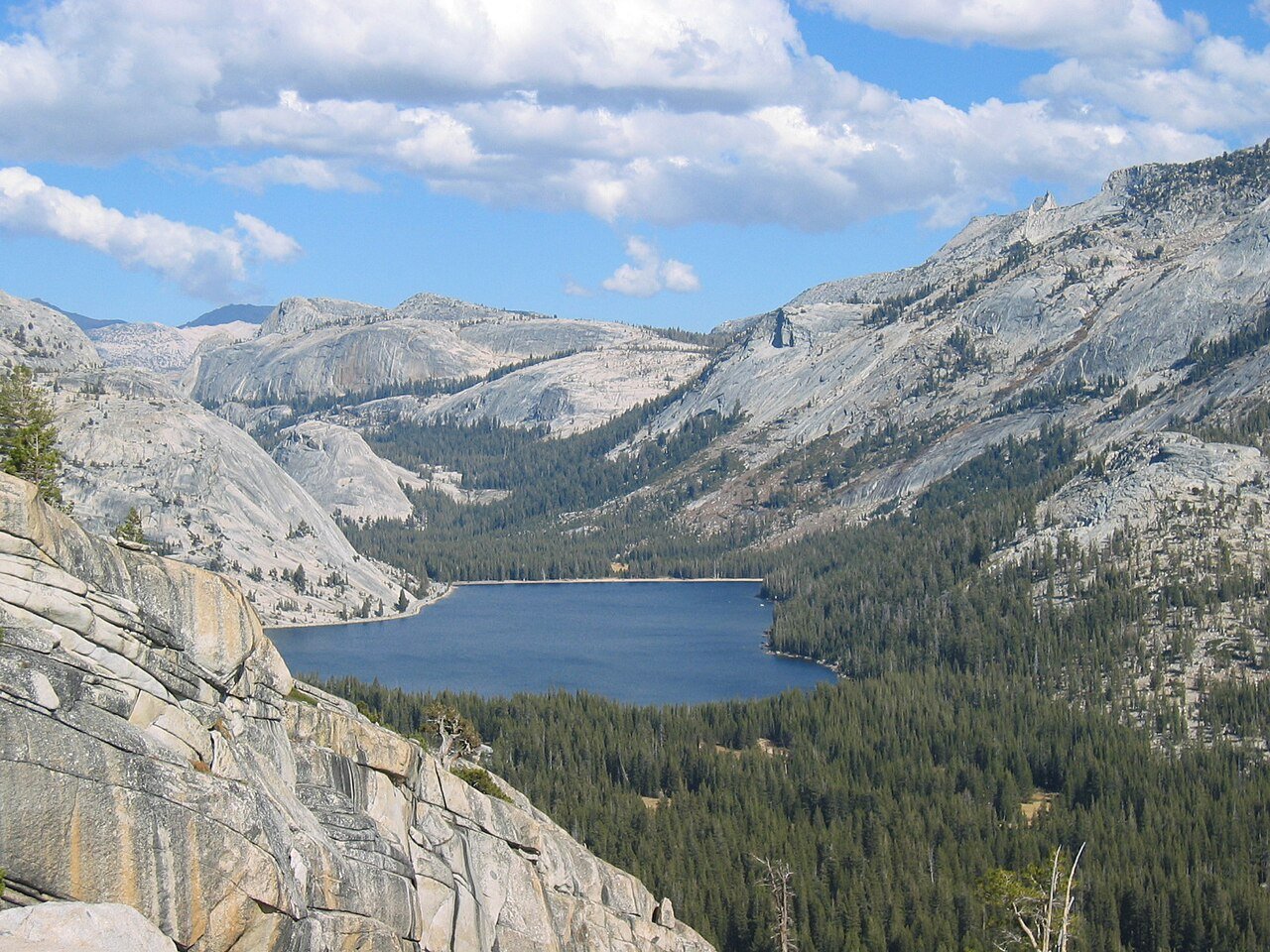
On the clear summer afternoon of July 25, 1981, 14-year-old Stacey Anne Arras stepped away from a rustic backcountry cabin at Yosemite National Park’s Sunrise High Sierra Camp to photograph a scenic alpine lake. Armed with a 35mm camera and accompanied for part of the walk by an elderly family friend, Stacey walked roughly 150 yards across open granite terrain and stepped briefly behind a sparse stand of lodgepole pines. She never emerged.
Over the next ten days, one of the most technologically advanced and exhaustive search-and-rescue operations in the history of the Sierra Nevada unfolded. Mounted rangers, dog tracking teams, elite mountain rescue volunteers, and military helicopters equipped with infrared thermal imaging swept every fissure, talus slope, and granite crest within a multi-mile perimeter. Except for a single plastic camera lens cap found perched on a rock nearly a mile away, not a solitary fiber, footprint, or trace of Stacey Arras has ever been recovered.
Today, the disappearance of Stacey Arras in Yosemite National Park remains one of the most perplexing mysteries in the annals of American wilderness vanishings—a case marked by bizarre evidentiary voids, rapid disappearance timelines, and decades of contentious Freedom of Information Act (FOIA) public records battles.
The Expedition to Sunrise High Sierra Camp
In late July 1981, Stacey Arras and her father, George Arras, joined a guided backcountry horseback tour operated by the Yosemite Park and Curry Company. The curated four-day excursion was designed to take riders through the rugged backcountry of Yosemite’s High Sierra, utilizing the park’s historic network of High Sierra Camps—rustic outposts accessible only on foot or by mule that provide canvas tent cabins, communal dining, and fresh water to wilderness travelers.
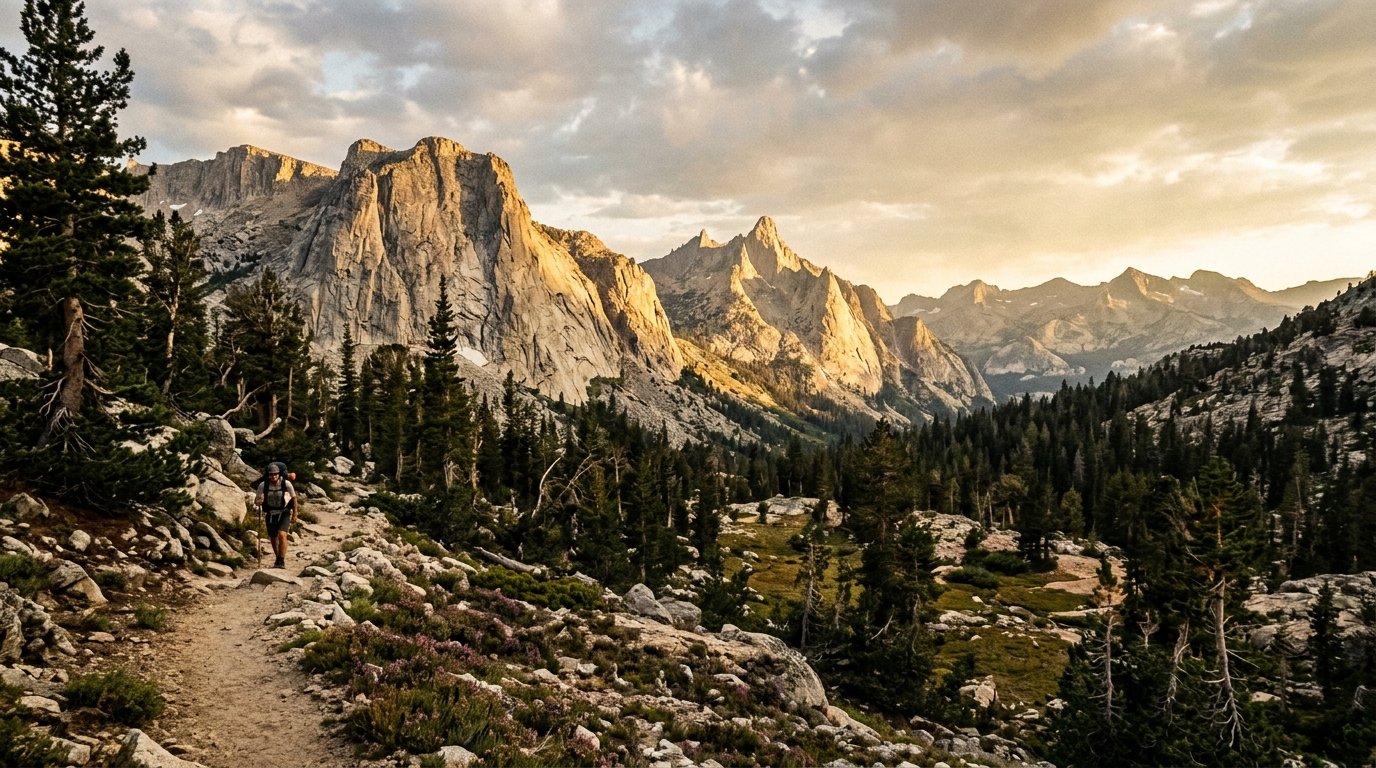
On the morning of Saturday, July 25, the group of eight riders and two wranglers departed Tuolumne Meadows, ascending roughly ten miles across the Cathedral Range before arriving at Sunrise High Sierra Camp (elevation 9,400 ft) at approximately 3:00 PM. The weather was pristine: bright sunshine, mild mountain temperatures, and unrestricted visibility across the subalpine meadows.
After unsaddling the mules and assigning tent cabins, the riders settled into camp. Stacey went to her assigned canvas tent, washed up, and changed into a pair of lightweight gray and white shorts, a white blouse, and hiking boots. Around 3:45 PM, she emerged carrying her 35mm camera, intending to walk to a nearby granite bluff overlooking Sunrise Lakes and Cathedral Peak to take landscape photographs before dinner.
The Final 150 Yards: The Disappearance Window
Before leaving the cabin perimeter, Stacey asked her father, George Arras, if he would join her on the short photography walk. Fatigued from the six-hour mule ride, George declined, choosing instead to rest on the camp porch while keeping an eye on his daughter.
A 71-year-old member of their riding party, Gerald Stuart, volunteered to accompany Stacey. The two began walking southward on a gentle incline toward a rocky knoll approximately 150 yards from the cabins.
According to official NPS investigative reports, after walking roughly 100 yards, Stuart felt out of breath due to the high altitude. He stopped on a flat granite rock in plain view of the camp cabins and told Stacey he would wait there while she walked the remaining 50 yards to the edge of the overlook.
Stuart watched the 14-year-old walk up the gentle slope toward a cluster of dwarfed lodgepole pines and whitebark firs. When Stacey reached the trees, she stepped behind the foliage. Stuart waited. Several minutes passed with no sign of her return. Assuming she had simply paused to frame a photograph, Stuart waited another ten minutes before calling out her name.
There was no response across the quiet alpine basin. When Stuart walked past the trees to the overlook ledge, the area was completely deserted. Stacey Arras had vanished in broad daylight within sight of her father and fellow travelers.
The Search & Rescue Operation: A High-Altitude Grid
Camp wranglers and staff immediately initiated a preliminary search of the knoll and surrounding trailheads by 4:30 PM. Finding no sign of the teenager, camp personnel dispatched an emergency rider to the Tuolumne Meadows ranger station to report the missing person.
By Sunday morning, July 26, the National Park Service launched one of the most comprehensive wilderness search operations ever mounted in California:
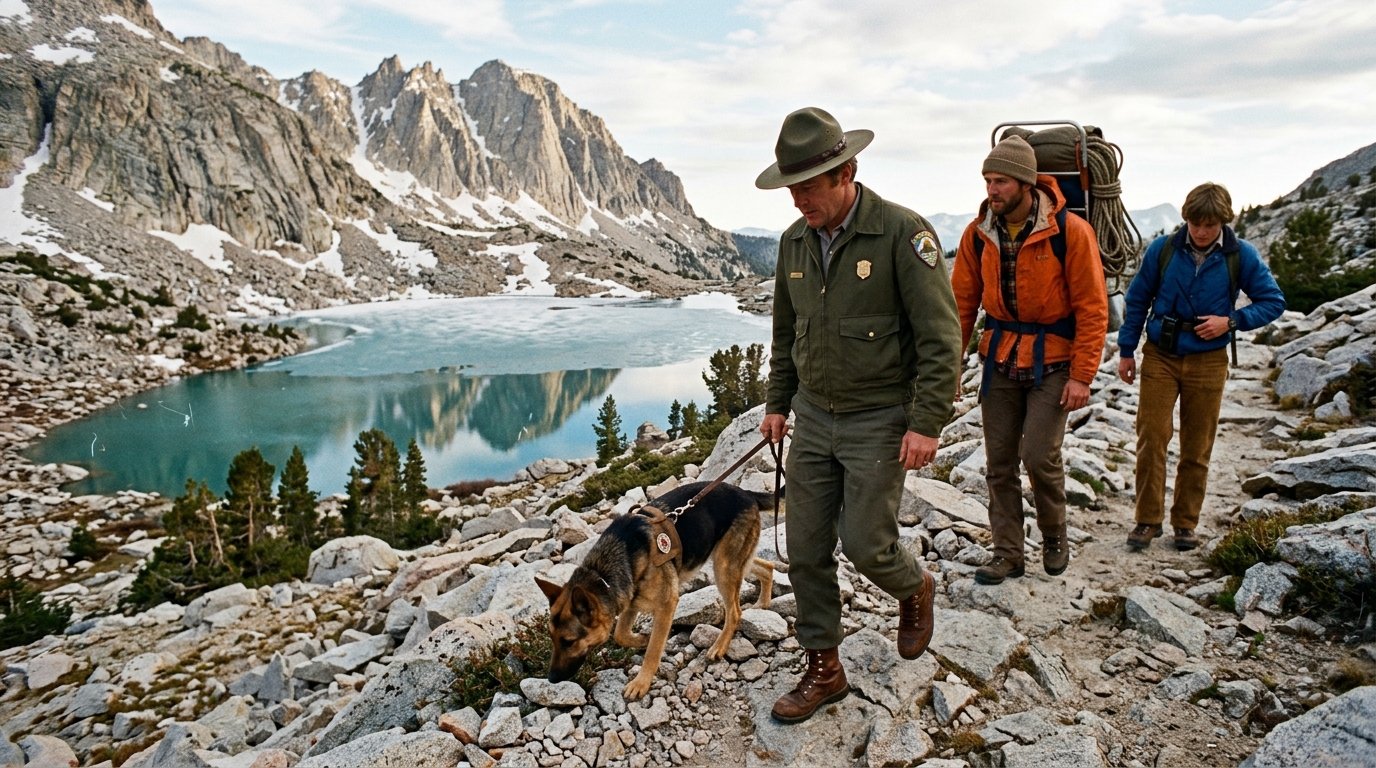
- Search Personnel: Over 100 full-time searchers, including National Park Service Rangers, Yosemite Search and Rescue (YOSAR) elite climbers, Mariposa County Sheriff’s deputies, and mountain rescue teams from across the Sierra Nevada.
- Canine Units: Six certified bloodhound and air-scent canine tracking teams deployed along every trail radiating from Sunrise Camp.
- Aviation Support: Continuous aerial sweeps by California Highway Patrol helicopters and military search-and-rescue choppers from Naval Air Station Lemoore equipped with Forward Looking Infrared (FLIR) thermal technology.
- Sub-Surface Scans: Technical divers and swift-water teams dragging and diving the icy waters of the Sunrise Lakes and nearby creeks.
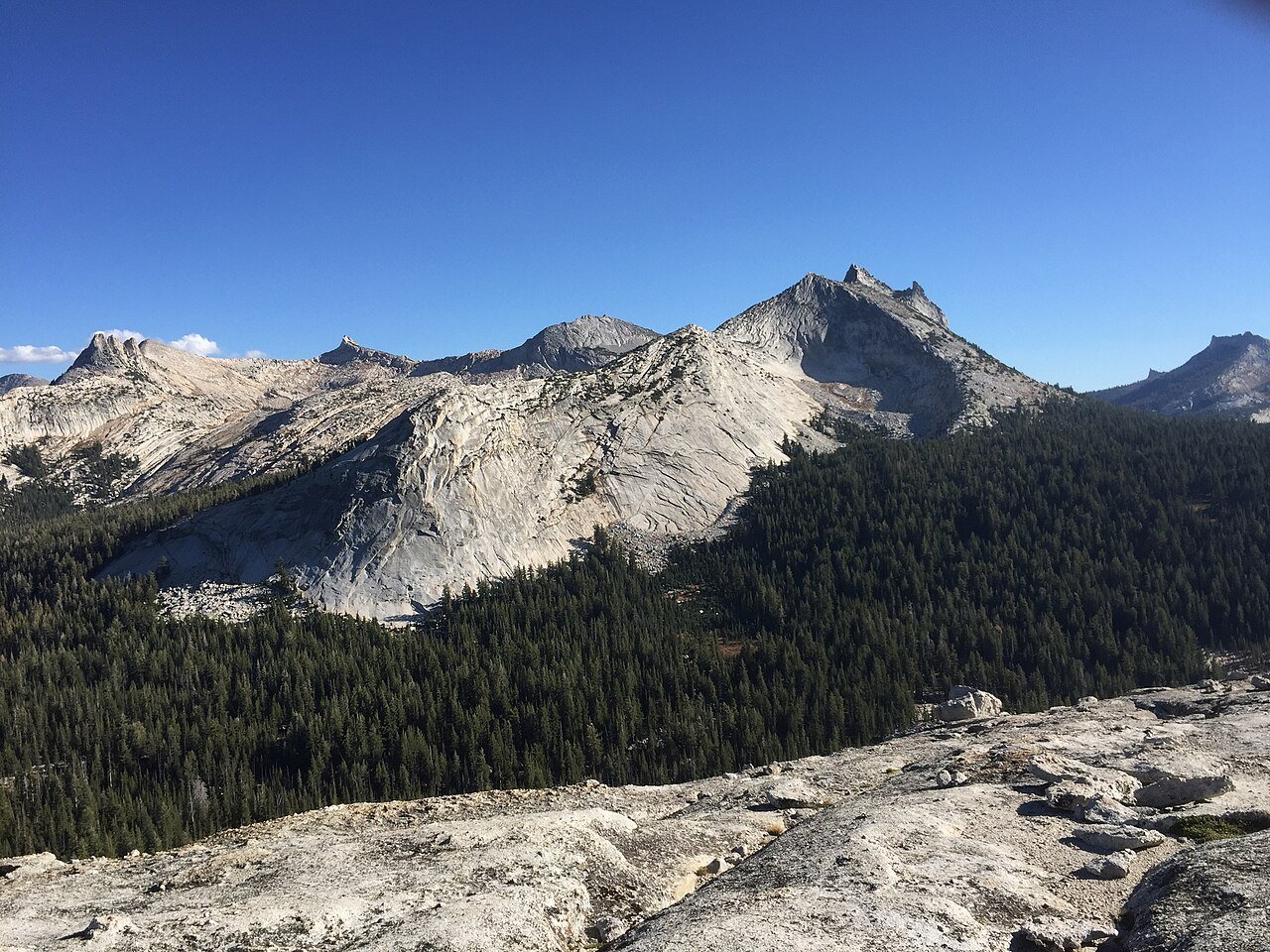
Search conditions were considered optimal. The high-altitude granite environment had sparse underbrush, meaning visibility across ground surfaces was exceptional. In typical wilderness search scenarios, lost hikers leave identifiable sign: broken branches, scuffed moss, footprints in decomposed granite, or discarded gear. In Stacey’s case, tracking dogs failed to establish a scent trail leading away from the trees where she was last seen.
The Sole Physical Clue: The Camera Lens Cap
On day three of the intense search, searchers made the first and only physical discovery connected to the case.
Roughly 3,000 feet (over half a mile) northeast of Sunrise Camp, on a steep granite slope descending toward the Tenaya Lake drainage basin, a search team discovered a small plastic lens cap belonging to Stacey’s 35mm camera resting on an undisturbed granite slab.
The location of the lens cap presented immediate investigative paradoxes:
- Distance & Terrain: Navigating from the last-seen point to the lens cap location required traversing steep, uneven granite domes and talus fields that would take a fit adult 25 to 35 minutes to hike.
- Absence of the Camera: Despite an intensive fingertip search of every crevice and boulder pile within 500 yards of the lens cap, neither the camera itself, its carrying strap, film canisters, nor any other personal effects were found.
- No Scent Continuity: Bloodhounds brought to the lens cap rock could not pick up any human scent trail leading toward or away from the boulder.
Investigative Hypotheses & Forensic Breakdown
Investigators and forensic analysts have evaluated four primary hypotheses regarding Stacey Arras’s fate, each accompanied by substantial evidential challenges:
1. Accidental Fall into a Granite Crevice
Proponents of an environmental accident argue that Stacey may have climbed down into a steep fissure to retrieve a dropped item or get a better photographic angle, slipped, and fallen into a deep granite void. However, YOSAR teams rappelled down every crevice and chimney in the area, and specialized thermal cameras detected no body heat in subterranean gaps during the initial 72 hours.
2. Predatory Animal Attack
Wildlife encounters involving cougars (mountain lions) or black bears are occasionally theorized in alpine disappearances. Yet wildlife biologists and forensic trackers point out that big-cat ambushes leave violent, unmistakable forensic signatures: blood spatter, drag paths through vegetation, shredded textiles, and strong scents that tracking dogs immediately identify. None of these indicators existed anywhere in the Sunrise Camp sector.
3. Third-Party Abduction via Tioga Pass Highway
A prominent investigative theory centers on the proximity of the Sunrise trail network to Tioga Pass Road (Highway 120). The Sunrise Lakes Trailhead connects directly to Highway 120 at Tenaya Lake, roughly 4.5 miles from camp. A perpetrator familiar with the backcountry could have intercepted the teen, forced her down-drainage toward a waiting vehicle, and exited the national park boundaries within an hour. The discovery of the lens cap along the direct descending trajectory toward Tenaya Lake provides circumstantial support for this vector.
4. The FOIA Controversy & Redacted Case Files
In recent decades, independent investigative journalists and missing-person researchers (including author David Paulides) submitted Freedom of Information Act (FOIA) requests for the complete NPS and FBI case dossiers on Stacey Arras. While most historical cold cases from the 1980s are released with standard privacy redactions, the Department of the Interior initially refused to release the full Stacey Arras file, citing an ongoing active investigation exemption. When portions of the file were finally disclosed, extensive sections—including interviews with riding party members and specific investigative leads—remained heavily redacted, fueling ongoing speculation regarding potential suspects identified by law enforcement at the time.
Parallels in National Park Cold Cases
The vanishing of Stacey Arras shares chilling structural parallels with other landmark national park cold cases documented in our investigative archive. Most notably, the 1969 disappearance of Dennis Lloyd Martin in Great Smoky Mountains National Park displayed an almost identical pattern: a sudden disappearance within seconds of being in visual range of adult witnesses, an immediate and massive military-assisted search effort, and a complete failure to locate clothing, human remains, or tracks.
Both cases highlight the profound challenges of search-and-rescue operations in wilderness areas where vast vertical topography, acoustic distortion, and rapid transit corridors can allow a subject—or a perpetrator—to vanish without leaving a visible trace.
Current Case Status & How to Submit Tips
The disappearance of Stacey Anne Arras remains an active, open cold case within the National Park Service Investigative Services Branch and the Mariposa County Sheriff’s Department. There is no statute of limitations on criminal kidnapping or homicide investigations.
Have Information on the Stacey Arras Investigation?
If you were in the Tuolumne Meadows or Sunrise High Sierra Camp area between July 24 and July 27, 1981, or have historical information regarding this case, please contact official law enforcement authorities:
- NPS Investigative Services Branch (ISB): Call/Text 888-653-0009 | Email:
[email protected] - Mariposa County Sheriff’s Office: (209) 966-3615
- True Crime Stories Confidential Tip Desk: Submit confidential leads via our Confidential Tip Desk or email
[email protected].
Related National Park Disappearances & Cold Cases
Explore additional comprehensive wilderness missing persons dossiers and historical cold case investigations: