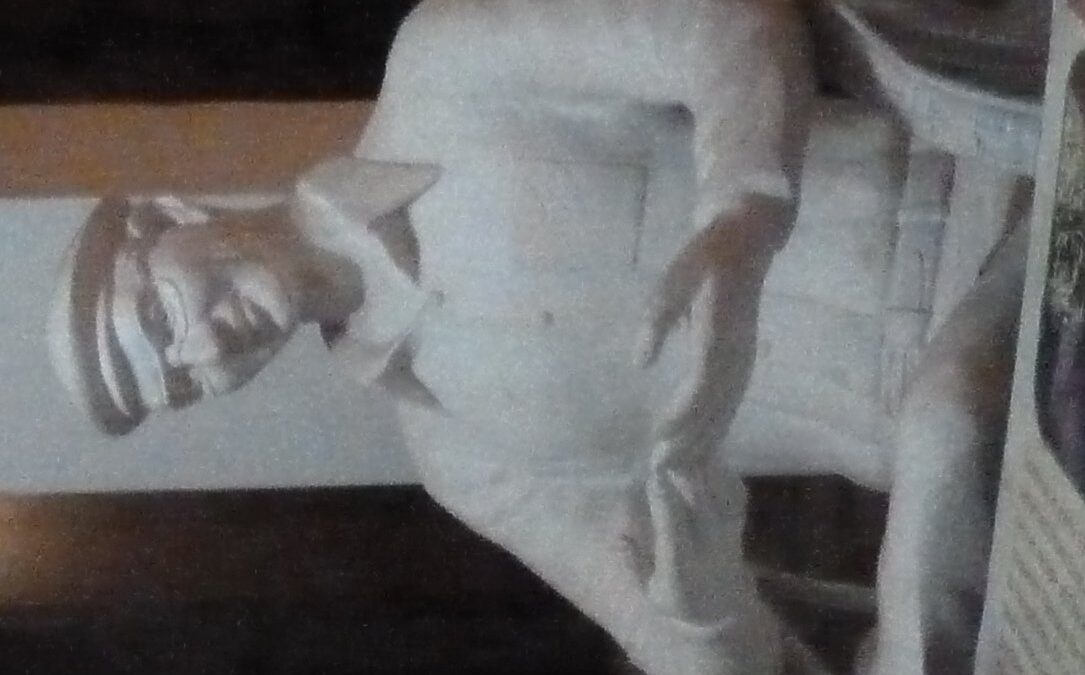
Executive Case Factsheet
- Perpetrator: Charles Gurmukh Sobhraj (“The Serpent”, “The Bikini Killer”) and accomplice Marie-Andrée Leclerc (“Monique”)
- Active Period: 1972 – 1976 (Arrested July 1976 in India; re-arrested 2003 in Nepal)
- Jurisdiction: Thailand (Bangkok, Pattaya), Nepal (Kathmandu), India (New Delhi, Varanasi), Malaysia, and Hong Kong
- Confirmed / Estimated Victims: Convicted of multiple murders (Teresa Knowlton, Vitali Hakim, Connie Jo Bronzich, Laurent Carrière, etc.); suspected in at least 20+ tourist homicides
- Modus Operandi: Befriending Western backpackers along the “Hippie Trail” as a suave gem dealer; surreptitiously administering debilitating doses of Mogadon, Largactil, and dysentery-inducing toxins; theft of passports, traveler’s cheques, and identity assumption; drowning and setting fire to incapacitated victims
- Key Forensic Breakthrough: Meticulous investigative dossier compiled by Dutch diplomat Herman Knippenberg; raid on Kanit House in Bangkok recovering 50+ altered passports, toxicological compounds, and victim journals; post-mortem toxicology and burn pattern analyses
- Judicial Outcome: Imprisoned in India (Tihar Jail) from 1976 to 1997; traveled to Nepal in 2003 where he was arrested, tried, and sentenced to life imprisonment; released on medical grounds in December 2022 and deported to France
The transnational criminal odyssey of Charles Gurmukh Sobhraj—infamously christened “The Serpent” for his hypnotic charm and repeated escapes from maximum-security prisons—represents one of the most calculating and complex international serial murder cases of the 20th century. Operating along the popular “Hippie Trail” of Southeast Asia during the 1970s, Sobhraj utilized pharmacological incapacitation, forged passports, and identity theft to prey upon Western travelers. His eventual undoing resulted from the relentless documentary pursuit of Dutch diplomat Herman Knippenberg and coordinated international policing.
The Hippie Trail & The Bangkok Gem Dealer Ruse
Born in Saigon, French Indochina, in 1944 to an Indian father and Vietnamese mother, Sobhraj possessed formidable multilingual fluency, legal acumen, and psychological manipulation skills. Establishing himself in an apartment at Kanit House on Bangkok’s Saladaeng Road under the alias “Alain Gautier,” Sobhraj presented himself as a prosperous French gem merchant.
Sobhraj and his Canadian companion Marie-Andrée Leclerc targeted young European and North American backpackers traveling between Bangkok, Hong Kong, Kathmandu, and Goa. Sobhraj offered assistance with travel logistics or accommodations, subsequently spiking his guests’ food and drinks with debilitating combinations of sedatives (Mogadon), neuroleptics (Largactil), and chemical emetics. Once victims were physically incapacitated, Sobhraj seized their cash, traveler’s cheques, and passports, skillfully replacing their identity photographs with his own to maintain transnational mobility.
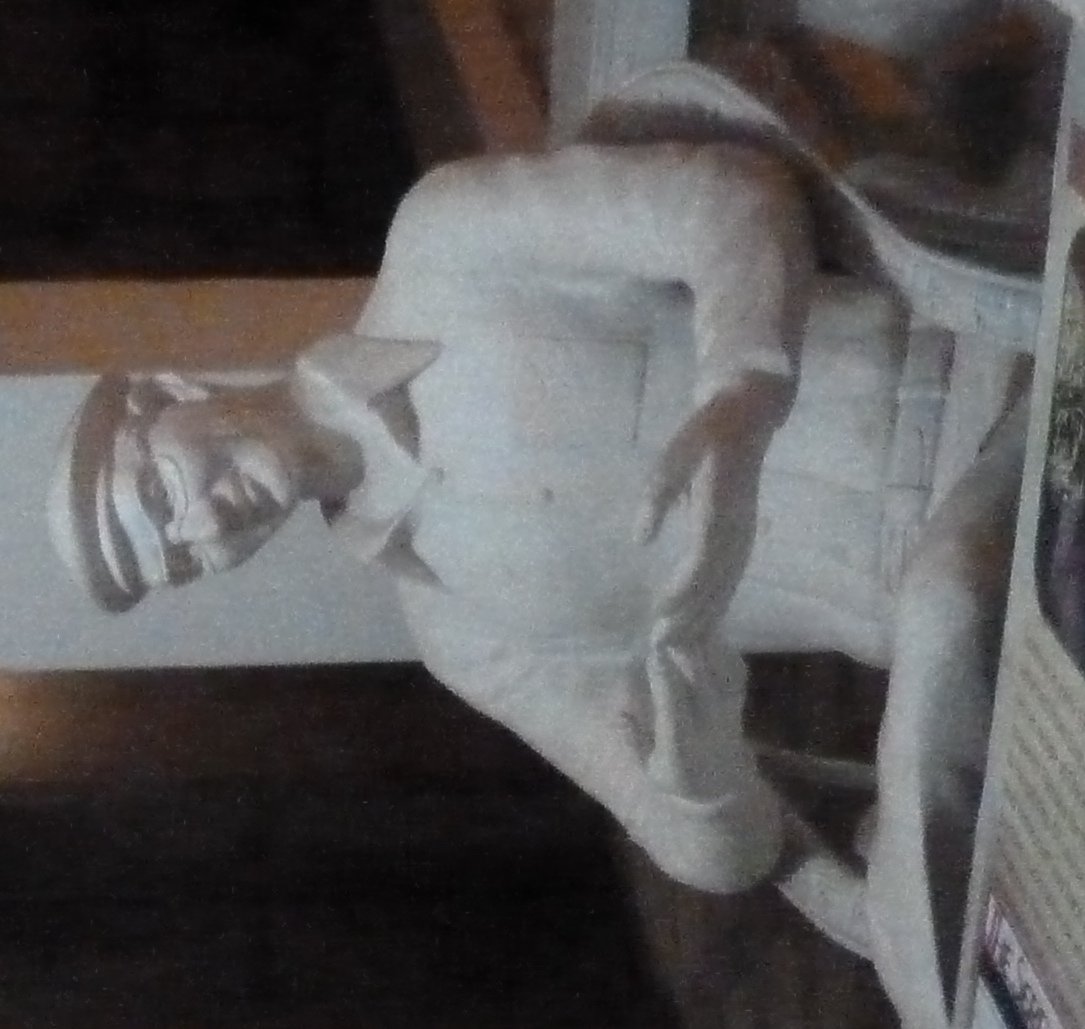
The Pattaya Drownings & Dutch Diplomat Herman Knippenberg
Between late 1975 and early 1976, bodies of foreign travelers began surfacing in Thailand. In October 1975, the body of American tourist Teresa Knowlton was found drowned in the Gulf of Thailand near Pattaya wearing a floral bikini (prompting the moniker “The Bikini Killer”). Soon after, the incinerated remains of Dutch tourists Henk Bintanja and Cornelia Hemker were discovered on a highway outside Bangkok.
When the Dutch embassy in Bangkok received missing-persons inquiries regarding Bintanja and Hemker, third secretary Herman Knippenberg initiated an independent investigation. Refusing to accept official complacency, Knippenberg visited the morgues, gathered autopsy reports proving the Dutch couple had been strangled and burned while still alive, and interviewed former guests at Kanit House. Knippenberg constructed an exhaustive evidentiary dossier documenting Sobhraj’s aliases, financial transactions, and victim movements.
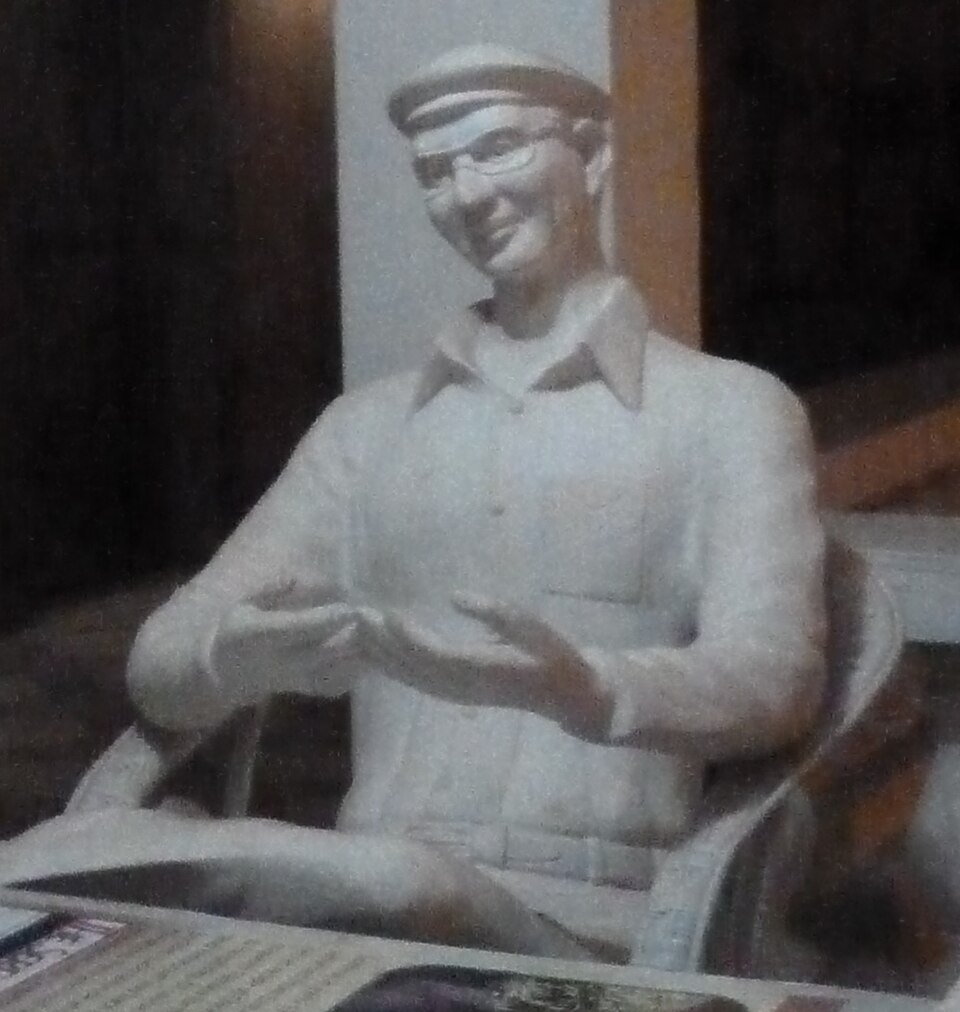
The Kanit House Raid & The 1976 New Delhi Arrest
In March 1976, alerted by Knippenberg, Royal Thai Police raided the Kanit House apartment. Forensic technicians uncovered a treasure trove of physical evidence: dozens of stolen passports bearing altered photographs, counterfeit diplomatic stamps, notebooks recording financial thefts, and chemical vials containing prescription sedatives and toxic powders.
Although Sobhraj escaped Thailand before formal charges were lodged, he traveled to India, continuing his predatory druggings in Varanasi and New Delhi. In July 1976, Sobhraj attempted to drug an entire tour group of sixty French engineering students at the Hotel Vikram in New Delhi. When students succumbed to severe vomiting and delirium simultaneously, alert staff overpowered Sobhraj and summoned the Delhi Police.
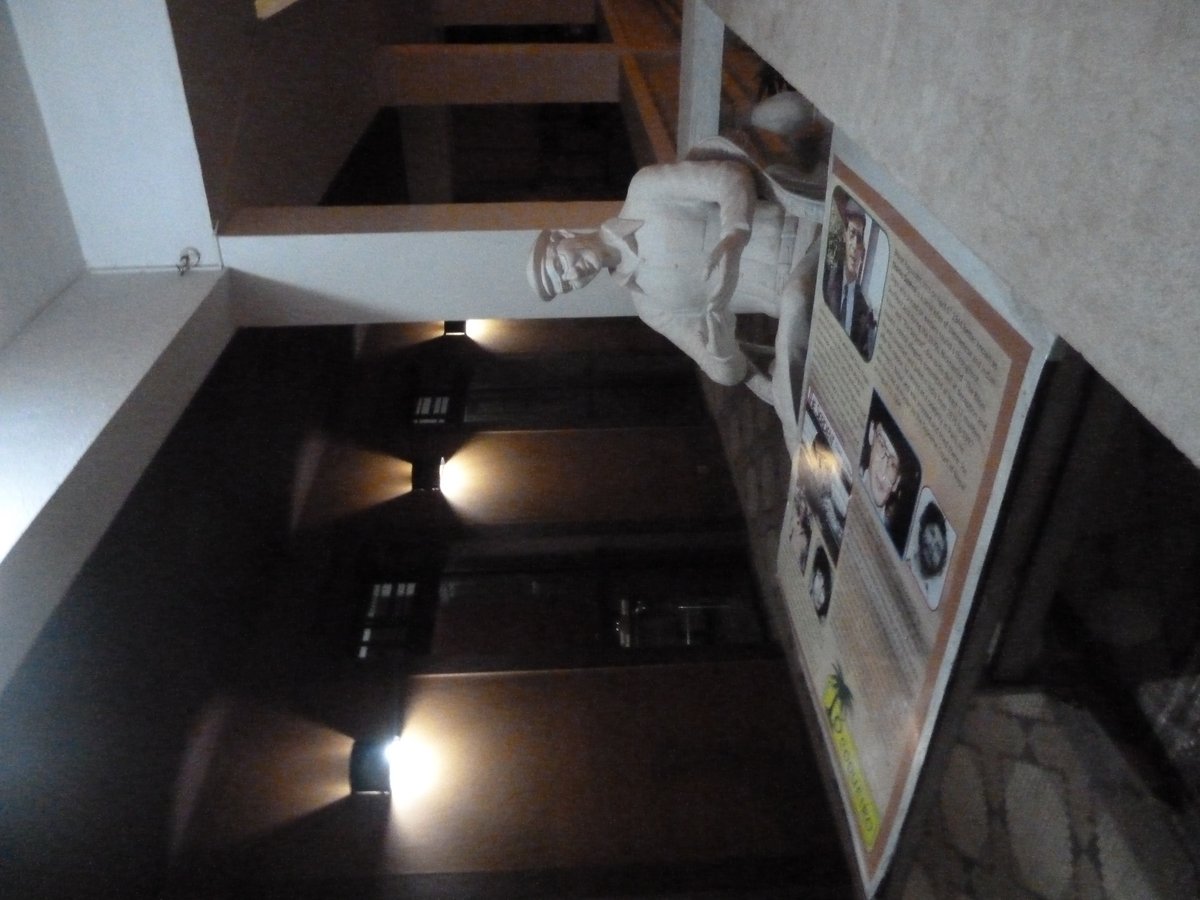
Tihar Jail Incarceration, The Nepal Arrest & Final Release
Sobhraj was tried in New Delhi and sentenced to twelve years in India’s maximum-security Tihar Jail for culpable homicide and poisoning. In 1986, anticipating his impending release and subsequent extradition to Thailand (where he faced the death penalty), Sobhraj staged an audacious prison break by drugging guards with poisoned sweets. He was deliberately recaptured in Goa, receiving additional prison time in India that successfully ran past Thailand’s 20-year statute of limitations.
Released from India in 1997, Sobhraj lived openly in Paris until September 2003, when he inexplicably traveled to Kathmandu, Nepal. Alert journalists spotted him in a casino, and Nepalese police arrested him for the 1975 murders of American backpacker Connie Jo Bronzich and Canadian tourist Laurent Carrière. Utilizing Knippenberg’s original 1976 documentary files, Nepalese prosecutors convicted Sobhraj, handing down a life sentence. In December 2022, following nearly twenty years of incarceration in Kathmandu and multiple open-heart surgeries, the Supreme Court of Nepal ordered Sobhraj’s release on medical and age grounds, deporting him back to France.
Transnational Document Forensics & Herman Knippenberg’s Master Dossier
The international investigation that dismantled Charles Sobhraj’s criminal enterprise stands as one of the greatest diplomatic detective triumphs in modern history. Dutch third secretary Herman Knippenberg in Bangkok compiled an exhaustive documentary archive that tracked Sobhraj across multiple sovereign jurisdictions.
Knippenberg and Thai police recovered over fifty altered passports from the Kanit House apartment. Forensic document examiners demonstrated how Sobhraj peeled laminate surfaces, substituted identity photographs, and forged international entry and exit visa stamps with precision. This documentary trail, combined with chemical assays of seized sedative powders (Mogadon and Largactil), provided the definitive evidentiary foundation that enabled Nepalese and Indian courts to secure multiple murder convictions decades later.
The Pharmacological Modus Operandi Along the Hippie Trail
Toxicological analyses of Sobhraj’s victims revealed a sophisticated methodology of gradual chemical incapacitation. Sobhraj introduced combinations of anti-psychotic phenothiazines (chlorpromazine/Largactil) and hypnotic benzodiazepines into travelers’ drinks, inducing severe ataxia, dysentery-like gastrointestinal spasms, and cognitive delirium.
By presenting himself as a compassionate caregiver during their induced illness, Sobhraj isolated his victims from travel companions before executing fatal drownings or staging road accidents, cementing his status as one of global true crime’s most calculating psychological predators.
Chronological Case Timeline
| Date / Period | Investigative & Historical Milestone |
|---|---|
| April 6, 1944 | Hatchand Bhaonani Gurmukh Charles Sobhraj is born in Saigon, French Indochina. |
| 1975 – 1976 | Sobhraj and Marie-Andrée Leclerc murder multiple backpackers across Thailand, Nepal, and India. |
| Early 1976 | Dutch diplomat Herman Knippenberg investigates Bangkok murders; builds master evidence dossier. |
| July 1976 | Sobhraj is overpowered by French tourists at Hotel Vikram in New Delhi; arrested by Delhi Police. |
| 1976 – 1997 | Incarcerated in India’s Tihar Prison; stages 1986 escape to run out Thai statute of limitations. |
| September 2003 | Arrested in Kathmandu, Nepal; convicted of 1975 Bronzich and Carrière murders (life imprisonment). |
| December 23, 2022 | Released from Nepalese custody on medical grounds and deported to France. |
Forensic Evidence Matrix & Criminological Assessment
The transnational pursuit and prosecution of Charles Sobhraj stands as a triumph of diplomatic detective work and chemical forensics. Key evidential components include:
- Herman Knippenberg’s Master Archive: Compilation of autopsy reports, altered passports, and financial trails from Kanit House in Bangkok that secured convictions decades later.
- Toxicological Incapacitation Assays: Proof of gradual poisoning using Mogadon, Largactil, and emetics to incapacitate Western travelers along the Hippie Trail.
- Supreme Court of Nepal Convictions: Historic 2004 life imprisonment sentence for the 1975 Bronzich-Carrière homicides, leading to his 2022 medical deportation to France.
The Serpent case is an internationally celebrated study in document forgery detection and cross-border serial murder prosecution.
Related Case Files & Investigative Dossiers
Explore related deep-dive investigations into transnational serial murders, toxicological incapacitations, and high-profile international manhunts:
- Pedro López: The Monster of the Andes, Ambato Mass Graves & Transnational Hunt
- Auto Shankar: The Chennai Auto-Rickshaw Murders, Cinema Abductions & Central Prison Trial
- Raman Raghav: ‘Psycho Raman’, Mumbai Pavement Murders & Forensic Psychiatry
- John George Haigh: The Acid Bath Murders, Forensic Odontology & Pathology
- Andrei Chikatilo: The Butcher of Rostov, Operation Forest & Forensic Psychiatry
Frequently Asked Questions
Who was Charles Sobhraj and why was he called ‘The Serpent’?
Charles Sobhraj was an international serial killer and fraudster who poisoned and murdered at least twenty Western travelers along Asia’s “Hippie Trail” in the 1970s, earning the nickname “The Serpent” for his deceptive charm and multiple prison escapes.
How did Dutch diplomat Herman Knippenberg help catch Sobhraj?
Knippenberg conducted an independent investigation into the deaths of Dutch tourists in Bangkok, compiling autopsy reports, witness interviews, and evidence of altered passports that alerted Thai and international police.
What was the outcome of Charles Sobhraj’s legal trials?
Sobhraj served 21 years in India’s Tihar Jail, was later convicted of murder in Nepal in 2004 and sentenced to life, before being released on medical grounds in December 2022 and deported to France.
{
“@context”: “https://schema.org”,
“@type”: “FAQPage”,
“mainEntity”: [
{
“@type”: “Question”,
“name”: “Who was Charles Sobhraj and why was he called ‘The Serpent’?”,
“acceptedAnswer”: {
“@type”: “Answer”,
“text”: “Charles Sobhraj was an international serial killer and fraudster who poisoned and murdered at least twenty Western travelers along Asia’s ‘Hippie Trail’ in the 1970s, earning the nickname ‘The Serpent’ for his deceptive charm and multiple prison escapes.”
}
},
{
“@type”: “Question”,
“name”: “How did Dutch diplomat Herman Knippenberg help catch Sobhraj?”,
“acceptedAnswer”: {
“@type”: “Answer”,
“text”: “Knippenberg conducted an independent investigation into the deaths of Dutch tourists in Bangkok, compiling autopsy reports, witness interviews, and evidence of altered passports that alerted Thai and international police.”
}
},
{
“@type”: “Question”,
“name”: “What was the outcome of Charles Sobhraj’s legal trials?”,
“acceptedAnswer”: {
“@type”: “Answer”,
“text”: “Sobhraj served 21 years in India’s Tihar Jail, was later convicted of murder in Nepal in 2004 and sentenced to life, before being released on medical grounds in December 2022 and deported to France.”
}
}
]
}