Executive Case Factsheet
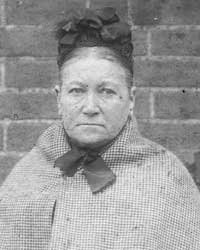
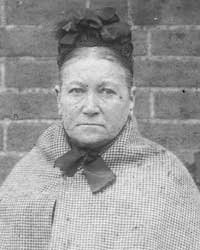
- Perpetrator: Amelia Elizabeth Dyer (known as “The Reading Baby Farmer”, “The Ogress of Reading”)
- Active Period: 1869 – 1896 (Arrested April 4, 1896)
- Jurisdiction: Bristol, Cheltenham, and Reading (Berkshire), United Kingdom
- Estimated Victims: Estimated 200 to 400+ infants over a thirty-year baby-farming career (convicted of the murder of Doris Marmon)
- Modus Operandi: Advertising in newspapers as a respectable married woman adopting illegitimate infants for a premium fee; drugging infants with Mother’s Friend (laudanum syrup); ligature strangulation with white dressmaker’s tape; packing bodies into carpet bags weighted with bricks and throwing them into the River Thames
- Key Forensic Breakthrough: River barge worker recovering a brown paper parcel from the Thames containing the body of Helena Fry; microscopic forensic tracing of a faded railway luggage label bearing the name “Mrs. Thomas” and a Reading address
- Judicial Outcome: Convicted of capital murder at the Central Criminal Court (Old Bailey) on May 22, 1896; executed by hanging at Newgate Prison by James Billington on June 10, 1896
The April 1896 arrest of Amelia Elizabeth Dyer in Reading, Berkshire, unraveled what is widely regarded by criminologists and historians as the most prolific serial infanticide enterprise in British history. Operating under the guise of Victorian “baby farming”—adopting illegitimate children from desperate mothers in exchange for cash premiums—Dyer strangled hundreds of infants over three decades. The forensic recovery of weighted parcels from the River Thames led directly to the passage of Britain’s Infant Life Protection Act of 1897 and revolutionized child welfare jurisprudence.
The Victorian Baby Farming Trade & Mother’s Friend Ruse
Born near Bristol in 1836, Amelia Dyer trained as a nurse and midwife before discovering the lucrative commercial trade of baby farming. In Victorian Britain, the 1834 Poor Law Amendment Act made unmarried mothers solely responsible for illegitimate children, creating immense social stigma and leaving single mothers desperate for adoption arrangements.
Dyer placed advertisements in regional newspapers, presenting herself as a pious Christian woman offering loving, permanent home environments for newborn infants in exchange for a one-time adoption fee of £10 to £80. While she initially allowed infants to perish slowly through starvation and overdoses of “Mother’s Friend” (an over-the-counter syrup laced with opium and alcohol), she soon bypassed medical expenses entirely, strangling infants immediately upon receiving the adoption cash using white dressmaker’s edging tape.
The Thames Barge Recovery & The Faded Luggage Label
The thirty-year criminal enterprise unraveled on March 30, 1896. A river bargeman named Charles Hailes was navigating the River Thames at Caversham Lock near Reading when he hooked a submerged brown paper parcel weighted with brick fragments. Opening the package, Hailes discovered the body of a six-month-old girl, Helena Fry, with white tape tightly knotted around her neck.
The package was delivered to Detective Constable George Tarrant of the Berkshire Constabulary. Examining the wrapping paper under magnification, Tarrant noticed a faint, water-stained railway luggage label. Forensic criminalists utilized chemical contrast enhancements to decipher the faded pencil script: “Mrs. Thomas, 26 Kensington Road, Reading.”
The Reading Sting Operation & River Thames Dredging
Detective Constable Tarrant and Chief Constable George Hay linked the name “Mrs. Thomas” to Amelia Dyer, who had previously served a six-month labor sentence in 1879 for infant neglect. Setting a police decoy sting, detectives had a young woman approach Dyer seeking adoption services. When Dyer agreed to meet at Kensington Road on April 4, 1896, police surrounded the home.
Searching Dyer’s house, detectives were overwhelmed by the stench of decomposition. Officers recovered hundreds of pawn tickets for children’s clothing, telegrams arranging adoptions, receipts for newspaper advertisements across England, and large spools of identical white dressmaker’s tape. Over the following month, Scotland Yard divers dredged the River Thames between Caversham Lock and Reading Bridge, recovering carpet bags and parcels containing at least six additional strangled infants.
The Old Bailey Trial & Newgate Execution
The trial convened on May 21, 1896, at the Central Criminal Court (Old Bailey) in London before Mr. Justice Hawkins. The Crown prosecuted Dyer specifically for the murder of four-month-old Doris Marmon, whose mother had paid Dyer £10 just days before the baby was strangled and thrown into the Thames.
Dyer’s defense entered an insanity plea, citing her previous admissions to mental asylums. However, the prosecution proved that Dyer’s asylum admissions coincided precisely with moments when police were investigating missing children, demonstrating deliberate evasion of justice. The jury deliberated for only four and a half minutes before returning a guilty verdict. On June 10, 1896, Amelia Dyer was executed by hanging at Newgate Prison by executioner James Billington. Her crimes catalyzed public outrage that resulted in the Infant Life Protection Act of 1897, establishing mandatory local registration for all private infant foster homes across Britain.
Forensic Document Enhancement of the River Thames Luggage Label
The forensic breakthrough that solved the Amelia Dyer baby-farming murders in Reading in 1896 was a triumph of early photographic and chemical trace enhancement. Berkshire Constabulary Detective George Tarrant recovered a waterlogged brown paper parcel from the River Thames at Caversham Lock containing the body of infant Helena Fry.
Examining the water-damaged paper under microscopic magnification and applying chemical contrast solutions, detectives revealed faded pencil handwriting on a railway transit label: ‘Mrs. Thomas, 26 Kensington Road, Reading.’ This crucial trace artifact allowed police to execute a targeted decoy operation, leading directly to Dyer’s arrest and the recovery of hundreds of adoption telegrams, pawn tickets, and spools of white dressmaker’s tape.
The Infant Life Protection Act of 1897 & Child Welfare Jurisprudence
The shocking revelations of the Old Bailey trial of Amelia Dyer exposed the dark realities of unregulated Victorian baby farming, where desperate unmarried mothers paid adoption premiums to unscrupulous baby farmers who systematically starved or strangled infants.
The massive public outcry surrounding Dyer’s execution at Newgate Prison in June 1896 resulted in the passage of the Infant Life Protection Act of 1897 by the British Parliament. The landmark legislation mandated local municipal registration and regular inspection of all private infant foster homes, establishing modern statutory child protection frameworks across the United Kingdom.
Chronological Case Timeline
| Date / Period | Investigative & Historical Milestone |
|---|---|
| 1836 | Amelia Elizabeth Hobley (Amelia Dyer) is born near Bristol, England. |
| 1869 – 1896 | Dyer operates lucrative baby-farming trade; strangles hundreds of infants. |
| March 30, 1896 | Bargeman discovers submerged parcel containing baby Helena Fry in the River Thames at Caversham. |
| Early April 1896 | Detective Tarrant deciphers faded luggage label; police sting captures Dyer on April 4. |
| April – May 1896 | Thames dredging operations recover multiple carpet bags with infant remains. |
| May 22, 1896 | Old Bailey jury finds Dyer guilty of capital murder after 4.5 minutes of deliberation. |
| June 10, 1896 | Executed by hanging at Newgate Prison at age 60. |
Forensic Evidence Matrix & Criminological Assessment
The Scotland Yard investigation into Amelia Dyer established crucial legal and forensic precedents in Victorian Britain. Key evidential and legislative components include:
- Chemical Trace Enhancement of Label: Enhancement of a water-damaged railway luggage label from a submerged Thames parcel, reading ‘Mrs. Thomas, Reading’, leading to Dyer’s home.
- Thames Dredging Operations: Berkshire Constabulary and Scotland Yard recovered carpet bags and weighted packages containing strangled infants from Caversham Lock.
- Infant Life Protection Act of 1897: Dyer’s Old Bailey conviction and hanging catalyzed mandatory statutory registration and inspection of all private infant adoptions in the UK.
The Reading Baby Farmer case remains the most impactful serial infanticide investigation in British medico-legal history.
Related Case Files & Investigative Dossiers
Explore related deep-dive investigations into historic British crime, Scotland Yard breakthroughs, and Victorian legal landmarks:
- Miyuki Ishikawa: The Demon Midwife, Kotobuki Maternity Hospital & Post-War Tokyo Infant Murders
- Jane Toppan: ‘Jolly Jane’, Boston Poisonings & Morphine-Atropine Forensic Toxicology
- Jack the Stripper: The Hammersmith Nude Murders, Thames Paint Flecks & Scotland Yard
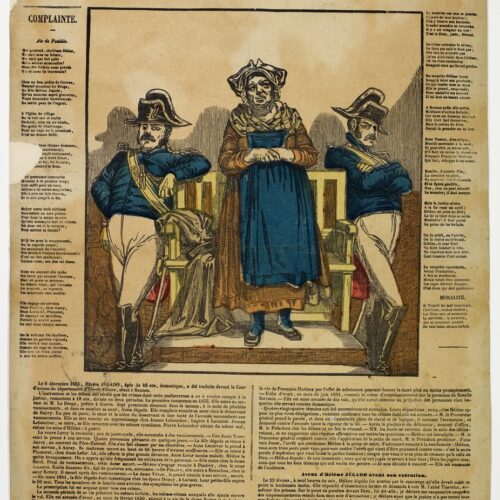
- Hélène Jégado: The French Arsenic Poisoner, Brittany Soups & 1851 Rennes Trial
- Peter Sutcliffe: The Yorkshire Ripper, Wearside Jack Hoax & Byford Report
Frequently Asked Questions
Who was Amelia Dyer and what was baby farming?
Amelia Dyer was a Victorian serial killer who operated as a “baby farmer,” taking in illegitimate infants for a fee with promises of adoption, only to strangle them and throw their bodies into the River Thames.
How did police discover Amelia Dyer’s crimes?
A bargeman found a brown paper package in the River Thames containing a strangled baby and a faded railway luggage label that detectives enhanced to read “Mrs. Thomas, Reading,” leading to her home.
What impact did Amelia Dyer’s case have on British law?
The shocking revelations led directly to the Infant Life Protection Act of 1897, which required mandatory registration and oversight of all private foster care and infant adoptions in the UK.
{
“@context”: “https://schema.org”,
“@type”: “FAQPage”,
“mainEntity”: [
{
“@type”: “Question”,
“name”: “Who was Amelia Dyer and what was baby farming?”,
“acceptedAnswer”: {
“@type”: “Answer”,
“text”: “Amelia Dyer was a Victorian serial killer who operated as a ‘baby farmer’, taking in illegitimate infants for a fee with promises of adoption, only to strangle them and throw their bodies into the River Thames.”
}
},
{
“@type”: “Question”,
“name”: “How did police discover Amelia Dyer’s crimes?”,
“acceptedAnswer”: {
“@type”: “Answer”,
“text”: “A bargeman found a brown paper package in the River Thames containing a strangled baby and a faded railway luggage label that detectives enhanced to read ‘Mrs. Thomas, Reading’, leading to her home.”
}
},
{
“@type”: “Question”,
“name”: “What impact did Amelia Dyer’s case have on British law?”,
“acceptedAnswer”: {
“@type”: “Answer”,
“text”: “The shocking revelations led directly to the Infant Life Protection Act of 1897, which required mandatory registration and oversight of all private foster care and infant adoptions in the UK.”
}
}
]
}