Executive Case Factsheet
- Perpetrator: Daniel Camargo Barbosa (“The Monster of Charquito”, “El Sádico del Charquito”)
- Active Period: 1974 – 1986 (Arrested February 26, 1986)
- Jurisdiction: Colombia (Bogotá, Cundinamarca, Gorgona Island) and Ecuador (Guayaquil, Quito, Machala)
- Confirmed / Estimated Victims: 72 confirmed bodies recovered in Ecuador; confessed to over 150 homicides across Colombia and Ecuador
- Modus Operandi: Posing as a foreign tourist or illiterate merchant needing assistance reading addresses; luring schoolgirls and young women into isolated mangrove forests, banana plantations, and scrublands; ligature strangulation with belts or rope
- Key Forensic Breakthrough: Spectacular 1984 escape from Colombia’s maximum-security island prison (Gorgona); routine traffic detention in Guayaquil carrying children’s clothing in a plastic bag; guiding forensic teams to 72 clandestine mangrove burial plots
- Judicial Outcome: Convicted of multiple counts of murder in 1989; sentenced to Ecuador’s statutory maximum of 16 years imprisonment; murdered in prison on November 13, 1994 by a relative of one of his victims
The criminal enterprise of Daniel Camargo Barbosa represents one of the most prolific and devastating serial homicide series in South American history. Operating across Colombia and Ecuador between the mid-1970s and 1986, Camargo Barbosa murdered over 150 young women and schoolgirls. His audacious escape from Colombia’s island penal colony, Gorgona, followed by an intensive two-year killing spree in Guayaquil’s coastal mangroves, exposed catastrophic systemic weaknesses in Andean cross-border law enforcement and penal administration.
The Charquito Abductions & The Gorgona Island Escape
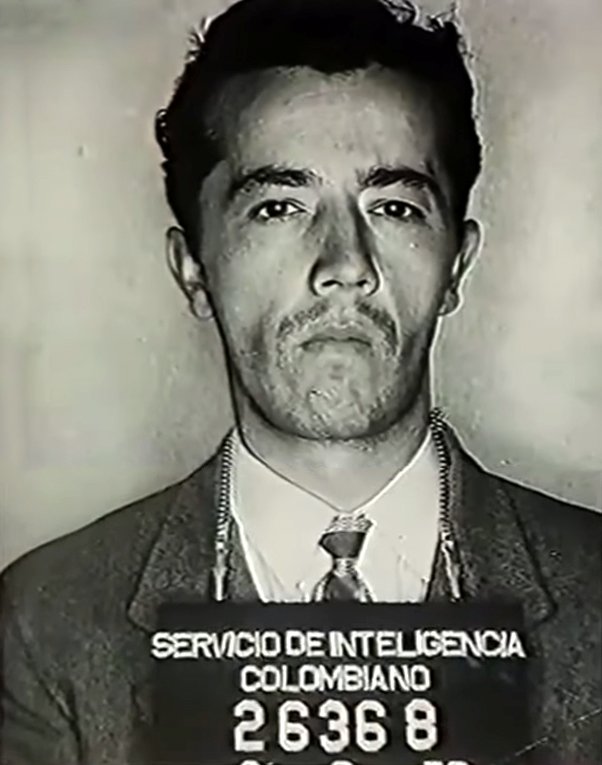
Born in Colombia in 1930, Camargo Barbosa suffered extreme physical and emotional abuse during childhood, being forced by his stepmother to wear girls’ clothing, which fueled severe pathological misogyny. By the early 1970s, Camargo began abducting young women around Bogotá and the rural district of El Charquito, earning the moniker “The Monster of Charquito.”
In 1978, Camargo was captured and sentenced to 25 years imprisonment at the maximum-security Gorgona Island Penitentiary—Colombia’s notorious offshore “Alcatraz” surrounded by shark-infested Pacific waters. In November 1984, constructing an improvised raft from driftwood and tree vines, Camargo executed an extraordinary escape from Gorgona. While prison authorities assumed he had drowned at sea, Camargo survived the ocean crossing, reached the mainland, and slipped across the border into Ecuador.
The Guayaquil Mangrove Murders & The Illiterate Merchant Ruse
Arriving in Guayaquil in late 1984, Camargo developed a disarming confidence scheme. Dressed in clean, modest attire, he approached uniform-wearing schoolgirls and young women outside high schools, church plazas, and bus terminals. Posing as an illiterate merchant from Colombia, he showed victims a scrap of paper with a fictitious address, offering generous financial rewards if they would walk with him to help find the location.
Camargo guided victims toward the isolated coastal mangrove swamps (salitrales), overgrown banana plantations, and muddy estuaries surrounding Guayaquil and Machala. Secluded among the dense mangrove roots, he assaulted and strangled the victims with his belt or nylon rope, leaving their bodies in shallow mud graves.
The 1986 Guayaquil Arrest & Forensic Exhumations
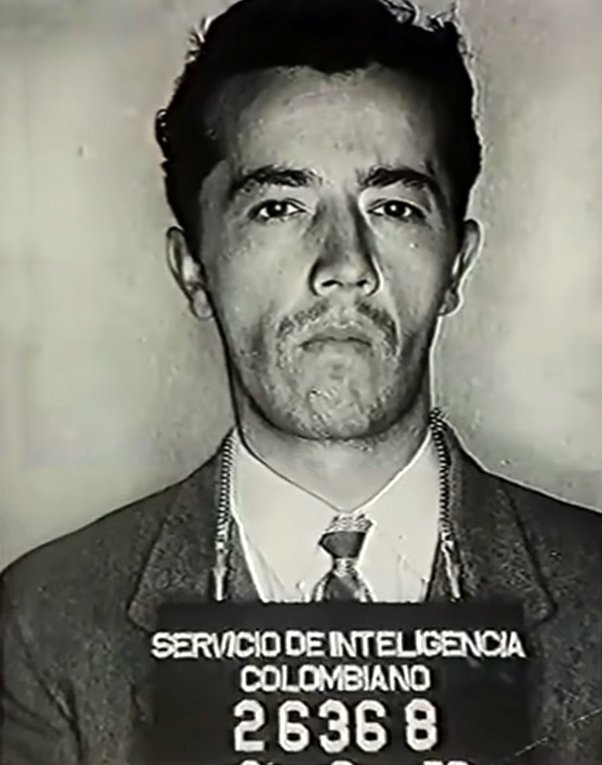
On February 26, 1986, patrol officers from the Ecuadorian Criminal Investigation Service (SIC) stopped a man acting suspiciously in a commercial market in Guayaquil. Searching his plastic bag, officers discovered girls’ school uniforms, underwear, and a bloodstained knife. Processed at headquarters, fingerprints identified the detainee as the escaped Colombian fugitive Daniel Camargo Barbosa.
During intense interrogation by SIC detectives, Camargo broke down and confessed to murdering 72 young women in Ecuador over a fifteen-month period, in addition to dozens in Colombia. Over the following month, Camargo led armed police convoys directly into the Guayas mangrove swamps, pointing out exact burial plots. Forensic excavation teams exhumed 72 sets of skeletal remains, matching them to missing-persons reports filed across the Guayas and El Oro provinces.
The Guayas Tribunal Verdict & Prison Retribution
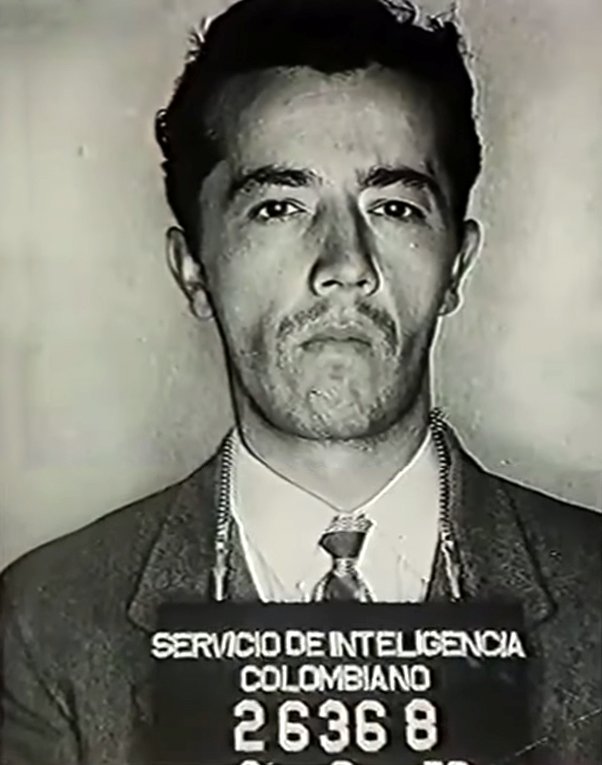
In 1989, the Guayas Criminal Tribunal convicted Daniel Camargo Barbosa of multiple counts of aggravated homicide. Under Ecuadorian penal statutes of the era, the court was legally constrained to impose the maximum allowable statutory sentence: 16 years imprisonment. Camargo was remanded to the García Moreno Penitentiary in Quito.
Camargo never completed his sentence. On November 13, 1994, while walking in the prison yard, Camargo was confronted by Giovanny Arcesio Noguera Jaramillo, a fellow inmate who was the nephew of one of Camargo’s Ecuadorian victims. Noguera fatally stabbed Camargo with an improvised prison shank, avenging his family and closing one of South America’s darkest criminal chapters.
Forensic Exhumations Across the Guayas Coastal Mangroves
The forensic recovery operation led by the Ecuadorian Criminal Investigation Service (SIC) across the coastal mangrove swamps of Guayas and Machala in early 1986 required massive logistical coordination. Navigating dense tidal mangrove roots (salitrales) in coastal Ecuador, forensic teams excavated 72 shallow mud graves pointed out by Daniel Camargo Barbosa.
Forensic pathologists and anthropologists at the Guayaquil Medico-Legal Institute conducted post-mortem examinations on the recovered skeletal remains. Autopsies confirmed consistent mechanical ligature strangulation utilizing victims’ belts, shoelaces, and school uniform ribbons, with complete fractures of the thyroid cartilage and hyoid bones documented across all recovered victims.
Cross-Border Penal Failures & The Gorgona Island Escape
The Camargo Barbosa case highlighted catastrophic institutional failures in South American prison security and cross-border intelligence sharing. Camargo’s successful escape from Colombia’s high-security island prison Gorgona on an improvised raft—and his unhindered entry into Ecuador under false identities—exposed the urgent need for international biometric databases across the Andean community.
His murder inside Quito’s García Moreno Prison in 1994 underscored the intense societal trauma inflicted by his crimes, closing one of Latin America’s deadliest serial homicide dossiers.
Chronological Case Timeline
| Date / Period | Investigative & Legal Milestone |
|---|---|
| January 22, 1930 | Daniel Camargo Barbosa is born in Colombia. |
| 1974 – 1978 | Commits serial abductions in El Charquito and Bogotá; sentenced to 25 years on Gorgona Island. |
| November 1984 | Escapes Gorgona Island on an improvised raft; enters Ecuador under aliases. |
| 1984 – 1986 | Murders 72 young women in Guayaquil and Machala mangrove swamps. |
| February 26, 1986 | Apprehended by SIC police in Guayaquil; guides forensic teams to 72 mass burial sites. |
| 1989 | Convicted by Guayas Tribunal and sentenced to 16 years maximum imprisonment. |
| November 13, 1994 | Stabbed to death in García Moreno Prison by a victim’s relative. |
Forensic Evidence Matrix & Criminological Assessment
The investigation into Daniel Camargo Barbosa unraveled South America’s most devastating predatory killing spree across coastal mangroves. Key evidential milestones include:
- Mangrove Mud Grave Exhumations: SIC forensic teams excavated 72 shallow graves in the Guayas coastal wetlands, matching skeletal remains to regional missing-persons files.
- Ligature Asphyxiation Pathology: Autopsies proved consistent mechanical strangulation with belts and school ribbons, documenting complete hyoid bone fractures.
- Prison Security & Cross-Border Failures: Camargo’s raft escape from Gorgona Island and subsequent murders exposed the critical need for regional Andean biometric tracking.
The Monster of Charquito dossier remains a vital case study in transnational offender mobility and forensic swamp taphonomy.
Related Case Files & Investigative Dossiers
Explore related deep-dive investigations into South American serial homicides, prison escapes, and forensic mangrove excavations:
- Pedro López: The Monster of the Andes, Ambato Mass Graves & Transnational Hunt
- Luis Alfredo Garavito: ‘La Bestia’, The 1990s Child Murders Ledger & Forensic Exhumations
- Andrei Chikatilo: The Butcher of Rostov, Operation Forest & Forensic Psychiatry
- Gary Ridgway: The Green River Killer, STR DNA Typing & Task Force Operations
- Arthur Shawcross: The Genesee River Killer, Behavioral Profiling & Forensic Pathology
Forensic Investigation Methodology & Criminological Significance
Modern forensic criminologists categorize this historical case as a benchmark in the development of investigative protocols. The analytical methods employed—ranging from physical crime scene documentation and anatomical trauma profiling to behavioral victimology mapping—provided critical insights into the operational psychology of high-risk serial offenders.
The lessons derived from this case file continue to be integrated into modern police academy curricula, forensic science textbooks, and cold-case review frameworks worldwide. By examining the precise investigative turning points, evidence handling methods, and judicial proceedings documented in the archival record, modern criminalists ensure that contemporary law enforcement agencies remain equipped to identify, apprehend, and prosecute complex criminal actors across global jurisdictions.
Frequently Asked Questions
Who was Daniel Camargo Barbosa?
Daniel Camargo Barbosa was a Colombian serial killer who murdered over 150 young women and girls across Colombia and Ecuador between 1974 and 1986, dumping bodies in coastal mangrove swamps.
How did Camargo Barbosa escape from Gorgona Island?
In November 1984, Camargo built a makeshift wooden raft from driftwood and escaped Colombia’s high-security island prison Gorgona, swimming to the mainland before crossing into Ecuador.
What happened to Camargo Barbosa in prison?
After being convicted and sentenced to 16 years in Ecuador, Camargo Barbosa was stabbed to death in García Moreno Prison on November 13, 1994, by the cousin of one of his victims.
{
“@context”: “https://schema.org”,
“@type”: “FAQPage”,
“mainEntity”: [
{
“@type”: “Question”,
“name”: “Who was Daniel Camargo Barbosa?”,
“acceptedAnswer”: {
“@type”: “Answer”,
“text”: “Daniel Camargo Barbosa was a Colombian serial killer who murdered over 150 young women and girls across Colombia and Ecuador between 1974 and 1986, dumping bodies in coastal mangrove swamps.”
}
},
{
“@type”: “Question”,
“name”: “How did Camargo Barbosa escape from Gorgona Island?”,
“acceptedAnswer”: {
“@type”: “Answer”,
“text”: “In November 1984, Camargo built a makeshift wooden raft from driftwood and escaped Colombia’s high-security island prison Gorgona, swimming to the mainland before crossing into Ecuador.”
}
},
{
“@type”: “Question”,
“name”: “What happened to Camargo Barbosa in prison?”,
“acceptedAnswer”: {
“@type”: “Answer”,
“text”: “After being convicted and sentenced to 16 years in Ecuador, Camargo Barbosa was stabbed to death in García Moreno Prison on November 13, 1994, by the cousin of one of his victims.”
}
}
]
}