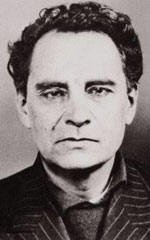
During the 1893 World’s Columbian Exposition in Chicago, millions of visitors flocked to the White City to celebrate technological progress. Blocks away at 63rd and Wallace Streets in the neighborhood of Englewood, a three-story architectural monstrosity known as the ‘Murder Castle’ concealed a lethal labyrinth of soundproof asphyxiation vaults, trapdoors, greased chutes, quicklime pits, and subterranean dissection vats. The mastermind was Dr. H.H. Holmes (born Herman Webster Mudgett), a charming physician, pharmacist, and serial con artist who lured young female employees, guests, and lovers to their deaths for life insurance proceeds and articulated skeletal specimens. The subsequent international investigation by Philadelphia Detective Frank Geyer remains a foundational triumph of forensic cross-border detective work.
Executive Case Factsheet
- Victim(s): Confirmed 9 (including Benjamin Pitezel, Howard, Alice, and Nellie Pitezel, Pearl Conner, Emily Cigrand); confessed to 27
- Date of Incident: 1888 – November 17, 1894 (Arrest); May 7, 1896 (Execution)
- Primary Crime Scene / Location: 63rd and Wallace Streets, Englewood, Chicago, Illinois; Toronto, Ontario; Irvington, Indiana
- Lead Investigating Jurisdictions: Chicago Police Department, Pinkerton National Detective Agency, Philadelphia Police Department
- Key Forensic Evidence: Soundproof asphyxiation vaults, acid vats, bone-crushing lime pits, crematorium ovens, exhumed skeletal remains of Pitezel children
- Suspect(s) / Perpetrator(s): Herman Webster Mudgett (alias Dr. Henry Howard Holmes)
- Legal Outcome & Status: Convicted of first-degree murder of Benjamin Pitezel; sentenced to death; executed by hanging at Moyamensing Prison on May 7, 1896
The Englewood Castle Architecture: A Labyrinth of Death
In 1887, Holmes purchased a vacant lot on the corner of 63rd and Wallace Streets, constructing a vast, block-long three-story building. To keep the structure’s sinister interior hidden, Holmes repeatedly hired and fired construction crews, ensuring no single contractor understood the layout.
The ground floor housed retail shops and a pharmacy, while the top two floors contained over 60 windowless rooms connected by blind passageways, stairways leading nowhere, false doors, and soundproof asphyxiation chambers equipped with gas pipe valves controlled exclusively from Holmes’ bedroom.
Victims asphyxiated inside the sealed chambers were dropped down greased chutes leading directly to the cellar. In the basement, Holmes installed a dissection table, surgical bone-cleaning vats, a high-temperature crematorium furnace, and large pits filled with quicklime and sulfuric acid to dissolve soft tissue. Holmes frequently sold cleaned, articulated human skeletons to medical schools and anatomical supply houses for hundreds of dollars.
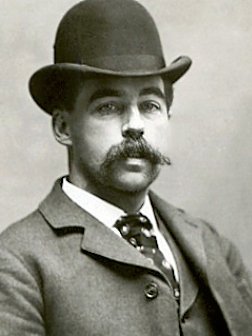
The Pitezel Insurance Plot and the Multi-City Cross-Border Trail
In 1894, Holmes conspired with his long-time associate Benjamin Pitezel to stage Pitezel’s fake death in Philadelphia to collect a $10,000 Fidelity Mutual life insurance policy. Instead of using a cadaver, Holmes murdered Pitezel inside a rented house on Callowhill Street on September 2, 1894, chloroforming him and staging an explosion.
After collecting the insurance payout with Pitezel’s grieving widow, Carrie Pitezel, Holmes separated Carrie from three of her children—Alice (14), Nellie (11), and Howard (8)—taking the children on an elaborate cross-country journey across Cincinnati, Indianapolis, Detroit, and Toronto while convincing Carrie they were safe elsewhere.
Suspecting fraud, the Pinkerton National Detective Agency and Philadelphia Police Detective Frank Geyer pursued Holmes. Holmes was arrested on an outstanding horse-theft warrant in Boston on November 17, 1894.
Detective Frank Geyer’s Historic Forensic Manhunt: Toronto and Irvington
In the summer of 1895, Detective Frank Geyer initiated a legendary forensic audit across the Midwestern United States and Canada, tracing Holmes’ rental house transactions by auditing real estate ledgers and questioning neighbors.
In Toronto, Ontario, Geyer located a rented house at 16 St. Vincent Street. Digging into the cellar floor, Geyer unearthed a large wooden trunk. Inside, examiners discovered the buried, decomposing bodies of Alice and Nellie Pitezel. Post-mortem exams revealed the girls had been forced into the trunk, which was sealed and pumped with gas through a small hose.
Geyer then traveled to Irvington, Indiana, locating a rental cottage where Holmes had stayed with Howard Pitezel. Inside the kitchen chimney flue, Geyer recovered charred human teeth, bone fragments from an eight-year-old child’s pelvis, and Howard’s customized toy tin bank, providing irrefutable physical proof of the child’s murder.
The 1895 Chicago Castle Forensic Excavation
Following Geyer’s discoveries, the Chicago Police Department cordoned off the Englewood Castle. Under Chief Inspector James McWeeny, police and medical pathologists conducted an exhaustive forensic excavation of the cellar and furnace flues.
Excavators sifted tons of ash and lime, recovering hundreds of human bone fragments, female hair clumps, bloodstained dissection tools, and gold jewelry belonging to missing women, including Pearl Conner and stenographer Emily Cigrand.
Dr. Ludvig Hektoen, a prominent Chicago pathologist, examined the skeletal elements recovered from the castle’s acid pits, confirming the remains belonged to multiple adult females and children who had been subjected to chemical defleshing and perimortem dismemberment.
The Philadelphia Trial, Moyamensing Hanging, and Concrete Vault Legacy
In October 1895, H.H. Holmes stood trial at the Philadelphia Court of Oyer and Terminer for the murder of Benjamin Pitezel before Judge Michael Arnold. District Attorney George Graham presented overwhelming physical evidence, including Geyer’s meticulous timeline and handwriting analyses.
Holmes dismissed his defense counsel, attempting to cross-examine witnesses himself, but the evidence was insurmountable. On November 2, 1895, the jury found Holmes guilty of first-degree murder, and he was sentenced to hang.
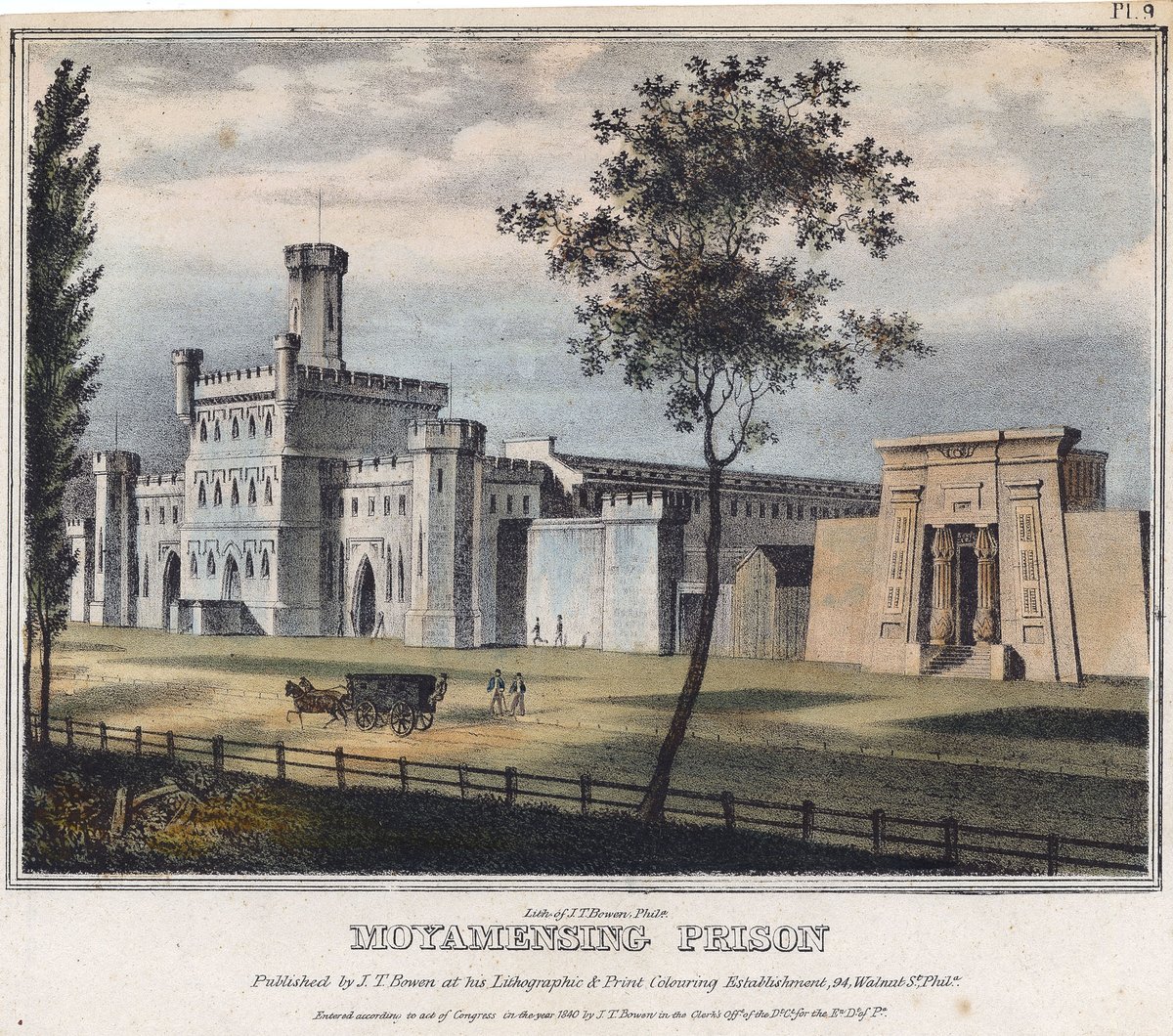
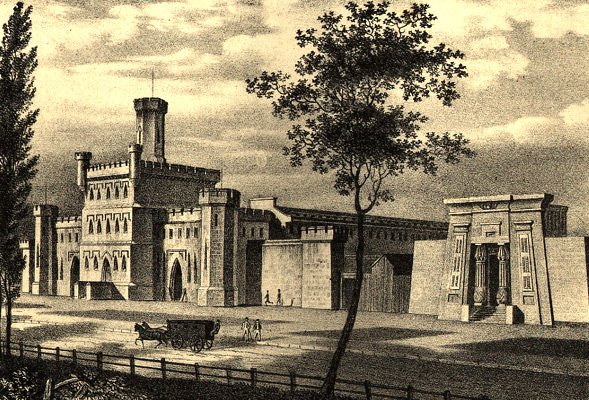
On May 7, 1896, Dr. H.H. Holmes was executed by hanging at Moyamensing Prison in Philadelphia. Fearing grave robbers and medical dissection, Holmes requested to be buried ten feet deep in an unmarked grave encased in solid cement inside Holy Cross Cemetery in Yeadon, Pennsylvania. In 2017, a team of forensic anthropologists from the University of Pennsylvania exhumed the cement vault, using dental chart matching and STR DNA to confirm the skeleton was indeed Herman Mudgett, conclusively debunking century-old conspiracy theories that Holmes had escaped execution.
Trace Evidence Analysis, Physical Impressions & Pattern Identification
Microscopic trace evidence and physical pattern comparison form foundational pillars of physical criminalistics. Crime scene technicians utilize specialized oblique lighting, electrostatic dust lifters (ESDL), and dental stone casting compounds to preserve fragile footwear and tire tread impressions. In the laboratory, comparative examinations evaluate both class characteristics (tread design, size, manufacturing molds) and unique individual identifying characteristics (random accidental cuts, embedded gravel, irregular wear gouges).
Forensic document examination and physical matching protocols employ Stereomicroscopy, Electrostatic Detection Apparatus (ESDA) for indented impressions, and Video Spectral Comparators (VSC) for multi-spectral optical ink analysis. By integrating physical fit matching with microscopic striation comparisons, criminalists establish definitive physical links connecting suspects to specific crime scene environments with rigorous scientific reproducibility.
Modern Jurisprudential Precedents & Evidentiary Standards
The landmark investigative and courtroom developments associated with H.H. Holmes fundamentally redefined procedural evidentiary standards under the Federal Rules of Evidence (Rule 702) and international common law equivalents. Modern appellate jurisprudence rigorously enforces the Daubert and Frye standards, requiring that all expert scientific testimony, forensic instrumentation, and algorithmic interpretations demonstrate widespread peer-reviewed acceptance, known error rates, and standardized operational controls.
Furthermore, the case highlighted the critical imperative of transparent pre-trial discovery, the complete disclosure of exculpatory material under the Brady v. Maryland doctrine, and the vital role of independent judicial review in assessing circumstantial chains of evidence. Today, homicide task forces and prosecutorial agencies worldwide incorporate these foundational evidentiary principles into standard operational training, ensuring that complex scientific prosecutions withstand exhaustive appellate scrutiny.
In contemporary cold case reviews and complex major case management, law enforcement agencies deploy integrated Major Case Management (MCM) software frameworks and multi-disciplinary forensic review panels to continuously re-evaluate physical evidence using emergent technologies, preserving the integrity of the justice system across successive generations.
Chronological Case Timeline
| Date / Milestone | Investigative Development | Forensic / Evidentiary Significance |
|---|---|---|
| 1888 – 1893 | Holmes constructs the Englewood ‘Murder Castle’ in Chicago | Secret installation of gas chambers, chutes, and acid dissection pits |
| Sept 2, 1894 | Benjamin Pitezel murdered in Philadelphia for $10,000 life insurance policy | Beginning of the multi-city Pitezel children homicide sequence |
| Nov 17, 1894 | Pinkertons and police arrest Holmes in Boston on horse theft warrant | Custody secured; Detective Frank Geyer launches missing children investigation |
| July 15, 1895 | Detective Geyer discovers Alice and Nellie Pitezel buried in Toronto cellar | First physical proof of child homicides recovered in Canada |
| July-Aug 1895 | Chicago Police excavate Murder Castle cellar, discovering acid vats and human bones | Unveiling of the full scale of the Chicago World’s Fair murder hotel |
| Nov 2, 1895 | Philadelphia jury convicts Holmes of first-degree murder | Death sentence imposed at Court of Oyer and Terminer |
| May 7, 1896 | H.H. Holmes executed by hanging at Moyamensing Prison | Buried in concrete vault at Holy Cross Cemetery in Yeadon, PA |
Frequently Asked Questions: Forensic & Legal Review
What features made H.H. Holmes’ building a ‘Murder Castle’?
The building contained over 60 windowless rooms, secret passages, trapdoors, greased chutes leading to the basement, soundproof gas-piped asphyxiation vaults, and a cellar equipped with acid vats, quicklime pits, a crematorium furnace, and dissection tables used to strip flesh from victim skeletons.
How did Detective Frank Geyer track down the Pitezel children?
Detective Geyer audited hotel registries, rental receipts, and livery stable logs across multiple cities, eventually locating the Toronto rental house where Alice and Nellie were buried in a trunk and the Irvington, Indiana home where Howard’s bone fragments were recovered in the chimney.
Was H.H. Holmes’ body ever exhumed to verify his death?
Yes. In 2017, anthropologists from the University of Pennsylvania exhumed Holmes’ cement-encased grave at Holy Cross Cemetery. Forensic dental comparisons and DNA analysis confirmed beyond all doubt that the remains were Herman Webster Mudgett, disproving myths of an escape.