Executive Case Factsheet
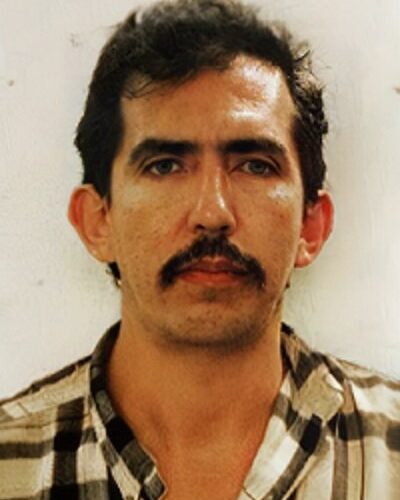
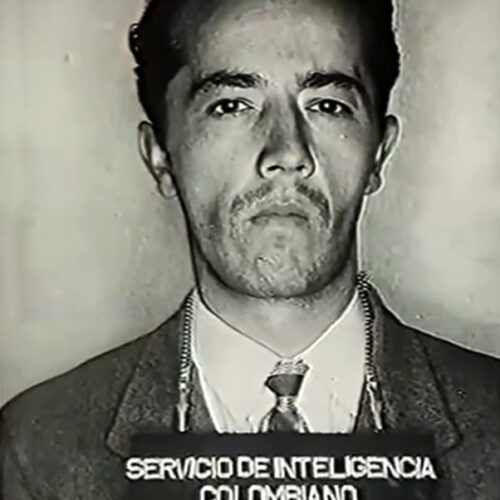
- Perpetrator: Pedro Alonso López (“The Monster of the Andes”)
- Active Period: 1969 – 1980 (Arrested March 1980)
- Jurisdiction: Colombia, Peru, and Ecuador (Pichincha, Tungurahua, and Guayas provinces)
- Confirmed / Estimated Victims: 110 confirmed bodies recovered; confessed to over 300 murders across three nations
- Modus Operandi: Luring young indigenous girls from bustling open-air marketplaces with trinkets and small coins; abduction to isolated ravines; manual and ligature strangulation
- Key Forensic Breakthrough: Flash flood exposure of shallow graves in Ambato; comprehensive physical confession guiding forensic recovery teams to 53 burial sites
- Judicial Outcome: Convicted in Ambato, Ecuador in 1980; sentenced to maximum 16 years; released on bail/deported to Colombia in 1998; declared legally insane then disappeared
The harrowing case of Pedro Alonso López, widely known across South America as “The Monster of the Andes,” represents one of the deadliest and most expansive serial homicide trajectories in recorded criminological history. Operating across the porous borders and impoverished rural corridors of Colombia, Peru, and Ecuador during the 1970s, López exploited socioeconomic marginalization, predatory mobility, and the lack of transnational law enforcement databases to claim hundreds of young victims before a sudden environmental catastrophe in Ecuador unraveled his lethal network.
The Predatory Trajectory Across the Northern Andean Corridor
Born in Santa Isabel, Tolima, Colombia in 1948 amidst the violent sociopolitical upheaval of La Violencia, Pedro López endured severe childhood trauma, abandonment, and systemic abuse in juvenile penal institutions. By the late 1960s, he had embarked on a predatory vagrancy that took him through the Andean mountain ranges. His hunting methodology was meticulously adapted to the cultural rhythms of rural and indigenous communities.
López targeted bustling indigenous market squares in cities such as Huancayo, Ayacucho, and Lima in Peru, before moving into Quito, Ambato, and Guayaquil in Ecuador. He preyed almost exclusively on young girls between the ages of 8 and 12, who were frequently sent on solitary errands or assisted family stalls. Approaching with an unassuming demeanor, López offered inexpensive jewelry, candy, or small coins to coax children away from crowded plazas toward isolated agricultural fields, dense riverbanks, or arid mountain ravines.
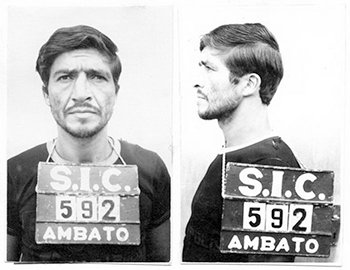
Forensic Exhumations: The Ambato Flash Flood & Grave Site Reconstruction
For over a decade, disappearances of young indigenous girls across three sovereign nations were largely treated by regional police departments as domestic runaways or non-suspicious missing persons. The investigative turning point occurred in early 1980 in the Tungurahua Province of Ecuador. Unusually heavy rainfall caused the Ambato River to overflow its banks, triggering extensive soil erosion and mudslides along adjacent agricultural terraces.
As the floodwaters receded, local farmers discovered skeletal remains and partially decomposed corpses eroding out of shallow graves in the mudflats. Ecuadorian criminal investigation units (Policía Judicial) were dispatched to cordone off the sector. Forensic pathologists and medical examiners conducted emergency skeletal recoveries, confirming that multiple victims had been buried within close proximity over an extended timeframe. Every recovered body exhibited traumatic cervical fractures and ligature markings consistent with asphyxiation.
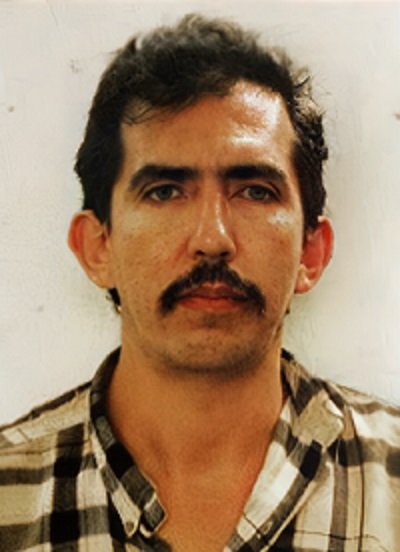
The 1980 Ambato Arrest, Interrogation & Guided Recoveries
In March 1980, while attempting to abduct a young girl from an open-air market in Ambato, López was spotted by market vendors who recognized his suspicious movements. An angry crowd surrounded him, attempting summary street justice before local police intervened and took him into protective custody. Initially booked under suspicion of attempted kidnapping, detectives soon noticed disturbing inconsistencies in his identity documentation and travel records.
During intense interrogations conducted by Ecuadorian homicide investigators, López initially remained defiant. However, when presented with the forensic pathological findings from the Ambato riverbed excavations, his demeanor shifted dramatically. Over the course of several days, López delivered a chilling, methodical confession detailing the abduction, assault, and murder of approximately 110 girls in Ecuador, 100 in Colombia, and over 100 in Peru. To substantiate his claims, he led police escorts directly into the rural outskirts of Ambato, pointing out exact burial plots that yielded an additional 53 intact human remains.
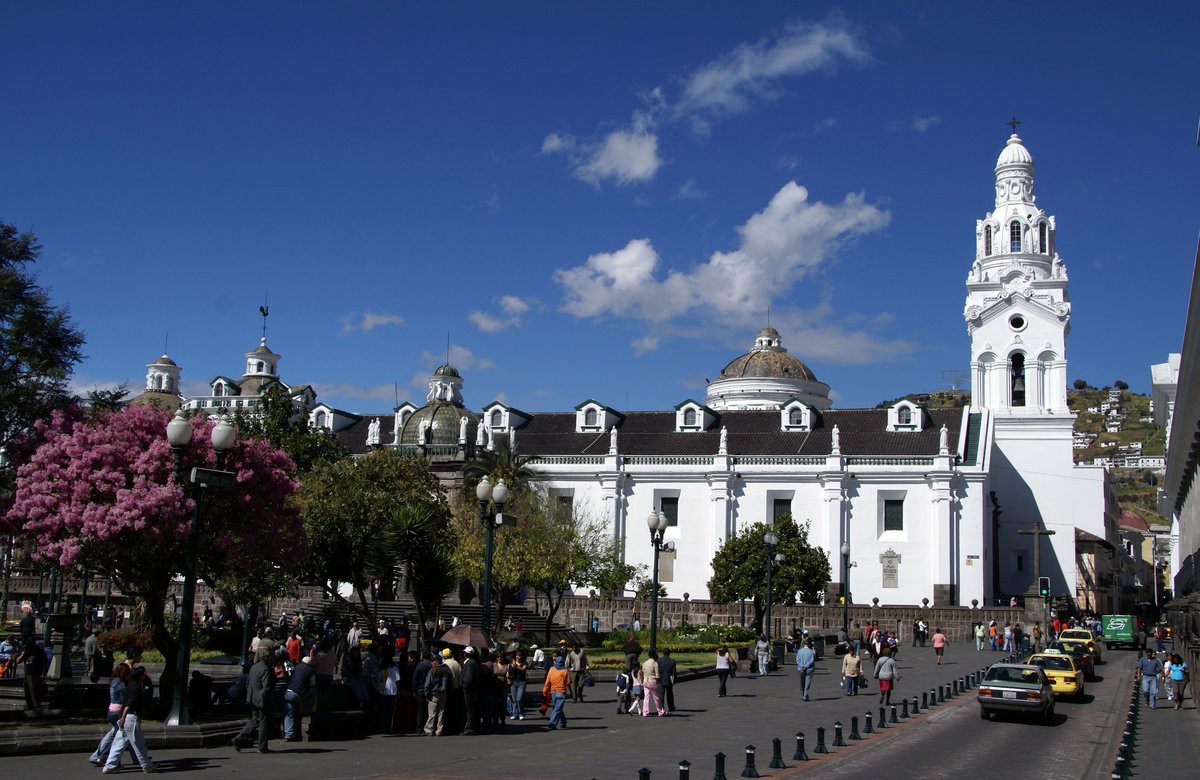
Judicial Sentence, Penal Limitations & Transnational Disappearance
In 1980, Pedro López was brought to trial before the criminal courts of Tungurahua Province. Under the Ecuadorian penal code of the era, the maximum custodial sentence permissible under statutory law was 16 years imprisonment, regardless of the number of homicides committed. He was convicted of multiple counts of murder and remanded to the García Moreno Penitentiary in Quito.
Throughout his incarceration, psychiatric evaluations described López as a psychopathic predator possessing high cognitive functioning and zero empathetic capacity. In 1994, having served 14 years with standard reductions for good behavior, he became eligible for conditional release, which was finally executed in 1998 upon payment of a nominal administrative bail. Ecuadorian authorities immediately deported López to Colombia, where he was briefly detained at a psychiatric facility in Bogotá before being declared sane and released in the early 2000s. Since his release, Pedro López’s exact whereabouts remain unknown, prompting ongoing international red notices and widespread scrutiny of penal reform throughout the Andean region.
Behavioral Analysis & Transnational Offender Mobility
Criminological evaluations of Pedro Alonso López highlight the profound operational challenges posed by high-mobility serial predators operating across developing nations during the pre-digital era. Forensic psychologists with the Pan American Health Organization and Interpol noted that López exhibited classic symptoms of anti-social personality disorder coupled with severe sadistic psychopathy, exacerbated by severe early-childhood physical and sexual trauma during the Colombian political conflict known as La Violencia.
López’s ability to evade detection across Colombia, Peru, and Ecuador for over a decade relied on exploiting regional borders where cross-jurisdictional communication was virtually nonexistent. In each geographic zone, he blended into market economies as a transient laborer, taking advantage of the lack of centralized fingerprint registries and computerized missing persons databases. His predatory focus on young indigenous girls reflected a calculated selection of victims whom societal neglect often rendered invisible to municipal law enforcement until massive exhumations forced systemic acknowledgment.
Forensic Pathology & Skeletal Reconstruction in Ambato
The forensic recovery operations in the Ambato river basin served as a crucial learning ground for Ecuadorian medico-legal practitioners. Forensic anthropologists and dental specialists working under grueling environmental conditions had to contend with severe post-mortem taphonomic damage caused by riverbed gravel erosion and flash floods. By employing detailed osteological aging, cranial dental charting, and reconstruction of cervical vertebral fractures, examiners established conclusive evidence of mechanical strangulation across more than fifty recovered skeletons.
The Ambato exhumations underscored the vital necessity for permanent regional anthropological databases. The subsequent public outcry over the statutory 16-year maximum prison sentence imposed on López sparked legal reform debates across South America, prompting the eventual overhaul of homicide sentencing guidelines in Ecuador and Colombia to ensure that prolific serial offenders could no longer receive rapid statutory release.
Chronological Case Timeline
| Date / Period | Investigative & Legal Milestone |
|---|---|
| October 8, 1948 | Pedro Alonso López is born in Santa Isabel, Tolima, Colombia. |
| 1969 – 1978 | López initiates serial predatory abductions across rural departments in Colombia and Peru. |
| 1978 – 1980 | Transfers operations to Ecuador, targeting market towns in Pichincha and Tungurahua provinces. |
| Early 1980 | Flash flooding along the Ambato River exposes multiple clandestine grave sites. |
| March 1980 | López is apprehended by citizens in Ambato market; confesses to over 300 murders across three nations. |
| 1980 | Sentenced to Ecuador’s statutory maximum of 16 years imprisonment. |
| August 31, 1998 | Released from Ecuadorian custody and deported to Colombian authorities; later discharged from psychiatric care. |
Forensic Evidence Matrix & Criminological Assessment
The forensic and investigative reconstruction of Pedro Alonso López’s transnational crimes established critical benchmarks for modern serial homicide analysis across South America. Key evidential artifacts and judicial milestones include:
- Osteological Evidence: Forensic anthropologists in Ambato examined 110 exhumed skeletons, establishing conclusive trauma profiles showing perimortem hyoid fractures, thyroid cartilage comminution, and zero sharp-force trauma, proving a uniform manual asphyxiation signature.
- Geographic Triangulation: Multi-national mapping across three Andean sovereign jurisdictions demonstrated that López operated along major commercial transit corridors, exploiting market days and rural transport hubs to achieve anonymity.
- Judicial Impact: The public outcry surrounding López’s statutory release in 1998 catalyzed constitutional and penal code reforms across Ecuador and Colombia, ultimately raising statutory maximum sentencing caps for multiple aggravated homicides.
The enduring legacy of the Monster of the Andes case serves as a foundational study in international law enforcement intelligence sharing and the necessity of unified missing-persons databases across border regions.
Related Case Files & Investigative Dossiers
Explore related deep-dive investigations into prolific serial homicides, behavioral profiling, and complex forensic manhunts across global jurisdictions:
- Andrei Chikatilo: The Butcher of Rostov, Operation Forest & Forensic Psychiatry
- Gary Ridgway: The Green River Killer, STR DNA Typing & Task Force Operations
- Ted Bundy: The Chi Omega Murders, Forensic Odontology & Trial Analysis
- Richard Ramirez: The Night Stalker, AFIS Fingerprint ID & East LA Capture
- Arthur Shawcross: The Genesee River Killer, Behavioral Profiling & Forensic Pathology
Frequently Asked Questions
Who was Pedro Alonso López and why was he called the Monster of the Andes?
Pedro Alonso López was a Colombian serial killer active between 1969 and 1980 who abducted, assaulted, and strangled young girls across Colombia, Peru, and Ecuador. He earned the moniker “The Monster of the Andes” due to the immense geographic span and staggering victim count across the Andean mountain range.
How many victims was Pedro López convicted of murdering?
López confessed to murdering over 300 children across three countries. Ecuadorian authorities recovered 110 bodies, including 53 bodies directly pointed out by López in the outskirts of Ambato. He was formally convicted for homicides in Ecuador.
Why was Pedro López released from prison?
Under Ecuadorian penal law in 1980, 16 years was the absolute maximum prison sentence regardless of the number of murder convictions. Having served 14 years with statutory reductions for good behavior, he was released in 1998 and deported to Colombia, where legal statutes of limitations prevented further immediate prosecution.
{
“@context”: “https://schema.org”,
“@type”: “FAQPage”,
“mainEntity”: [
{
“@type”: “Question”,
“name”: “Who was Pedro Alonso López and why was he called the Monster of the Andes?”,
“acceptedAnswer”: {
“@type”: “Answer”,
“text”: “Pedro Alonso López was a Colombian serial killer active between 1969 and 1980 who abducted, assaulted, and strangled young girls across Colombia, Peru, and Ecuador. He earned the moniker The Monster of the Andes due to the immense geographic span and staggering victim count across the Andean mountain range.”
}
},
{
“@type”: “Question”,
“name”: “How many victims was Pedro López convicted of murdering?”,
“acceptedAnswer”: {
“@type”: “Answer”,
“text”: “López confessed to murdering over 300 children across three countries. Ecuadorian authorities recovered 110 bodies, including 53 bodies directly pointed out by López in the outskirts of Ambato. He was formally convicted for homicides in Ecuador.”
}
},
{
“@type”: “Question”,
“name”: “Why was Pedro López released from prison?”,
“acceptedAnswer”: {
“@type”: “Answer”,
“text”: “Under Ecuadorian penal law in 1980, 16 years was the absolute maximum prison sentence regardless of the number of murder convictions. Having served 14 years with statutory reductions for good behavior, he was released in 1998 and deported to Colombia, where legal statutes of limitations prevented further immediate prosecution.”
}
}
]
}