Executive Case Factsheet
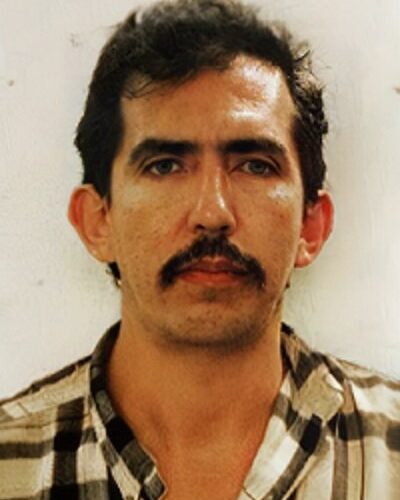
- Perpetrator: Luis Alfredo Garavito Cubillos (“La Bestia”, “Tribilín”)
- Active Period: 1992 – 1999 (Arrested April 22, 1999)
- Jurisdiction: Across 11 Colombian departments (Quindío, Risaralda, Valle del Cauca, Cundinamarca, etc.) and Ecuador
- Confirmed / Documented Victims: 138 to 172+ confirmed victims (all young boys aged 6 to 16)
- Modus Operandi: Disguising as a street vendor, monk, charity volunteer, or disabled laborer; luring impoverished boys from schools and bus depots with offers of work or sodas; abduction to sugarcane plantations and ravines; ligature strangulation and decapitation
- Key Forensic Breakthrough: Recovery of handwritten encrypted tally journals; CTI forensic anthropology excavations; match of glass eye and distinctive cord ligatures
- Judicial Outcome: Convicted of 138 counts of aggravated homicide; sentenced to theoretical 1,853 years (capped at statutory 40 years); died of leukemia in prison on October 12, 2023
The criminal enterprise of Luis Alfredo Garavito Cubillos represents the most numerically devastating documented case of serial child murder in modern forensic history. Operating across Colombia during an era of profound guerrilla warfare, paramilitary violence, and civil instability, Garavito exploited systemic societal fractures to prey on disenfranchised children for nearly a decade. His eventual apprehension required the mobilization of Colombia’s elite Technical Investigation Corps (CTI) and forensic anthropologists who painstakingly reconstructed clandestine burial grounds across 11 departments.
The Predatory Methodology & Social Deception Strategies
Born in Génova, Quindío, Colombia in 1957, Garavito developed an intricate system of predatory deception. Unlike opportunistic offenders, Garavito operated with meticulous calculation. He adopted multiple transient identities—posing as an itinerant monk, an evangelical preacher, an NGO charity volunteer distributing educational aid, or a disabled laborer seeking youthful assistance to carry heavy cargo.
Garavito established his primary hunting zones around transport terminals, elementary school exits, and open municipal parks in agricultural towns. He targeted young boys from impoverished working-class families, offering modest financial payments (equivalent to a few thousand Colombian pesos), soft drinks, or snacks in exchange for assisting him on brief rural errands. He led victims into expansive sugarcane plantations, dense coffee groves, or steep mountain ravines far outside municipal surveillance.
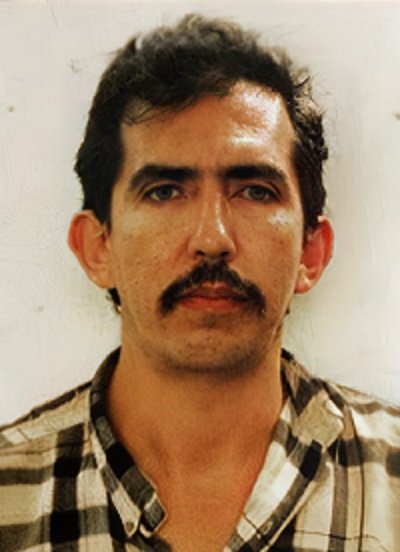
Forensic Anthropology & The Sugarcane Grave Sites
Beginning in 1996, agricultural workers in the department of Risaralda repeatedly stumbled upon skeletal remains in remote sugarcane plantations near Pereira. Initial municipal police responses treated the discoveries as isolated casualties of regional cartel or paramilitary violence. However, when investigators from the Cuerpo Técnico de Investigación (CTI) conducted centralized forensic reviews under lead investigator Mario Montoya, unmistakable patterns emerged.
CTI forensic pathologists and physical anthropologists identified consistent biological profiles: male juveniles between 8 and 14 years of age. Autopsies revealed identical physical trauma—blunt-force cranial injuries, defensive forearm fractures, distinctive ligature compression of the hyoid bone, and precise post-mortem neck incised wounds. Furthermore, forensic teams recovered uniform yellow nylon cords at multiple distinct excavation sites, establishing a signature forensic ligature binding method.
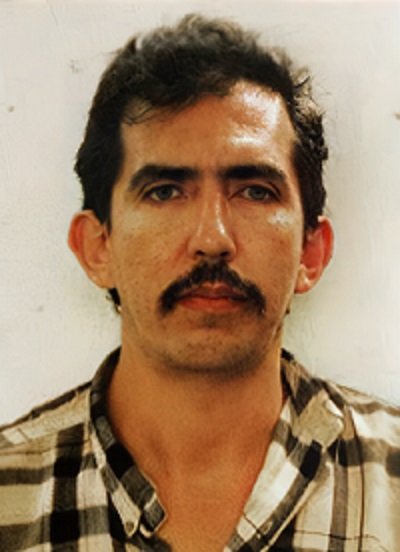
The 1999 Apprehension & The Encrypted Murder Ledger
On April 22, 1999, Garavito was apprehended in Villavicencio, Meta, after an alert homeless man intervened during an attempted abduction of a young boy in an open field. Initially booked under an alias for attempted rape, Garavito’s fingerprints were processed through the Colombian national criminal database, connecting him to an active warrant for child abuse in Tunja.
Executing search warrants on Garavito’s transient lodgings and personal belongings, CTI detectives made an extraordinary evidentiary discovery: a collection of handwritten journals and notebooks filled with numerical grids, cryptic abbreviations, and newspaper clippings of missing children. CTI forensic linguists and cryptanalysts deciphered the notebooks, revealing a systematic tally of 140 distinct dates, geographic coordinates, victim names, and homicide details kept as personal predatory trophies.
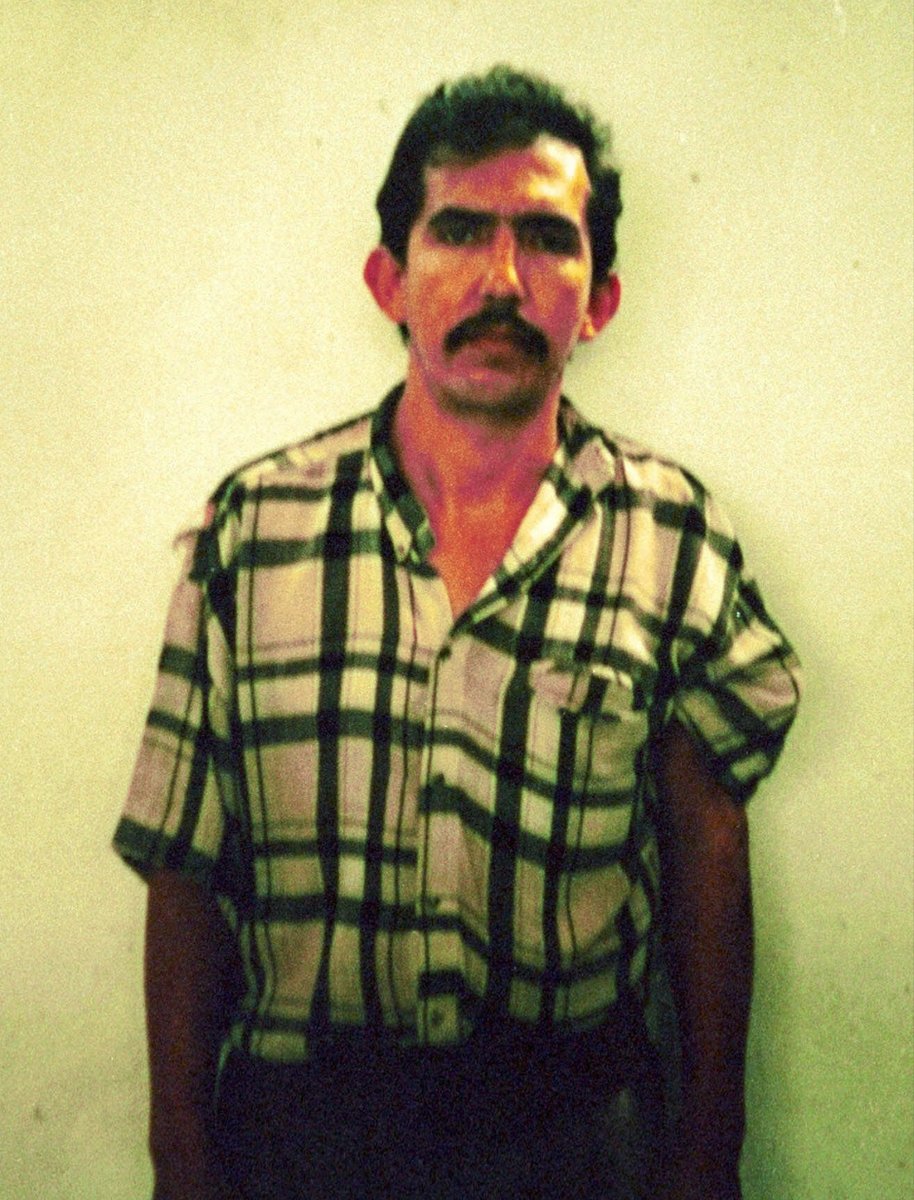
Judicial Proceedings, Penal Reform & Final Custody
Confronted with the overwhelming weight of physical evidence, anthropological reconstructions, and his own deciphered ledgers, Garavito broke down during interrogation by lead prosecutor Dr. Clara Rubiano. In an extensive series of recorded confessions, he admitted to murdering over 170 children across Colombia and Ecuador, subsequently guiding investigators to dozens of unmapped burial locations.
In 2001, Garavito was formally convicted of 138 counts of aggravated homicide. The trial judge imposed aggregate consecutive sentences totaling 1,853 years and 9 days imprisonment. However, under the Colombian Penal Code in effect at the time, statutory limits capped the maximum enforceable sentence at 40 years (later reduced to roughly 22 years for judicial collaboration). The case caused immense public outrage and spurred constitutional debates regarding the death penalty and life imprisonment in Colombia. Garavito remained incarcerated at the maximum-security Tramacúa Prison in Valledupar until his death from leukemia on October 12, 2023.
Cryptanalysis & Forensic Reconstruction of the Murder Ledgers
The evidentiary cornerstone of the case against Luis Alfredo Garavito was the decipherment of his encrypted notebooks by the Technical Investigation Corps (CTI) cryptanalysis unit. Garavito maintained a meticulous, self-devised cryptographic shorthand that recorded dates, approximate ages, physical traits, geographic terrain markers, and precise methods of dispatch for every victim. Each entry functioned as a psychological souvenir, allowing him to mentally re-experience the crimes during periods of geographic transit.
CTI forensic document examiners utilized electrostatic detection apparatus (ESDA) to reveal indented writing on subsequent blank pages of the notebooks, exposing suppressed entries and unmapped coordinates. This forensic breakthrough allowed investigators to correlate diary notations with unresolved missing child reports dating back to 1992 across Risaralda, Quindío, Valle del Cauca, and Cundinamarca, transforming dozens of suspected runaways into active homicide investigations.
Psychiatric Profiling, Narcissistic Manipulation & Institutional Impact
Extensive psychiatric assessments conducted at the National Institute of Legal Medicine and Forensic Sciences in Bogotá characterized Garavito as an organized, highly intelligent sexual sadist. In interviews with clinical psychologists and lead investigator Mario Montoya, Garavito displayed profound narcissistic traits, attempting to frame his predatory actions as an involuntary compulsion driven by childhood trauma and religious delusions, while simultaneously demonstrating total cognitive recall and tactical cunning during every phase of his abductions.
The Garavito case spurred unprecedented institutional reforms in Colombia’s child protection laws and criminal justice procedures. The public outrage regarding the 40-year statutory sentencing ceiling culminated in the passage of the “Garavito Law” and constitutional amendments aimed at abolishing statutory sentence reductions for violent crimes against children, fundamentally altering the Colombian penal landscape.
Chronological Case Timeline
| Date / Period | Investigative & Judicial Milestone |
|---|---|
| January 25, 1957 | Luis Alfredo Garavito is born in Génova, Quindío, Colombia. |
| 1992 – 1998 | Garavito carries out systematic abductions and homicides across 11 departments. |
| 1996 – 1998 | CTI forensic anthropology teams uncover multiple clusters of juvenile remains in Risaralda sugarcane fields. |
| April 22, 1999 | Garavito is arrested in Villavicencio; CTI detectives seize his encrypted murder ledger. |
| November 1999 | Garavito delivers formal video-recorded confessions to 140+ homicides. |
| 2001 | Convicted and sentenced to aggregate 1,853 years, capped under statutory limits at 40 years. |
| October 12, 2023 | Garavito dies of multiple organ failure and leukemia at age 66 in Valledupar. |
Forensic Evidence Matrix & Criminological Assessment
The investigative dossier compiled by Colombia’s Technical Investigation Corps (CTI) against Luis Alfredo Garavito remains one of the most comprehensive forensic records in global serial homicide history. Key evidential components include:
- Cryptographic Murder Journals: Seizure of handwritten notebooks featuring 140 encrypted entries with exact geographic coordinates, victim ages, and dates, verified through electrostatic detection apparatus (ESDA).
- Physical Anthropological Recoveries: Systematic exhumation of 138+ bodies across 11 Colombian departments by CTI forensic teams, identifying uniform yellow nylon ligature cords and identical post-mortem cervical trauma.
- Penal & Constitutional Reforms: The public outrage over Garavito’s 40-year statutory sentencing ceiling spurred the passage of the landmark ‘Garavito Law’, abolishing sentencing reductions for violent crimes against children in Colombia.
Garavito’s case continues to be studied by international criminologists as a definitive example of predatory sociopathy and the importance of centralized inter-departmental forensic coordination.
Related Case Files & Investigative Dossiers
Examine parallel comprehensive forensic case studies involving serial homicide profiling, cold case recoveries, and major investigative breakthroughs:
- Pedro López: The Monster of the Andes, Ambato Mass Graves & Transnational Hunt
- Andrei Chikatilo: The Butcher of Rostov, Operation Forest & Forensic Psychiatry
- Gary Ridgway: The Green River Killer, STR DNA Typing & Task Force Operations
- Arthur Shawcross: The Genesee River Killer, Behavioral Profiling & Forensic Pathology
- Ted Bundy: The Chi Omega Murders, Forensic Odontology & Trial Analysis
Frequently Asked Questions
Who was Luis Alfredo Garavito and how many victims did he kill?
Luis Alfredo Garavito, known as “La Bestia” (The Beast), was a Colombian serial killer convicted of murdering 138 young boys between 1992 and 1999. Total estimates, supported by his personal ledgers and forensic exhumations, exceed 170 to 200 victims across Colombia and Ecuador.
What physical evidence led to Garavito’s conviction?
Key physical evidence included encrypted notebooks containing victim tallies and crime scene coordinates, matching yellow nylon ligature cords, distinctive boot prints, and physical evidence recovered by CTI forensic anthropologists during coordinated field exhumations.
What was Garavito’s ultimate prison sentence?
Although the trial court imposed sentences totaling 1,853 years, Colombian law at the time strictly capped maximum incarceration at 40 years. He was held under maximum security in Valledupar until his death in custody in October 2023.
{
“@context”: “https://schema.org”,
“@type”: “FAQPage”,
“mainEntity”: [
{
“@type”: “Question”,
“name”: “Who was Luis Alfredo Garavito and how many victims did he kill?”,
“acceptedAnswer”: {
“@type”: “Answer”,
“text”: “Luis Alfredo Garavito, known as ‘La Bestia’ (The Beast), was a Colombian serial killer convicted of murdering 138 young boys between 1992 and 1999. Total estimates, supported by his personal ledgers and forensic exhumations, exceed 170 to 200 victims across Colombia and Ecuador.”
}
},
{
“@type”: “Question”,
“name”: “What physical evidence led to Garavito’s conviction?”,
“acceptedAnswer”: {
“@type”: “Answer”,
“text”: “Key physical evidence included encrypted notebooks containing victim tallies and crime scene coordinates, matching yellow nylon ligature cords, distinctive boot prints, and physical evidence recovered by CTI forensic anthropologists during coordinated field exhumations.”
}
},
{
“@type”: “Question”,
“name”: “What was Garavito’s ultimate prison sentence?”,
“acceptedAnswer”: {
“@type”: “Answer”,
“text”: “Although the trial court imposed sentences totaling 1,853 years, Colombian law at the time strictly capped maximum incarceration at 40 years. He was held under maximum security in Valledupar until his death in custody in October 2023.”
}
}
]
}