Executive Case Factsheet
- Perpetrator: Javed Iqbal Mughal
- Active Period: 1998 – 1999 (Confession delivered December 30, 1999)
- Jurisdiction: Lahore, Punjab Province, Pakistan (Ravi Road and Minar-e-Pakistan districts)
- Confirmed Victims: 100 runaway and street-working boys (aged 6 to 16)
- Modus Operandi: Luring vulnerable street children and runaways from railway stations with offers of meals, shelter, and cash; drugging and strangulation with nylon rope; chemical dissolution in industrial hydrochloric acid vats
- Key Forensic Breakthrough: Voluntary written confession and photographic evidence mailed to newspaper editors; recovery of dental fragments and bone residue from acid vats; seizure of a comprehensive ledger of victim names and photographs
- Judicial Outcome: Convicted on March 16, 2000 of 100 counts of murder; sentenced to death; found dead in his prison cell on October 8, 2001
The December 1999 revelations in Lahore, Pakistan, exposed one of the most horrifying and methodically orchestrated serial homicide operations in modern Asian history. Javed Iqbal Mughal, a reclusive middle-aged businessman, murdered 100 homeless and runaway boys in his Ravi Road residence, attempting to erase every physical trace of his victims through chemical dissolution in industrial vats. His self-directed confession and the subsequent forensic chemical reconstruction of the crime scene sent shockwaves through Pakistan’s judicial and political establishment.
The Predatory Ecosystem of Lahore’s Transport Terminals
Born in Lahore in 1956 into a wealthy merchant family, Javed Iqbal operated a steel casting business and owned residential property in the working-class Shadbagh area along Ravi Road. Following a 1998 arrest on charges of sodomy involving street youths—charges that were later dropped—Iqbal harbored deep resentment against municipal law enforcement and society at large.
Iqbal systematically exploited the large population of runaway and working street children congregating around the Minar-e-Pakistan park, Data Darbar shrine, and Lahore Railway Station. Employing young accomplices to act as scouts, Iqbal offered vulnerable boys warm meals, shelter, clothing, and small cash sums to come to his home. Once inside the fortified compound, Iqbal drugged his victims, subjected them to physical abuse, and strangled them with nylon rope.
Forensic Chemistry: The Acid Vats & Toxicological Recovery
To eliminate physical evidence of the homicides, Iqbal turned to industrial chemistry. He purchased commercial drums of concentrated hydrochloric acid (muriatic acid) and large galvanized metal vats. Following each murder, Iqbal dismembered the corpses and submerged the biological remains in the acid solution, calculating that the corrosive fluid would dissolve soft tissues and skeletal structures entirely.
When Punjab Police and forensic scientists raided the Ravi Road house in December 1999, they encountered a horrific crime scene. Forensic teams recovered two large plastic and steel drums filled with dark, highly acidic sludge containing partially dissolved human skeletal elements. Forensic odontologists and anthropologists painstakingly sieved the chemical slurry, isolating hundreds of human teeth, dental fillings, and cortical bone fragments that resisted complete acid breakdown, definitively proving the presence of multiple human remains.
The December 1999 Confession & The 100-Victim Dossier
On December 30, 1999, Iqbal sent a detailed handwritten confession and a package of evidence to the editor of the Daily Jang newspaper and the Lahore Chief of Police. In his manifesto, Iqbal stated that he had murdered exactly 100 boys to fulfill a personal vendetta, daring authorities to find a single intact corpse.
Inside the Ravi Road house, investigators discovered an impeccably organized criminal archive. Iqbal had maintained a handwritten ledger recording the names, estimated ages, hometowns, and abduction dates of all 100 victims, alongside a duffel bag containing clothing belonging to the deceased children and hundreds of developed photographs of the victims taken inside the house. This comprehensive photographic and documentary evidence provided undeniable corroboration for prosecution indictments.
The Anti-Terrorism Court Trial & The Cell Deaths
Following a massive nationwide manhunt across Punjab and Khyber Pakhtunkhwa, Iqbal walked into the Lahore offices of the Daily Jang on January 1, 2000, surrendering to journalists who immediately contacted law enforcement. He was charged under the Anti-Terrorism Act due to the public terror generated by the crimes.
The trial took place before Special Anti-Terrorism Court Judge Allah Bakhsh Ranjha. The court admitted the photographic albums, ledger entries, surviving dental evidence, and ballistic and toxicological expert reports. On March 16, 2000, Judge Ranjha found Javed Iqbal guilty on 100 counts of murder, handing down a symbolic sentence mirroring his methods. However, before higher appellate reviews and executions could proceed, on October 8, 2001, Javed Iqbal and his accomplice Sajid Ahmad were found dead in their cells at Kot Lakhpat Central Jail in Lahore, officially ruled as suicide by poisoning and hanging, closing one of South Asia’s darkest criminal files.
Forensic Chemistry: Dissolution Kinetics & Acid-Resistant Evidence
The chemical methodology employed by Javed Iqbal presented forensic scientists at the Punjab Medico-Legal Directorate with unprecedented analytical challenges. Commercial hydrochloric acid (muriatic acid) rapidly hydrolyzes organic proteins and demineralizes trabecular bone, converting soft tissue and cartilaginous structures into a dark, viscous liquid within forty-eight to seventy-two hours. However, dense cortical bone, tooth enamel (hydroxyapatite), and dental restorations possess significant chemical resistance to acid hydrolysis.
Forensic odontologists and toxicologists implemented specialized micro-sieving and chemical neutralization protocols on hundreds of gallons of acidic slurry recovered from the Ravi Road compound. By filtering the sludge through fine mesh screens, technicians recovered over 1,500 tooth crowns and roots, metallic dental fillings, and dense petrous temporal bone fragments. Comparative analysis of these dental elements against pediatric dental growth baselines definitively confirmed the presence of at least 100 distinct juvenile victims, legally disproving defense claims that the confession was an elaborate hoax.
Criminological Legacy & Child Protection in South Asia
The horrific revelations of the Javed Iqbal case brought intense international scrutiny to the systemic vulnerabilities faced by street children and runaways in urban Pakistan. The ease with which 100 children disappeared from public transit terminals and religious shrines without triggering immediate police investigations exposed severe deficiencies in municipal child welfare infrastructure.
In the aftermath of the trial and Iqbal’s controversial death in Kot Lakhpat Prison, human rights organizations and Pakistani legal advocates campaigned for comprehensive missing-children registries and child protection bureaus. The case catalyzed the eventual passage of the Zainab Alert, Response and Recovery Act years later, establishing formalized rapid-response child abduction notification systems across Pakistan.
Chronological Case Timeline
| Date / Period | Investigative & Legal Milestone |
|---|---|
| 1956 | Javed Iqbal Mughal is born in Lahore, Punjab, Pakistan. |
| 1998 – 1999 | Iqbal abducts and murders 100 runaway boys in his Ravi Road residence. |
| December 30, 1999 | Iqbal delivers written confession and photographic evidence to the Daily Jang and Lahore Police. |
| January 1, 2000 | Surrenders to journalists at the newspaper office; taken into custody by Punjab Police. |
| January – March 2000 | Forensic chemists and odontologists analyze acid vat slurry, recovering teeth and bone fragments. |
| March 16, 2000 | Convicted of 100 counts of murder by the Anti-Terrorism Court and sentenced to death. |
| October 8, 2001 | Iqbal and his accomplice are found dead in their cells at Kot Lakhpat Jail. |
Forensic Evidence Matrix & Criminological Assessment
The forensic chemical investigation into Javed Iqbal’s Ravi Road residence in Lahore set unique precedents in the scientific recovery of dissolved organic remains. Key evidential elements include:
- Micro-Sieved Dental Evidence: Forensic odontologists isolated over 1,500 acid-resistant human teeth, dental fillings, and cortical bone fragments from industrial hydrochloric acid vats, proving the presence of 100 victims.
- Documentary & Photographic Archives: Seizure of a handwritten ledger cataloging names, ages, and hometowns of all 100 victims alongside developed photographic albums and victim clothing caches.
- Child Protection Reforms: The case catalyzed national advocacy for missing-children alerts in Pakistan, culminating years later in the landmark Zainab Alert, Response and Recovery Act.
The Lahore investigation remains a foundational case study in forensic chemistry, disaster victim identification, and child protection reform in South Asia.
Related Case Files & Investigative Dossiers
Examine parallel comprehensive forensic case studies involving mass serial homicides, crime scene chemistry, and major forensic manhunts:
- John George Haigh: The Acid Bath Murders, Forensic Odontology & Pathology
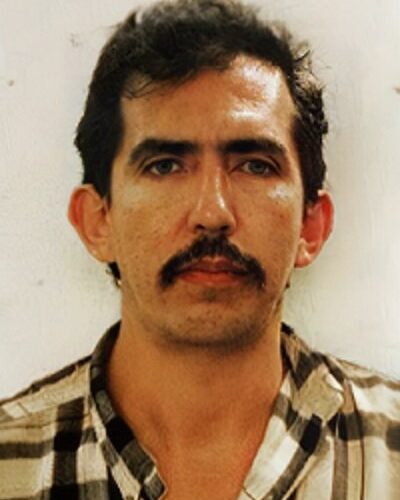
- Luis Alfredo Garavito: ‘La Bestia’, The 1990s Child Murders Ledger & Forensic Exhumations
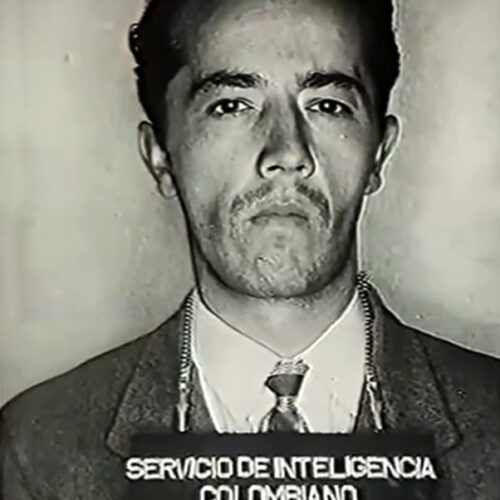
- Pedro López: The Monster of the Andes, Ambato Mass Graves & Transnational Hunt
- Andrei Chikatilo: The Butcher of Rostov, Operation Forest & Forensic Psychiatry
- Jeffrey Dahmer: The Milwaukee Monster, Forensic Toxicology & Courtroom Verdict
Frequently Asked Questions
Who was Javed Iqbal and what were his crimes in Lahore?
Javed Iqbal was a Pakistani serial killer who lured, assaulted, and strangled 100 runaway and street children in Lahore between 1998 and 1999, dissolving their bodies in vats of industrial hydrochloric acid.
How did forensic investigators prove the deaths if the bodies were dissolved?
Forensic scientists and odontologists sieved the acidic sludge in Iqbal’s home, discovering hundreds of human teeth, dental restorations, and dense bone fragments that resisted acid dissolution, matched alongside victim clothing and photographic logs.
What happened to Javed Iqbal after his trial?
Iqbal was convicted of 100 murders in March 2000 and sentenced to death. On October 8, 2001, he was found dead in his cell at Kot Lakhpat Prison in Lahore prior to his execution.
{
“@context”: “https://schema.org”,
“@type”: “FAQPage”,
“mainEntity”: [
{
“@type”: “Question”,
“name”: “Who was Javed Iqbal and what were his crimes in Lahore?”,
“acceptedAnswer”: {
“@type”: “Answer”,
“text”: “Javed Iqbal was a Pakistani serial killer who lured, assaulted, and strangled 100 runaway and street children in Lahore between 1998 and 1999, dissolving their bodies in vats of industrial hydrochloric acid.”
}
},
{
“@type”: “Question”,
“name”: “How did forensic investigators prove the deaths if the bodies were dissolved?”,
“acceptedAnswer”: {
“@type”: “Answer”,
“text”: “Forensic scientists and odontologists sieved the acidic sludge in Iqbal’s home, discovering hundreds of human teeth, dental restorations, and dense bone fragments that resisted acid dissolution, matched alongside victim clothing and photographic logs.”
}
},
{
“@type”: “Question”,
“name”: “What happened to Javed Iqbal after his trial?”,
“acceptedAnswer”: {
“@type”: “Answer”,
“text”: “Iqbal was convicted of 100 murders in March 2000 and sentenced to death. On October 8, 2001, he was found dead in his cell at Kot Lakhpat Prison in Lahore prior to his execution.”
}
}
]
}