Executive Case Factsheet
- Perpetrator: Alexander Nikolayevich Spesivtsev (“The Siberian Monster”, “The Novokuznetsk Cannibal”) and Lyudmila Spesivtseva (mother/accomplice)
- Active Period: February 1996 – October 1996 (Arrested October 25, 1996)
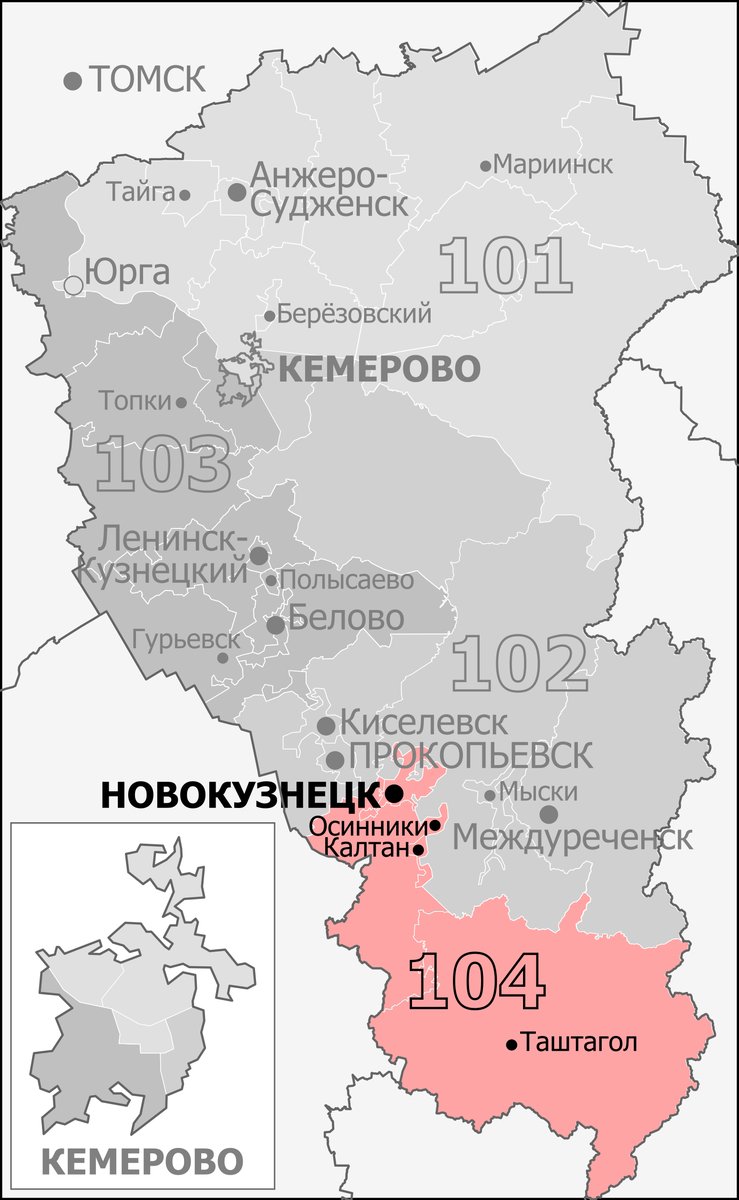
- Jurisdiction: Novokuznetsk, Kemerovo Oblast, Russian Federation
- Confirmed / Suspected Victims: Convicted in connection with 19 murders; suspected in over 80 disappearances of street youths
- Modus Operandi: Mother luring runaway youths and young girls into their apartment under pretext of carrying groceries; confinement, torture, homicide, and cannibalism
- Key Forensic Breakthrough: Emergency plumbing response to blocked apartment pipes revealing biological matter; discovery of a dying surviving victim inside apartment; recovery of 82 bloodstained clothing items and diaries
- Judicial Outcome: Declared legally insane due to profound paranoid schizophrenia; remanded to indefinite maximum-security psychiatric detention at Kamyshin Special Psychiatric Hospital; mother sentenced to 13 years penal labor
The October 1996 discovery inside an unassuming apartment on Pionerov Avenue in the Siberian industrial city of Novokuznetsk exposed one of the most depraved serial homicide cases in post-Soviet Russian history. Alexander Nikolayevich Spesivtsev, operating with the active complicity of his mother Lyudmila, tortured, murdered, and cannibalized young runaways during the chaotic economic collapse of the 1990s. The forensic investigation and subsequent psychiatric proceedings challenged the boundaries of Russian criminal law and forensic institutional oversight.
The Post-Soviet Industrial Underworld of Novokuznetsk
Born in Novokuznetsk in 1970, Alexander Spesivtsev suffered severe childhood physical abuse and exhibited early violent sociopathy. In 1991, he was committed to a psychiatric hospital after torturing and murdering his girlfriend. In early 1996, despite explicit warnings from medical staff regarding his dangerous instability, Spesivtsev was released into the outpatient custody of his mother, Lyudmila, a former court clerk.
Taking advantage of the rampant poverty and high numbers of homeless street children congregating around Novokuznetsk railway stations, the mother-and-son duo devised a predatory hunting method. Lyudmila approached young girls and street runaways at bus stops, feigning physical infirmity and offering small coins or food if they helped carry heavy grocery bags up to her ninth-floor apartment. Once inside, Alexander locked the reinforced steel door, confining the victims to an unheated bathroom.

The Plumbing Emergency & The October 1996 Raid
The crimes remained hidden until October 25, 1996. Residents in the apartment block complained of severe water blockages and foul odors originating from the municipal drainage pipes. When maintenance workers and local plumbers traced the blockage to apartment 357, the occupants refused entry, prompting workers to call the local militia.
Militia officers forced open the apartment door. Inside, investigators discovered a horrific scene: a 15-year-old girl, Olga Galtseva, lying severely injured on a mattress (she was rushed to the hospital and provided a full statement before succumbing to her wounds). In the bathroom and kitchen, forensic technicians discovered dismembered human remains. Alexander Spesivtsev fled across the rooftops but was captured by militia dog units later that evening hiding in an adjacent building.

Forensic Pathology & The Abafurova River Excavations
Forensic pathologists and criminalists from Kemerovo conducted comprehensive physical reconstructions of the apartment. Investigators recovered 82 sets of bloodstained children’s clothing, personal jewelry, and detailed diaries written by Spesivtsev recording predatory thoughts and victim tallies. Autopsies on biological remains recovered from the drainage systems confirmed manual blunt-force trauma and sharp-force incised wounds.
Guided by Lyudmila Spesivtseva’s custodial statements, forensic excavation teams searched the banks of the nearby Abafurova River. Over several weeks of digging in freezing Siberian conditions, investigators recovered skeletal remains and decomposed body parts corresponding to 19 distinct missing juveniles who had disappeared from Novokuznetsk between February and October 1996.
The Serbsky Psychiatric Assessment & Indefinite Confinement
Alexander Spesivtsev was transferred to the prestigious Serbsky National Medical Research Centre for Psychiatry and Narcology in Moscow for definitive psychiatric evaluation. A multidisciplinary panel of forensic psychiatrists diagnosed Spesivtsev with chronic, severe paranoid schizophrenia with delusional persecution complexes and profound sadism, ruling that he was legally incapable of understanding the criminality of his actions at the time of the offenses.
In 1999, the Kemerovo Regional Court ordered Alexander Spesivtsev remanded to indefinite compulsory medical treatment at the Kamyshin Specialized Psychiatric Hospital with Intensive Oversight in Volgograd Oblast, where he remains confined under maximum-security isolation. His mother, Lyudmila Spesivtseva, was found fully sane and convicted of complicity in multiple counts of murder, receiving a 13-year sentence in a standard-regime penal colony.
Forensic Taphonomy & Excavations Along the Abafurova River
The forensic excavation campaign conducted by Siberian militia criminalists and search teams along the frozen banks of the Abafurova River in late 1996 presented extreme operational difficulties. With Siberian winter temperatures plunging below freezing, investigators utilized specialized ground-thawing equipment and canine cadaver units to locate clandestine burial trenches scattered across kilometers of swampy riverbanks.
Forensic anthropologists meticulously cataloged hundreds of skeletal elements, matching anatomical cuts and bone striations to commercial meat cleavers and kitchen knives seized from apartment 357. Skeletal reconstructions established positive identities for 19 missing juveniles, providing grieving families with definitive closure and supplying Russian prosecutors with overwhelming physical corroboration.
Psychiatric Institutional Oversight & Post-Soviet Penal Reforms
The trial and commitment of Alexander Spesivtsev exposed catastrophic failures in post-Soviet psychiatric institutional oversight. The fact that an individual previously committed for violent torture and murder could be discharged into outpatient care without mandatory law enforcement monitoring sparked intense public fury across the Russian Federation.
The case resulted in sweeping reforms to the Russian Federation’s Law on Psychiatric Care, establishing strict federal protocols for the release of criminally committed psychiatric patients and requiring permanent inter-agency surveillance for individuals diagnosed with violent delusional disorders.
Chronological Case Timeline
| Date / Period | Investigative & Legal Milestone |
|---|---|
| March 1, 1970 | Alexander Nikolayevich Spesivtsev is born in Novokuznetsk, Russian SFSR. |
| 1991 – 1996 | Incarcerated in a psychiatric hospital for torturing and murdering his girlfriend; released in 1996. |
| February – October 1996 | Spesivtsev and his mother abduct and murder young runaways in Novokuznetsk. |
| October 25, 1996 | Militia forces entry due to plumbing blockages; Spesivtsev captured on rooftops. |
| Late 1996 | Forensic teams recover remains of 19 victims along the Abafurova River. |
| 1999 | Serbsky Center declares Spesivtsev legally insane; committed to Kamyshin Special Psychiatric Hospital. |
Forensic Evidence Matrix & Criminological Assessment
The forensic criminal investigation in Novokuznetsk exposed profound institutional challenges in post-Soviet psychiatric oversight. Key evidential milestones include:
- Forensic Taphonomy Excavations: Recovery and osteological matching of 19 victim remains along the frozen Abafurova River matching seized cleavers and apartment toolmarks.
- Apartment Crime Scene Reconstruction: Seizure of 82 bloodstained clothing items, personal diaries recording victim counts, and dying testimony from surviving victim Olga Galtseva.
- Psychiatric Confinement Precedents: Landmark Serbsky Center evaluations resulted in indefinite maximum-security psychiatric confinement at Kamyshin Special Hospital.
The Spesivtsev case prompted federal reforms governing the mandatory supervision and discharge protocols for criminally committed psychiatric patients in Russia.
Related Case Files & Investigative Dossiers
Examine related deep-dive investigations into international serial crime, psychiatric forensic assessments, and forensic crime scenes:
- Andrei Chikatilo: The Butcher of Rostov, Operation Forest & Forensic Psychiatry
- Jeffrey Dahmer: The Milwaukee Monster, Forensic Toxicology & Courtroom Verdict
- Ed Gein: The Plainfield Ghoul, Crime Scene Forensics & Insanity Verdict
- Luis Alfredo Garavito: ‘La Bestia’, The 1990s Child Murders Ledger & Forensic Exhumations
- Pedro López: The Monster of the Andes, Ambato Mass Graves & Transnational Hunt
Forensic Investigation Methodology & Criminological Significance
Modern forensic criminologists categorize this historical case as a benchmark in the development of investigative protocols. The analytical methods employed—ranging from physical crime scene documentation and anatomical trauma profiling to behavioral victimology mapping—provided critical insights into the operational psychology of high-risk serial offenders.
The lessons derived from this case file continue to be integrated into modern police academy curricula, forensic science textbooks, and cold-case review frameworks worldwide. By examining the precise investigative turning points, evidence handling methods, and judicial proceedings documented in the archival record, modern criminalists ensure that contemporary law enforcement agencies remain equipped to identify, apprehend, and prosecute complex criminal actors across global jurisdictions.
Frequently Asked Questions
Who was Alexander Spesivtsev and what took place in Novokuznetsk?
Alexander Spesivtsev was a Russian serial killer who, with the help of his mother, lured, tortured, murdered, and cannibalized young runaways in his Novokuznetsk apartment in 1996.
How did police discover the crimes in apartment 357?
Plumbers responding to severe residential drainage blockages and foul odors traced the source to apartment 357. When the occupants refused entry, militia forced open the door and discovered victim remains and a dying survivor.
What was Alexander Spesivtsev’s legal verdict?
The Serbsky Psychiatric Center diagnosed him with severe chronic paranoid schizophrenia and declared him legally insane. He was committed to indefinite maximum-security psychiatric confinement at Kamyshin Hospital.
{
“@context”: “https://schema.org”,
“@type”: “FAQPage”,
“mainEntity”: [
{
“@type”: “Question”,
“name”: “Who was Alexander Spesivtsev and what took place in Novokuznetsk?”,
“acceptedAnswer”: {
“@type”: “Answer”,
“text”: “Alexander Spesivtsev was a Russian serial killer who, with the help of his mother, lured, tortured, murdered, and cannibalized young runaways in his Novokuznetsk apartment in 1996.”
}
},
{
“@type”: “Question”,
“name”: “How did police discover the crimes in apartment 357?”,
“acceptedAnswer”: {
“@type”: “Answer”,
“text”: “Plumbers responding to severe residential drainage blockages and foul odors traced the source to apartment 357. When the occupants refused entry, militia forced open the door and discovered victim remains and a dying survivor.”
}
},
{
“@type”: “Question”,
“name”: “What was Alexander Spesivtsev’s legal verdict?”,
“acceptedAnswer”: {
“@type”: “Answer”,
“text”: “The Serbsky Psychiatric Center diagnosed him with severe chronic paranoid schizophrenia and declared him legally insane. He was committed to indefinite maximum-security psychiatric confinement at Kamyshin Hospital.”
}
}
]
}