INVESTIGATIVE CASE DOSSIER: BRIAN SHAFFER DISAPPEARANCE: THE 2006 COLUMBUS BAR MYSTERY & THE 360 SECURITY CAMERA ENIGMA
- Victim: Brian Randall Shaffer (27 years old; Second-Year Medical Student at OSU)
- Date of Disappearance: April 1, 2006 (Approximately 1:55 – 2:00 AM)
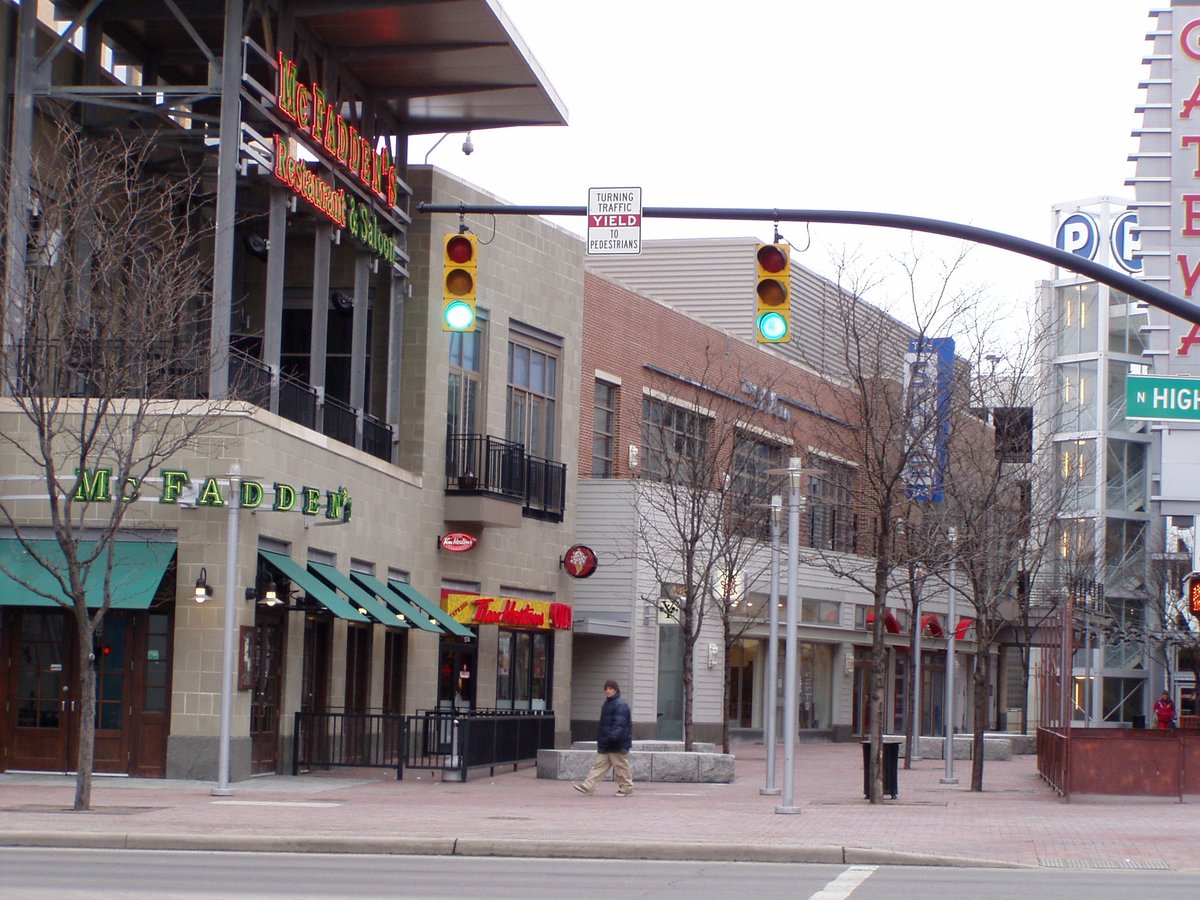
- Location: Ugly Tuna Saloona bar, South Campus Gateway, High Street, Columbus, OH
- Investigating Agency: Columbus Division of Police, Ohio BCI, FBI
- Key Physical Artifacts: Security CCTV recordings, cell phone tower pings, Olentangy River searches
- Forensic Video Review: Every patron exiting the second-floor bar was visually cataloged and accounted for
- Current Status: Active missing person and suspicious disappearance cold case
In the early morning hours of Saturday, April 1, 2006, twenty-seven-year-old second-year Ohio State University medical student Brian Randall Shaffer went out with friends to celebrate the beginning of Spring Break at the Ugly Tuna Saloona, a bustling second-floor bar located in the South Campus Gateway complex on High Street in Columbus, Ohio. At 1:55 AM, high-definition security surveillance cameras positioned directly above the only public entrance escalator recorded Brian talking with two female acquaintances outside the doorway before stepping back into the bar. Hundreds of patrons filed down the escalator at 2:00 AM closing time, but Brian Shaffer never exited. The Brian Shaffer disappearance stands as one of the most baffling ‘closed-environment’ missing person mysteries in modern criminalistics, featuring exhaustive CCTV video analysis, sonar river sweeps, and decades of Columbus Police inquiries.
The South Campus Gateway Night & The Escalator Camera Sighting
On Friday evening, March 31, 2006, Brian Shaffer met his close friend William ‘Clint’ Florence for dinner and drinks in the Arena District before heading to the Ugly Tuna Saloona on South Campus Gateway at 10:00 PM. Witnesses described Brian in high spirits, anticipating an upcoming spring vacation to Miami with his girlfriend.
Between 1:50 AM and 1:57 AM on April 1, security cameras mounted above the main entrance escalator recorded Brian standing near the bar entrance chatting with two young women. At 1:57 AM, he stepped off-camera toward the bar interior. When the bar closed at 2:00 AM, Florence and companions searched the establishment, finding that Brian had left his coat behind. Calls to his cellular phone went directly to voicemail.

The 360-Degree CCTV Analysis & Architectural Exit Points
The South Campus Gateway facility was equipped with comprehensive video surveillance covering all interior and exterior corridors. The Ugly Tuna Saloona had only three potential exits:
- Main Entrance Escalator: Covered by high-definition cameras recording 24/7. Columbus Police detectives painstakingly reviewed every frame, identifying and counting every patron who left the bar. Brian was never seen exiting.
- Emergency Service Exit: A rear exit leading to a freight elevator and a secure service stairwell accessible only through an active construction zone with unpaved concrete and gravel.
- Service Elevator: Monitored by secondary cameras showing no record of unauthorized transit during closing hours.
The baffling conclusion that an adult male entered a crowded second-floor venue on camera and never walked out made the investigation an instant national enigma.
Columbus Police Canine Tracking & Olentangy River Sonar Operations
In the days following the disappearance, Columbus Division of Police deployed bloodhounds throughout the South Campus Gateway complex. Canines tracked Brian’s scent through the bar and down the emergency service stairwell into an adjacent construction alley before the trail evaporated near High Street.
Search teams conducted intensive side-scan sonar and dive operations along the nearby Olentangy River, scouring miles of waterways, drainage culverts, and storm sewers throughout Franklin County with zero physical evidence recovered.
The Pearl Jam Tattoo & Worldwide Age-Progression Inquiries
Brian had a distinctive tattoo of the Pearl Jam ‘Stickman’ logo on his right upper arm. The Columbus Division of Police partnered with the FBI and the National Missing and Unidentified Persons System (NamUs) to distribute his dental records, biometric descriptors, and age-progression portraits to law enforcement agencies worldwide.
Detectives have pursued thousands of tips across North America, Europe, and Central America, investigating claims of spontaneous lifestyle departure versus predatory homicide or accidental demise in urban infrastructure.
Forensic Methodology & The Enduring Mystery
Lead Detective John Hurst and the Columbus Cold Case Squad have continuously audited the 2006 digital video files using modern computer vision and facial recognition software, verifying that Brian did not leave the establishment in disguise or hidden among groups of patrons.
The Brian Shaffer case remains an iconic study in forensic video analysis and urban search dynamics, symbolizing the painful void left behind for his surviving brother, Derek Shaffer, and friends who continue to seek the truth.
360-Degree CCTV Audit & High-Definition Video Forensics
The Columbus Division of Police executed one of the most exhaustive video audits in municipal law enforcement history following the disappearance of Brian Shaffer. Detectives reviewed footage from dozens of surveillance cameras operating inside and outside the South Campus Gateway complex on the night of April 1, 2006.
Every single individual who ascended or descended the main entrance escalator at the Ugly Tuna Saloona between 10:00 PM and 3:00 AM was manually counted, time-stamped, and visually identified. Forensic video analysts established with statistical certainty that Brian Shaffer was never recorded exiting the establishment via the main public entrance.
Construction Zone Service Corridors & Urban Infrastructure Sweeps
Detectives expanded their physical search to the complex’s industrial service passages, including freight elevators, utility shafts, and an active construction area on the ground floor. Canine search teams tracked Brian’s scent through a rear emergency exit door and down a cinderblock service stairwell before the scent dissipated onto High Street.
Columbus Police and Franklin County authorities conducted side-scan sonar sweeps of the Olentangy River and inspected miles of municipal storm drains with zero physical evidence located.
Columbus Division of Police Biometric Auditing
Columbus Police cold case detectives have utilized advanced computer vision software to re-analyze all security video recordings from the South Campus Gateway complex from the early morning of April 1, 2006. Modern facial recognition algorithms have re-scanned each patron exiting the Ugly Tuna Saloona, verifying that Brian did not leave in disguise or altered clothing.
The active case file remains open, with detectives regularly monitoring international passenger manifests and financial databases for any potential activity linked to Brian’s biometric identifiers.
The Enduring Psychological Legacy of the Shaffer Family
The tragedy of the Shaffer family—marked by the prior death of Brian’s mother Renee from cancer and the subsequent 2008 death of his father Randy in a windstorm accident—has resonated deeply with the Columbus community. His brother, Derek Shaffer, continues to work with law enforcement in the hope of finding definitive answers.
CCTV Coverage Analysis, Architectural Blind Spots & Behavioral Mindset
The disappearance of Ohio State University medical student Brian Shaffer from inside the Ugly Tuna Saloona presents a complex structural and visual surveillance puzzle. Columbus Police detectives meticulously audited hundreds of hours of security footage from the South Campus Gateway complex, tracking every individual entering and exiting the second-floor bar via the main escalator. While Brian was clearly recorded entering the establishment at 1:15 AM and speaking with two female acquaintances outside the entrance at 1:55 AM, he was never observed descending the escalator or passing through the front entrance.
Architectural analysis of the commercial complex revealed secondary exits, including a freight elevator, an emergency exit stairwell leading into an active construction zone, and rear service corridors without active video surveillance. Criminologists consider multiple working theories: an accidental fall or fatal altercation in an unmonitored construction area followed by surreptitious removal, an intentional departure through service exits to start a new life, or foul play occurring outside camera view.
Forensic Digital Audits, Financial Monitoring & Modern Review
Federal and local investigators executed extensive digital audits across Brian’s banking records, credit accounts, passport databases, and cellular activity. No financial transactions or biometric passport scans have ever occurred since the early morning hours of April 1, 2006. Brian’s cellular phone pinged a cell tower in Hilliard, Ohio, months after his disappearance, though telecommunications experts attribute this to a network routing anomaly rather than an active handset transmission. The Columbus Division of Police continues to review the case annually with cold case specialists.
Chronological Case Timeline & Key Forensic Milestones
Frequently Asked Questions & Expert Case Analysis
Where did Brian Shaffer disappear from?
He disappeared from the Ugly Tuna Saloona bar in the South Campus Gateway complex in Columbus, Ohio, on April 1, 2006.
Why is the video footage in this case significant?
Because surveillance cameras recorded Brian entering the bar at 1:55 AM, but despite exhaustive video audits of every exit, he was never seen leaving the venue.
Does Brian have any identifying physical marks?
Yes. Brian has a distinctive tattoo of the Pearl Jam ‘Stickman’ symbol on his right bicep and a small dot-like scar on his left earlobe.