During the height of the Great Depression, the industrial city of Cleveland, Ohio, was terrorized by America’s first documented modern urban serial dismemberment killer. The Cleveland Torso Murders Kingsbury Run—attributed to the elusive phantom known as the ‘Mad Butcher of Kingsbury Run’—claimed the lives of at least twelve men and women between 1934 and 1938. The investigation pitted legendary federal lawman Eliot Ness, serving as Cleveland’s Safety Director, against a masterclass in forensic pathology, social dislocation, and surgical decapitation that baffled forensic medicine for decades.
Executive Case Factsheet
- Victim(s): At least 12 official victims (and up to 20 suspected); only 2 conclusively identified: Edward Andrassy and Florence Polillo
- Date of Incident: September 1934 – August 1938
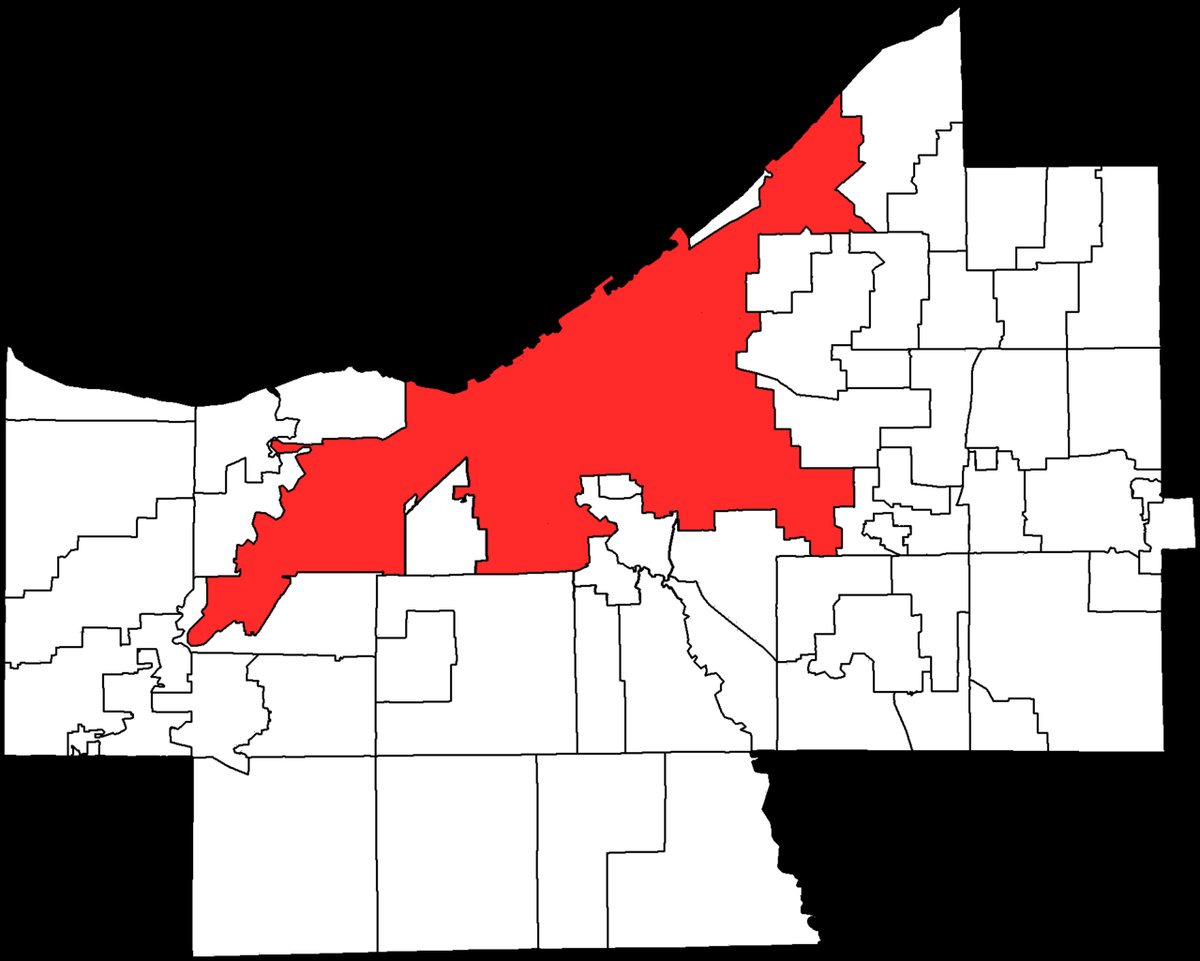
- Primary Crime Scene / Location: Kingsbury Run / The Roaring Third, Cleveland, Cuyahoga County, Ohio
- Lead Investigating Jurisdictions: Cleveland Division of Police, Cuyahoga County Coroner’s Office, Cleveland Department of Public Safety (Eliot Ness)
- Key Forensic Evidence: Clean anatomical decapitations and hemi-corpsing indicating surgical/butchery expertise, chemical skin treatment with potassium permanganate, burlap sack wrapping, fingerprint matching on Edward Andrassy
- Suspect(s) / Perpetrator(s): Dr. Francis E. Sweeney (lead suspect profiled by Ness); Frank Dolezal (died in county jail 1939)
- Legal Outcome & Status: Officially unsolved historical cold case serial homicide
The Discovery of the First Victims in Jackass Knoll and Kingsbury Run
The terror began in earnest on September 23, 1935, when two young boys playing near the base of Jackass Knoll in Cleveland’s Kingsbury Run ravine discovered the decapitated, castrated, and drained bodies of two adult Caucasian males lying in the weeds. Cuyahoga County Coroner Dr. Arthur J. Pearce and Cleveland homicide detectives arrived to find a gruesome forensic tableau: both victims had been beheaded with clinical surgical precision, washed completely clean of blood, and treated with an astringent chemical preservative resembling potassium permanganate to slow biological decomposition.
Coroner Pearce documented that the killer had applied deliberate post-mortem chemical washing to eradicate latent finger ridge skin deposits and biological fluid transfers. This sophisticated level of forensic counter-measures was virtually unprecedented in 1930s urban criminology, indicating a perpetrator with formal training in chemical embalming, biological laboratory protocols, or advanced anatomical taxidermy.
Coroner’s technicians utilized latent fingerprint records to identify one of the men as twenty-eight-year-old Edward Andrassy, a former Cleveland City Hospital orderly who had minor arrests for brawling. The second male victim remained unidentified, designated forever as ‘The Man of the Straw Hat’. Forensic analysis revealed that both men had been decapitated while still alive, and their severed heads were subsequently recovered buried in nearby silt banks.
Kingsbury Run was a dark, sprawling industrial ravine cut by freight rail lines, polluted runoff, and dozens of squalid Great Depression shantytowns (known as ‘Hoovervilles’) where thousands of transient, unemployed laborers resided in makeshift cardboard and scrap-metal shacks. The geography provided the killer with an endless reservoir of vulnerable, anonymous victims and concealed escape routes.
Forensic Pathology and the Evolution of the Butcher’s MO
Over the next three years, decapitated and dismembered body parts appeared across Cleveland’s east side, the Cuyahoga River, and Lake Erie shorelines. In January 1936, the bisected torso of forty-two-year-old Florence Polillo was discovered wrapped in newspaper and burlap sacks behind a Hart Manufacturing chicken coop on Central Avenue. In June 1936, the decapitated torso of a young man was found near the Nickel Plate Railroad tracks, surrounded by elaborate tattoos that detectives documented and published in national newspapers, yet he was never identified.
In 1937, Dr. Samuel R. Gerber took office as Cuyahoga County Coroner, bringing rigorous scientific methodology to the autopsies. Dr. Gerber documented that the killer consistently employed heavy, razor-sharp surgical knives or heavy amputation saws, severing the cervical spine between the third and fourth vertebrae with a single, expert stroke without hesitation marks or splintered bone margins.
Dr. Gerber noted that the total absence of blood at the recovery sites proved the victims were murdered, completely exsanguinated, and dismembered in an indoor, sanitary environment equipped with running water and specialized drainage—such as a medical surgical theater, butcher shop, or private laboratory—before their remains were transported in burlap sacks and dumped under cover of darkness.
Eliot Ness Takes Command and the Great Shantytown Raid
In December 1935, Cleveland Mayor Harold Burton appointed Eliot Ness, famous for his federal crusade against Al Capone’s Chicago bootlegging empire, as Cleveland’s Director of Public Safety. Ness restructured the Cleveland Police Department, eradicated corrupt precinct graft, and created a dedicated Torso Investigation Task Force led by Detective Peter Merylo and Martin Zalewski.
Despite around-the-clock undercover surveillance of rail yards, flop houses, and gay bars in ‘The Roaring Third’ district, the Butcher brazenly struck again in August 1938. The dismembered remains of three victims were discovered dumped within view of Eliot Ness’s downtown City Hall office window on Lake Shore Drive, viewed by Ness as a direct personal challenge from the killer.
On the night of August 18, 1938, Eliot Ness executed a drastic and controversial tactical operation. Leading a force of over fifty police officers and fire fighters, Ness raided the sprawling Kingsbury Run shantytowns, evicting over three hundred transient inhabitants, searching every structure for weapons or surgical tools, and burning all seventy shanties to the ground. While the raid drew sharp civil liberties criticism, the official serial killings abruptly ceased.
The Secret Interrogation of Dr. Francis E. Sweeney
Through exhaustive tracking of local medical personnel, Ness and Detective Merylo identified a prime suspect: Dr. Francis E. Sweeney, a World War I combat surgeon who had performed hundreds of field amputations. Sweeney was a severe alcoholic suffering from neurological degradation and psychiatric psychosis, whose medical office was located adjacent to the Roaring Third district.
In early 1938, Ness brought Dr. Sweeney to a secret suite at the Cleveland Hotel for an intensive, multi-day interrogation. Ness arranged for Leonard Keeler, the co-inventor of the Keeler polygraph, to administer lie detector examinations. Keeler concluded that Sweeney failed two separate polygraphs decisively, with Keeler stating to Ness: ‘That’s your man.’
However, Ness faced insurmountable political and legal obstacles. Dr. Sweeney was the first cousin of Martin L. Sweeney, a powerful Democratic congressman and fierce political opponent of Mayor Burton and Eliot Ness. Furthermore, with zero physical evidence, no living eyewitnesses, and untraceable victims, Cuyahoga County prosecutors refused to indict a prominent surgeon without a formal confession. Shortly after the interrogation, Dr. Sweeney committed himself to a state psychiatric asylum, from which he mailed mocking postcards to Ness for decades until his death in 1964.
Historical Significance and Modern Forensic Criminology
In 1939, Cleveland Sheriff John O’Hanlon arrested a Bohemian immigrant bricklayer named Frank Dolezal for Florence Polillo’s murder. Dolezal signed a dubious confession under severe duress, but died under suspicious circumstances inside the Cuyahoga County Jail before trial, with autopsy reports revealing multiple broken ribs, leading historians to conclude his confession was coerced.
The Cleveland Torso Murders remain one of the most studied historical serial homicide investigations in criminological history. The case pioneered early forensic anthropology protocols, victim profile cataloging via tattoo reconstructions, and the scientific analysis of post-mortem exsanguination patterns.
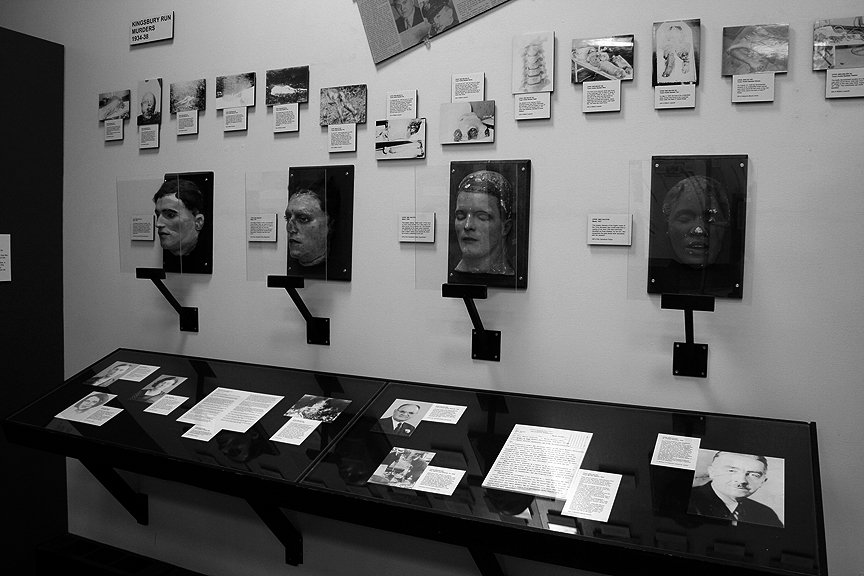
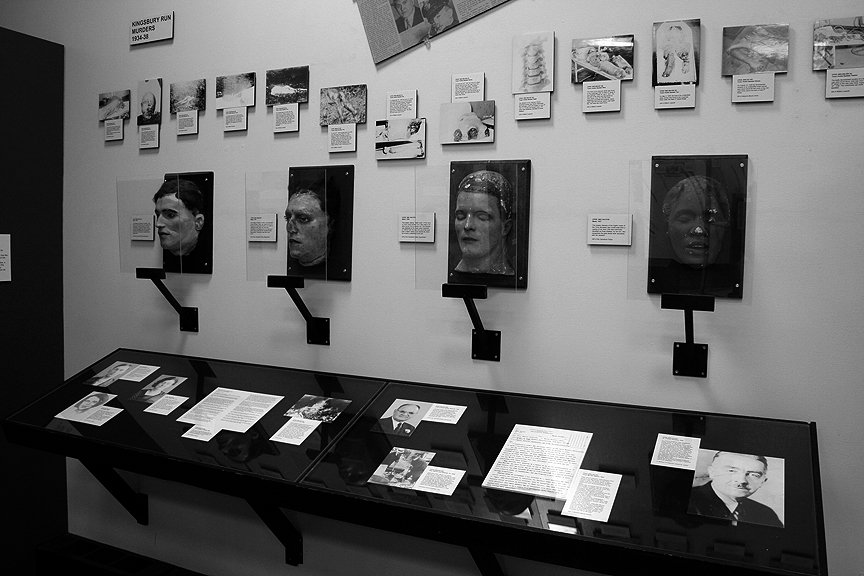
Artifacts, plaster death masks of unidentified victims, and original case notes are permanently preserved at the Cleveland Police Museum, serving as an enduring historical monument to the Depression-era mystery that defied even the untouchable Eliot Ness.
Chronological Case Timeline
| Date / Milestone | Investigative Development | Forensic / Evidentiary Significance |
|---|---|---|
| September 23, 1935 | Edward Andrassy and ‘Straw Hat’ found | Jackass Knoll discovery marks official start of Torso serial killings |
| December 1935 | Eliot Ness appointed Safety Director | Reorganizes Cleveland police and creates dedicated Torso squad |
| January 1936 | Florence Polillo remains discovered | First female victim identified in the Kingsbury Run series |
| June 1936 | Tattooed Man found near railway tracks | Plaster death mask created; exhibited at Great Lakes Exposition |
| August 18, 1938 | Eliot Ness burns Kingsbury Run shantytowns | Massive midnight police raid destroys Hooverville encampments |
| Late 1938 | Dr. Francis Sweeney fails Keeler polygraphs | Ness interrogates prime suspect; Sweeney commits himself to asylum |
| July 1939 | Frank Dolezal dies in county jail | Dubious suspect dies in custody; serial murders remain unsolved |
Frequently Asked Questions: Forensic & Legal Review
Who was the ‘Mad Butcher of Kingsbury Run’?
The Mad Butcher was the unidentified serial killer responsible for decapitating and dismembering at least twelve victims in Cleveland, Ohio, between 1934 and 1938. The killer demonstrated advanced anatomical and surgical skill.
Why did Eliot Ness burn down the Kingsbury Run shantytowns in 1938?
Ness believed the transient shantytowns provided the serial killer with easy victim access and concealment. In August 1938, Ness ordered the eviction of over 300 residents and burned all 70 wooden shacks to eliminate the predator’s hunting grounds.
Why was Dr. Francis Sweeney never charged with the Torso Murders?
Although Dr. Sweeney failed two polygraph tests administered by Leonard Keeler, prosecutors lacked physical evidence, eyewitnesses, and a confession. Additionally, Sweeney was the cousin of a powerful U.S. Congressman, making an uncorroborated indictment politically impossible.
How many victims of the Cleveland Torso Murders were positively identified?
Of the twelve official victims, only two were definitively identified through fingerprints: Edward Andrassy (found in September 1935) and Florence Polillo (found in January 1936). The remaining ten victims remain anonymous to this day.