Executive Case Factsheet
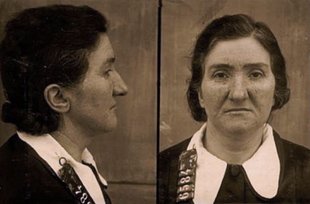
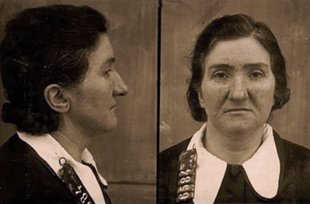
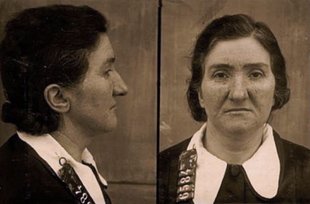
- Perpetrator: Leonarda Cianciulli (“The Soap-Maker of Correggio”, la Saponificatrice di Correggio)
- Active Period: 1939 – 1940 (Arrested late 1940)
- Jurisdiction: Correggio, Province of Reggio Emilia, Kingdom of Italy
- Confirmed Victims: 3 middle-aged women (Faustina Setti, Francesca Soavi, Virginia Cacioppo)
- Modus Operandi: Luring superstitious local women with promises of matrimonial matches, employment, or music careers; drugging with drugged wine; axe bludgeoning; chemical saponification of soft tissues using boiling caustic soda (sodium hydroxide) to produce soap and tea cakes
- Key Forensic Breakthrough: Missing persons report filed by the sister-in-law of opera singer Virginia Cacioppo; recovery of bloodstained cauldron, axes, and victim jewelry from Cianciulli’s kitchen; forensic chemical analysis of soap residue
- Judicial Outcome: Convicted on June 20, 1946 by the Reggio Emilia Court of Assizes; sentenced to 30 years imprisonment and 3 years in a criminal psychiatric asylum; died on October 15, 1970 at Pozzuoli Asylum
The 1940 arrest of Leonarda Cianciulli in the quiet northern Italian town of Correggio exposed one of the most grotesque and superstitious ritual murder cases in criminological history. Convinced that human blood sacrifice was necessary to protect her eldest son from dying in World War II, Cianciulli murdered three neighborhood women, chemically dissolving their bodies with caustic soda to manufacture soap bars and confectionery cakes. Her trial in Reggio Emilia became a landmark in forensic chemical pathology and criminal psychiatric assessment.
Superstition, Maternal Obsession & The Wartime Sacrifice Ruse
Born in Montella, Avellino in 1894, Leonarda Cianciulli experienced a deeply troubled youth, having suffered multiple miscarriages and losing ten of her fourteen children in infancy. Consequently, she developed an intense, protective obsession over her four surviving children. In late 1939, when her eldest and favorite son, Giuseppe Pansardi, was conscripted into the Italian Royal Army on the eve of World War II, Cianciulli fell victim to acute superstitious delusions, believing that only human blood sacrifices could shield him from death on the front lines.
Operating a small neighborhood shop in Correggio, Cianciulli identified three lonely, vulnerable women among her clientele: Faustina Setti, a spinster seeking marriage; Francesca Soavi, an unemployed teacher seeking a school position in Piacenza; and Virginia Cacioppo, a famed former opera soprano seeking a theatrical management post in Florence. Instructing each victim to write letters to relatives claiming they had moved away, Cianciulli invited them to her home for farewell toasts of drugged wine.
Forensic Chemistry: Saponification & Caustic Soda Reactions
Once the victims were incapacitated, Cianciulli struck them with an axe. She then utilized industrial chemical knowledge to dispose of the bodies in her kitchen. She dismembered the corpses with heavy cleavers, placing the biological tissues into a large copper cauldron containing boiling water and seven kilograms of caustic soda (sodium hydroxide / potash).
Through the chemical process of saponification, the alkaline sodium hydroxide reacted with human adipose triglycerides, breaking them down into glycerol and fatty acid salts (soap). Cianciulli poured the viscous saponified mixture into basins to set into bars of soap, which she distributed to neighbors. Furthermore, she dried the victims’ blood in the oven, ground it into powder, and mixed it with flour, sugar, and chocolate to bake tea cakes served to visitors and her son.
The Cacioppo Disappearance & The Carabinieri Raid
The scheme unraveled following the November 1940 murder of Virginia Cacioppo. Cacioppo’s sister-in-law, Albertina Fanti, had witnessed the soprano entering Cianciulli’s house on the day of her disappearance and became highly suspicious when Cacioppo failed to contact her family. Fanti reported her concerns to the Superintendent of Police in Reggio Emilia, who dispatched Carabinieri detectives to investigate.
During the search of Cianciulli’s residence, detectives recovered promissory notes, jewelry, and clothing belonging to Cacioppo, along with the copper cauldron, ladles, and bloodstained axes stored in the kitchen. When Giuseppe Pansardi was detained on suspicion of complicity, Cianciulli broke down and confessed to all three murders, providing exact chemical details to exonerate her son.
The Reggio Emilia Trial & The Criminological Museum
The trial commenced in 1946 before the Reggio Emilia Court of Assizes. Forensic chemical experts and medical pathologists demonstrated that caustic soda saponification was chemically viable, presenting chemical residues extracted from the seized cauldron and soap samples. Court-appointed alienist Professor Filippo Saporito evaluated Cianciulli, diagnosing her with severe hysteria and partial mental defect rooted in obsessive maternal paranoia.
On June 20, 1946, the Court of Assizes convicted Leonarda Cianciulli of triple murder, desecration of corpses, and theft. She was sentenced to 30 years in prison and 3 years in a judicial psychiatric asylum (manicomio criminale). Cianciulli died of cerebral apoplexy on October 15, 1970, at the Pozzuoli Criminal Asylum for Women. Today, the copper cauldron, cutting tools, and forensic evidence from her trial are preserved at the Criminological Museum in Rome.
Chemical Saponification Thermodynamics & Forensic Evidence Recovery
The physical evidence presented during the 1946 Reggio Emilia trial of Leonarda Cianciulli established unprecedented benchmarks for forensic chemical reconstruction in homicides involving corpse destruction. Italian Carabinieri forensic chemists conducted rigorous laboratory experiments to verify Cianciulli’s confession regarding the chemical saponification of human adipose tissue.
Chemists demonstrated that boiling human adipose triglycerides in a 30% concentration of sodium hydroxide (caustic soda) at 100°C breaks ester bonds through alkaline hydrolysis, yielding glycerol and sodium fatty acid salts (soap). Chemical testing of residue scraped from the seized copper cauldron revealed high concentrations of human-specific fatty acid fractions and traces of potassium carbonate. Furthermore, microscopic analysis of ash recovered from the kitchen stove identified calcined dental enamel and bone ash, definitively confirming the physical destruction of human bodies in her domestic hearth.
Psychopathology, Maternal Superstition & The Criminological Museum
The psychological evaluation of Leonarda Cianciulli conducted by Professor Filippo Saporito highlighted the extreme intersection of folklore, maternal trauma, and obsessive-compulsive psychosis. Having lost ten children in infancy, Cianciulli lived under permanent delusional terror, interpreting maternal loss through superstitious curses that she believed could only be nullified by offering human blood sacrifices in exchange for her surviving son’s life during wartime.
The preservation of her copper cauldron, cleavers, and forensic evidence in Rome’s Museum of Criminology has provided generations of forensic scientists, psychologists, and criminologists with an invaluable physical archive of one of history’s most bizarre ritual murder investigations.
Chronological Case Timeline
| Date / Period | Investigative & Legal Milestone |
|---|---|
| November 14, 1894 | Leonarda Cianciulli is born in Montella, Avellino, Italy. |
| 1939 – 1940 | Cianciulli murders three women in Correggio, chemically dissolving them with caustic soda. |
| November 1940 | Disappearance of Virginia Cacioppo prompts Carabinieri investigation in Correggio. |
| Late 1940 | Cianciulli is arrested; copper cauldron, tools, and victim jewelry seized. |
| June 20, 1946 | Reggio Emilia Court of Assizes sentences Cianciulli to 30 years plus 3 years asylum. |
| October 15, 1970 | Cianciulli dies of a stroke at Pozzuoli Asylum at age 75. |
Forensic Evidence Matrix & Criminological Assessment
The 1946 Reggio Emilia trial of Leonarda Cianciulli combined rigorous chemical verification with deep psychiatric inquiry. Key evidential elements include:
- Chemical Saponification Proof: Laboratory experiments by Carabinieri chemists proving that caustic soda breaks human adipose tissue into glycerol and fatty acid soap salts.
- Physical Evidence Seizures: Recovery of the bloodstained copper cauldron, cleavers, victim promissory notes, and clothing from the Correggio residence.
- Criminological Museum Archive: Preservation of the case artifacts in Rome’s Museum of Criminology provides an enduring educational resource for forensic scientists.
The Soap-Maker of Correggio case remains a classic study in the intersection of maternal trauma, superstitious delusion, and forensic chemical analysis.
Related Case Files & Investigative Dossiers
Explore related deep-dive investigations into forensic chemistry, historical serial homicides, and psychiatric criminal trials:
- John George Haigh: The Acid Bath Murders, Forensic Odontology & Pathology
- Javed Iqbal: The Lahore 100 Runaways, Hydrochloric Acid Vats & The December 1999 Confession
- Vera Renczi: The Black Widow of Berkerekul, 35 Zinc Coffins & The Crypt Exhumation
- Ed Gein: The Plainfield Ghoul, Crime Scene Forensics & Insanity Verdict
- Jeffrey Dahmer: The Milwaukee Monster, Forensic Toxicology & Courtroom Verdict
Frequently Asked Questions
Who was Leonarda Cianciulli and why was she called the Soap-Maker of Correggio?
Leonarda Cianciulli was an Italian serial killer who murdered three women in 1939 and 1940 in Correggio, boiling their remains with caustic soda in a cauldron to create bars of soap and confectionery tea cakes.
Why did Leonarda Cianciulli commit the murders?
Cianciulli suffered from superstitious delusions, believing that human blood sacrifice was necessary to protect her eldest son from dying while fighting in the Italian army during World War II.
Where is the physical evidence from the Cianciulli case kept today?
The copper cauldron, axes, ladles, and trial artifacts are preserved on display at the Museum of Criminology (Museo Criminologico) in Rome, Italy.
{
“@context”: “https://schema.org”,
“@type”: “FAQPage”,
“mainEntity”: [
{
“@type”: “Question”,
“name”: “Who was Leonarda Cianciulli and why was she called the Soap-Maker of Correggio?”,
“acceptedAnswer”: {
“@type”: “Answer”,
“text”: “Leonarda Cianciulli was an Italian serial killer who murdered three women in 1939 and 1940 in Correggio, boiling their remains with caustic soda in a cauldron to create bars of soap and confectionery tea cakes.”
}
},
{
“@type”: “Question”,
“name”: “Why did Leonarda Cianciulli commit the murders?”,
“acceptedAnswer”: {
“@type”: “Answer”,
“text”: “Cianciulli suffered from superstitious delusions, believing that human blood sacrifice was necessary to protect her eldest son from dying while fighting in the Italian army during World War II.”
}
},
{
“@type”: “Question”,
“name”: “Where is the physical evidence from the Cianciulli case kept today?”,
“acceptedAnswer”: {
“@type”: “Answer”,
“text”: “The copper cauldron, axes, ladles, and trial artifacts are preserved on display at the Museum of Criminology (Museo Criminologico) in Rome, Italy.”
}
}
]
}