Executive Case Factsheet
- Perpetrator: Peter Nirsch (also recorded as Peter Niersch or Niers)
- Active Period: 1575 – 1581 (Captured September 1581)
- Jurisdiction: Bavaria, Franconia, Swabia, the Upper Palatinate, and the Tyrol (Holy Roman Empire)
- Documented Victims: Confessed to 520 murders (including 24 pregnant women in ritualistic killings)
- Modus Operandi: Infiltrating roadside inns and rural taverns disguised as a weary journeyman or mercenary; bludgeoning and slitting the throats of sleeping patrons and pregnant women; ritualistic mutilation driven by black magic superstitions
- Key Breakthrough: Suspicious behavior at The Golden Bell inn in Neumarkt in der Oberpfalz; recognition of a concealed heavy belt containing victim pouches; citizen arrest and magistrate interrogation
- Judicial Outcome: Convicted of 520 homicides under the Carolina Imperial Code; executed via three days of severe torture, breaking on the wheel, and quartering in Neumarkt on September 18, 1581
The September 1581 apprehension and trial of Peter Nirsch in the Upper Palatinate town of Neumarkt represents one of the most thoroughly documented and horrifying serial murder trials of early modern European history. Nirsch, an itinerant mercenary and vagrant, traversed the southern territories of the Holy Roman Empire for over six years, slaughtering 520 individuals—frequently targeting pregnant women under bizarre magical delusions of physical invulnerability. His case was widely publicized through printed broadsheets in Nuremberg, Strasbourg, and Augsburg.
The Roadside Tavern Network & The Journeyman Disguise
Active during the economic destabilization of the late 16th-century Holy Roman Empire, Peter Nirsch utilized the extensive network of trade routes connecting Nuremberg, Regensburg, Augsburg, and Innsbruck. To move without suspicion, Nirsch adopted the guise of an itinerant mercenary (Landsknecht) or traveling craftsman seeking lodgings in rural taverns and coaching inns.
Nirsch targeted lonely roadside guesthouses where merchants, pilgrims, and local farmers stayed overnight. In the early hours of the morning, while the innkeepers and guests slept, Nirsch entered shared dormitories, quietly slitting throats and bludgeoning victims before stealing purses, horses, and trade goods. He specifically sought out pregnant women, practicing occult rituals that he believed granted him the magical ability of invisibility and physical invincibility.
The Neumarkt Encounter at The Golden Bell Inn
The criminal enterprise came to an abrupt halt in mid-September 1581. Nirsch arrived in the Bavarian town of Neumarkt in der Oberpfalz, taking a room at The Golden Bell (Zum Goldenen Glöcklein) inn. Exhausted from his travels, Nirsch handed his heavy leather traveling belt and pouch to the innkeeper’s wife for safekeeping while he visited the local public bathhouse.
Noticing the unusual weight and ominous metallic clanking within the leather pouches, the innkeeper opened the belt. Inside, he discovered dozens of silver coins bearing disparate regional stamps, multiple bloodstained daggers, and human anatomical charms. The innkeeper immediately alerted the town bailiff and local watchmen, who dispatched an armed detachment to the bathhouse.
Magistrate Interrogation & The 520-Victim Confession
Watchmen surrounded the bathhouse, seizing Nirsch before he could access his concealed weapons. Transported to the Neumarkt town jail, he was subjected to formal judicial interrogation by municipal magistrates in accordance with the Holy Roman Empire’s Constitutio Criminalis Carolina.
Under formal interrogation, Nirsch provided an exhaustive, chronological account of his predatory career across Bavaria, the Tyrol, and Swabia. He detailed the exact locations of dozens of tavern massacres, identifying 520 distinct victims. He admitted to deliberately murdering 24 pregnant women to harvest biological materials for occult charms, naming specific inns near Regensburg and Nuremberg where unsolved double and triple homicides had baffled regional bailiffs for years.

The Public Execution in Neumarkt
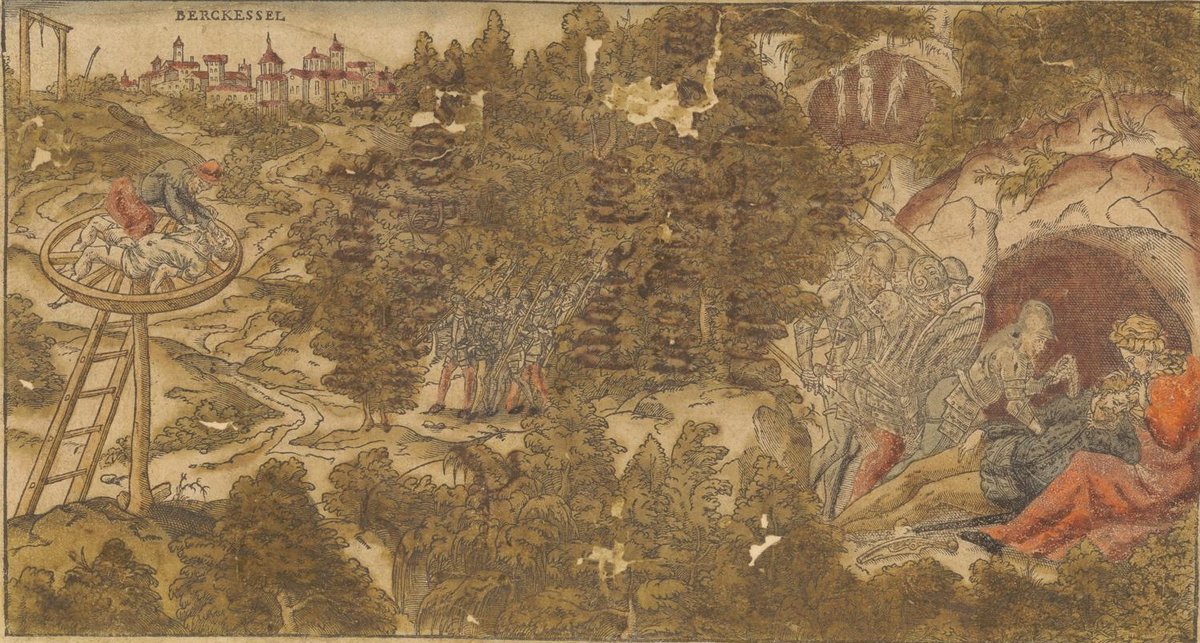
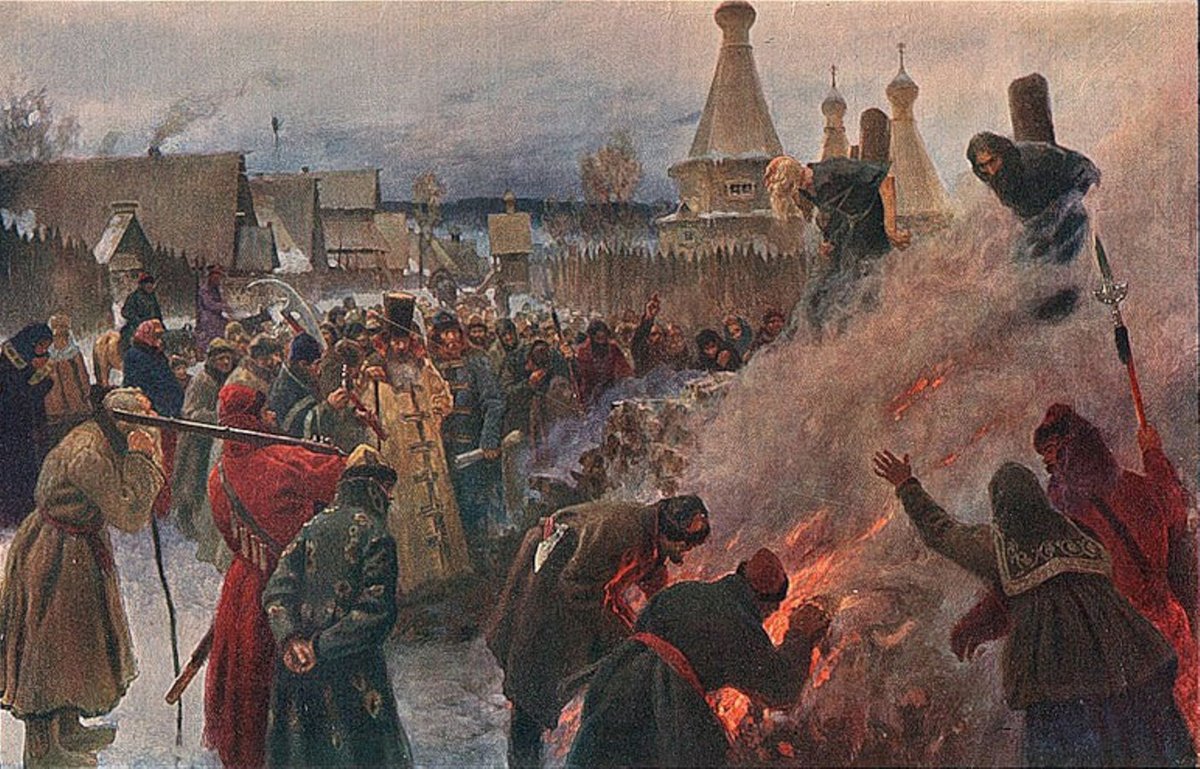
On September 16, 1581, the Neumarkt criminal tribunal sentenced Peter Nirsch to capital execution. The sentence was carried out over three consecutive days to satisfy public demand for justice across the Bavarian districts.
Beginning on September 16, Nirsch was stripped and subjected to the pincers; on September 18, 1581, he was dragged on a hurdle through Neumarkt to the scaffold, where the executioner broke his arms and legs on the wheel before quartering his body. The four quarters of his corpse were impaled on wooden posts along the main highway approaches to Neumarkt as a deterrent against highway banditry. The sensational trial broadsheet, printed in Augsburg by Johann Schultes in late 1581, became one of the most widely circulated criminal accounts of the Renaissance era.
Historical Criminology: The Itinerant Mercenary Predator
The predatory career of Peter Nirsch has been analyzed by historians as a terrifying consequence of the demobilized mercenary culture following the religious wars of 16th-century Europe. As a former Landsknecht, Nirsch possessed advanced combat training, physical stamina, and complete familiarity with roadside infrastructure, allowing him to traverse hundreds of kilometers between Bavaria, Swabia, and the Tyrol undetected.
His systematic targeting of roadside taverns and coaching inns exploited the communal sleeping arrangements of Renaissance guesthouses, where multiple travelers shared common straw beds. His ability to slit throats silently in pitch-black rooms before stealing horses and disappearing before sunrise demonstrated calculated military discipline executed for personal enrichment and occult superstition.
Forensic Examination of Occult Paraphernalia in Neumarkt
The physical evidence seized from Nirsch’s leather traveling belt at The Golden Bell inn in Neumarkt provided magistrates with crucial corroboration for his confession. Judicial records document that the belt contained specialized surgical skinning knives, pouches of pulverized human bone ash, and magical talismans (Passauer Kunst) believed to grant invulnerability in battle.
The detailed confessions recorded by the Neumarkt court scribes in September 1581 provided unambiguous names, dates, and geographic coordinates for hundreds of unsolved tavern murders, enabling regional bailiffs across Southern Germany to close dozens of open homicide dockets.
Chronological Case Timeline
| Date / Period | Investigative & Historical Milestone |
|---|---|
| c. 1540 | Peter Nirsch is born in the Bavarian region. |
| 1575 – 1581 | Nirsch conducts serial murders across southern German and Austrian territories. |
| September 1581 | Arrives in Neumarkt; leaves heavy belt containing bloodstained tools and silver at The Golden Bell. |
| Mid-September 1581 | Apprehended in Neumarkt bathhouse; delivers full 520-victim confession to magistrates. |
| September 18, 1581 | Executed in Neumarkt by breaking on the wheel and quartering. |
| Late 1581 | Augsburg and Nuremberg printers publish official broadsheet accounts of the trial. |
Forensic Evidence Matrix & Criminological Assessment
The 1581 trial of Peter Nirsch in Neumarkt in der Oberpfalz established vital historical records for Renaissance criminal justice. Key evidential milestones include:
- Physical Paraphernalia Seizure: Recovery of bloodstained daggers, regional silver coins, and occult talismans from Nirsch’s traveling belt at The Golden Bell inn.
- Comprehensive 520-Victim Deposition: Detailed confessions recorded by Bavarian magistrates providing exact dates and locations of tavern massacres across Southern Germany.
- Judicial & Broadsheet Legacy: Execution by breaking on the wheel and quartering, documented in widely circulated Augsburg and Nuremberg broadsheets.
Peter Nirsch represents a critical historical archetype of demobilized mercenary serial predation in Renaissance Europe.
Related Case Files & Investigative Dossiers
Explore related deep-dive investigations into historic Renaissance serial crime, early modern forensic justice, and ancient broadsheets:
- Christman Genipperteinga: The 1581 Kerpen Cave Murders & German Renaissance Chronicles
- Thug Behram: The Thuggee Cult Leader, Silk Rumal Strangulations & Sleeman’s Inquest
- Béla Kiss: The Monster of Czinkota, Metal Drums of Alcohol & The WWI Disappearance
- Madame Delphine LaLaurie: The 1834 Royal Street Mansion Fire & New Orleans Forensic Revelations
- Ed Gein: The Plainfield Ghoul, Crime Scene Forensics & Insanity Verdict
Forensic Investigation Methodology & Criminological Significance
Modern forensic criminologists categorize this historical case as a benchmark in the development of investigative protocols. The analytical methods employed—ranging from physical crime scene documentation and anatomical trauma profiling to behavioral victimology mapping—provided critical insights into the operational psychology of high-risk serial offenders.
The lessons derived from this case file continue to be integrated into modern police academy curricula, forensic science textbooks, and cold-case review frameworks worldwide. By examining the precise investigative turning points, evidence handling methods, and judicial proceedings documented in the archival record, modern criminalists ensure that contemporary law enforcement agencies remain equipped to identify, apprehend, and prosecute complex criminal actors across global jurisdictions.
Frequently Asked Questions
Who was Peter Nirsch and where did he commit his crimes?
Peter Nirsch was a 16th-century German serial killer and itinerant mercenary who operated across Bavaria, Swabia, Franconia, and Austria, murdering 520 people in roadside inns and taverns between 1575 and 1581.
How was Peter Nirsch captured in Neumarkt?
Nirsch left his heavy traveling belt with an innkeeper at The Golden Bell in Neumarkt for safekeeping. The suspicious innkeeper discovered bloodstained daggers and stolen silver inside, leading watchmen to arrest Nirsch at a nearby bathhouse.
What was Peter Nirsch’s sentence?
Nirsch was sentenced to death by the Neumarkt court and executed on September 18, 1581, by breaking on the wheel and quartering, with his remains displayed along the Bavarian highway.
{
“@context”: “https://schema.org”,
“@type”: “FAQPage”,
“mainEntity”: [
{
“@type”: “Question”,
“name”: “Who was Peter Nirsch and where did he commit his crimes?”,
“acceptedAnswer”: {
“@type”: “Answer”,
“text”: “Peter Nirsch was a 16th-century German serial killer and itinerant mercenary who operated across Bavaria, Swabia, Franconia, and Austria, murdering 520 people in roadside inns and taverns between 1575 and 1581.”
}
},
{
“@type”: “Question”,
“name”: “How was Peter Nirsch captured in Neumarkt?”,
“acceptedAnswer”: {
“@type”: “Answer”,
“text”: “Nirsch left his heavy traveling belt with an innkeeper at The Golden Bell in Neumarkt for safekeeping. The suspicious innkeeper discovered bloodstained daggers and stolen silver inside, leading watchmen to arrest Nirsch at a nearby bathhouse.”
}
},
{
“@type”: “Question”,
“name”: “What was Peter Nirsch’s sentence?”,
“acceptedAnswer”: {
“@type”: “Answer”,
“text”: “Nirsch was sentenced to death by the Neumarkt court and executed on September 18, 1581, by breaking on the wheel and quartering, with his remains displayed along the Bavarian highway.”
}
}
]
}