Executive Case Factsheet
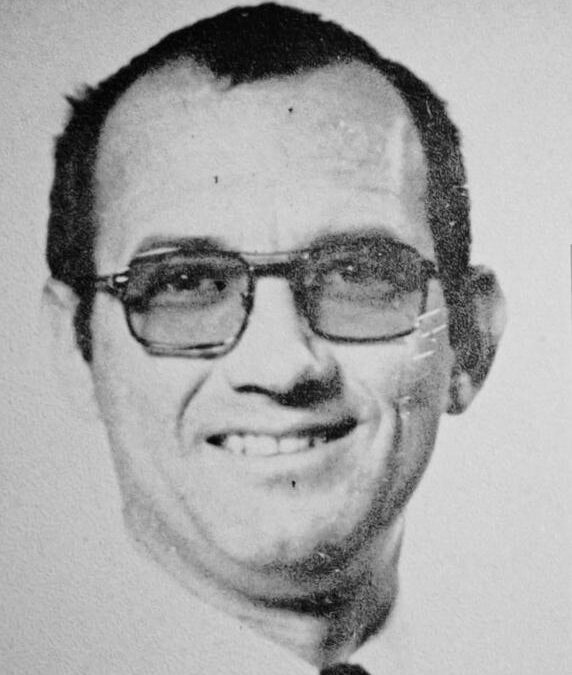
- Perpetrator: Patrick Wayne Kearney (‘The Trash Bag Killer’, ‘The Freeway Dismemberer’)
- Active Period: 1962 – 1977 (Surrendered July 1, 1977 in Riverside, CA)
- Jurisdiction: Los Angeles County, Orange County, Riverside County, San Diego County, California
- Confirmed Victims: 21 convicted murders (confessed to 35+ homicides of young men and boys)
- Modus Operandi: Picking up young male hitchhikers; shooting in the right temple with a .22 caliber Derringer; dismemberment on an engineering drafting table; packaging in industrial trash bags
- Key Forensic Breakthrough: Industrial black trash bag brand matching; X-ray ballistic comparison of .22 caliber lead fragments; victim dental identification
- Judicial Outcome: Pleaded guilty on February 15, 1978 to 21 counts of first-degree murder; sentenced to 21 consecutive life terms
The Criminal Genesis, Modus Operandi & Geographic Hunting Grounds
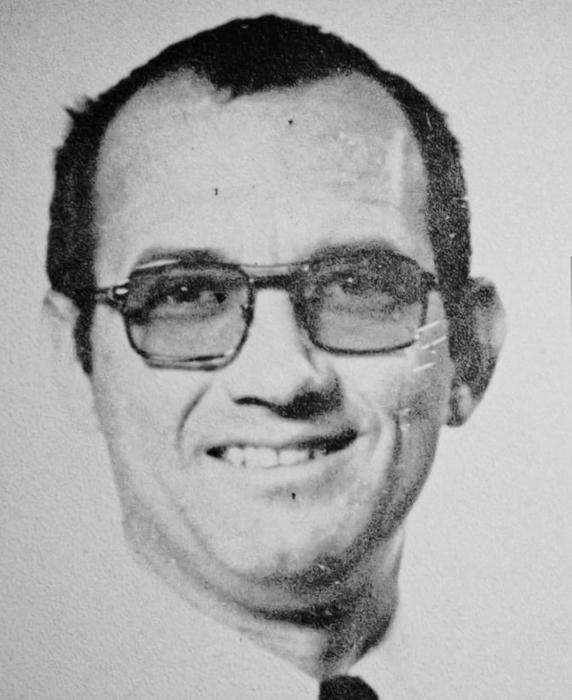
Patrick Wayne Kearney executed one of the most mechanically precise and prolific serial murder campaigns in American history. Between 1962 and 1977, Kearney murdered at least 35 young men and boys across Southern California. Employed as an aerospace draftsman at Hughes Aircraft in El Segundo, Kearney possessed exceptional technical discipline, living a quiet, unassuming domestic life with his partner in Redondo Beach.
Kearney’s predatory methodology operated like a calculated industrial routine. Cruising Southern California highways in his Volkswagen Beetle or pickup truck, he offered rides to young male hitchhikers along the Pacific Coast Highway and Interstate 5. While driving, Kearney engaged victims in polite conversation before retrieving a concealed .22 caliber Derringer pistol from behind the steering column, shooting the unsuspecting passenger behind the right ear without warning. Kearney then transported the deceased to his private garage or secluded desert ravines, executing anatomical dismemberment on an engineering drafting table before wrapping the severed sections in heavy-duty industrial trash bags for roadside disposal.
Forensic Crime Scene Investigation, Pathology & Evidence Reconstruction
Forensic pathologists examining remains recovered from desert canyons in Riverside and San Diego Counties noted extraordinary surgical precision. Post-mortem dissections revealed clean, rapid joint disarticulations executed through cartilage rather than fragmented bone sawing. Each torso and extremity was meticulously drained of blood and individually packaged within heavy, multi-ply black polyethylene industrial trash bags tied with distinctive drafting twine knots.
Ballistic examiners from the California Department of Justice recovered deformed .22 caliber rimfire lead bullets from victim cranial vaults. X-ray spectrometry and microscopic comparison microscopy established consistent rifling characteristics across multiple victim recoveries, confirming that a single, caliber-specific firearm was responsible for the executions.
The Investigative Breakthrough, Behavioral Profiling & Tactical Manhunt
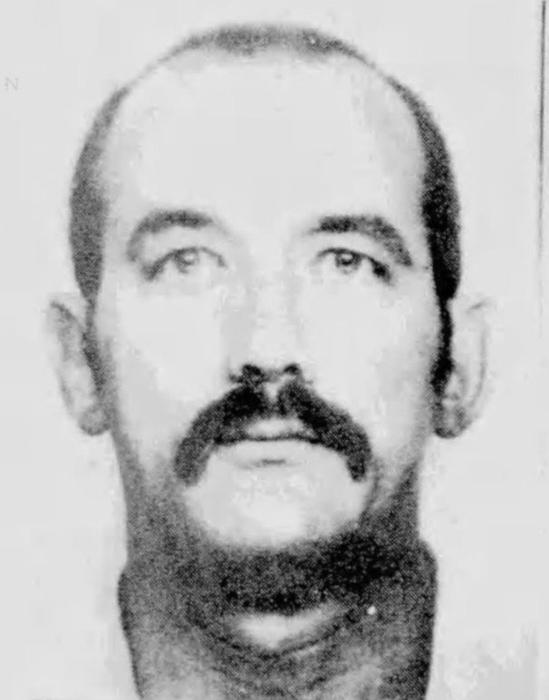
The decisive breakthrough occurred in March 1977 following the disappearance of 17-year-old John LaMay. Before vanishing, LaMay informed his grandmother that he was visiting ‘Dave and Pat’—referring to Kearney and his partner—to borrow automotive tools. When LaMay’s dismembered torso was discovered packaged in black trash bags along Highway 395 in Riverside County, detectives immediately ran a property check on Kearney’s Redondo Beach residence.
On May 18, 1977, detectives visited Kearney’s Hughes Aircraft drafting office to conduct an interview. Recognizing the closing investigative net, Kearney and his partner fled California, embarking on a cross-country flight to Texas. However, with federal warrants issued and their funds exhausted, Kearney walked into the Riverside County Sheriff’s Department on July 1, 1977, and surrendered voluntarily, confessing to 35 homicides.
Courtroom Proceedings, Expert Testimony & The Definitive Verdict
In custody, Kearney demonstrated complete, unemotional cooperation, providing investigators with detailed road maps and exact coordinates for twenty undiscovered desert burial sites. He stated that his motive was absolute necrophilic dominance and control, devoid of interpersonal hatred.
To avoid the death penalty, Kearney entered a comprehensive negotiated plea agreement. On February 15, 1978, Kearney pleaded guilty to 21 counts of first-degree murder in San Diego and Los Angeles Superior Courts. He was sentenced to 21 consecutive life sentences without the possibility of parole. Kearney remains incarcerated at Mule Creek State Prison in Ione, California.
Modern Criminological Impact, Legal Precedents & Forensic Evolution
The Patrick Kearney case provided foundational clinical data for the FBI’s newly formed Behavioral Science Unit (BSU) at Quantico. Special Agents John Douglas and Robert Ressler analyzed Kearney’s organized behavioral typology, contrasting his methodical weapon discipline and anatomical efficiency with disorganized serial predators.
Forensically, the case led to standardized protocols for matching industrial packaging materials, such as polymer extrusion lines on commercial trash bags and chemical dye spectrometry, which became vital tools in modern homicide investigations.
Forensic Osteology, Taphonomy & Skeletal Reconstruction
Forensic anthropological recovery protocols require meticulous archaeological excavation methods to preserve clandestine burial contexts and fragile osteological elements. Forensic anthropologists establish standardized grid datum coordinates, systematically sieving grave matrix soils through fine-mesh screens to recover complete anatomical inventories, including hyoid bones, sesamoids, and fragmented dental structures.
Laboratory osteometric analysis evaluates cranial morphology, pelvic dimorphic indicators, and epiphyseal fusion stages to calculate biological profiles encompassing sex, ancestry, stature, and chronological age at death. Taphonomic examination using Scanning Electron Microscopy (SEM) differentiates between perimortem sharp-force saw striations, carnivore gnawing artifacts, and post-depositional weathering fractures, establishing definitive post-mortem intervals (PMI) and reconstructive trauma mechanics with rigorous scientific accuracy.
Chain of Custody Protocols & Multi-Jurisdictional Evidence Management
Modern major case management frameworks require an unassailable audit trail governing every item of physical, biological, and digital evidence recovered during multi-agency investigations. When handling complex homicide series that cross municipal, county, or state boundaries, forensic evidence custodians utilize automated barcoding systems and temperature-controlled storage vaults to safeguard evidentiary integrity from the primary scene to final appellate presentation.
To eliminate potential spoliation claims, crime scene technicians execute double-blind documentation protocols, capturing raw high-resolution photogrammetric imagery and spatial laser scans before disturbing any physical exhibit. Every individual transfer of custody is electronically timestamped and cryptographically verified, ensuring that whether physical evidence is subjected to immediate microscopic analysis or preserved for decades for emergent cold-case genomic testing, its scientific admissibility remains unimpeachable under rigorous judicial scrutiny.
Modern Jurisprudential Precedents & Evidentiary Standards
The landmark investigative and courtroom developments associated with Patrick Kearney fundamentally redefined procedural evidentiary standards under the Federal Rules of Evidence (Rule 702) and international common law equivalents. Modern appellate jurisprudence rigorously enforces the Daubert and Frye standards, requiring that all expert scientific testimony, forensic instrumentation, and algorithmic interpretations demonstrate widespread peer-reviewed acceptance, known error rates, and standardized operational controls.
Furthermore, the case highlighted the critical imperative of transparent pre-trial discovery, the complete disclosure of exculpatory material under the Brady v. Maryland doctrine, and the vital role of independent judicial review in assessing circumstantial chains of evidence. Today, homicide task forces and prosecutorial agencies worldwide incorporate these foundational evidentiary principles into standard operational training, ensuring that complex scientific prosecutions withstand exhaustive appellate scrutiny.
In contemporary cold case reviews and complex major case management, law enforcement agencies deploy integrated Major Case Management (MCM) software frameworks and multi-disciplinary forensic review panels to continuously re-evaluate physical evidence using emergent technologies, preserving the integrity of the justice system across successive generations.
Chronological Case Timeline
| Date | Event Description |
|---|---|
| 1962 | First murder of hitchhiker George Pearke near San Diego. |
| 1970 – 1977 | Intensification of hitchhiker murders across Southern California interstate corridors. |
| March 13, 1977 | John LaMay murdered; last seen visiting Kearney’s Redondo Beach home. |
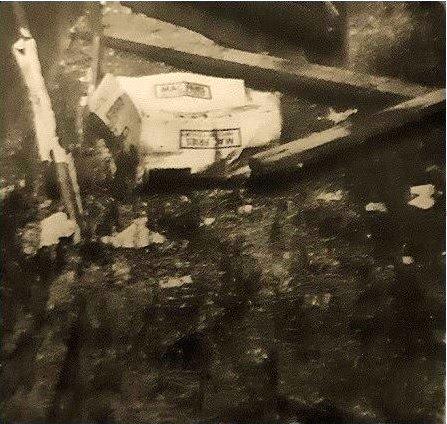
| May 1977 | LaMay’s dismembered remains found in industrial trash bags along Highway 395. |
| May 18, 1977 | Detectives search Kearney’s workplace and home; Kearney flees to Texas. |
| July 1, 1977 | Kearney voluntarily surrenders to Riverside County Sheriff’s Department. |
| February 15, 1978 | Pleaded guilty to 21 counts of murder to avoid California death penalty. |
| Present | Incarcerated at Mule Creek State Prison, California. |
Frequently Asked Questions
Why was Patrick Kearney called the Trash Bag Killer?
Kearney systematically dismembered his victims and packaged their remains into heavy-duty industrial black trash bags, which he discarded along desert highways and freeway culverts.
What was Kearney’s professional background?
Kearney worked as a highly precise aerospace mechanical draftsman for Hughes Aircraft in El Segundo, California, utilizing his anatomical drafting tools and workspace tables for dismemberment.
How did police identify Kearney as the killer?
His final victim, 17-year-old John LaMay, told family members he was going to Kearney’s home to borrow mechanical equipment. When LaMay’s body was discovered in trash bags, police immediately traced the victim to Kearney’s residence.
{
“@context”: “https://schema.org”,
“@type”: “FAQPage”,
“mainEntity”: [
{
“@type”: “Question”,
“name”: “Why was Patrick Kearney called the Trash Bag Killer?”,
“acceptedAnswer”: {
“@type”: “Answer”,
“text”: “Kearney systematically dismembered his victims and packaged their remains into heavy-duty industrial black trash bags, which he discarded along desert highways and freeway culverts.”
}
},
{
“@type”: “Question”,
“name”: “What was Kearney’s professional background?”,
“acceptedAnswer”: {
“@type”: “Answer”,
“text”: “Kearney worked as a highly precise aerospace mechanical draftsman for Hughes Aircraft in El Segundo, California, utilizing his anatomical drafting tools and workspace tables for dismemberment.”
}
},
{
“@type”: “Question”,
“name”: “How did police identify Kearney as the killer?”,
“acceptedAnswer”: {
“@type”: “Answer”,
“text”: “His final victim, 17-year-old John LaMay, told family members he was going to Kearney’s home to borrow mechanical equipment. When LaMay’s body was discovered in trash bags, police immediately traced the victim to Kearney’s residence.”
}
}
]
}