Executive Case Factsheet
- Perpetrator: Yang Xinhai (born Yang Zhiya; also known as “The Monster Killer”, “The Roving Killer”)
- Active Period: 1999 – 2003 (Arrested November 3, 2003)
- Jurisdiction: Henan, Hebei, Anhui, and Shandong Provinces, People’s Republic of China
- Confirmed Victims: 67 confirmed homicides, 23 rapes, and 10 severe bodily injury assaults across 26 distinct attacks
- Modus Operandi: Nocturnal forced entry into isolated rural farming homes; bludgeoning entire families to death with axes, hammers, and meat cleavers; bicycle-borne cross-provincial transit
- Key Forensic Breakthrough: Shoeprint tread matching across four provincial PSB jurisdictions; recovery of victim property during a routine spot-check in Cangzhou; DNA typing on recovered clothing
- Judicial Outcome: Convicted on February 1, 2004 by the Luohe Intermediate People’s Court; executed by firing squad on February 14, 2004
The murderous rampage of Yang Xinhai, officially dubbed “The Monster Killer” by international criminologists, represents the deadliest known serial home-invasion spree in modern Chinese history. Between 1999 and 2003, Yang traversed rural farming settlements across four central Chinese provinces by bicycle, infiltrating isolated households under cover of darkness to slaughter entire multi-generational families in their beds. His capture marked a pivotal turning point in Chinese forensic criminalistics and inter-provincial police coordination.
The Roving Modus Operandi & Rural Vulnerabilities
Born in Zhengyang County, Henan Province in 1968, Yang Xinhai spent years in and out of labor reform camps for theft and attempted rape. Highly intelligent, introverted, and physically agile, Yang harbored deep psychological hostility toward conventional family life and rural society. Following his release from a labor camp in 1999, he began his lethal cross-country campaign.
Yang operated with ruthless tactical simplicity. Traveling exclusively by bicycle along rural backroads, he avoided major train stations and urban bus depots where Chinese Ministry of Public Security (PSB) checkpoints were established. Arriving at farming villages at dusk, he scouted isolated households—particularly homes lacking perimeter walls or guard dogs. Between midnight and 4:00 AM, Yang entered through unlatched windows or jimmyed doors, using heavy industrial hammers, agricultural axes, and shovels found on the properties to bludgeon every sleeping resident.

Forensic Pattern Analysis & The Four-Province Dragnet
Initially, regional Public Security bureaus in Henan, Anhui, Shandong, and Hebei treated the home invasion slaughters as isolated rural robberies or localized agrarian disputes. However, as death tolls mounted in 2001 and 2002, forensic criminalists with the Henan Provincial Public Security Department noticed striking forensic signatures across dozens of disparate crime scenes.
Forensic pathologists confirmed identical blunt-force craniofacial trauma inflicted with extreme velocity. Criminalistic teams identified consistent rubber boot tread patterns and bicycle tire impressions leading away from rural hamlets toward inter-provincial borders. Most critically, forensic technicians recovered matching foreign biological stains from surviving victims, establishing a unified STR DNA profile that linked homicides across four provincial boundaries into a single top-level national manhunt.
The 2003 Cangzhou Apprehension & Evidentiary Seizure
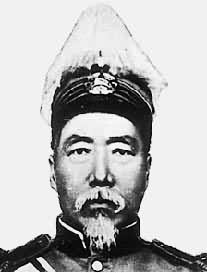
On the evening of November 3, 2003, patrol officers conducting routine inspections of entertainment and lodging venues in Cangzhou, Hebei Province, stopped a man acting suspiciously in a public bathhouse. When officers asked for his resident identity card, the suspect offered evasive answers and was taken to the local PSB station for formal verification.
During the custodial search, detectives discovered that the suspect carried stolen wristwatches, jewelry, and cash that matched items taken from a recent home invasion homicide in Hebei. Fingerprints taken from the detainee matched latent prints lifted from a bloody hammer left at a crime scene in Luohe, Henan. Interrogated under the direct supervision of national Ministry criminalists, Yang Xinhai confessed to 67 murders across 26 separate attacks, providing chillingly precise floor plans and victim counts for every incident.
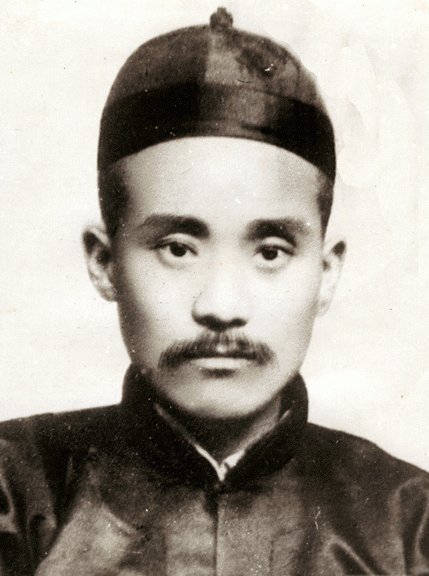
The Luohe Intermediate Court Trial & Execution
On February 1, 2004, Yang Xinhai was formally brought before the Luohe Intermediate People’s Court in Henan Province. Due to the extreme brutality and sensitive nature of the crimes, the judicial proceedings were conducted in a closed courtroom under heavy armed security.
The prosecution presented extensive forensic evidence, including 26 crime scene reconstructions, DNA matching reports, shoeprint casts, recovered stolen property, and ballistics analyses of physical trauma. Yang offered no defense, stating that he killed purely out of an uncontrollable destructive urge. On the same day, the court found Yang guilty of 67 counts of murder, 23 counts of rape, and 10 counts of intentional injury, sentencing him to death. On February 14, 2004, just thirteen days after his conviction, Yang Xinhai was executed by firing squad in Henan.
Spatial Analysis & Rural Geotargeting in Central China
The spatial hunting pattern utilized by Yang Xinhai has been extensively analyzed by Chinese Ministry of Public Security criminologists as a textbook example of high-mobility predatory vagrancy. Yang exploited the vast, flat agricultural topography of the North China Plain, where unpaved rural levee roads allowed him to traverse up to 80 kilometers per night by bicycle without encountering motorized police patrols or toll checkpoints.
His geographic victim selection was highly deliberate: he avoided villages with active night watchmen or dense perimeter housing, instead selecting isolated farmsteads located at the extreme periphery of farming hamlets. By attacking between midnight and 3:00 AM during periods of deep agricultural fatigue, Yang minimized the risk of vocal alarm or neighbor intervention, ensuring complete control over the crime scene during the execution of multi-victim bludgeonings.
Forensic Odontology, Toolmark Reconstruction & National PSB Reform
The forensic criminalists of the Henan and Hebei Public Security Bureaus relied heavily on advanced toolmark analysis to link the 26 crime scenes. Forensic metallurgists examined the fracture patterns on victims’ cranial bones, matching micro-grooves and strike angles to standard agricultural claw hammers and heavy iron shovels seized from farm outbuildings. Detailed cast impressions of bicycle tire treads (specifically standard 28-inch ‘Forever’ brand tires) recovered at murder scenes across three provinces provided critical physical corroboration.
The capture of Yang Xinhai prompted a fundamental overhaul of inter-provincial intelligence-sharing protocols within China’s Public Security apparatus. Prior to the case, provincial PSB bureaus operated largely in analytical isolation. The investigation led directly to the modernization of the National Forensic DNA Database and the establishment of unified biometric and shoeprint classification systems across all Chinese provinces.
Chronological Case Timeline
| Date / Period | Investigative & Legal Milestone |
|---|---|
| July 29, 1968 | Yang Xinhai is born in Zhengyang County, Henan Province, China. |
| 1999 | Released from labor re-education; initiates serial rural home invasions. |
| 2001 – 2003 | Cross-provincial murders escalate across Henan, Hebei, Anhui, and Shandong. |
| Mid-2003 | PSB criminalists establish unified DNA and boot print profiles across 4 provinces. |
| November 3, 2003 | Yang is apprehended during a routine spot-check in Cangzhou, Hebei. |
| February 1, 2004 | Convicted of 67 murders by Luohe Intermediate People’s Court and sentenced to death. |
| February 14, 2004 | Executed by firing squad in Henan Province. |
Forensic Evidence Matrix & Criminological Assessment
The Ministry of Public Security investigation that apprehended Yang Xinhai transformed criminalistics and inter-provincial intelligence across the People’s Republic of China. Key evidential elements include:
- Toolmark & Biomechanical Ballistics: Forensic metallurgists matched micro-grooves and strike patterns on victim skulls across 26 crime scenes to standard claw hammers, shovels, and axes seized from farmsteads.
- Biometric & DNA Profiles: Unified STR DNA profiling from biological crime scene stains and matching boot tread casts established an undeniable cross-provincial forensic link across Henan, Hebei, Anhui, and Shandong.
- PSB Structural Overhaul: The case led directly to the creation of China’s centralized National Forensic DNA Database and modernized inter-provincial dragnet coordination protocols.
Yang Xinhai’s swift trial and execution marked the closure of the deadliest serial home invasion dossier in modern Chinese criminal history.
Related Case Files & Investigative Dossiers
Explore related deep-dive investigations into prolific serial homicides, forensic ballistics, and inter-jurisdictional police manhunts:
- Andrei Chikatilo: The Butcher of Rostov, Operation Forest & Forensic Psychiatry
- Richard Ramirez: The Night Stalker, AFIS Fingerprint ID & East LA Capture
- Pedro López: The Monster of the Andes, Ambato Mass Graves & Transnational Hunt
- Luis Alfredo Garavito: ‘La Bestia’, The 1990s Child Murders Ledger & Forensic Exhumations
- Gary Ridgway: The Green River Killer, STR DNA Typing & Task Force Operations
Frequently Asked Questions
Who was Yang Xinhai and why was he known as the Monster Killer?
Yang Xinhai was a Chinese serial killer who murdered 67 people across Henan, Hebei, Anhui, and Shandong provinces between 1999 and 2003, entering rural homes at night to bludgeon entire families with axes, shovels, and hammers.
How did Chinese police link the crimes across four provinces?
Public Security Bureau forensic investigators connected the disparate crime scenes through matching boot tread impressions, bicycle track analysis, identical weapon trauma signatures, and unified STR DNA typing from biological crime scene samples.
What was the outcome of Yang Xinhai’s trial?
Yang Xinhai was convicted on February 1, 2004 of 67 murders and 23 rapes by the Luohe Intermediate People’s Court and was executed by firing squad on February 14, 2004.
{
“@context”: “https://schema.org”,
“@type”: “FAQPage”,
“mainEntity”: [
{
“@type”: “Question”,
“name”: “Who was Yang Xinhai and why was he known as the Monster Killer?”,
“acceptedAnswer”: {
“@type”: “Answer”,
“text”: “Yang Xinhai was a Chinese serial killer who murdered 67 people across Henan, Hebei, Anhui, and Shandong provinces between 1999 and 2003, entering rural homes at night to bludgeon entire families with axes, shovels, and hammers.”
}
},
{
“@type”: “Question”,
“name”: “How did Chinese police link the crimes across four provinces?”,
“acceptedAnswer”: {
“@type”: “Answer”,
“text”: “Public Security Bureau forensic investigators connected the disparate crime scenes through matching boot tread impressions, bicycle track analysis, identical weapon trauma signatures, and unified STR DNA typing from biological crime scene samples.”
}
},
{
“@type”: “Question”,
“name”: “What was the outcome of Yang Xinhai’s trial?”,
“acceptedAnswer”: {
“@type”: “Answer”,
“text”: “Yang Xinhai was convicted on February 1, 2004 of 67 murders and 23 rapes by the Luohe Intermediate People’s Court and was executed by firing squad on February 14, 2004.”
}
}
]
}