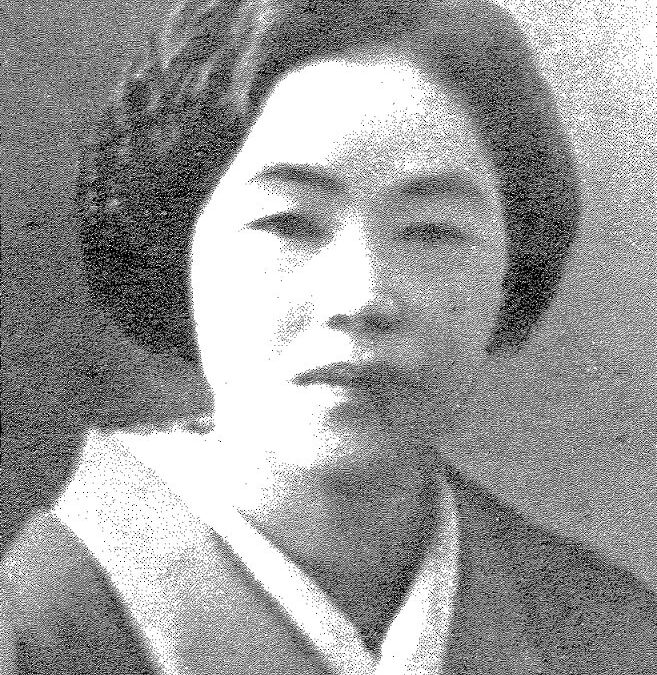
Executive Case Factsheet
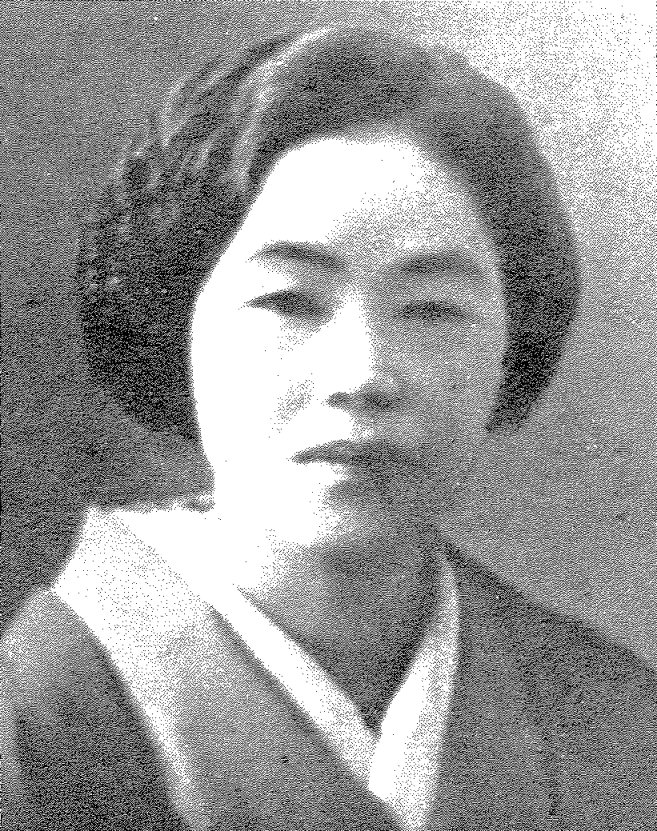
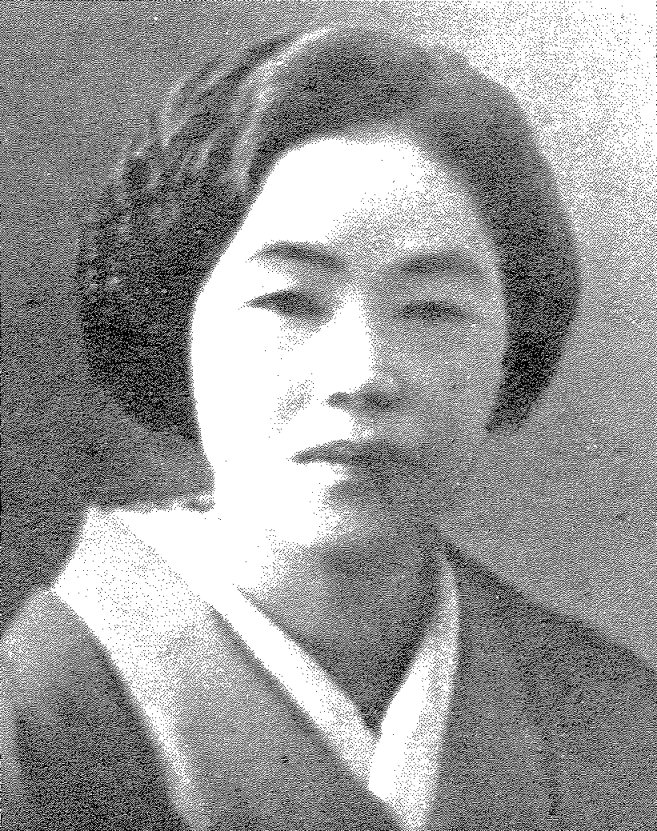
- Perpetrator: Miyuki Ishikawa (known historically as “The Demon Midwife”, Oni-Sanba)
- Active Period: 1944 – 1948 (Arrested January 15, 1948)
- Jurisdiction: Shinjuku Ward, Tokyo, Occupied Japan
- Estimated Victims: Estimated 85 to 103 newborn infants (convicted of criminal negligence resulting in death for 5 confirmed infants)
- Modus Operandi: Systematic fatal starvation and neonatal neglect of newborn infants left by impoverished parents; soliciting fraudulent financial maintenance subsidies from municipal welfare offices
- Key Forensic Breakthrough: Accidental discovery of infant remains transported by an undertaker in Waseda; forensic autopsies by the University of Tokyo Medico-Legal Institute proving severe malnutrition and zero pathological illness
- Judicial Outcome: Convicted of bodily injury resulting in death in 1948; sentenced to 8 years (reduced on appeal to 4 years imprisonment); spurred nationwide revision of the Eugenic Protection Act and legal abortion legalization in Japan
The January 1948 arrest of Miyuki Ishikawa, the director of the Kotobuki Maternity Hospital in post-war Tokyo, exposed the largest and most systemic case of neonatal homicide in modern Japanese history. Operating amidst the severe economic devastation, food rationing, and social collapse of the Allied Occupation, Ishikawa orchestrated the systematic neglect and starvation of over one hundred newborn infants. The resulting forensic inquest and public trial catalyzed profound social upheaval, leading directly to the legal liberalization of reproductive healthcare and modern child welfare protections in Japan.
Post-War Socioeconomic Devastation & The Kotobuki Hospital Scheme
Born in Miyazaki Prefecture in 1897, Miyuki Ishikawa graduated from Tokyo University’s prestigious midwifery training institute and rose to become the head director of the Kotobuki Maternity Clinic in Shinjuku, Tokyo. Following the devastation of World War II, Japan faced extreme inflation, widespread starvation, and millions of returning soldiers and displaced refugees.
Impoverished families unable to feed newborn infants frequently abandoned children at the Kotobuki clinic or sought informal adoptions through Ishikawa. Recognizing a lucrative criminal opportunity, Ishikawa and her husband, Takeshi Ishikawa, along with complicit physician Dr. Shiro Nakayama, accepted newborns alongside large “care subsidies” from desperate parents. Instead of providing nourishment and medical attention, Ishikawa systematically withheld milk, water, and heat, allowing the infants to perish from acute dehydration and starvation within days of admission.
The Forensic Breakthrough: The Waseda Cremation Discovery
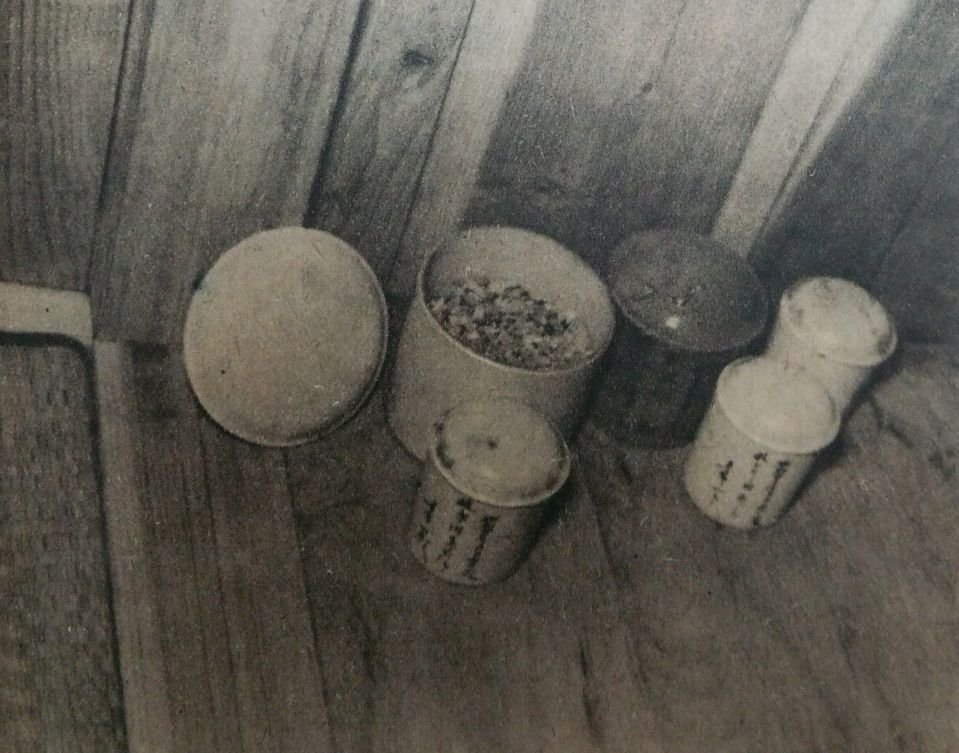
The criminal enterprise operated entirely unmonitored until January 12, 1948. Two patrol officers from the Waseda Police Station in Tokyo stopped a mortuary worker transporting wooden cremation urns on a handcart. Suspicious of the unusually large number of juvenile containers, officers opened the boxes and discovered the bodies of five newborn infants.
Interrogation of the mortuary worker revealed that he had been hired by Miyuki Ishikawa to conduct clandestine cremations without official municipal death certificates. Tokyo Metropolitan Police detectives immediately raided the Kotobuki Maternity Hospital, seizing patient ledgers, falsified medical death certificates, and financial registries that documented hundreds of missing infants over a four-year period.
Forensic Pathology & University of Tokyo Medico-Legal Autopsies
The recovered infant bodies were transferred to the Department of Legal Medicine at the University of Tokyo for exhaustive forensic autopsies. Medical examiners documented profound pathological abnormalities: complete absence of subcutaneous fat, severe dehydration, empty gastrointestinal tracts, and pronounced organ atrophy.
Crucially, forensic pathologists established that the infants exhibited zero congenital defects, infectious diseases, or pneumonia that could account for natural mortality. Autopsy reports formally concluded that every infant had died of acute physiological starvation and deliberate deprivation of basic fluids. Falsified death certificates issued by Dr. Nakayama, which attributed the fatalities to “pneumonia” and “prematurity,” were conclusively dismantled by pathological evidence.
The Tokyo District Court Trial & Historic Legal Reforms
Miyuki Ishikawa, Takeshi Ishikawa, and Dr. Shiro Nakayama were indicted on charges of bodily injury resulting in death and forging official documentation. The trial at the Tokyo District Court attracted intense national and international media coverage under Allied Occupation authorities (GHQ).
During the proceedings, Ishikawa argued that society, poverty, and state neglect were responsible for the deaths, asserting that she merely provided an inevitable outcome for unwanted children. In October 1948, the Tokyo District Court sentenced Miyuki Ishikawa to 8 years in prison (later reduced to 4 years by the Tokyo High Court on appeal), while her husband received 4 years. The immense public reckoning over the Kotobuki deaths directly prompted the Japanese Diet to pass the Eugenic Protection Act of 1948, legalizing economic-hardship abortion and transforming modern Japanese public health policy.
Medico-Legal Inquests & The Demolition of Falsified Death Certificates
The forensic investigation directed by the Tokyo Metropolitan Police Department and the University of Tokyo Medico-Legal Institute established vital precedents for post-mortem neonatal pathology. Forensic medical examiners systematically dismantled dozens of death certificates signed by complicit clinic physician Dr. Shiro Nakayama, which fraudulently attributed infant mortalities to ‘natural pneumonia,’ ‘congenital weakness,’ or ‘prematurity.’
Autopsies conducted on exhumed infants revealed no macroscopic or microscopic pulmonary congestion, bronchial infection, or cerebral hemorrhages associated with premature birth trauma. Instead, histological examinations of liver, kidney, and adipose tissue demonstrated extreme cellular dehydration and complete depletion of glycogen stores. Pathologists testified that the infants suffered from prolonged, deliberate nutritional deprivation over four to seven days, establishing criminal negligence with lethal intent beyond all medical doubt.
Socioeconomic Devastation & The Reproductive Policy Transformation
The Kotobuki Maternity Hospital scandal unfolded against the backdrop of catastrophic post-war dislocation, where acute food rationing and social upheaval overwhelmed traditional family support structures. The immense public outrage surrounding the trial of Miyuki Ishikawa forced the Japanese government and Allied Occupation authorities (GHQ) to confront the urgent crisis of maternal poverty and unwanted births.
Within months of the trial, the Japanese Diet passed the Eugenic Protection Act of 1948 (later renamed the Maternal Health Protection Act), making Japan one of the first countries in the post-war world to legalize abortion for economic distress and establishing nationwide subsidized infant care clinics, fundamentally modernizing Japanese public health and child welfare systems.
Chronological Case Timeline
| Date / Period | Investigative & Legal Milestone |
|---|---|
| 1897 | Miyuki Ishikawa is born in Kunitomi, Miyazaki Prefecture, Japan. |
| 1944 – 1948 | Systematic starvation and neglect of newborn infants at Kotobuki Maternity Hospital. |
| January 12, 1948 | Waseda police stop a handcart carrying five deceased infants, launching the homicide inquiry. |
| January 15, 1948 | Miyuki Ishikawa and clinic staff arrested by Tokyo Metropolitan Police. |
| Early 1948 | University of Tokyo forensic autopsies prove deaths resulted from deliberate starvation. |
| October 1948 | Tokyo District Court convicts Ishikawa of bodily injury resulting in death (sentenced to 8 years). |
| 1952 | Sentence reduced on appeal to 4 years imprisonment; Ishikawa released following penal term. |
Forensic Evidence Matrix & Criminological Assessment
The 1948 investigation into the Kotobuki Maternity Hospital remains one of the most consequential medico-legal inquiries in post-war Japanese history. Key evidential and policy pillars include:
- University of Tokyo Autopsies: Medico-legal pathologists proved fatal dehydration and complete absence of infectious disease across dozens of exhumed infants, dismantling falsified pneumonia death certificates.
- Documentary & Ledger Seizures: Tokyo Metropolitan Police recovered secret patient registries and financial subsidy books documenting hundreds of unrecorded births and systematic neglect.
- Legislative Transformation: The societal shock forced the immediate passage of the 1948 Eugenic Protection Act, legalizing economic abortion and modernizing Japanese public child welfare institutions.
The Kotobuki case established essential statutory standards for medical licensing, maternity clinic oversight, and child protection throughout Japan.
Related Case Files & Investigative Dossiers
Explore related deep-dive investigations into historic forensic scandals, medical crime investigations, and judicial landmarks:
- Amelia Dyer: The Reading Baby Farmer, Thames Recoveries & Scotland Yard Inquest
- Jane Toppan: ‘Jolly Jane’, Boston Poisonings & Morphine-Atropine Toxicology
- Niels Högel: The German Hospital Murders, Ajmaline Toxicology & Delmenhorst Exhumations
- Andrei Chikatilo: The Butcher of Rostov, Operation Forest & Forensic Psychiatry
- Dr. John Bodkin Adams: The Eastbourne Poisonings & Old Bailey Medical Trial
Forensic Investigation Methodology & Criminological Significance
Modern forensic criminologists categorize this historical case as a benchmark in the development of investigative protocols. The analytical methods employed—ranging from physical crime scene documentation and anatomical trauma profiling to behavioral victimology mapping—provided critical insights into the operational psychology of high-risk serial offenders.
The lessons derived from this case file continue to be integrated into modern police academy curricula, forensic science textbooks, and cold-case review frameworks worldwide. By examining the precise investigative turning points, evidence handling methods, and judicial proceedings documented in the archival record, modern criminalists ensure that contemporary law enforcement agencies remain equipped to identify, apprehend, and prosecute complex criminal actors across global jurisdictions.
Frequently Asked Questions
Who was Miyuki Ishikawa and what happened at Kotobuki Maternity Hospital?
Miyuki Ishikawa was a Tokyo midwife and hospital director who systematically neglected and starved dozens of newborn infants to death between 1944 and 1948, profiting from subsidies paid by impoverished parents.
How were the crimes of Miyuki Ishikawa discovered?
Tokyo police officers in Waseda stopped an undertaker’s handcart carrying wooden cremation urns containing five deceased infants without proper burial certificates, leading detectives directly to the hospital.
What impact did the Miyuki Ishikawa trial have on Japanese law?
The case shocked post-war Japan and led directly to the passage of the 1948 Eugenic Protection Act, which legalized economic abortion and reformed public infant welfare policies across the country.
{
“@context”: “https://schema.org”,
“@type”: “FAQPage”,
“mainEntity”: [
{
“@type”: “Question”,
“name”: “Who was Miyuki Ishikawa and what happened at Kotobuki Maternity Hospital?”,
“acceptedAnswer”: {
“@type”: “Answer”,
“text”: “Miyuki Ishikawa was a Tokyo midwife and hospital director who systematically neglected and starved dozens of newborn infants to death between 1944 and 1948, profiting from subsidies paid by impoverished parents.”
}
},
{
“@type”: “Question”,
“name”: “How were the crimes of Miyuki Ishikawa discovered?”,
“acceptedAnswer”: {
“@type”: “Answer”,
“text”: “Tokyo police officers in Waseda stopped an undertaker’s handcart carrying wooden cremation urns containing five deceased infants without proper burial certificates, leading detectives directly to the hospital.”
}
},
{
“@type”: “Question”,
“name”: “What impact did the Miyuki Ishikawa trial have on Japanese law?”,
“acceptedAnswer”: {
“@type”: “Answer”,
“text”: “The case shocked post-war Japan and led directly to the passage of the 1948 Eugenic Protection Act, which legalized economic abortion and reformed public infant welfare policies across the country.”
}
}
]
}