Executive Case Factsheet
- Perpetrator: Marie Delphine Macarty (Madame LaLaurie) and Dr. Leonard Louis Nicolas LaLaurie
- Active Period: 1831 – 1834 (Discovered April 10, 1834)
- Jurisdiction: French Quarter, New Orleans, Louisiana, United States
- Documented Victims: 7 enslaved captives recovered alive from the attic; multiple skeletal remains excavated from the courtyard
- Modus Operandi: Prolonged systematic confinement, anatomical mutilation, and torture of enslaved household captives within a concealed third-story attic chamber
- Key Forensic Breakthrough: Kitchen fire deliberately set by a captive cook leading to emergency forced entry by volunteer firefighters and Judge Jean-François Canonge; physical medical inquest documenting severe anatomical trauma and iron neck collars
- Judicial Outcome: Never formally tried; escaped an angry civilian lynch mob via carriage to Lake Pontchartrain; fled to Mobile, Alabama and lived in exile in Paris, France until her death in 1849
The April 10, 1834 fire at 1140 Royal Street in the French Quarter of New Orleans unveiled one of the most infamous and horrific cases of aristocratic sadism in American history. Madame Marie Delphine LaLaurie, a prominent member of Louisiana’s high-society Creole aristocracy, maintained an elaborate hidden torture chamber in the attic of her neoclassical mansion. The physical evidence revealed during the fire ignited a massive civil riot, destroyed the estate, and forever cemented the LaLaurie mansion in forensic and historical infamy.
The Royal Street Mansion & High-Society Façade
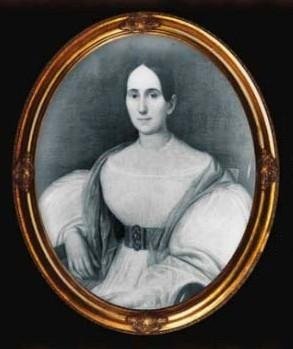
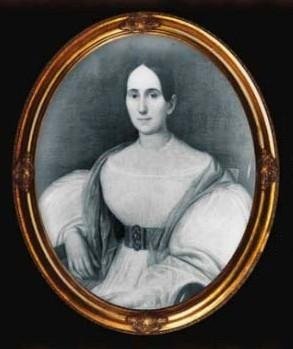
Born Marie Delphine Macarty in 1787 to one of Spanish colonial Louisiana’s most influential and wealthy families, Delphine married her third husband, French physician Dr. Leonard Louis Nicolas LaLaurie, in 1825. In 1831, she constructed an opulent, three-story neoclassical townhouse at 1140 Royal Street, hosting lavish masked balls and entertaining political dignitaries.
Despite her polite public demeanor, rumors of severe cruelty toward her enslaved domestic staff circulated among French Quarter neighbors. Under Louisiana’s Code Noir, owners were nominally restricted from excessive abuse. In 1833, a neighbor witnessed a young enslaved girl named Lia fall to her death from the mansion’s roof while attempting to escape Delphine’s whip, leading to an administrative police fine, though Delphine quickly repurchased the family’s confiscated servants through relatives.
The April 10, 1834 Kitchen Fire & The Attic Discovery
On the morning of April 10, 1834, a fire broke out in the mansion’s kitchen. Volunteer firefighters and neighbors rushed to the scene to extinguish the flames and save property. Upon entering the kitchen, responders found an elderly 70-year-old enslaved cook chained by her ankle to the woodstove. The cook confessed that she had deliberately set the fire as a desperate suicide attempt to escape transfer to the upper attic.
When the LaLauries refused to provide keys to the barred upper quarters, a group of prominent citizens led by Judge Jean-François Canonge broke down the heavy doors to the third-floor attic. Inside, witnesses encountered a scene of horrific confinement: seven severely malnourished captives chained to walls and heavy iron apparatuses, wearing spiked iron neck collars and exhibiting profound anatomical injuries.
Medical Inquests, Contemporary News Reports & Yard Exhumations
The surviving captives were carried from the attic and transported to the local jail for protective medical care and public exhibition, where thousands of New Orleans citizens gathered to witness the evidence. Physicians conducted clinical examinations, documenting extensive bone fractures, infected incisions, and evidence of severe prolonged mechanical restraint.
The New Orleans Bee (L’Abeille de la Nouvelle-Orléans) published blistering front-page investigative accounts detailing the medical findings. In the days following the fire, laborers and investigators excavating the mansion’s courtyard unearthed multiple clandestine graves containing skeletal remains, including the body of a child, corroborating years of neighborhood disappearance rumors.
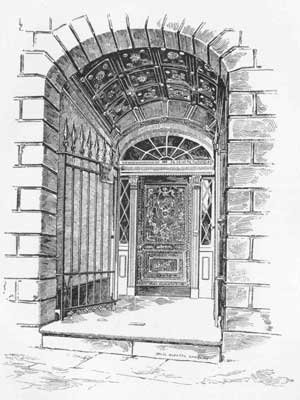
The French Quarter Riot & The Escape to Paris
Enraged by the medical evidence and news reports, an armed mob of several thousand New Orleans citizens descended upon 1140 Royal Street on the evening of April 10. The crowd demolished the mansion’s interior furnishings, tore off decorative ironwork, and dismantled outbuildings before sheriff’s deputies and the militia could restore order.
During the chaos of the riot, Madame Delphine LaLaurie and her coachman broke through the crowd in a horse-drawn carriage, fleeing to Lake Pontchartrain where a schooner carried her to Mobile, Alabama. From there, she boarded a transatlantic vessel bound for France. Delphine LaLaurie lived in Parisian exile for the remainder of her life, dying on December 7, 1849, never having faced criminal prosecution in an American court.
Forensic Historical Inquests & Architectural Crime Scene Mapping
The forensic investigation of the 1834 LaLaurie mansion fire relied heavily on the immediate architectural and physical survey conducted by Judge Jean-François Canonge and volunteer fire wardens. Contemporary civil court depositions preserved in the New Orleans Notarial Archives document the exact layout of the concealed third-floor garret: a windowless, unventilated attic chamber equipped with heavy oak beams, iron eye-bolts driven into the brick masonry, and specialized mechanical restraint apparatuses.
Surgeons who examined the surviving captives at the municipal jail recorded profound trauma: extensive joint contractures caused by prolonged confinement in cramped wooden cages, severe lacerations from iron spiked neck collars, and evidence of unhealed surgical mutilations. Furthermore, the subsequent excavation of human skeletal remains beneath the courtyard flagstones provided tangible physical evidence confirming years of clandestine fatalities.
The Royal Street Riot & The Evolution of Louisiana Criminal Jurisprudence
The public destruction of the Royal Street mansion by an enraged multi-class civilian mob in April 1834 underscored the deep tensions between aristocratic privilege and the enforcement of statutory criminal law in antebellum Louisiana. While Louisiana’s Code Noir nominally prohibited the cruel treatment and starvation of enslaved individuals, high-society connections had previously shielded the LaLauries from criminal prosecution.
The catastrophic scandal and subsequent international press coverage forced the Louisiana Supreme Court and municipal magistrates to tighten judicial oversight of domestic abuse complaints and established the Royal Street property as a permanent historical landmark of early American forensic and legal infamy.
Chronological Case Timeline
| Date / Period | Investigative & Historical Milestone |
|---|---|
| March 19, 1787 | Marie Delphine Macarty is born in New Orleans, Spanish Louisiana. |
| 1831 | Construction of the neoclassical mansion at 1140 Royal Street in the French Quarter. |
| 1833 | Administrative investigation following the death of young enslaved girl Lia from the mansion roof. |
| April 10, 1834 | Kitchen fire set by enslaved cook leads to the discovery of the third-floor attic torture chamber. |
| April 11, 1834 | New Orleans citizens riot, gutting the Royal Street mansion; yard excavations uncover skeletal remains. |
| April 1834 | Madame LaLaurie escapes via Lake Pontchartrain and flees to Paris, France. |
| December 7, 1849 | Delphine LaLaurie dies in Paris, France at the age of 62. |
Forensic Evidence Matrix & Criminological Assessment
The historic investigation into the 1834 Royal Street mansion fire provided vital forensic documentation of antebellum aristocratic crime. Key evidential aspects include:
- Architectural Crime Scene Inquest: Judicial depositions by Judge Jean-François Canonge documenting the concealed third-floor garret, spiked iron neck collars, and restraint apparatuses.
- Courtyard Skeletal Exhumations: Physical excavations beneath courtyard flagstones recovering skeletal remains of clandestine abuse victims, corroborating neighborhood accounts.
- Legal & Societal Repercussions: The destruction of the mansion and Madame LaLaurie’s flight to Paris catalyzed heightened scrutiny of domestic violence under Louisiana criminal law.
The LaLaurie case remains a permanent historical milestone of 19th-century American forensic inquests and Creole legal history.
Related Case Files & Investigative Dossiers
Explore related deep-dive investigations into historic American crime, forensic excavations, and iconic criminal landmarks:
- Ed Gein: The Plainfield Ghoul, Crime Scene Forensics & Insanity Verdict
- The Axeman of New Orleans: Italian Grocer Attacks, The Jazz Letter & Manhunt
- Béla Kiss: The Monster of Czinkota, Metal Drums of Alcohol & The WWI Disappearance
- The Cleveland Torso Murderer: The Mad Butcher of Kingsbury Run & Eliot Ness
- Lizzie Borden: The Fall River Axe Murders, Inquest Forensics & The Trial
Frequently Asked Questions
Who was Madame Delphine LaLaurie and what happened at 1140 Royal Street?
Madame Delphine LaLaurie was a wealthy New Orleans socialite who tortured and abused enslaved captives in the attic of her French Quarter mansion at 1140 Royal Street until a fire in April 1834 revealed her crimes.
How was the attic torture chamber discovered?
On April 10, 1834, an elderly enslaved cook chained to the kitchen stove set a fire in protest. Citizens and Judge Canonge broke through locked attic doors during the firefighting efforts and discovered seven chained captives.
Was Delphine LaLaurie ever brought to trial or punished?
No. While an angry mob destroyed her mansion, Madame LaLaurie fled the city by carriage, boarded a ship to France, and lived in exile in Paris until her death in 1849.
{
“@context”: “https://schema.org”,
“@type”: “FAQPage”,
“mainEntity”: [
{
“@type”: “Question”,
“name”: “Who was Madame Delphine LaLaurie and what happened at 1140 Royal Street?”,
“acceptedAnswer”: {
“@type”: “Answer”,
“text”: “Madame Delphine LaLaurie was a wealthy New Orleans socialite who tortured and abused enslaved captives in the attic of her French Quarter mansion at 1140 Royal Street until a fire in April 1834 revealed her crimes.”
}
},
{
“@type”: “Question”,
“name”: “How was the attic torture chamber discovered?”,
“acceptedAnswer”: {
“@type”: “Answer”,
“text”: “On April 10, 1834, an elderly enslaved cook chained to the kitchen stove set a fire in protest. Citizens and Judge Canonge broke through locked attic doors during the firefighting efforts and discovered seven chained captives.”
}
},
{
“@type”: “Question”,
“name”: “Was Delphine LaLaurie ever brought to trial or punished?”,
“acceptedAnswer”: {
“@type”: “Answer”,
“text”: “No. While an angry mob destroyed her mansion, Madame LaLaurie fled the city by carriage, boarded a ship to France, and lived in exile in Paris until her death in 1849.”
}
}
]
}