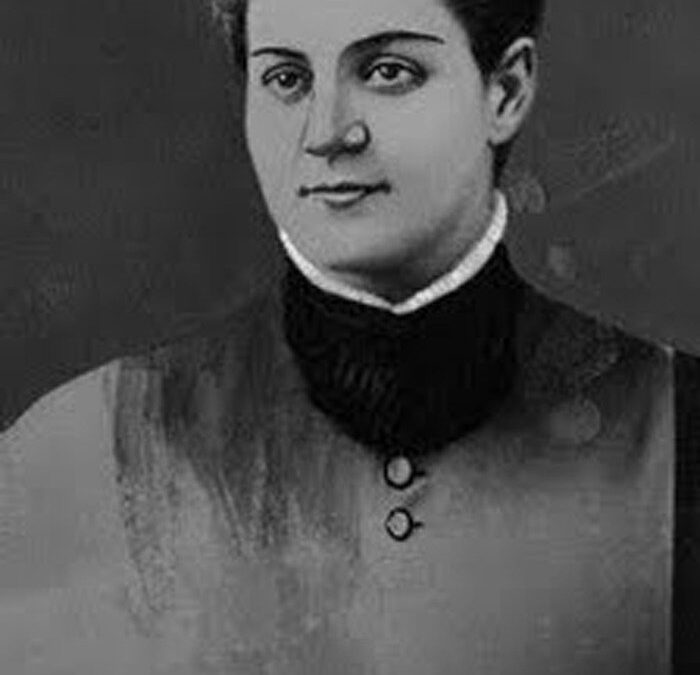
Executive Case Factsheet
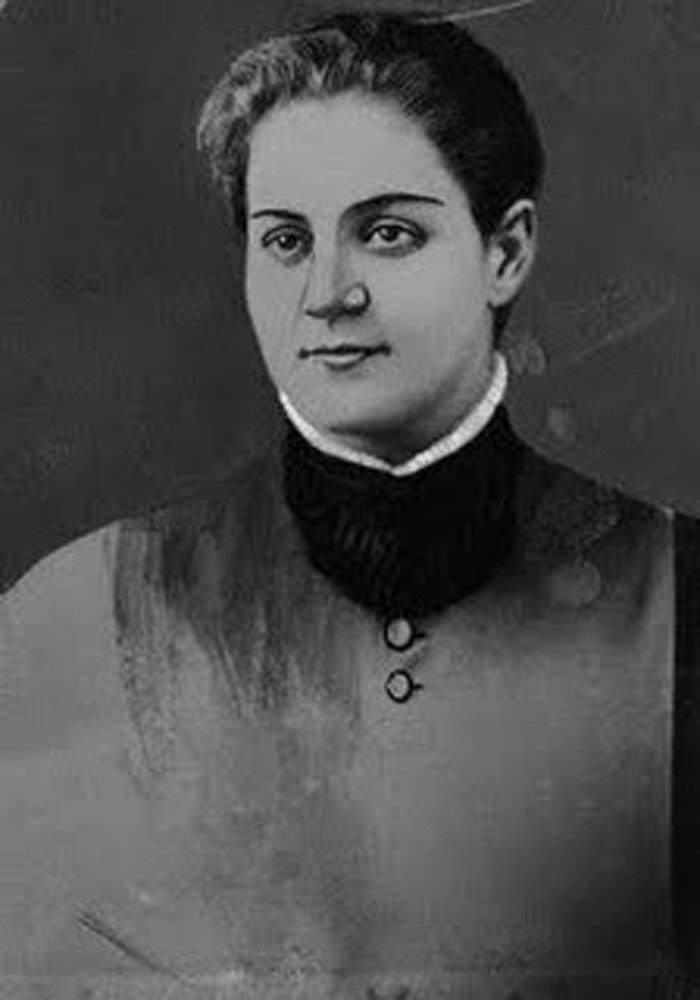
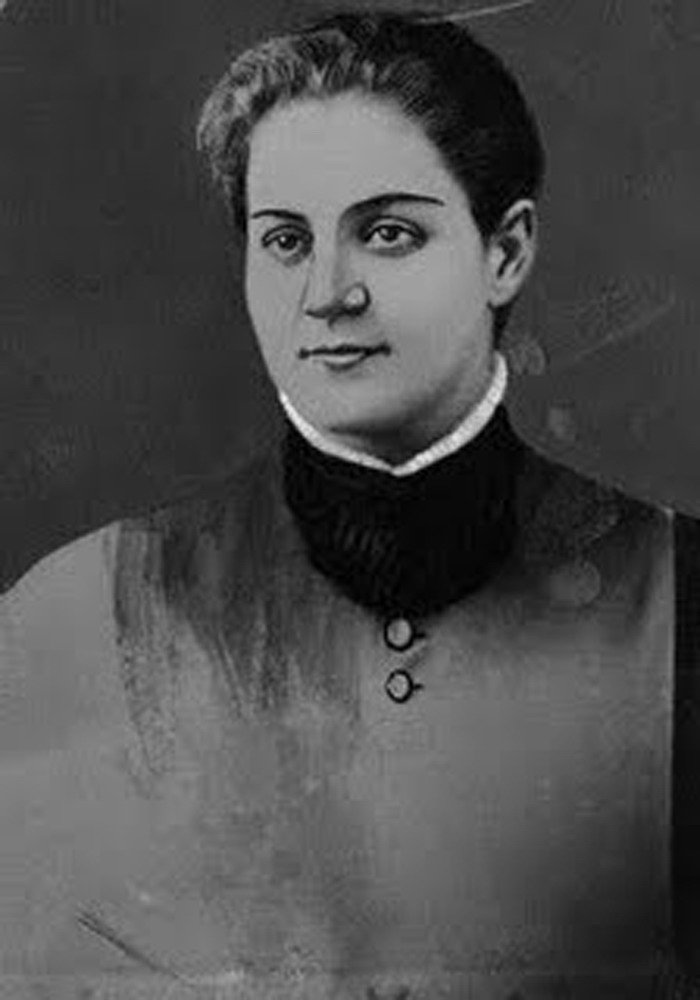
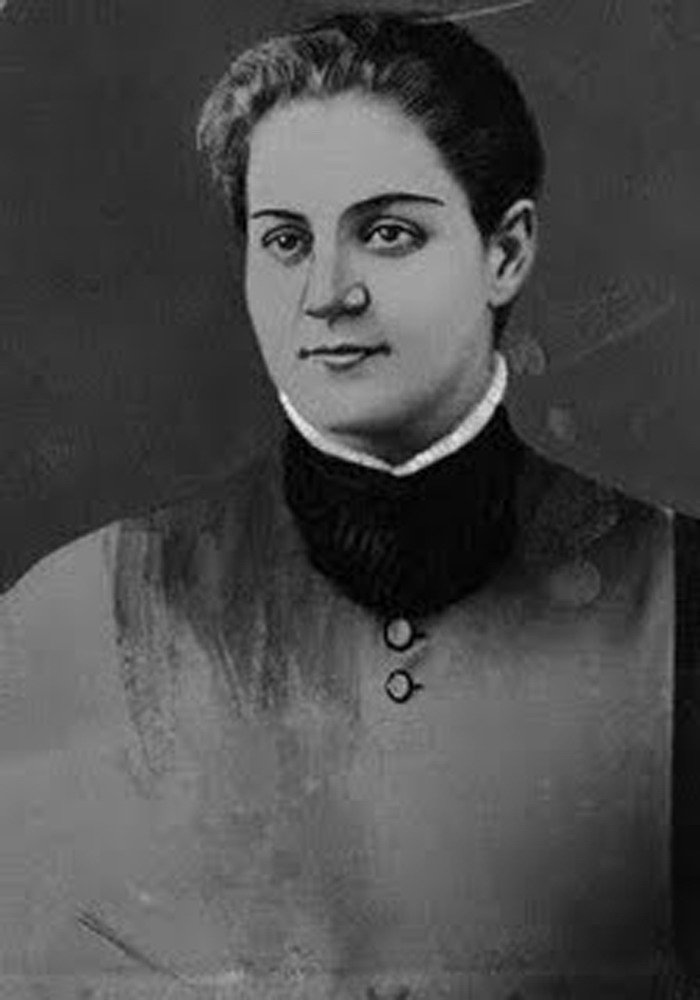
- Perpetrator: Jane Toppan (born Honora Kelley; known as “Jolly Jane”)
- Active Period: 1885 – 1901 (Arrested October 29, 1901)
- Jurisdiction: Cambridge, Boston, and Barnstable County (Cape Cod), Massachusetts, United States
- Confirmed / Estimated Victims: Confessed to 31 murders; suspected in over 70 patient deaths across hospital and private nursing settings
- Modus Operandi: Administering lethal alternating dosages of morphine (narcotic depressant) and atropine (belladonna alkaloid); manipulating medical charts and physiological reflexes; simulating natural bedside decline
- Key Forensic Breakthrough: Forensic exhumation of the Davis family ordered by Alden Davis’s surviving son-in-law; Harvard Medical School toxicological tissue analysis by Dr. Edward Wood identifying lethal alkaloid concentrations
- Judicial Outcome: Indicted on multiple counts of murder in 1902; found not guilty by reason of insanity by the Barnstable County Superior Court; committed for life to Taunton State Hospital until her death in 1938
The October 1901 apprehension of Jane Toppan, an outwardly jovial and trusted private nurse in Massachusetts, unraveled one of the most prolific medical serial murder series in American criminal history. Operating for over fifteen years within prestigious Boston healthcare institutions and wealthy private residences, Toppan utilized pharmacological cocktails of morphine and atropine to deliberately extinguish the lives of at least 31 patients. Her case served as a foundational milestone for early American forensic toxicology and hospital regulatory reform.
The Clinical Setting & Pharmacological Experimentation
Born Honora Kelley in Boston in 1854 to impoverished Irish immigrants, she was placed in the Boston Female Asylum before being indentured to the Toppan family of Lowell. In 1885, adopting the name Jane Toppan, she entered professional nurse training at Cambridge Hospital. Well-liked by senior medical staff and patients alike for her cheerful demeanor—earning the moniker “Jolly Jane”—Toppan masked profound psychopathy and sadistic curiosity behind professional competence.
While at Cambridge Hospital and later Massachusetts General Hospital, Toppan began surreptitiously dosing elderly and convalescent patients with experimental combinations of morphine, strychnine, and atropine. She meticulously observed their pupillary contractions, respiratory depression, and neurological reflexes as they drifted in and out of consciousness. Dismissed for financial irregularities and suspicious medication shortages, she transitioned to lucrative private-duty nursing for prominent New England families.
The Davis Family Annihilation & The 1901 Exhumations
In the summer of 1901, Toppan was retained by the Davis family of Cataumet on Cape Cod. Within a span of six weeks between July and August 1901, four members of the household died in rapid succession: matriarch Mattie Davis, daughters Genevieve Gordon and Minnie Gibbs, and father Alden Davis. In each instance, Toppan acted as the sole attending nurse, administering prescribed cordials and comforting the dying.
Following the sudden death of Minnie Gibbs on August 13, 1901, her suspicious husband, Captain Leonard Gibbs, refused to allow the burial without an independent inquiry. Working alongside local physician Dr. Samuel Johnson, Gibbs contacted the Massachusetts State Police and secured court orders for the emergency exhumation of the Davis family members from the Cataumet cemetery.
Forensic Toxicology: Dr. Edward Wood’s Chemical Analysis
The viscera and organs harvested during the exhumations were delivered to Dr. Edward S. Wood, Professor of Chemistry at Harvard Medical School and the preeminent forensic toxicologist of the era. Utilizing specialized extraction techniques and colorimetric chemical reagents, Dr. Wood analyzed the gastric contents, liver, and kidneys of the deceased.
Dr. Wood’s toxicological assays demonstrated massive, lethal quantities of both morphine and atropine in all four victims. Morphine, an opium alkaloid, causes fatal respiratory arrest, while atropine, an anticholinergic alkaloid derived from belladonna, accelerates heart rate and dilates pupils. Dr. Wood testified that Toppan deliberately paired the two drugs to mask the classic physical symptoms of morphine overdose—such as pinpoint pupillary constriction—thereby deceiving attending family physicians into diagnosing cardiovascular collapse or natural apoplexy.
The Barnstable Superior Court Trial & Taunton Confinement
Armed with Dr. Wood’s toxicological findings, Massachusetts State Police Detective Joseph Whitney tracked Toppan to Amherst, New Hampshire, arresting her on October 29, 1901. While in custody, Toppan gave an extensive 31-victim confession to her defense attorney, James Fallon, stating that her supreme ambition had been to kill more helpless people than any other man or woman in history.
The trial convened on June 23, 1902, at the Barnstable County Superior Court before a three-judge panel. Following expert psychiatric testimony from four state alienists who diagnosed Toppan with incurable moral insanity and necrophilic sadism, the court returned a verdict of not guilty by reason of insanity in less than twenty minutes. Jane Toppan was committed to the Taunton State Hospital for the Insane, where she remained confined under strict psychiatric supervision until her death on August 17, 1938, at the age of 84.
Pharmacological Synergy: The Morphine-Atropine Lethal Mechanism
The toxicological findings presented by Dr. Edward S. Wood of Harvard Medical School in the 1902 Jane Toppan trial constituted a masterpiece of early 20th-century forensic pharmacology. Dr. Wood demonstrated that Toppan possessed sophisticated empirical knowledge of autonomic nervous system pharmacology, deliberately exploiting the antagonistic physiological actions of morphine and atropine.
Morphine acts as a potent central nervous system depressant, causing severe respiratory depression, bradycardia, and extreme pupillary miosis (pinpoint pupils). Toppan counteracted these telltale diagnostic markers by administering atropine—a competitive antagonist at muscarinic acetylcholine receptors—which induces mydriasis (dilated pupils) and tachycardia. By carefully balancing these two opposing alkaloids, Toppan created a clinical picture mimicking apoplexy or sudden cardiovascular failure, preventing attending physicians from suspecting foul play for over fifteen years.
Hospital Administration Reforms & Medical Serial Killer Typology
The exposure of Jane Toppan sent shockwaves through the New England medical establishment and catalyzed sweeping structural reforms in American nursing and hospital management. Prior to 1901, hospital pharmaceutical dispensaries operated with minimal inventory controls, allowing nurses easy access to unrestricted narcotics and toxic alkaloids.
In the wake of Toppan’s confession, the Massachusetts Medical Society and American Hospital Association instituted mandatory double-sign-off protocols for schedule narcotics, standardized clinical record-keeping for patient mortalities, and strict credential verification requirements for private-duty nurses, creating foundational standards for modern healthcare safety.
Chronological Case Timeline
| Date / Period | Investigative & Legal Milestone |
|---|---|
| March 31, 1854 | Honora Kelley (Jane Toppan) is born in Boston, Massachusetts. |
| 1885 – 1891 | Undergoes nurse training at Cambridge Hospital; initiates pharmacological poisoning trials. |
| July – August 1901 | Poisoning deaths of four members of the Davis family in Cataumet, Cape Cod. |
| September 1901 | Exhumation of Davis family remains ordered; Dr. Edward Wood initiates toxicology analysis at Harvard. |
| October 29, 1901 | Toppan is arrested in Amherst, New Hampshire by Massachusetts State Police. |
| June 23, 1902 | Barnstable County Superior Court finds Toppan not guilty by reason of insanity. |
| August 17, 1938 | Jane Toppan dies at Taunton State Hospital at age 84. |
Forensic Evidence Matrix & Criminological Assessment
The trial of Jane Toppan was a defining event in American forensic toxicology and hospital regulation. Key evidential and institutional pillars include:
- Harvard Toxicological Assays: Dr. Edward S. Wood’s chemical analyses identified lethal concentrations of morphine and atropine in exhumed Davis family organs, proving pharmacological masking.
- Confessional Dossier: Comprehensive 31-victim confession to defense attorneys detailing fifteen years of clinical poisonings across New England medical facilities.
- Hospital Pharmaceutical Controls: The scandal spurred mandatory double-sign-off protocols for schedule narcotics and professional credential oversight for American private-duty nurses.
Jane Toppan remains a primary case study in medical serial homicide typology and the evolutionary history of autonomic pharmacology in forensics.
Related Case Files & Investigative Dossiers
Explore related deep-dive investigations into historic medical poisoning, forensic toxicology, and high-profile courtroom trials:
- Niels Högel: The German Hospital Murders, Ajmaline Toxicology & Delmenhorst Exhumations
- Dr. John Bodkin Adams: The Eastbourne Poisonings & Old Bailey Medical Trial
- Hélène Jégado: The French Arsenic Poisoner, Brittany Soups & 1851 Rennes Trial
- Amelia Dyer: The Reading Baby Farmer, Thames Recoveries & Scotland Yard Inquest
- Miyuki Ishikawa: The Demon Midwife, Kotobuki Maternity Hospital & Post-War Tokyo Infant Murders
Frequently Asked Questions
Who was Jane Toppan and why was she called ‘Jolly Jane’?
Jane Toppan was an American nurse who murdered 31 people in Massachusetts between 1885 and 1901 using lethal doses of morphine and atropine. Colleagues and patients nicknamed her ‘Jolly Jane’ due to her cheerful and friendly bedside manner.
How did forensic toxicologist Dr. Edward Wood prove the poisonings?
Dr. Edward Wood of Harvard Medical School analyzed tissues from exhumed Davis family members and identified high concentrations of morphine and atropine, demonstrating that Toppan used atropine to mask the physical signs of morphine overdose.
What was Jane Toppan’s final judicial outcome?
In June 1902, the Barnstable County Superior Court found Toppan not guilty by reason of insanity. She was committed for life to Taunton State Hospital, where she died in 1938.
{
“@context”: “https://schema.org”,
“@type”: “FAQPage”,
“mainEntity”: [
{
“@type”: “Question”,
“name”: “Who was Jane Toppan and why was she called ‘Jolly Jane’?”,
“acceptedAnswer”: {
“@type”: “Answer”,
“text”: “Jane Toppan was an American nurse who murdered 31 people in Massachusetts between 1885 and 1901 using lethal doses of morphine and atropine. Colleagues and patients nicknamed her ‘Jolly Jane’ due to her cheerful and friendly bedside manner.”
}
},
{
“@type”: “Question”,
“name”: “How did forensic toxicologist Dr. Edward Wood prove the poisonings?”,
“acceptedAnswer”: {
“@type”: “Answer”,
“text”: “Dr. Edward Wood of Harvard Medical School analyzed tissues from exhumed Davis family members and identified high concentrations of morphine and atropine, demonstrating that Toppan used atropine to mask the physical signs of morphine overdose.”
}
},
{
“@type”: “Question”,
“name”: “What was Jane Toppan’s final judicial outcome?”,
“acceptedAnswer”: {
“@type”: “Answer”,
“text”: “In June 1902, the Barnstable County Superior Court found Toppan not guilty by reason of insanity. She was committed for life to Taunton State Hospital, where she died in 1938.”
}
}
]
}