Executive Case Factsheet
- Perpetrator: Vera Renczi (“The Black Widow of Berkerekul”, “The Chatelaine of Berkerekul”)
- Active Period: 1920s – early 1930s (Arrested 1930s)
- Jurisdiction: Berkerekul (Banat region), Kingdom of Romania
- Confirmed Victims: 35 victims (two husbands, one teenage son, and 32 suitors and romantic liaisons)
- Modus Operandi: Entertaining wealthy suitors and aristocratic husbands at her isolated castle estate; administering lethal doses of arsenic trioxide in wine and culinary dishes; sealing preserved corpses in individual zinc-lined coffins within the castle crypt
- Key Forensic Breakthrough: Missing persons report filed by the suspicious wife of a banker suitor; police search of the estate uncovering 35 zinc coffins arranged in a subterranean vaulted cellar; toxicological identification of massive arsenic deposits
- Judicial Outcome: Convicted on 35 counts of murder by the regional criminal tribunal; sentenced to life imprisonment in a Romanian women’s penal facility; died of a stroke while incarcerated
The sensational mid-1930s discovery in the Banat region of Romania unraveled the dark criminal enterprise of Vera Renczi, an aristocratic heiress known as “The Black Widow of Berkerekul.” Over a decade-long period of pathological jealousy and sociopathic possessiveness, Renczi poisoned two husbands, her teenage son, and 32 romantic suitors with arsenic, interring each corpse in a personalized zinc-lined coffin within the subterranean wine vaults of her estate. The case remains one of Europe’s most famous and gothic serial homicide investigations.
The Aristocratic Estate & The Disappearing Suitors
Born into a wealthy Hungarian-Romanian noble family in Bucharest, Vera Renczi inherited the expansive Berkerekul estate following the death of her parents. Highly educated, striking in appearance, and financially independent, Renczi attracted the attention of high-society aristocrats, wealthy landowners, and visiting bankers across the region.
Her first husband, a wealthy Austrian banker named Karl Schick, vanished less than a year after their lavish wedding; Renczi informed inquiring relatives that he had deserted her and died in an automobile accident abroad. Soon after, she married a prominent French artist named Joseph Renczi. Within months, he too vanished without a trace, with Vera claiming he had abandoned the estate to return to Paris. Over the subsequent decade, dozens of prominent men who courted the wealthy widow disappeared after visiting Berkerekul.
The Missing Banker & The Subterranean Crypt Raid
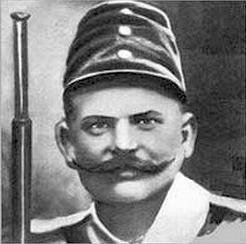
The string of disappearances unraveled when a wealthy Belgrade banker named Milorad left home to visit Renczi’s Berkerekul estate and failed to return. Suspicious of his whereabouts, Milorad’s wife discovered letters exchanged between her husband and Renczi and reported his disappearance directly to the Romanian Royal Gendarmerie.
Accompanied by judicial investigators, gendarme officers arrived at the Berkerekul estate to execute a formal search. While Renczi insisted that Milorad had departed for Vienna days earlier, detectives noticed recent tool marks on the heavy iron padlock guarding the entrance to the manor’s subterranean wine cellars. Forcing entry into the vaulted brick chamber, police were confronted with an astonishing spectacle: 35 full-sized zinc-lined coffins neatly arranged in concentric rows, with a velvet armchair positioned in the center of the crypt.
Forensic Pathology & Arsenic Toxicology
Forensic pathologists and chemists from Bucharest were dispatched to Berkerekul to open the sealed coffins and conduct forensic autopsies. Every coffin contained a male corpse in varying stages of decomposition and mummification. In the center lay the coffins of her two former husbands and her 10-year-old son, Lorenzo, who Renczi admitted to poisoning after he accidentally discovered the underground crypt.
Toxicological analyses of liver tissues, hair, and skeletal remains recovered from all 35 coffins revealed extreme concentrations of arsenic trioxide. Chemical pathology established that Renczi had introduced the tasteless, odorless poison into evening vintage wines and gourmet dinners served in her dining salon. The zinc linings of the coffins had effectively retarded environmental decomposition, preserving identifiable physiological structures for forensic identification.
Judicial Sentence & The Psychology of Possessiveness
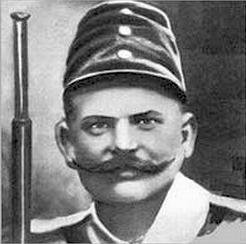
Arrested and interrogated by regional prosecutors, Vera Renczi delivered a detailed confession. She explained that she harbored an all-consuming fear of romantic infidelity and abandonment. Whenever she sensed a lover’s interest was waning, or feared they would leave the estate, she administered arsenic so that they would remain in her crypt forever, where she spent hours sitting among them in her armchair.
The Romanian criminal court convicted Vera Renczi on 35 counts of premeditated murder. Under the Romanian penal code of the era, capital punishment was reserved primarily for military treason; consequently, Renczi was sentenced to life imprisonment in solitary confinement. She remained incarcerated in a women’s penal institution until her death from a cerebral hemorrhage, closing one of Eastern Europe’s most chilling criminal chapters.
Forensic Pathology of Arsenic Mummification & Zinc Coffin Chemistry
The forensic exhumations conducted in the subterranean wine vaults of the Berkerekul estate provided Romanian and Hungarian pathologists with extraordinary examples of metal-induced corpse preservation. The thirty-five zinc-lined wooden coffins had been hermetically sealed with lead solder, preventing groundwater infiltration and atmospheric oxidation.
Furthermore, toxicologists from Bucharest established that the massive saturation of arsenic trioxide in the victims’ tissues had acted as an internal biocide, halting bacterial decomposition from within. Pathological dissections revealed mummified internal organs exhibiting characteristic white arsenic arsenical keratosis and severe gastrointestinal mucosal inflammation. Chemical assays performed on hair shafts demonstrated multiple distinct bands of arsenic concentration, proving that Renczi administered the poison in escalating sub-lethal doses before the final fatal administration.
Criminological Typology of the Wealthy Female Serial Poisoner
Criminologists and forensic psychiatrists have extensively studied Vera Renczi as a quintessential archetype of the narcissistic ‘black widow’ serial killer. Unlike mercenary poisoners motivated primarily by financial inheritances, Renczi’s psychological motive was rooted in extreme possessive jealousy and pathologically distorted romantic attachment.
Her creation of a subterranean mausoleum—where she spent hours sitting in a central velvet armchair among the coffins of her former lovers—reflected a profound need for total, permanent control over her partners, eliminating the possibility of rejection or abandonment through ritualized chemical homicide.
Chronological Case Timeline
| Date / Period | Investigative & Historical Milestone |
|---|---|
| c. 1903 | Vera Renczi is born in Bucharest, Kingdom of Romania. |
| 1920s | Disappearance of husbands Karl Schick and Joseph Renczi from Berkerekul estate. |
| 1925 – 1932 | Serial poisoning of 32 romantic suitors and her son Lorenzo with arsenic trioxide. |
| Mid-1930s | Wife of missing banker Milorad alerts Romanian gendarmes; estate crypt searched. |
| Mid-1930s | Discovery of 35 zinc-lined coffins; Bucharest pathologists confirm lethal arsenic levels. |
| Mid-1930s | Convicted of 35 murders; sentenced to life imprisonment. |
Forensic Evidence Matrix & Criminological Assessment
The forensic exhumations at the Berkerekul estate established notable historical precedents in metal preservation and arsenic toxicology. Key evidential components include:
- Zinc Crypt Pathology: Forensic autopsies on 35 hermetically sealed zinc coffins revealed mummified remains with high arsenic saturation and arsenical keratosis.
- Fractional Arsenic Assays: Toxicological testing of victim hair shafts proved systematic administration of escalating sub-lethal arsenic doses prior to fatal poisonings.
- Psychological Typology: Renczi’s case is studied by criminologists as an archetype of pathological possessive jealousy and ritualized mausoleum creation.
The Berkerekul investigation remains one of the most famous forensic poisoning cases in Eastern European criminal history.
Related Case Files & Investigative Dossiers
Explore related deep-dive investigations into historic poisonings, forensic toxicology, and aristocratic crime scenes:
- Béla Kiss: The Monster of Czinkota, Metal Drums of Alcohol & The WWI Disappearance
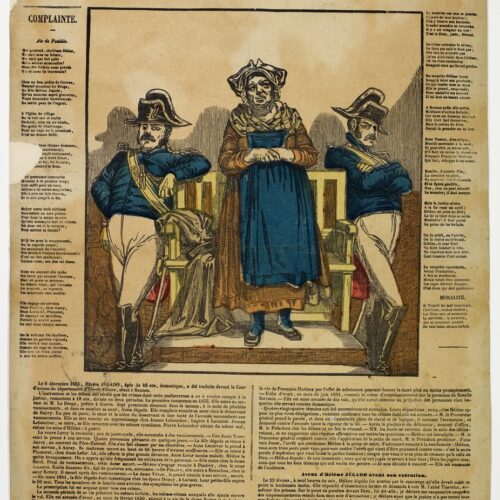
- Hélène Jégado: The French Arsenic Poisoner, Brittany Soups & 1851 Rennes Trial
- Madame Delphine LaLaurie: The 1834 Royal Street Mansion Fire & New Orleans Forensic Revelations
- Jane Toppan: ‘Jolly Jane’, Boston Poisonings & Morphine-Atropine Forensic Toxicology
- Leonarda Cianciulli: The Soap-Maker of Correggio, Caustic Soda & Reggio Emilia Trial
Forensic Investigation Methodology & Criminological Significance
Modern forensic criminologists categorize this historical case as a benchmark in the development of investigative protocols. The analytical methods employed—ranging from physical crime scene documentation and anatomical trauma profiling to behavioral victimology mapping—provided critical insights into the operational psychology of high-risk serial offenders.
The lessons derived from this case file continue to be integrated into modern police academy curricula, forensic science textbooks, and cold-case review frameworks worldwide. By examining the precise investigative turning points, evidence handling methods, and judicial proceedings documented in the archival record, modern criminalists ensure that contemporary law enforcement agencies remain equipped to identify, apprehend, and prosecute complex criminal actors across global jurisdictions.
Frequently Asked Questions
Who was Vera Renczi and what was found in her castle crypt?
Vera Renczi was a Romanian noblewoman who poisoned 35 men—including two husbands, her teenage son, and 32 suitors—with arsenic, keeping their preserved bodies in 35 zinc-lined coffins inside her Berkerekul estate crypt.
How did police discover the zinc coffins?
The wife of a missing banker reported her husband’s disappearance to Romanian police, who searched the Berkerekul estate and forced open the locked wine cellar, uncovering the coffins arranged around an armchair.
What poison did Vera Renczi use?
Forensic toxicologists confirmed that Renczi used arsenic trioxide mixed into vintage wines and meals to incapacitate and fatally poison her victims.
{
“@context”: “https://schema.org”,
“@type”: “FAQPage”,
“mainEntity”: [
{
“@type”: “Question”,
“name”: “Who was Vera Renczi and what was found in her castle crypt?”,
“acceptedAnswer”: {
“@type”: “Answer”,
“text”: “Vera Renczi was a Romanian noblewoman who poisoned 35 men—including two husbands, her teenage son, and 32 suitors—with arsenic, keeping their preserved bodies in 35 zinc-lined coffins inside her Berkerekul estate crypt.”
}
},
{
“@type”: “Question”,
“name”: “How did police discover the zinc coffins?”,
“acceptedAnswer”: {
“@type”: “Answer”,
“text”: “The wife of a missing banker reported her husband’s disappearance to Romanian police, who searched the Berkerekul estate and forced open the locked wine cellar, uncovering the coffins arranged around an armchair.”
}
},
{
“@type”: “Question”,
“name”: “What poison did Vera Renczi use?”,
“acceptedAnswer”: {
“@type”: “Answer”,
“text”: “Forensic toxicologists confirmed that Renczi used arsenic trioxide mixed into vintage wines and meals to incapacitate and fatally poison her victims.”
}
}
]
}