Executive Case Factsheet
- Perpetrator: Niels Högel
- Active Period: 1999 – 2005 (Arrested red-handed June 2005)
- Jurisdiction: Oldenburg Clinic and Delmenhorst Hospital, Lower Saxony, Germany
- Confirmed Victims: Convicted of 85 murders across two hospitals; suspected in over 300 patient fatalities
- Modus Operandi: Working as an intensive care unit (ICU) nurse; injecting patients with lethal overdoses of cardiac antiarrhythmic medications (ajmaline, sotalol, lidocaine, potassium chloride); creating emergency cardiac arrests so he could demonstrate resuscitation skills and earn praise
- Key Forensic Breakthrough: Red-handed interception by a colleague while administering ajmaline in Delmenhorst; largest forensic exhumation campaign in post-war German history (134 bodies exhumed across 67 cemeteries); advanced mass spectrometry toxicology detecting pharmaceutical residues
- Judicial Outcome: Convicted in multiple trials culminating on June 6, 2019 at the Oldenburg Regional Court; sentenced to life imprisonment with finding of particular gravity of guilt (besondere Schwere der Schuld), precluding standard 15-year parole
The criminal actions of intensive care nurse Niels Högel represent the deadliest serial murder series in post-war German history and the largest documented medical killing spree in global criminalistics. Between 1999 and 2005 at clinics in Oldenburg and Delmenhorst, Högel deliberately induced life-threatening cardiovascular crises in hundreds of patients to stage dramatic resuscitations. The subsequent investigation required the largest coordinated forensic exhumation and toxicological testing campaign ever undertaken in Europe.
The Intensive Care Unit & The Adrenaline Addict Complex
Born in Wilhelmshaven in 1976 to a healthcare family, Niels Högel trained as a certified nurse and joined the intensive care unit at the prestigious Oldenburg Clinic in 1999. Colleagues noted that while Högel was exceptionally skilled in acute emergency resuscitation protocols, emergency code calls (Reanimationen) surged dramatically during his specific duty shifts.
Suffering from narcissistic personality traits and severe boredom, Högel developed a lethal psychological pathology. He craved the adrenaline rush of emergency resuscitations and the admiration of medical colleagues. In 2002, Oldenburg hospital management, noticing the statistical anomaly of deaths during Högel’s shifts, quietly encouraged him to resign with a positive reference rather than initiating an internal criminal audit. Högel immediately secured an ICU post at the nearby Delmenhorst Hospital, where his lethal activities intensified.
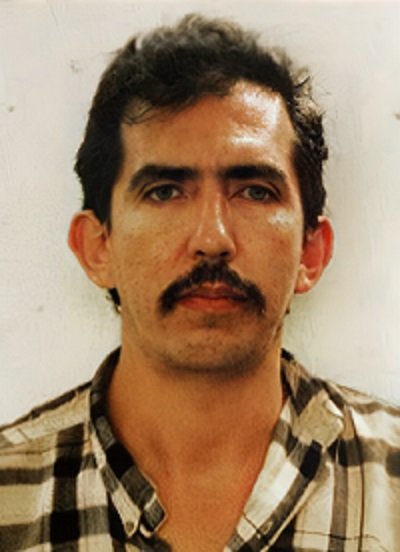
The Red-Handed Interception & The “Kardio” Special Commission
On June 22, 2005, a fellow intensive care nurse at Delmenhorst Hospital walked into a patient room and caught Högel adjusting an unauthorized syringe pump containing the potent antiarrhythmic drug ajmaline (Gilurytmal). The nurse reported the incident to the chief physician, and police were summoned.
Following initial convictions for attempted murder in 2008, the Lower Saxony Police established a dedicated special homicide commission, Soko Kardio, led by Chief Detective Arne Schmidt. Schmidt’s team analyzed thousands of patient records, uncovering a staggering statistical reality: mortality rates in the Delmenhorst and Oldenburg ICUs doubled on days when Högel was on duty.
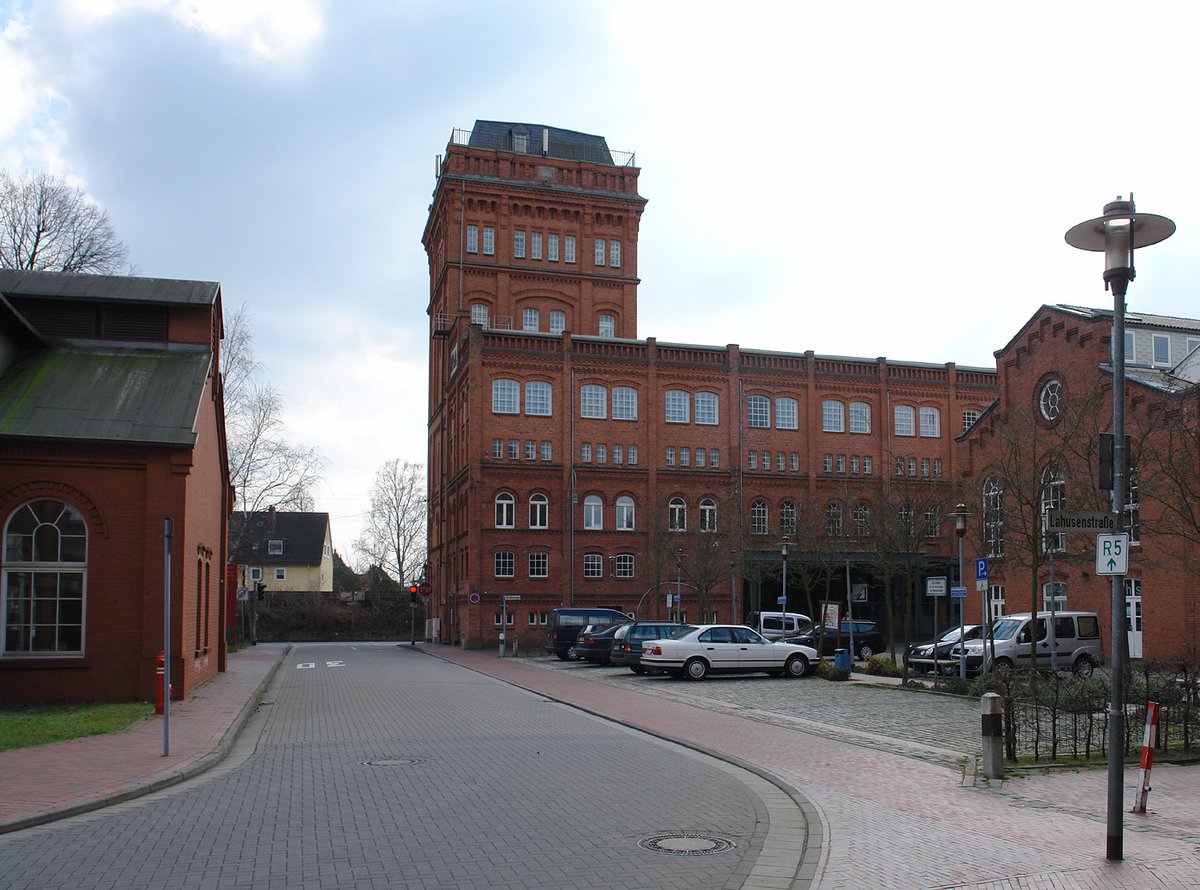
Forensic Toxicology: The 134 Cemetery Exhumations
Because most deceased patients had been buried years prior, Soko Kardio launched the most extensive forensic exhumation campaign in German judicial history. Between 2014 and 2017, forensic excavation teams exhumed 134 bodies across 67 cemeteries in Germany, Poland, and the Netherlands.
The remains were transferred to the Institute of Legal Medicine at the Hannover Medical School and the University Medical Center Hamburg-Eppendorf. Forensic toxicologists utilized liquid chromatography-tandem mass spectrometry (LC-MS/MS) to analyze decomposed tissue samples, hair, and skeletal remains. Toxicologists detected lethal, unprescribed concentrations of ajmaline, sotalol, lidocaine, amiodarone, and calcium channel blockers in dozens of exhumed bodies, providing definitive scientific proof of chemical homicide.
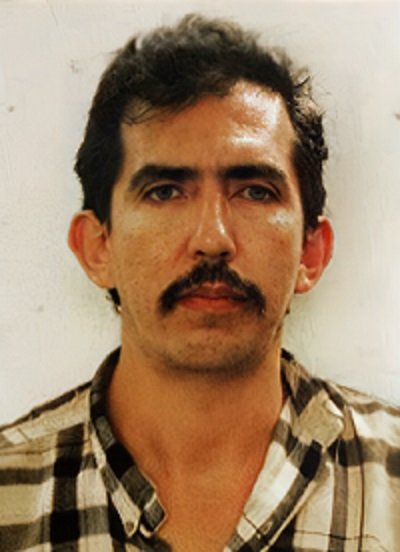
The Oldenburg Regional Court Verdicts & Healthcare Reforms
In 2018, the Oldenburg Regional Court commenced the definitive mega-trial of Niels Högel, charging him with 100 counts of murder. During proceedings, Högel admitted to feeling a sense of euphoria whenever he successfully resuscitated a dying patient, but expressed devastating remorse for those he failed to revive.
On June 6, 2019, Presiding Judge Sebastian Bührmann convicted Niels Högel of 85 counts of murder, sentencing him to a second term of life imprisonment with the judicial finding of particular gravity of guilt. The court also initiated perjury investigations against several former hospital supervisors and physicians for failing to report Högel’s suspicious shift patterns years earlier. The case prompted sweeping nationwide reforms in German hospital pharmacy controls, mandatory autopsy requirements for clinical deaths, and whistleblowing protections.
Liquid Chromatography-Mass Spectrometry (LC-MS/MS) in Exhumation Toxicology
The forensic toxicological investigation carried out by the Hannover Medical School and Hamburg-Eppendorf Institute of Legal Medicine in the Niels Högel case established new global benchmarks for post-mortem clinical toxicology. Forensic chemists analyzed decomposed liver, muscle, and hair samples from 134 exhumed patients across 67 European cemeteries.
Utilizing high-performance liquid chromatography coupled with tandem mass spectrometry (LC-MS/MS), toxicologists detected trace residues of ajmaline, sotalol, lidocaine, and potassium chloride that had persisted in tissue matrices for over a decade. The quantitative demonstration of lethal antiarrhythmic concentrations—far exceeding therapeutic ranges and unprescribed on medical charts—provided the Oldenburg Regional Court with irrefutable scientific proof of 85 counts of deliberate chemical murder.
Institutional Complicity & Nationwide Hospital Governance Reforms
The trial of Niels Högel forced a profound reckoning within the German healthcare system. The Oldenburg Court severely criticized hospital administrators at Oldenburg and Delmenhorst for failing to report suspicious statistical death clusters during Högel’s duty shifts, initiating criminal perjury proceedings against senior medical staff.
The case resulted in sweeping legislative reforms across Germany, including the introduction of automated hospital pharmacy alert systems, mandatory independent clinical reviews for unexpected ICU mortalities, and enhanced legal protections for medical whistleblowers.
Chronological Case Timeline
| Date / Period | Investigative & Legal Milestone |
|---|---|
| December 30, 1976 | Niels Högel is born in Wilhelmshaven, Lower Saxony, West Germany. |
| 1999 – 2002 | Högel induces cardiac emergencies and kills dozens of patients at Oldenburg Clinic. |
| 2002 – 2005 | Transfers to Delmenhorst Hospital; continues chemical injections with ajmaline and sotalol. |
| June 22, 2005 | Caught red-handed by a colleague at Delmenhorst; arrested by German police. |
| 2014 – 2017 | Soko Kardio exhumes 134 bodies across 67 cemeteries; toxicologists confirm drug overdoses. |
| June 6, 2019 | Oldenburg Regional Court convicts Högel of 85 murders; sentences him to life imprisonment without parole. |
Forensic Evidence Matrix & Criminological Assessment
The investigation of Niels Högel by Soko Kardio stands as Europe’s largest forensic toxicological and cemetery exhumation campaign. Key evidential elements include:
- 134 Cemetery Exhumations: Forensic excavation across 67 cemeteries in three nations to recover decomposed clinical tissue samples for laboratory analysis.
- LC-MS/MS Toxicological Detection: High-performance liquid chromatography-mass spectrometry detecting unprescribed lethal ajmaline and sotalol levels in decomposed organs.
- Healthcare Governance Reforms: Oldenburg Court convictions for 85 murders prompted nationwide mandatory autopsy laws and automated hospital pharmacy monitoring across Germany.
Niels Högel’s case is the definitive global benchmark for post-mortem clinical toxicology in medical serial murder investigations.
Related Case Files & Investigative Dossiers
Explore related deep-dive investigations into medical serial murders, forensic toxicology breakthroughs, and clinical exhumations:
- Jane Toppan: ‘Jolly Jane’, Boston Poisonings & Morphine-Atropine Forensic Toxicology
- Dr. John Bodkin Adams: The Eastbourne Poisonings & Old Bailey Medical Trial
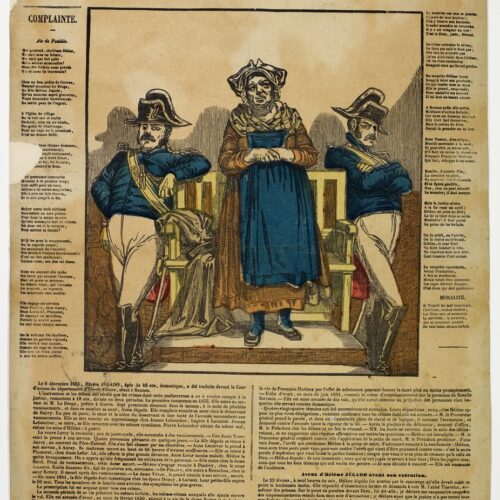
- Hélène Jégado: The French Arsenic Poisoner, Brittany Soups & 1851 Rennes Trial
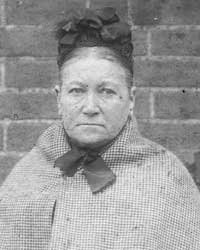
- Amelia Dyer: The Reading Baby Farmer, Thames Recoveries & Scotland Yard Inquest
- Miyuki Ishikawa: The Demon Midwife, Kotobuki Maternity Hospital & Post-War Tokyo Infant Murders
Forensic Investigation Methodology & Criminological Significance
Modern forensic criminologists categorize this historical case as a benchmark in the development of investigative protocols. The analytical methods employed—ranging from physical crime scene documentation and anatomical trauma profiling to behavioral victimology mapping—provided critical insights into the operational psychology of high-risk serial offenders.
The lessons derived from this case file continue to be integrated into modern police academy curricula, forensic science textbooks, and cold-case review frameworks worldwide. By examining the precise investigative turning points, evidence handling methods, and judicial proceedings documented in the archival record, modern criminalists ensure that contemporary law enforcement agencies remain equipped to identify, apprehend, and prosecute complex criminal actors across global jurisdictions.
Frequently Asked Questions
Who was Niels Högel and what were his crimes in Germany?
Niels Högel was a German intensive care nurse convicted of murdering 85 patients in Oldenburg and Delmenhorst hospitals between 1999 and 2005 by deliberately injecting them with lethal cardiac medications.
Why did Niels Högel inject patients with cardiac drugs?
Högel injected patients with drugs like ajmaline and sotalol to cause life-threatening heart arrhythmias so he could step in, perform emergency resuscitation, and receive praise from colleagues.
How did forensic toxicologists prove the murders years later?
German police exhumed 134 bodies from 67 cemeteries, and forensic toxicologists used mass spectrometry (LC-MS/MS) to identify unprescribed cardiac medications remaining in decomposed tissues.
{
“@context”: “https://schema.org”,
“@type”: “FAQPage”,
“mainEntity”: [
{
“@type”: “Question”,
“name”: “Who was Niels Högel and what were his crimes in Germany?”,
“acceptedAnswer”: {
“@type”: “Answer”,
“text”: “Niels Högel was a German intensive care nurse convicted of murdering 85 patients in Oldenburg and Delmenhorst hospitals between 1999 and 2005 by deliberately injecting them with lethal cardiac medications.”
}
},
{
“@type”: “Question”,
“name”: “Why did Niels Högel inject patients with cardiac drugs?”,
“acceptedAnswer”: {
“@type”: “Answer”,
“text”: “Högel injected patients with drugs like ajmaline and sotalol to cause life-threatening heart arrhythmias so he could step in, perform emergency resuscitation, and receive praise from colleagues.”
}
},
{
“@type”: “Question”,
“name”: “How did forensic toxicologists prove the murders years later?”,
“acceptedAnswer”: {
“@type”: “Answer”,
“text”: “German police exhumed 134 bodies from 67 cemeteries, and forensic toxicologists used mass spectrometry (LC-MS/MS) to identify unprescribed cardiac medications remaining in decomposed tissues.”
}
}
]
}