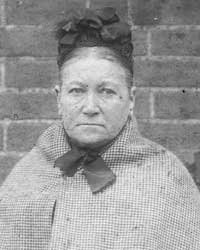

In May 1908, the smoking ruins of a rural farmhouse on McClung Road in La Porte, Indiana, yielded one of the most staggering forensic discoveries in early American criminological history. Following a suspicious fire that consumed the residence, searchers unearthing the cellar discovered the headless corpse of an adult woman alongside three dead children. Days later, when an arriving Norwegian immigrant searched for his missing brother, investigators began digging into the hog pens and orchard, uncovering dozens of dismembered human bodies buried in burlap sacks beneath layers of quicklime. The proprietor, 48-year-old Norwegian immigrant Belle Gunness, had operated a lethal matrimonial entrapment scheme, luring wealthy suitors through newspaper personal ads before poisoning them with arsenic, dismembering their remains, and seizing their cash assets. This case study details the early 20th-century forensic excavations, arsenic toxicology tests, anatomical controversies, and legal trials.
Executive Case Factsheet
- Victim(s): Estimated 14 to 40+ victims (including Andrew Helgelien, Peter Gunness, Mads Ditlev Anton Sorenson, multiple suitors and foster children)
- Date of Incident: 1884 – April 28, 1908
- Primary Crime Scene / Location: 42-acre farmstead on McClung Road, La Porte, La Porte County, Indiana
- Lead Investigating Jurisdictions: La Porte County Sheriff’s Department, Indiana State Fire Marshal, La Porte County Coroner’s Office
- Key Forensic Evidence: Excavation of multiple dismembered bodies in burlap sacks, high-concentration arsenic toxicology in viscera, recovered gold jewelry and pocket watches
- Suspect(s) / Perpetrator(s): Brynhild Paulsdatter Storset (Belle Gunness), Ray Lamphere (accomplice)
- Legal Outcome & Status: Farm destroyed by fire on April 28, 1908; headless female corpse found; suspect’s ultimate fate remains an enduring historical mystery
The April 28, 1908 Fire and the Headless Cellar Discovery
In the early morning hours of April 28, 1908, neighbors discovered the two-story brick farmstead of Belle Gunness engulfed in massive flames. Once volunteer firefighters extinguished the blaze, La Porte County Sheriff Albert Smutzer and coroner Charles F. Mack descended into the collapsed cellar rubble.
In the basement corner, searchers recovered the charred bodies of Belle Gunness’ three adopted children: Myrtle (11), Philip (9), and Lucy (5). Lying next to them was the charred body of an adult female. Crucially, the female corpse was completely decapitated, with the head severed clean at the cervical vertebrae and missing from the debris.
Coroner Mack noted immediate anatomical discrepancies: while Belle Gunness was widely known to be a physically imposing woman weighing over 200 pounds with broad shoulders, the headless female corpse recovered from the ashes measured under 5 feet 2 inches and weighed roughly 135 pounds, prompting immediate local suspicion that the body was a planted decoy.

The Hog Pen Excavations: Unearthing the Dismembered Suitors
On May 5, 1908, Asle Helgelien arrived in La Porte from South Dakota searching for his brother, Andrew Helgelien, who had traveled to Gunness’ farm in January carrying $3,000 in cash after corresponding with her through romantic personal advertisements in Midwestern Scandinavian newspapers.
Sheriff Smutzer directed farm laborers to dig into soft depressions located in the hog lot and orchard behind the burned house. Within minutes, spades struck burlap sacks coated in quicklime. Inside the first sack, searchers recovered the butchered, dismembered limbs and torso of Andrew Helgelien.
Over the next two weeks, thousands of spectators gathered as teams excavated grave after grave. Forensic teams unearthed the dismembered remains of over a dozen victims, including missing foster child Jennie Olsen, multiple unidentified male suitors, and infants. Bodies were systematically butchered at the joints—wrists, knees, neck, and pelvis—wrapped in canvas sacks and buried in shallow six-foot trenches.
The 1908 La Porte excavations marked a transformative moment in the history of early American forensic pathology and chemical toxicology. The chemical detection of arsenic trioxide by Dr. J. William Hurty utilizing the classic Marsh test provided definitive scientific proof of lethal intoxication in an era before automated chromatographic instrumentation. The spatial mapping of twelve separate dismemberment pits across Gunness’ orchard demonstrated a systematic, assembly-line methodology of body concealment that presaged modern forensic archaeological profiling of clandestine mass burial sites.
Forensic Toxicology: The Arsenic and Strychnine Analysis
Coroner Charles Mack retained Dr. J. William Hurty, secretary of the Indiana State Board of Health, and toxicologist Dr. P.F. Bobo to conduct comprehensive chemical analyses on the recovered visceral organs of the victims and the cellar corpses.
Using early Marsh test chemical reduction methods, Dr. Hurty identified lethal, massive concentrations of arsenic trioxide inside the stomach, liver, and kidneys of the four corpses found in the cellar fire. The toxicological evidence proved conclusively that the children and the headless woman had not died from smoke inhalation or burning, but were poisoned prior to the fire being set.
Furthermore, toxicology screening on Andrew Helgelien and several other excavated suitors revealed fatal traces of strychnine and arsenic, demonstrating Gunness’ standard method: administering lethal poisons in evening meals before dismembering the victims in the cellar with meat cleavers.

The Ray Lamphere Arson Trial and the Gold Bridge Discovery
In November 1908, Belle Gunness’ former farmhand and spurned lover, Ray Lamphere, went on trial in the La Porte Circuit Court before Judge John C. Richter, charged with first-degree murder and arson. Special Prosecutor Ralph Smith argued that Lamphere set fire to the home to destroy evidence and murder Gunness.
Defense attorney Wirt Worden mounted a sensational defense, presenting evidence that Belle Gunness was alive and had staged the fire using a murdered Chicago woman as a headless body double to fake her own death and escape with hundreds of thousands of dollars.
To counter this, the prosecution hired former Chicago jeweler Louis ‘Tap’ Toll, who sifted through the cellar ashes with fine screens. Toll recovered a set of dental gold bridge work containing artificial porcelain teeth. La Porte dentist Dr. Ira P. Norton testified that he had constructed the exact gold bridge for Belle Gunness months earlier. The jury convicted Lamphere of arson but acquitted him of murder. On his deathbed in prison in 1909, Lamphere confessed that he helped Gunness bury bodies and burn the farm, confirming that Gunness escaped alive.
Enduring Forensic Mysteries and 2008 Exhumation DNA Analysis
For over a century, the true fate of Belle Gunness remained one of the greatest unsolved puzzles in American true crime history. In 2008, a forensic anthropology research team from the University of Indianapolis, led by Dr. Stephen Nawrocki and forensic geneticist Andrea Halbach, exhumed the headless female corpse buried in Forest Home Cemetery in Forest Park, Illinois.
The forensic team extracted mitochondrial DNA from the femur of the headless remains, attempting to match the profile against mitochondrial DNA retrieved from saliva samples on an authentic 1904 postage stamp mailed by Belle Gunness to a suitor.
Due to the extreme moisture degradation of the century-old stamp adhesive and contamination, the genetic results were inconclusive, leaving the anatomical match between Belle Gunness and the headless corpse an open scientific mystery. The Belle Gunness murder farm remains a foundational case study in early forensic toxicology, clandestine grave excavation, and matrimonial serial murder profiling.

Chronological Case Timeline
| Date / Milestone | Investigative Development | Forensic / Evidentiary Significance |
|---|---|---|
| 1902 – 1908 | Belle Gunness places matrimonial ads in Midwestern papers; wealthy suitors vanish | Multi-year serial murder and financial extortion operation in rural Indiana |
| April 28, 1908 | Gunness farmhouse destroyed by fire; headless adult female and three children found | Sheriff Smutzer launches arson and homicide investigation |
| May 5, 1908 | Asle Helgelien directs excavations; dozens of butchered bodies recovered in hog pen | Discovery of one of history’s largest clandestine serial burial sites |
| May 1908 | Toxicology confirms lethal arsenic in stomachs of cellar corpses and excavated victims | Chemical proof that victims were poisoned prior to fire or dismemberment |
| Nov 1908 | Ray Lamphere tried in La Porte; convicted of arson, acquitted of murder | Deathbed confession confirms Gunness escaped after staging fire |
| 2008 | University of Indianapolis team exhumes headless corpse for modern ancient DNA testing | Scientific investigation tests 100-year-old biological evidence |
Frequently Asked Questions: Forensic & Legal Review
How did Belle Gunness lure her victims to the Indiana farm?
Gunness placed advertisements in Norwegian-language and Midwestern matrimonial newspapers presenting herself as a wealthy widow seeking a good husband, instructing interested suitors to bring their life savings in cash to invest in her farm property.
Was the headless body found in the 1908 fire actually Belle Gunness?
This remains an enduring controversy. The headless corpse measured 5 feet 2 inches and weighed roughly 135 pounds, whereas Belle Gunness was over 5 feet 8 inches and 200+ pounds. Although a gold dental bridge was found in the ashes, farmhand Ray Lamphere confessed on his deathbed that Gunness had staged the fire using a murdered decoy and escaped.
What poison did Belle Gunness use on her victims?
Forensic toxicologists Dr. J. William Hurty and Dr. P.F. Bobo detected lethal concentrations of arsenic trioxide and strychnine in the internal organs of both the cellar fire victims and the suitors excavated from the hog lots.