
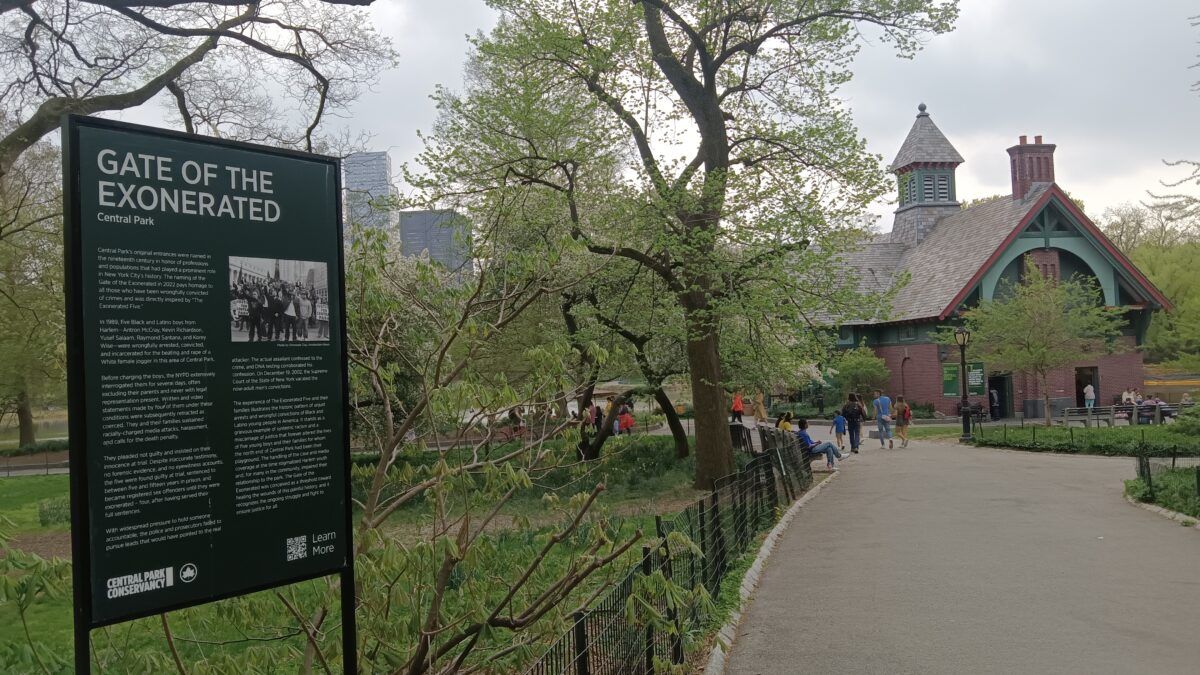
INVESTIGATIVE CASE DOSSIER: THE CENTRAL PARK FIVE EXONERATION
- Victim: Trisha Meili (Age 28; Investment Banker & Marathon Runner)
- Date of Crime: April 19, 1989 (Night)
- Location: North Woods ravine, Central Park (near 102nd Street Cross Drive), Manhattan, New York City
- Wrongfully Convicted (“The Exonerated Five”): Antron McCray (15), Kevin Richardson (14), Yusef Salaam (15), Raymond Santana (14), Korey Wise (16)
- Actual Perpetrator Identified: Matias Reyes (Convicted serial rapist and murderer; Confessed in 2002)
- Breakthrough Forensic Evidence: 2002 Single-source STR DNA match on the victim’s sock and cervical swabs to Matias Reyes in the NY State CODIS database
- Legal Resolution: All convictions unanimously vacated by NY Supreme Court Justice Charles Tejada in December 2002; $41 Million federal civil rights settlement reached with the City of New York in 2014
On the night of April 19, 1989, 28-year-old investment banker Trisha Meili was brutally attacked, sexually assaulted, and beaten into a coma while jogging through the North Woods of Central Park in Manhattan. Amidst intense racial tension and sensational media coverage, five Black and Latino teenagers—Antron McCray, Kevin Richardson, Yusef Salaam, Raymond Santana, and Korey Wise—were subjected to aggressive, hours-long police interrogations without legal counsel, resulting in coerced, contradictory video confessions. Despite zero physical evidence linking the youths to the crime scene, all five were convicted and sentenced to long prison terms. In 2002, convicted serial rapist Matias Reyes came forward with a full confession, verified by definitive single-source forensic DNA testing that conclusively proved the teenagers’ complete innocence.
The 1989 Attack in Central Park and Police Interrogations
On the evening of April 19, 1989, groups of dozens of teenagers gathered in Central Park, engaging in unruly behavior and harassing passersby. Trisha Meili, an avid runner working at Salomon Brothers, entered the park around 9:00 PM for her routine evening jog. Approximately four hours later, two passersby discovered Meili unconscious in a muddy ravine near 102nd Street. She had suffered severe skull fractures, hypothermia, and massive blood loss, leaving her in a deep coma for twelve days.
In response to public outrage and intense political pressure, the New York City Police Department launched a massive dragnet, detaining dozens of juveniles who had been in the park that evening. Detectives isolated McCray, Richardson, Salaam, Santana, and Wise, subjecting them to grueling interrogations spanning up to thirty continuous hours without food or adequate rest. None of the youths had legal counsel present during initial questioning.
Under intense psychological coercion and false promises that they would be permitted to return home if they cooperated, four of the teenagers provided videotaped confessions. However, the recorded statements were rife with glaring factual contradictions: the teenagers gave conflicting accounts of the attack location, the sequence of events, who held the victim, and what weapons were used. Crucially, microscopic forensic testing conducted by the NYPD crime laboratory revealed that none of the biological fluids recovered from the victim or the crime scene matched any of the five youths.
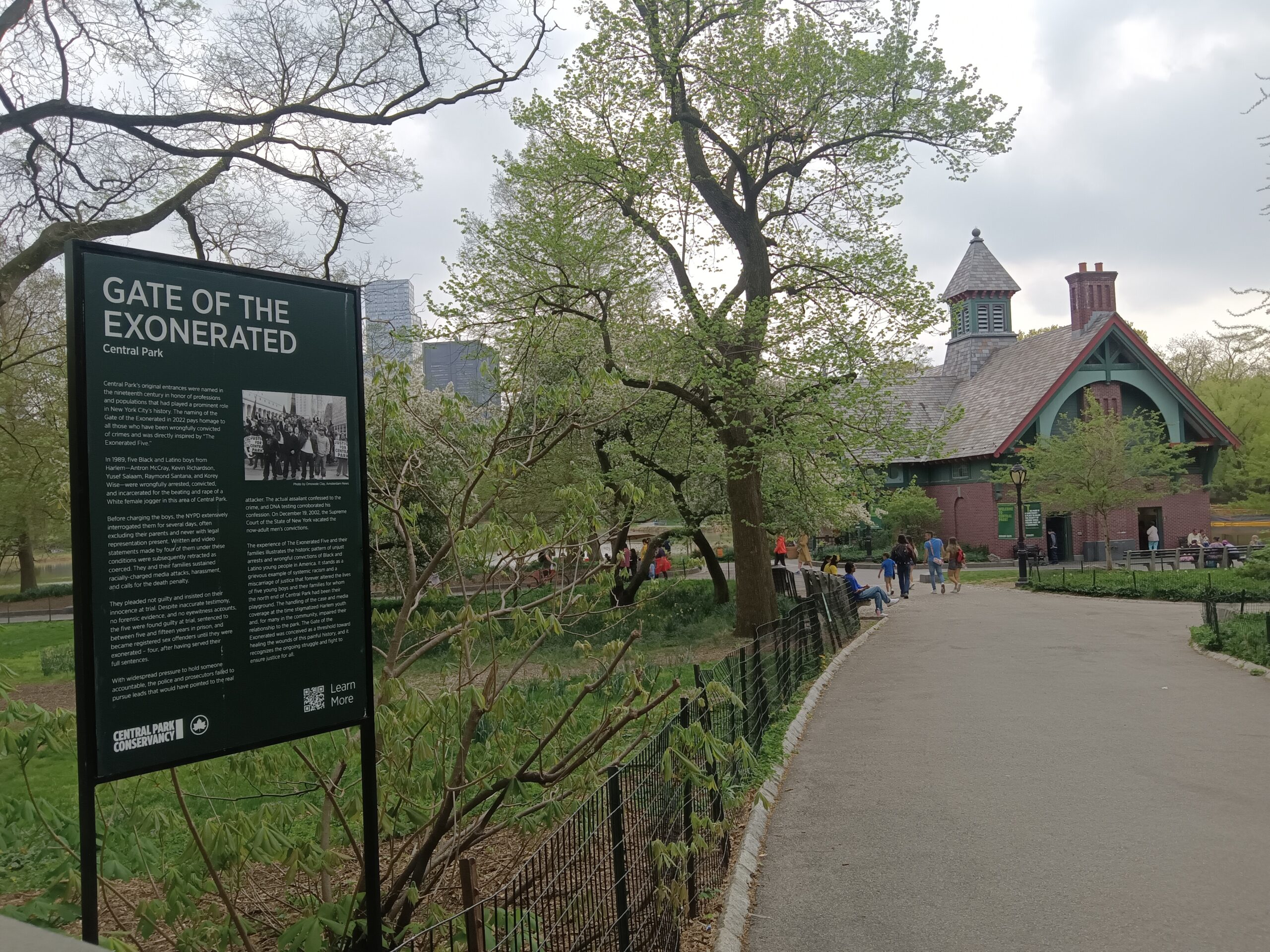
The 1990 Trials and Incarceration
The teenagers were tried in two separate high-profile trials in 1990 before New York State Supreme Court Justice Thomas Galligan. Manhattan prosecutors argued that although the youths’ DNA did not match the biological evidence, they had acted as accomplices in an uncharged “wolf pack” assault. The defense highlighted the total absence of physical evidence, the blatant factual discrepancies in the confessions, and eyewitness testimony establishing that several of the boys were in entirely different sections of the 843-acre park during the estimated window of the attack.
Nevertheless, swayed by the videotaped confessions, juries convicted all five youths of assault, robbery, and rape charges. McCray, Richardson, Salaam, and Santana were sentenced to the maximum juvenile term of 5 to 10 years, while 16-year-old Korey Wise, tried as an adult, was sentenced to 5 to 15 years in adult maximum-security state prisons, including Auburn and Attica.
The five young men served their full sentences, with Wise spending over thirteen agonizing years behind bars. Throughout their incarceration, all five steadfastly refused to admit guilt in parole hearings, which repeatedly delayed their release.
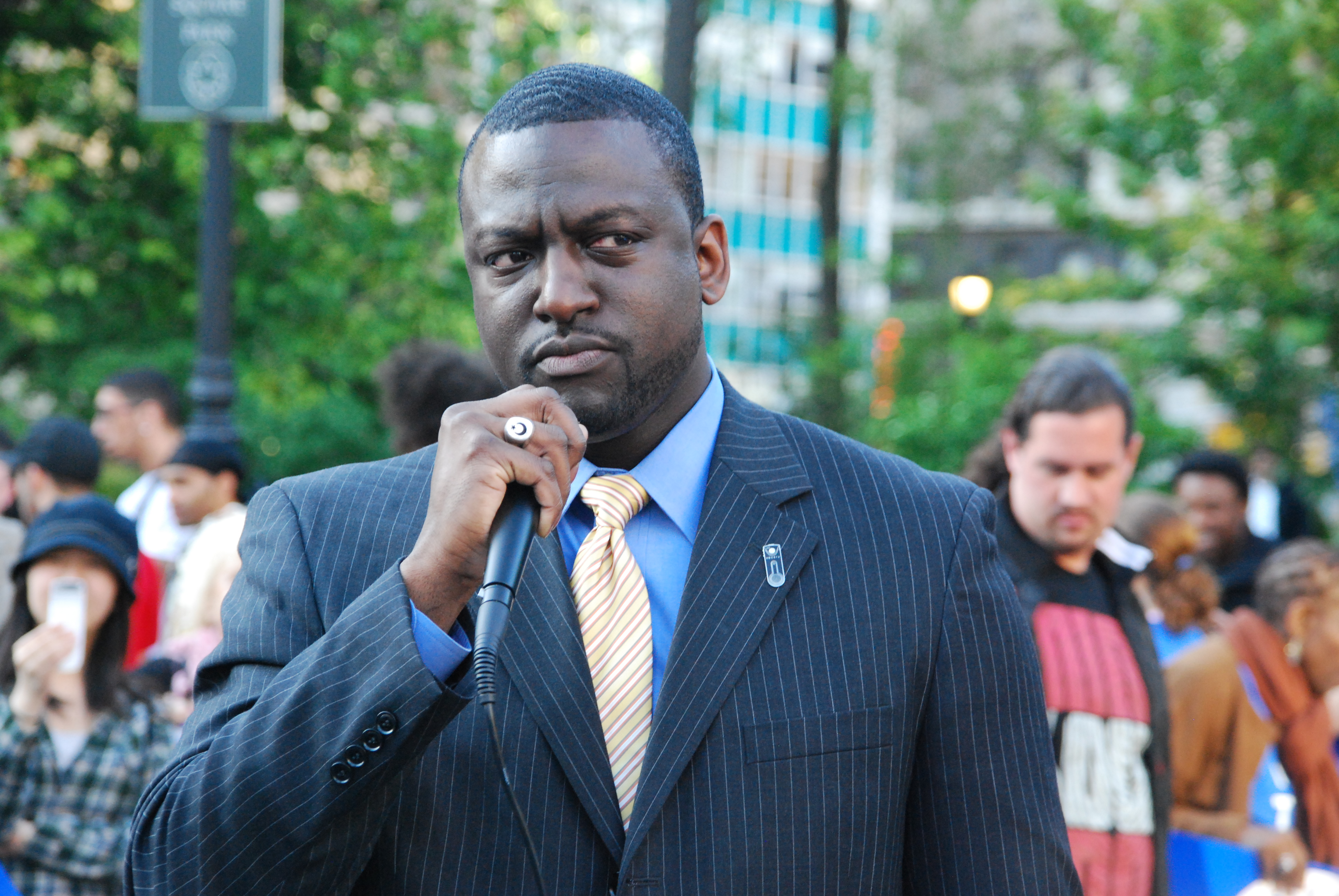
The 2002 Matias Reyes Confession and Forensic DNA Proof
In early 2002, while incarcerated at the Auburn Correctional Facility, 30-year-old Matias Reyes—a violent serial rapist and murderer serving a life sentence without parole for the 1989 murder of Lourdes Gonzalez and four other brutal sexual assaults in Manhattan—approached prison authorities to confess to the Central Park jogger attack.
Reyes revealed that he had acted entirely alone, providing intimate crime scene details that had never been made public: the exact orientation of Meili’s body, the specific ditch where he discarded her Walkman, and the precise branch he used to strike her. Manhattan District Attorney Robert Morgenthau launched an exhaustive official re-investigation.
The Manhattan DA’s office ordered advanced Short Tandem Repeat (STR) DNA analysis on the preserved biological evidence from the 1989 crime scene, specifically semen recovered from Trisha Meili’s sock and cervical swabs. The forensic results were absolute: the DNA profile was a 100% positive match to Matias Reyes, with statistical probability of a random match exceeding 1 in 6 billion. No other male DNA profiles were present, establishing beyond all scientific doubt that Reyes was the sole attacker and that none of the five teenagers had been involved in the assault.
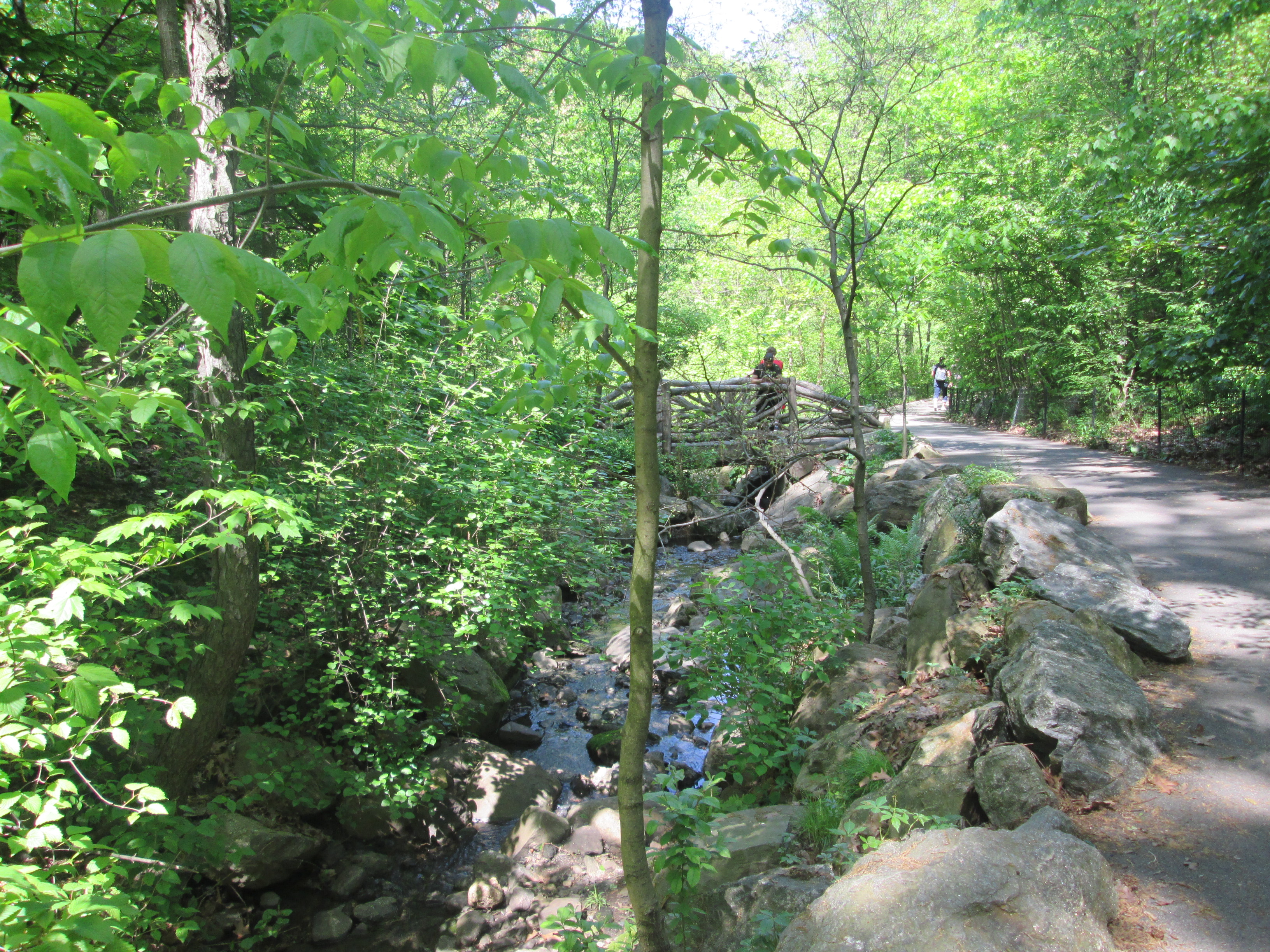
Vacatur, Settlement, and Civil Rights Legacy
On December 19, 2002, Manhattan District Attorney Robert Morgenthau filed a historic 58-page affirmation recommending the complete vacatur of all convictions. New York Supreme Court Justice Charles Tejada granted the motion, officially dismissing all indictments against Antron McCray, Kevin Richardson, Yusef Salaam, Raymond Santana, and Korey Wise.
In 2003, the five men filed a federal civil rights lawsuit against the City of New York, alleging malicious prosecution, racial discrimination, and coercive interrogation. In June 2014, under Mayor Bill de Blasio, the City of New York officially settled the lawsuit for $41 million ($1 million for each year of wrongful incarceration), followed by an additional $3.9 million settlement with the State of New York in 2016.
The Central Park Five case stands as the most famous cautionary tale in American legal history regarding the dangers of coercive youth interrogations, tunnel vision, and media sensationalism. In 2019, Ava DuVernay’s critically acclaimed Netflix miniseries When They See Us brought the case to a new global generation. Today, known as “The Exonerated Five,” the men are prominent leaders in criminal justice reform, with Yusef Salaam elected to the New York City Council in 2023, representing Harlem—the very neighborhood where his journey began.
The 2002 Robert Morgenthau Affirmation & Vacatur of Convictions
In December 2002, Manhattan District Attorney Robert M. Morgenthau submitted an exhaustive 58-page affirmation to New York Supreme Court Justice Charles Tejada recommending that all convictions against the five youths—Antron McCray, Kevin Richardson, Yusef Salaam, Raymond Santana, and Korey Wise—be completely vacated.
The DA’s affirmation detailed how Matias Reyes’s unprompted confession was supported by 100% STR DNA matching, unique knowledge of the victim’s location, and detailed corroboration of physical items recovered from the crime scene. On December 19, 2002, Justice Tejada granted the motion, vacating all convictions and cementing the case as the definitive historical example of how forensic DNA science must supersede coerced false confessions in modern jurisprudence.
Case Timeline & Key Forensic Milestones
| Year / Date | Milestone / Event | Legal & Forensic Significance |
|---|---|---|
| April 19, 1989 | Trisha Meili attacked in Central Park North Woods | Biological fluid evidence secured; five juveniles detained |
| 1990 | Two trials result in convictions for all five teenagers | Convictions secured despite total lack of DNA or physical evidence |
| Early 2002 | Serial rapist Matias Reyes confesses to acting alone | STR DNA analysis matches Reyes 100%; excludes all five youths |
| December 19, 2002 | NY Supreme Court Justice Tejada vacates all convictions | The Exonerated Five formally cleared of all criminal charges |
| 2014 | City of New York agrees to $41 Million civil settlement | Landmark compensation for wrongful conviction and interrogation abuse |
Frequently Asked Questions (FAQ)
Who actually committed the 1989 Central Park jogger attack?
Matias Reyes, a convicted serial rapist and murderer, committed the assault entirely alone. In 2002, Reyes confessed to the crime, and subsequent forensic STR DNA testing conclusively matched his biological profile to semen found on the victim’s clothing, completely clearing the five teenagers.
Why did the five teenagers confess to a crime they did not commit?
The teenagers were subjected to coercive, high-pressure interrogations lasting up to 30 continuous hours without parental presence or legal counsel. Detectives utilized deceptive interrogation techniques, sleep deprivation, and false promises that they could go home if they signed statements, leading the exhausted juveniles to give false confessions.
How much compensation did the Exonerated Five receive?
In 2014, the City of New York agreed to a historic $41 million civil rights settlement ($1 million for each year served in prison). In 2016, the State of New York agreed to an additional $3.9 million settlement under the state’s Court of Claims act.



