
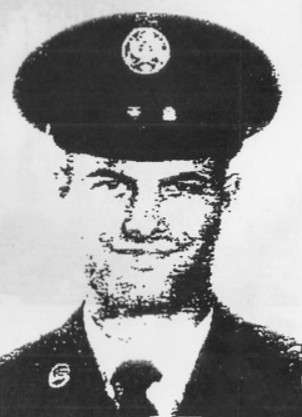
INVESTIGATIVE CASE DOSSIER: THE CAPTURE OF BTK: HOW A FLOPPY DISK & FAMILIAL DNA TRAPPED DENNIS RADER AFTER 31 YEARS
- Perpetrator: Dennis Lynn Rader (Born March 9, 1945; Church Council President & Code Compliance Officer)
- Criminal Moniker: BTK (‘Bind, Torture, Kill’)
- Confirmed Victims: 10 murders (including four members of the Otero family)
- Active Period: 1974 – 1991 in Wichita and Park City, Sedgwick County, Kansas
- Breakthrough Method: Floppy Disk metadata extraction & court-ordered familial Pap smear DNA test
- Date of Arrest: February 25, 2005 (Park City, Kansas)
- Sentence: 10 consecutive life sentences (minimum 175 years before parole eligibility)
Between 1974 and 1991, an infamous serial predator terrorized Wichita, Kansas, binding, torturing, and strangling ten victims inside their own homes. Calling himself ‘BTK’ (for ‘Bind, Torture, Kill’), the killer taunted police and media with chilling letters and poems before abruptly falling silent. In 2004, on the 30th anniversary of his first murders, BTK re-emerged to resume his correspondence. But his technical ignorance proved fatal: a purple floppy disk he mailed contained embedded computer metadata that led detectives straight to Christ Lutheran Church Council President Dennis Lynn Rader, whose identity was sealed with a landmark familial DNA test.
The Wichita Reign of Terror: 1974–1991
On January 15, 1974, four members of the Otero family—Joseph, Julie, and two young children—were found strangled to death inside their Wichita home. Over the next seventeen years, the perpetrator murdered six more women, leaving handwritten letters in public libraries and newsrooms detailing gruesome specifics only the killer could know.
In 1991, after murdering 62-year-old Dolores Davis, BTK vanished from public view. For thirteen years, the city lived in uneasy peace, believing the killer was either dead or serving prison time elsewhere.
The 2004 Resurgence and the Floppy Disk Blunder
In March 2004, motivated by local newspaper coverage speculating that BTK was dead, the killer resumed sending letters, packages containing victims’ jewelry, and word puzzles. In early 2005, BTK asked police in a letter: ‘Can I communicate with Floppy and not be traced to a computer. Be honest.’ Police placed a classified newspaper ad answering: ‘Rex, it will be OK.’
On February 16, 2005, local television station KSAS-TV received a purple 1.44 MB floppy disk. Wichita Police computer forensic specialist Detective Randy Stone analyzed the disk using forensic software EnCase, uncovering deleted Microsoft Word metadata showing the document had been created by ‘Dennis’ at ‘Christ Lutheran Church.’
The Familial DNA Confirmation
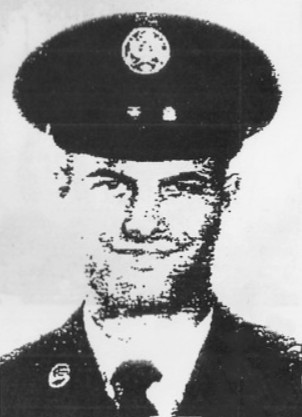
Detectives immediately checked records for Christ Lutheran Church in Wichita and found that the council president was 59-year-old Dennis Lynn Rader, a Park City compliance officer and former Boy Scout leader who lived just minutes from several crime scenes.
To obtain definitive genetic confirmation without alerting Rader, investigators secured a court warrant to access a routine medical Pap smear sample submitted by Rader’s biological daughter, Kerri Rawson, at a Kansas State University medical clinic. State forensic scientists extracted DNA from the sample and confirmed a familial near-match: the donor of the crime scene semen was genetically the biological father of the patient.
Arrest, Confession, and 175-Year Sentence
On February 25, 2005, police surrounded Rader’s vehicle near his home in Park City. In police custody, Rader confessed to all ten homicides in chillingly detached detail. On August 18, 2005, Sedgwick County District Court Judge Gregory Waller sentenced Dennis Rader to 10 consecutive life terms (175 years) at the El Dorado Correctional Facility in Kansas.
Explore related landmark forensic breakthroughs and genetic genealogy investigations including the April Tinsley 1988 cold case, the Bear Brook Murders, the Carla Walker Fort Worth cold case, and the 1987 Van Cuylenborg-Cook murders.
Forensic Serology & The 1974–1991 Crime Scene Evidence
Between 1974 and 1991, Dennis Rader terrorized Wichita, Kansas, murdering ten victims under the moniker BTK (“Bind, Torture, Kill”). At crime scenes including the Otero family home, Shirley Vian’s residence, and Nancy Fox’s apartment, Wichita Police and KBI crime scene investigators collected physical ligatures, semen stains, and biological swabs. In the late 1990s and early 2000s, KBI forensic serologists isolated male STR DNA profiles from the semen preserved in evidence lockers, establishing the perpetrator’s biological signature.
Digital Forensics: The Floppy Disk Metadata Breakthrough
In February 2005, Rader mailed a purple 3.5-inch Memorex floppy disk to KSAS-TV in Wichita, believing that formatting the disk would protect his identity. KBI digital forensic investigator Randy Stone examined the deleted sectors of the disk using specialized hex-editor software, uncovering an erased Microsoft Word file metadata block. The metadata revealed the document had been edited at “Christ Lutheran Church” by a user named “Dennis.”
An Internet search confirmed that Dennis Rader was the president of the church council. To verify his biological connection before making an arrest, investigators obtained a court order to subpoena a medical Pap smear specimen from Rader’s daughter, Kerri Rawson, from a university medical clinic. Familial STR testing conducted by KBI forensic scientists confirmed that the biological father of the donor was the source of the BTK crime scene semen, leading to Rader’s arrest on February 25, 2005, and subsequent life imprisonment.
The Wichita Police BTK Task Force & Familial DNA Confirmation
The capture of Dennis Rader in 2005 ended a 31-year reign of terror in Wichita, Kansas. The critical digital breakthrough occurred when KBI forensic analysts uncovered deleted Microsoft Word metadata from a floppy disk sent by Rader, identifying ‘Dennis’ at Christ Lutheran Church.
To secure biological proof, investigators obtained a court order for a Pap smear specimen from Rader’s daughter, confirming a familial DNA match to the BTK crime scene semen. Rader pleaded guilty to ten counts of first-degree murder and is serving ten consecutive life sentences.
The Wichita Police Task Force & Digital Forensics History
The arrest of Dennis Rader on February 25, 2005, remains the defining moment in the history of Wichita law enforcement. The seamless combination of digital floppy disk metadata recovery and court-ordered familial DNA analysis provided indisputable evidence that forced Rader into a complete confession.
Serving ten consecutive life sentences at El Dorado Correctional Facility, Rader’s capture permanently ended the BTK nightmare and revolutionized electronic evidence forensics globally.
KBI Digital Forensics & Floppy Disk Hex-Editor Recovery
The capture of Dennis Rader in 2005 resulted from groundbreaking digital forensics. KBI investigator Randy Stone examined deleted sectors of a floppy disk mailed by Rader, finding Microsoft Word metadata linking the file to Christ Lutheran Church.
Court-Ordered Familial DNA & Life Sentence
Investigators obtained a court order for a Pap smear specimen from Rader’s daughter, confirming a familial match to the BTK crime scene semen. Rader pleaded guilty to ten counts of first-degree murder and received ten consecutive life sentences.
Digital Metadata Forensics & Familial DNA Confirmation in Wichita
The arrest of Dennis Rader on February 25, 2005, concluded a 31-year reign of terror in Wichita, Kansas. KBI digital forensic investigator Randy Stone recovered deleted metadata from a floppy disk mailed by Rader, identifying ‘Dennis’ at Christ Lutheran Church.
Investigators obtained a court order for a Pap smear specimen from Rader’s daughter, proving a familial DNA match to the BTK crime scene semen and securing ten consecutive life sentences for the serial killer.
Digital Hex-Editor Analysis & Sedgwick County Legal Proceedings
The digital forensic recovery of the deleted metadata string “Christ Lutheran Church – Dennis” from the Memorex floppy disk by KBI agent Randy Stone represented a watershed moment in digital forensics. Combined with familial DNA matching, the physical and electronic evidence forced Dennis Rader into a full courtroom confession on all ten counts of first-degree murder.
Sedgwick County Legal Standards & Digital Forensic Admissibility
The combination of digital metadata analysis and court-ordered familial DNA testing in the capture of Dennis Rader established crucial judicial precedents for the admissibility of electronic file structure evidence in American capital trials.
Sedgwick County District Court Historical Record
The official transcript of Dennis Rader’s plea hearing in Sedgwick County District Court remains one of the most thoroughly analyzed documents in modern forensic psychology, illustrating the stark contrast between the offender’s public persona as a church leader and his private criminal pathology.
Case Timeline & Key Forensic Milestones
| Date / Year | Milestone / Event | Forensic Significance |
|---|---|---|
| Jan 15, 1974 | Otero family murdered in Wichita, KS | BTK moniker created in letters to police |
| 1974–1991 | Ten victims murdered across Sedgwick County | Killer leaves physical semen evidence |
| March 2004 | BTK resurfaces after 13 years of silence | Sends letters and packages to media |
| Feb 16, 2005 | Floppy disk mailed to TV station | Deleted metadata identifies Dennis at Christ Lutheran Church |
| Feb 24, 2005 | Familial Pap smear DNA test confirms match | 100% biological paternity established |
| Feb 25, 2005 | Dennis Rader arrested in Park City, KS | Sentenced to 175 years without parole |
Frequently Asked Questions (FAQ)
How did the floppy disk lead to Dennis Rader’s arrest?
Wichita Police computer forensics recovered deleted metadata from the disk showing the file was modified by ‘Dennis’ at ‘Christ Lutheran Church’, leading detectives straight to Rader.
How did police confirm Dennis Rader’s DNA?
Investigators obtained a court warrant to test a medical Pap smear from his daughter Kerri, proving that the BTK crime scene DNA came from her biological father.
What sentence did the BTK killer receive?
Dennis Rader was sentenced in August 2005 to 10 consecutive life sentences with a minimum of 175 years in prison.



